
Rustica field guide · Privacy planning
Barn Door Privacy Sweep: Measure and Close a Side Gap
A barn door privacy sweep uses a brush to cover the viewable space between a sliding door and the surface behind it. Start by locating the gap, then measure it at several heights and through the door’s travel. Choose a sweep by its complete mounting geometry, not brush length alone. A side sweep can improve the sightline at that edge, but it does not automatically make the opening soundproof, airtight or weatherproof.

Make it useful
Record your barn door side gap
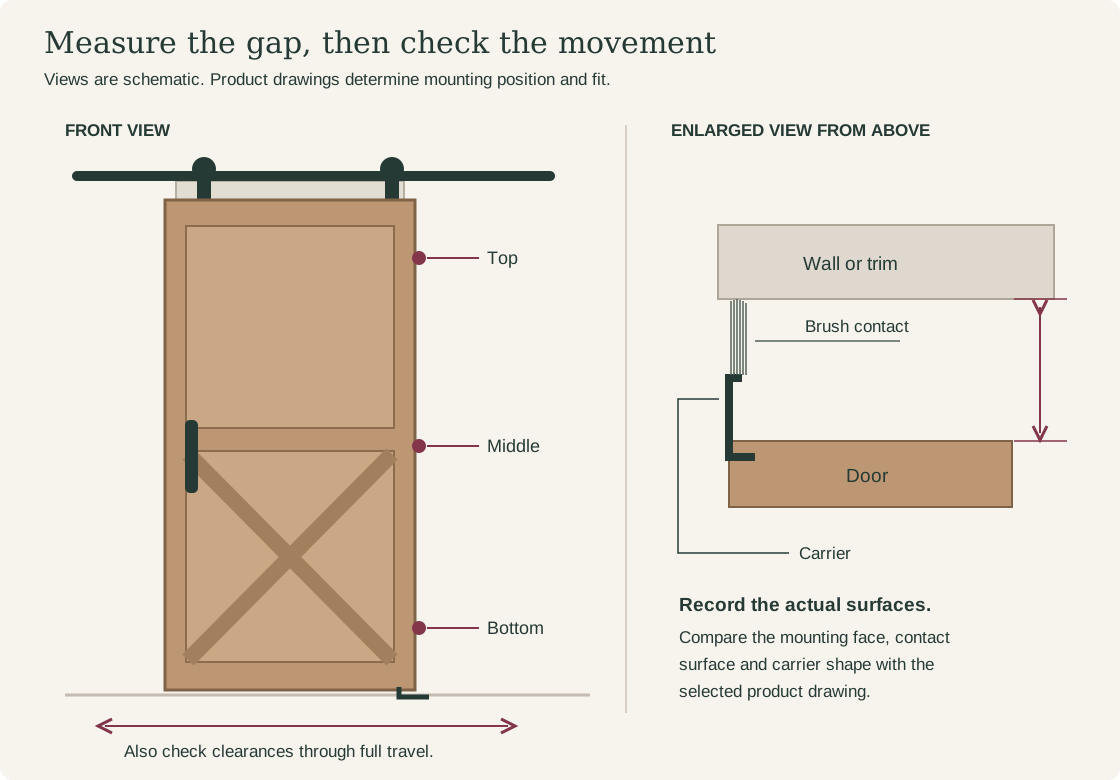
Measure the same side edge near its top, middle and bottom. Keep the gap measurements separate from the length of sweep needed.
Identify the carrier mounting face and the surface the brush would contact. Measure between those surfaces, then compare the exact product drawing. Check the full travel for tighter clearances and obstructions.
Add a material-length worksheet
Use the same finished length for each edge in this worksheet. Record different lengths separately.
The drawing shows measurement locations. Door proportions and gap depth do not change to match your entries.
Complete the three gap measurements
0 of 3 locations recorded. Unentered measurements remain unknown.
No sweep fit is confirmed. Check the carrier shape, contact surface, mounting range and clearances through the door’s full travel.
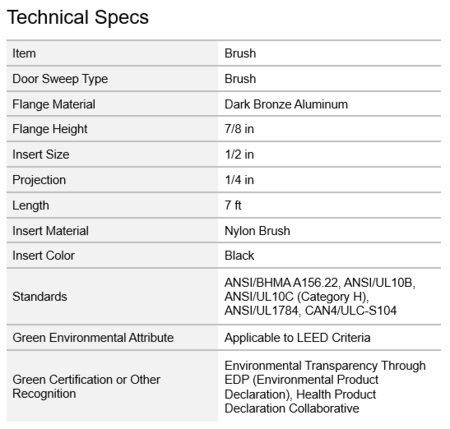
Published stock lengths: half-inch sweep, 7 feet and one-inch sweep, 8 feet. A side-gap worksheet does not establish acoustic, air or water performance.
Full guide and sources: https://rustica.com/barn-door-privacy-sweep-faq/
First, identify which gap you are seeing
A sliding barn door sits in front of an opening and needs clearance to move. The view around its edge depends on more than one measurement: door overlap, distance from the wall or trim, and the angle from which someone looks all matter.
| Gap location | What to look for | Useful next measurement |
|---|---|---|
| Side edge | A sightline between the door and the wall or trim. | Distance from the intended sweep mounting face to the contact surface. |
| Bottom | An opening between the lower door edge and the floor. | Clearance at the highest floor point through the full travel. |
| Top | Space near the upper door edge, track or header. | The system’s required operating clearances and available mounting area. |
| Center of paired doors | A gap where two panels meet or overlap. | Panel arrangement, closed positions and the specified meeting-edge detail. |
A product intended for a side edge should not automatically be moved to the floor or track area. Those locations have different contact surfaces, obstructions and movement.
What a privacy sweep changes
A privacy sweep combines a carrier with a brush insert. When correctly located, the brush fills the sightline at that edge while allowing the door to slide. The carrier has its own shape and mounting face, so its position is part of the fit.
The sweep does not move the door closer to the wall. It occupies some of the space that remains. If the door barely covers the opening, correcting the door size, overlap or closed position may be more appropriate than adding a longer brush.
For the larger privacy decision, read whether a barn door suits your bathroom. The barn door locking guide helps you plan how to control entry, while the sweep addresses an edge sightline. Both may matter, but they solve different problems.
Measure the side gap in five steps
- Close the door in its normal resting position. Confirm that it is seated in its guide and is not being pushed toward the wall.
- Identify the surface that the brush would touch. It may be the wall or trim. Photograph any change in that surface.
- Measure from the proposed carrier mounting face to that contact surface near the top, middle and bottom. Record all three values, not just the smallest gap.
- Move the door slowly through its full travel. Note trim, baseboards, switches or other changes that the carrier or brush could encounter.
- Compare the measurements and mounting direction with the selected product drawing. Check that the carrier can be secured to suitable material and that the brush can contact the intended surface without binding.
Keep the measured gap separate from the overall track stand-off. A spacer changes track position; the remaining gap behind the slab also depends on the hanger, door thickness and trim. The guide to adjustable barn door spacers explains those relationships.
| Location | Record | Also note |
|---|---|---|
| Top of side edge | Gap and units. | Wall or trim surface. |
| Middle of side edge | Gap and units. | Any bow or change in surface. |
| Bottom of side edge | Gap and units. | Baseboard or floor-guide interference. |
| During travel | Smallest clearance and obstructions. | Any point where the brush or carrier could catch. |
| Length to cover | Finished length of each side. | Separate pieces needed and the intended joints. |
Half-inch and one-inch sweeps: what the sizes mean
Rustica offers a half-inch barn door privacy sweep and a one-inch barn door privacy sweep. Their nominal brush sizes and stock lengths are different. Those numbers describe the products, not a universal maximum gap each can close.
| Product | Listed stock length when ordered separately | Fit information to check |
|---|---|---|
| Half-inch brush | 7 feet, or 84 inches. | Edge mounting and the carrier position shown for the product. |
| One-inch brush | 8 feet, or 96 inches. | Carrier shape, mounting direction and brush contact in the product drawing. |
Both product pages list a dark bronze finish. Measure each edge you plan to cover; treating two edges requires material for both. If an edge is longer than the listed stock length, confirm the joint and ordering arrangement before purchasing.
Review the half-inch sweep specifications and one-inch carrier drawing with your measurements. Do not assume that a one-inch brush can span a gap wider than one inch from any mounting position.
Sightlines, sound and weather are separate questions
| Your goal | What to evaluate |
|---|---|
| Reduce a view through the side edge | Brush coverage, door overlap and the viewing angles that matter in the room. |
| Reduce light at the edge | The full gap, brush contact and light conditions on both sides. |
| Improve sound privacy | The complete opening, including top, bottom, sides and other sound paths. |
| Limit outdoor air or rain | An exterior assembly and seals specified for that exposure and movement. |
| Keep the door easy to use | Brush contact, carrier clearance and operation through the full travel. |
Covering one visible gap does not establish a sound rating or a weather seal for the opening. Sound can pass through other gaps and surrounding construction. For acoustic planning, see the door soundproofing guide.
For an outdoor installation, use the exterior barn door sealing guide and verify the exact components’ intended exposure. A privacy-brush size or a component standard does not establish the performance of the whole exterior doorway.
Fit the sweep without restricting the door
Use the selected product’s installation directions for orientation, preparation, fasteners and any cutting. The substrate may be wood, metal or another material, so a single screw or drill-bit recommendation does not cover every installation.
Check the carrier position before making permanent holes. It needs suitable support, and its ends must clear the floor, track, guides and adjacent hardware. Do not remove a floor guide or alter an anti-jump component to make room for a sweep.
- Check the door open, partly open and closed.
- Look for a consistent brush contact at the intended edge.
- Check for dragging, snagging or a carrier that strikes trim.
- View the closed gap from the normal approaches to the room, with the room light on.
- Confirm that handles, locks and any outside privacy release remain accessible.
Adjust only within the product’s approved mounting range. More brush pressure is not automatically better; it can make the door harder to move.
Common questions about barn door privacy gaps
How far should a barn door sit from the wall?
Use the dimensions for the selected track, hanger and door combination. There is no single wall gap that fits every system. Trim, baseboards and the moving hardware also affect the clearance.
Can a sweep fix a door that is too narrow?
A sweep covers a local edge gap. It does not add the solid overlap of a correctly sized slab. Check the door width, opening and closed position if the opening remains visible beyond the door edge.
Can I put the same sweep on the top and bottom?
Only when the product is intended for those locations and the installation preserves the system’s clearances. A side-mounted brush and a floor-contacting sweep do not automatically have the same requirements.
Will obscured glass add privacy?
It changes the view through the panel rather than the view around its edges. Compare textured and obscured glass options under the lighting conditions of the room. Shapes and shadows may still be visible.
Should I choose a pocket door instead?
A pocket door has a different frame and closing arrangement, which may suit the room better. Compare the entire installation, including edge gaps and hardware, rather than assuming any sliding door will meet the same privacy needs.
Choose a sweep with the measurements in hand
Bring the mounting-face measurements and photos when comparing half-inch privacy sweeps with the one-inch sweep. Include the door and track models so the fit can be checked as a system.
For client projects, record the privacy requirement and hardware selection on the door schedule. Join Rustica’s contractor discount program to discuss trade purchases and project specifications.
Keep planning your project
Sources and product documents
Bring your measurements to the next conversation.
Explore the contractor discount program