Barn Door Locks & Latches

Give an interior sliding door a deliberate closing point. These two latch designs offer different ways to hold a barn door closed, with compatibility determined by the panel and its installation.

Choose with confidence

Barn Door Locks & Latches Buying Guide

A barn door latch holds a sliding panel at its closed position. A privacy lock adds a locking function, but an interior residential latch should not be treated as an exterior security lock. Choose the mechanism by how the door closes and where the hardware can attach.

Choose the closing action

Decide whether you want a manually positioned latch or a mechanism that catches as the door closes.

Check panel compatibility

Material, thickness and the ability to bore the door matter more than the finish.

Locate the receiving point

The moving panel and fixed jamb must meet the hardware in the correct position.

Two Different Latching Approaches

Two Different Latching Approaches
OptionOperating differenceCompatibility priority
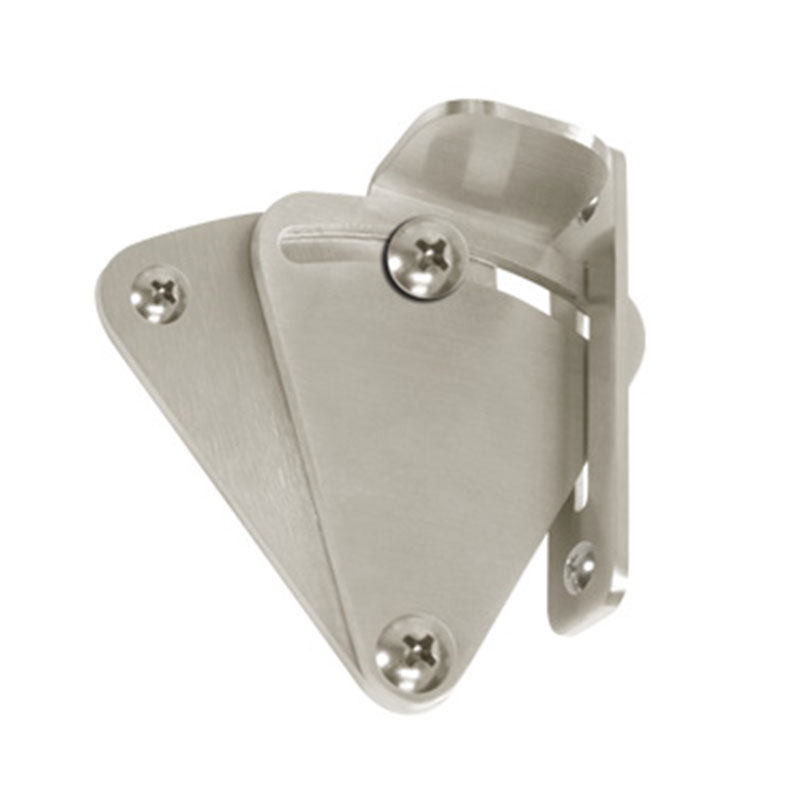
Tear drop latchManual engagementDoor or jamb mounting position.
Self-latching lockCatches during closingCompatible wood panel and bore preparation.
Exterior security requirementDifferent specificationUse an appropriate exterior lock system.

Match the Lock to the Panel

Rustica’s self-latching lock is intended for interior residential light-duty use. Its listing requires a wood door that can receive a bore hole and excludes doors thicker than two inches. Check the current instructions before drilling; a decorative metal or glass panel cannot simply be substituted.

The tear drop latch uses a different attachment arrangement. Inspect the distance between the panel and jamb, and make sure the latch can engage without pulling the door sideways off its intended path.

Plan Privacy from Both Sides

Consider who closes the door, who needs to release it and how the mechanism will be reached. The self-latching model can be locked and unlocked from either side. Review that operation against the room’s privacy needs before selecting it.

A latch does not close the normal perimeter gaps around a wall-mounted sliding door. If your concern is sound or a direct sightline, evaluate the complete door layout as well as its lock. The barn door collection explains the broader panel choices.

Coordinate the Moving Hardware

Set the final track position, guides and stops before locating the latch. A door that travels beyond its intended closing point can misalign the receiving hardware. Review the latch installation together with the barn door hardware chosen for the opening.

Before You Order

  1. Record the panel details

    Note material, actual thickness and the proposed drilling location.

  2. Check the closed position

    Confirm overlap, stand-off distance and the fixed receiving surface.

  3. Test the complete operation

    Verify travel, latching and release from each required side before putting the room into use.

Get help with your project

Barn Door Locks & Latches: Common Questions

Can I use these locks for exterior security?

The self-latching model is expressly an interior light-duty product, not a security solution. An exterior entry requires hardware specified for that application.

Will the self-latching lock fit every barn door?

No. Its wood-door preparation and thickness restrictions must be met, along with the installation clearances. Check compatibility with the exact panel and hardware configuration.