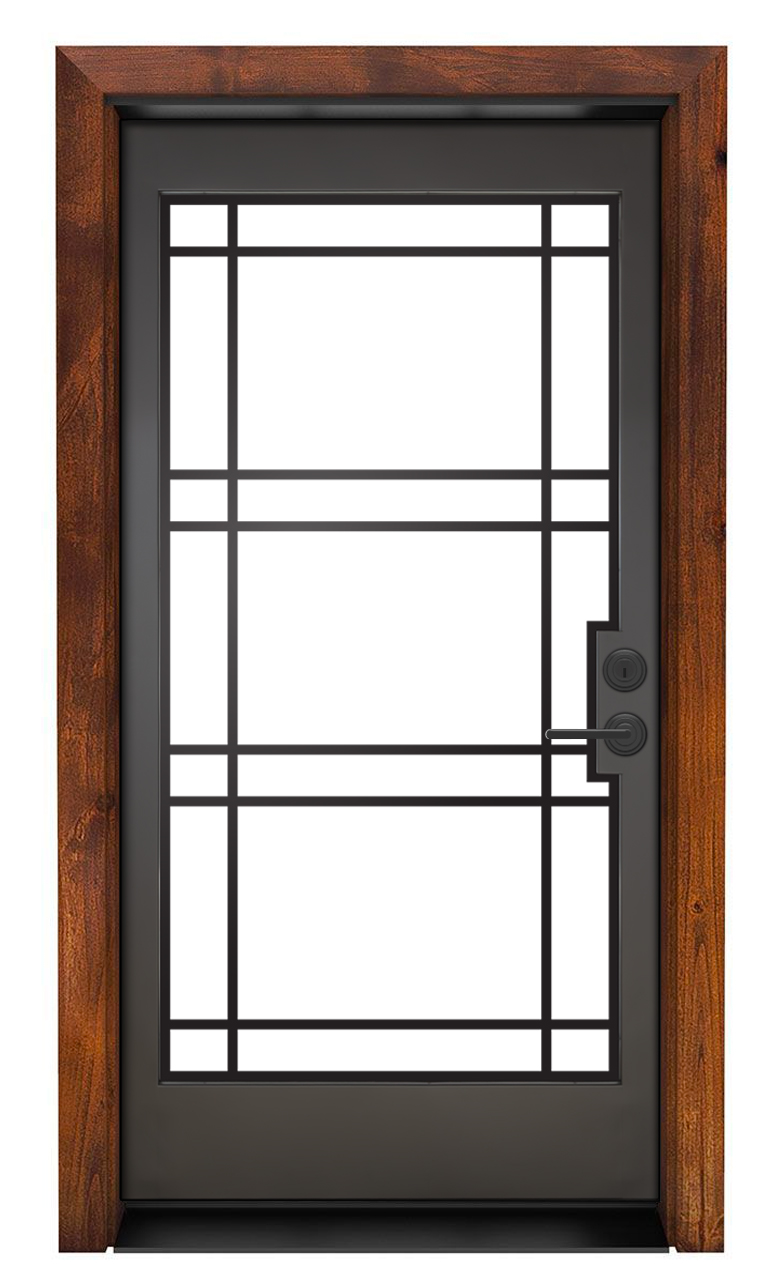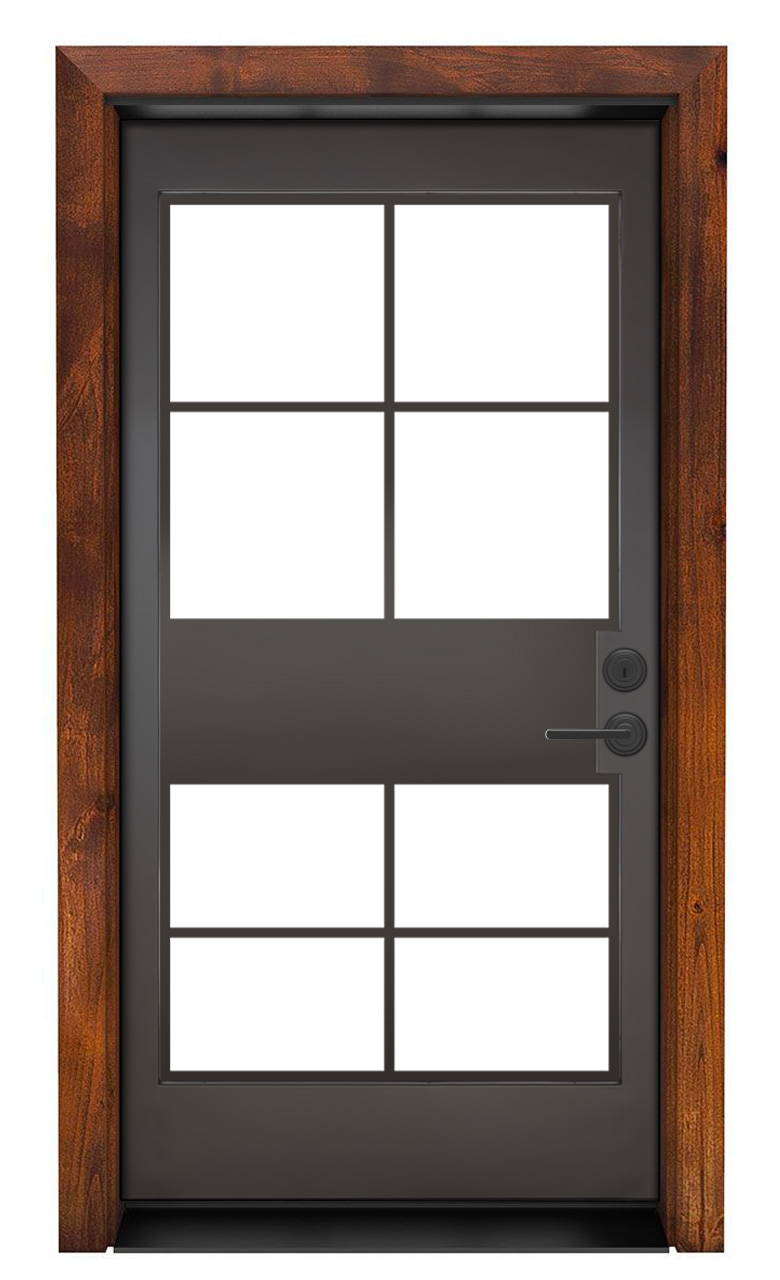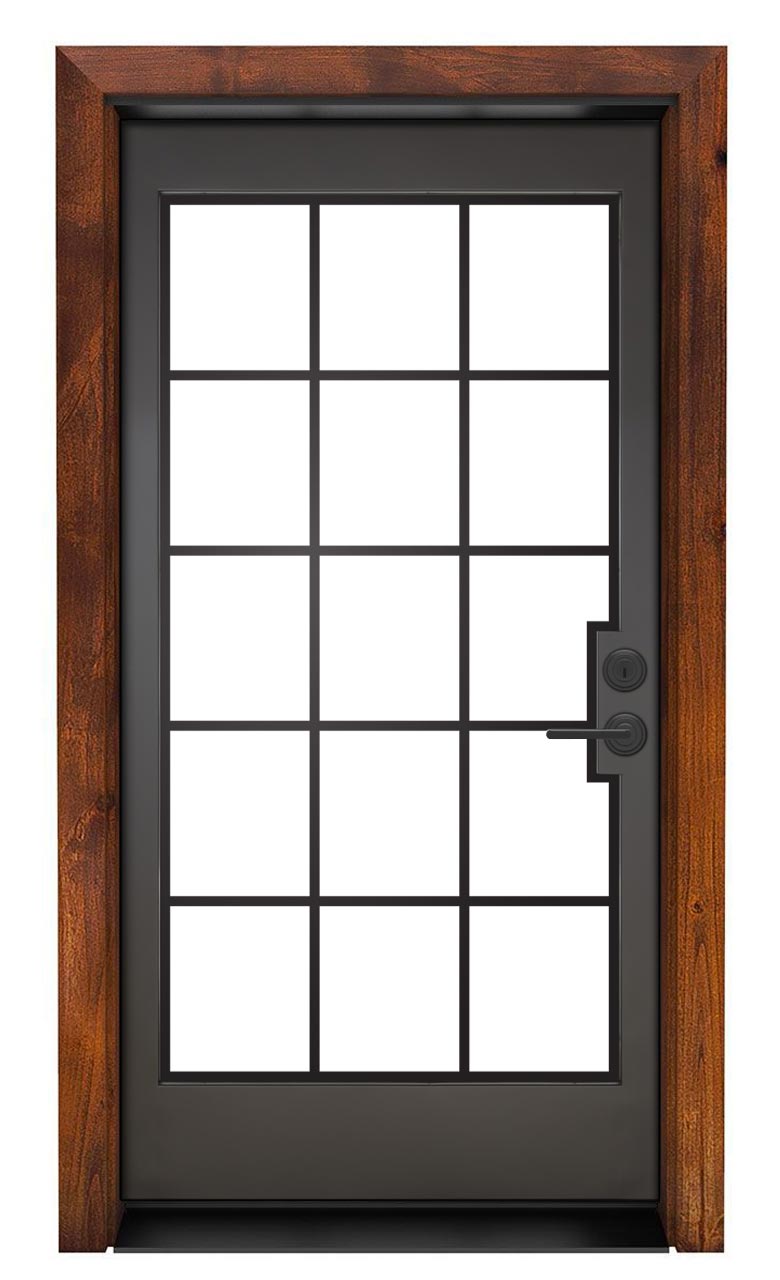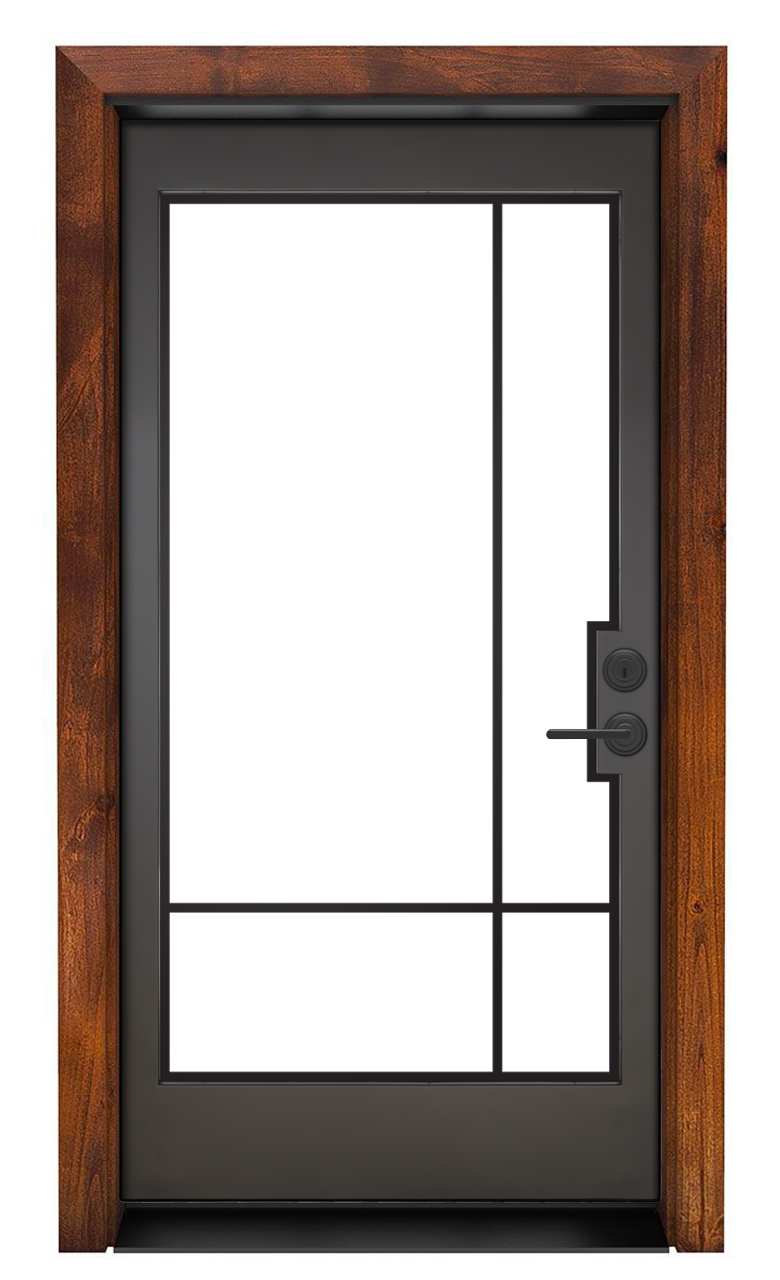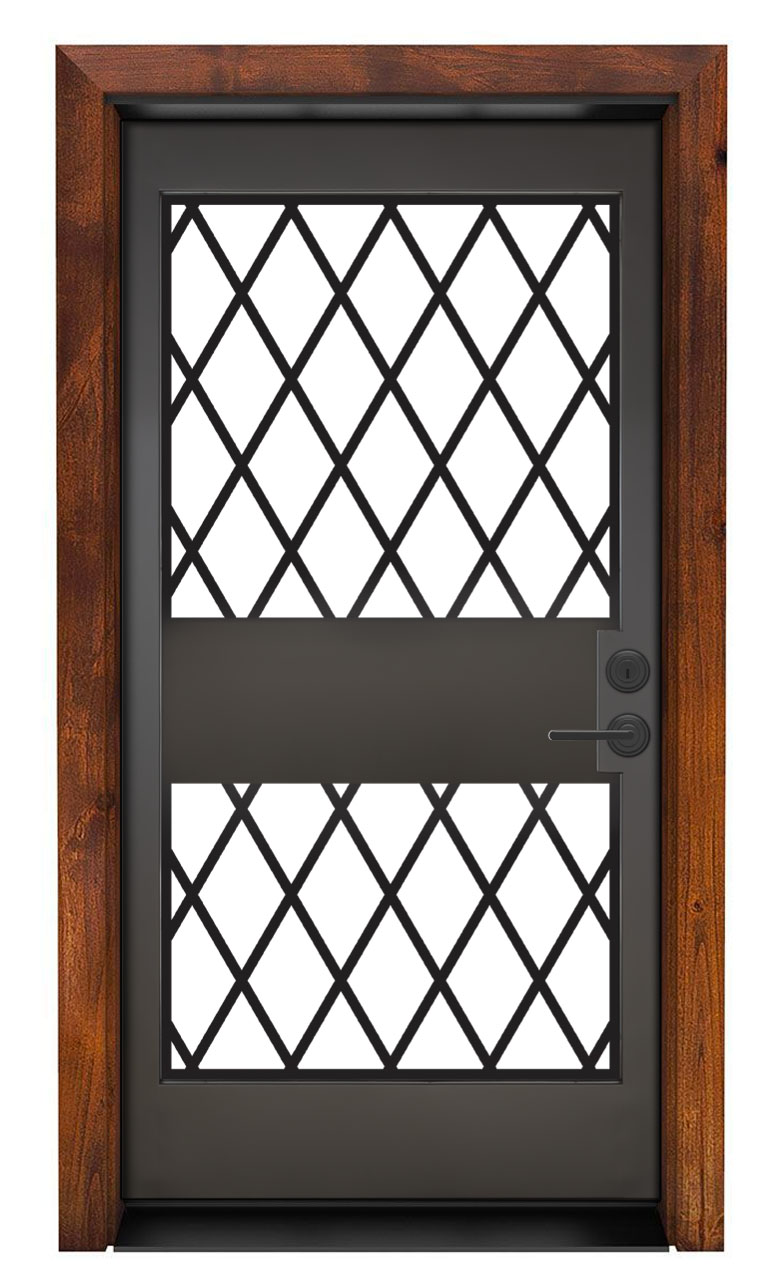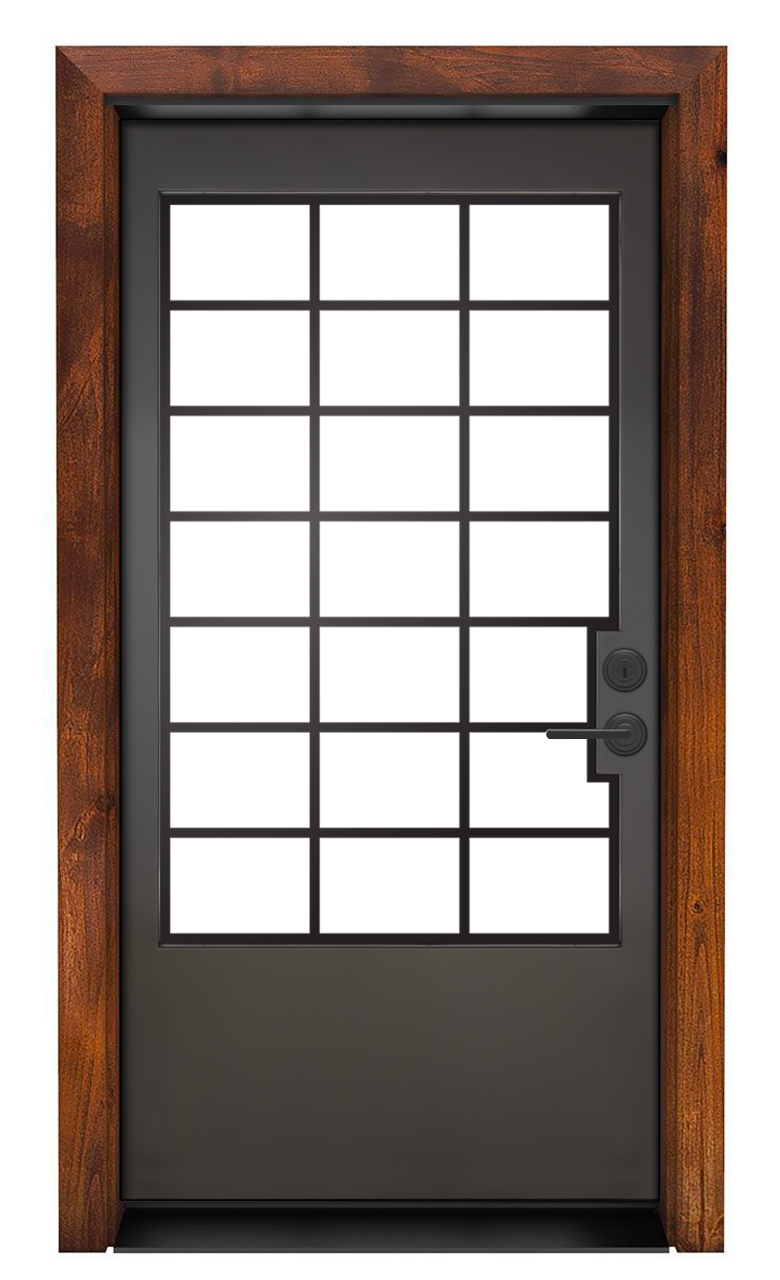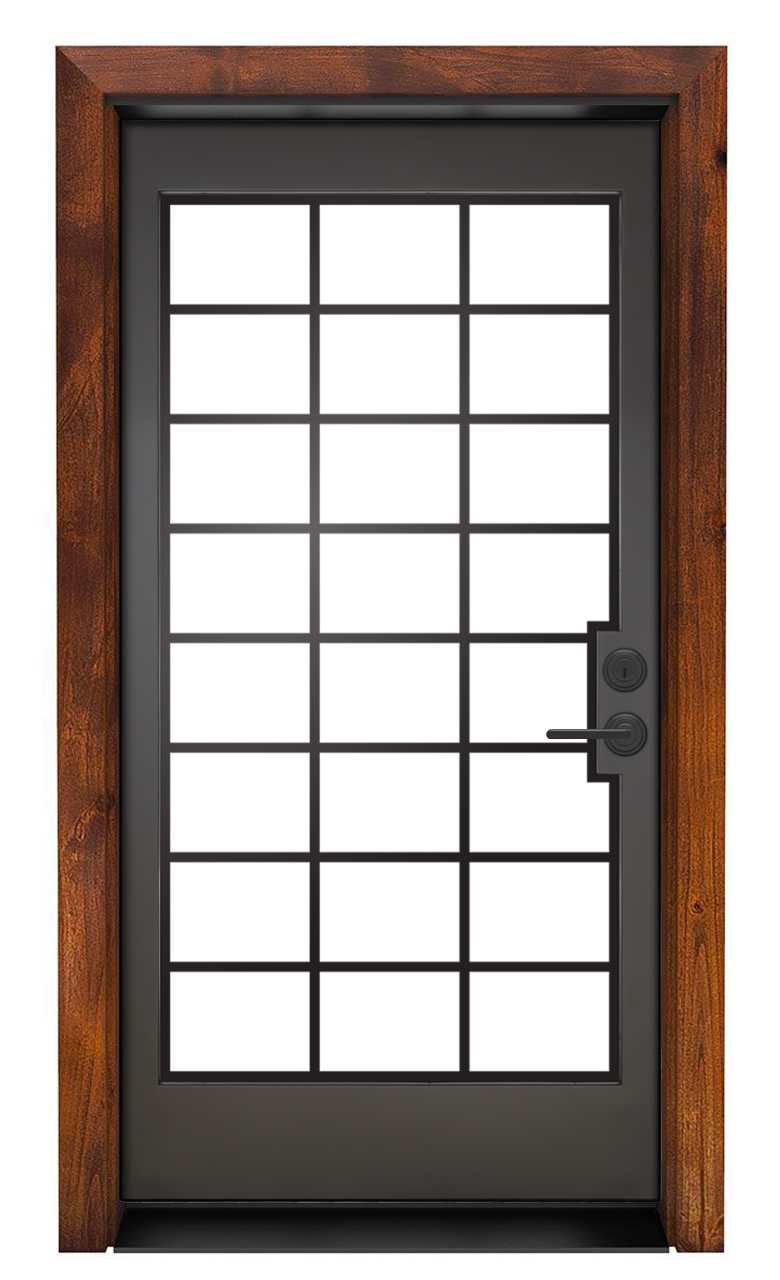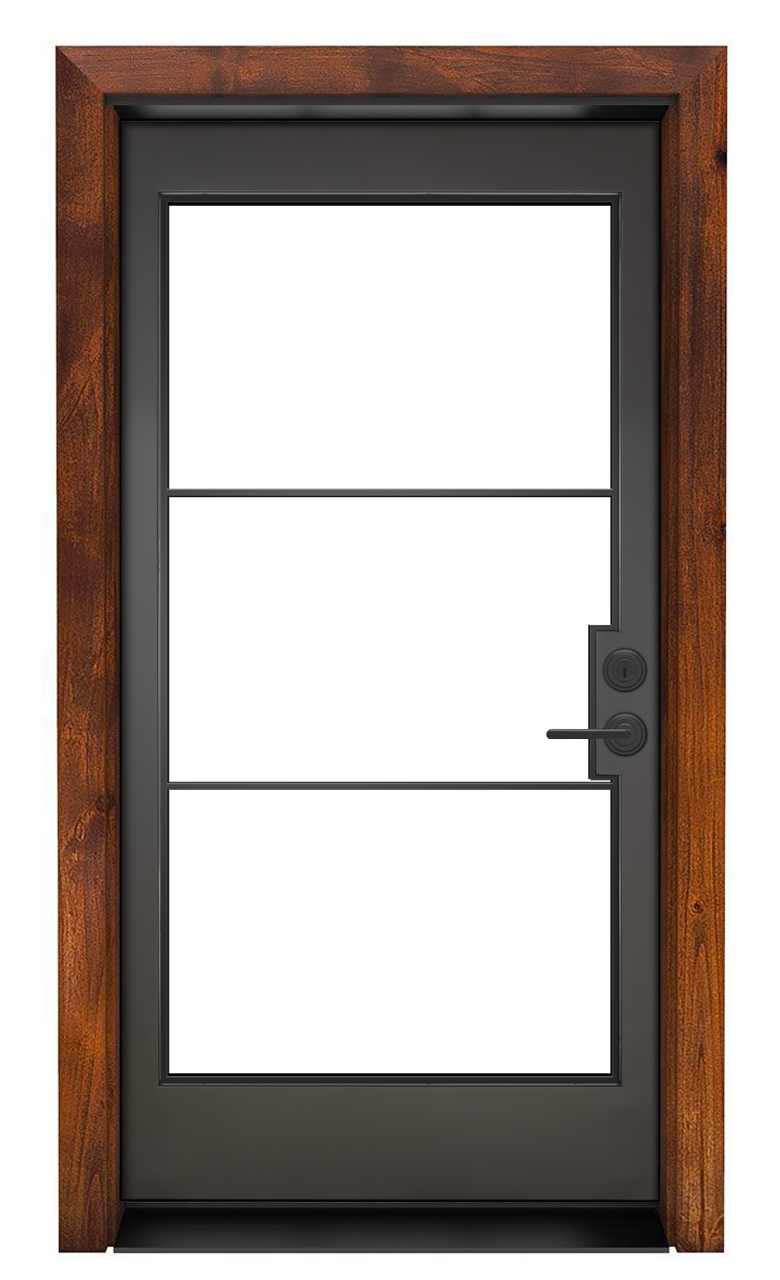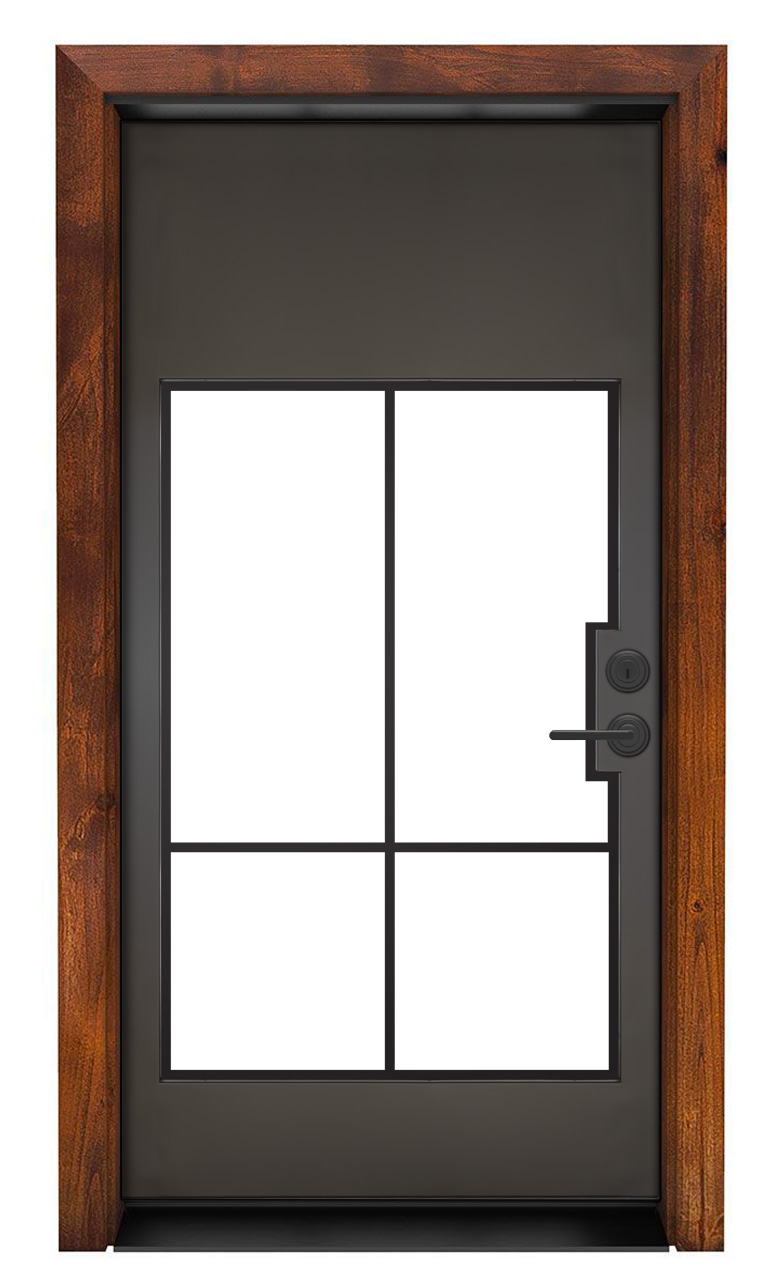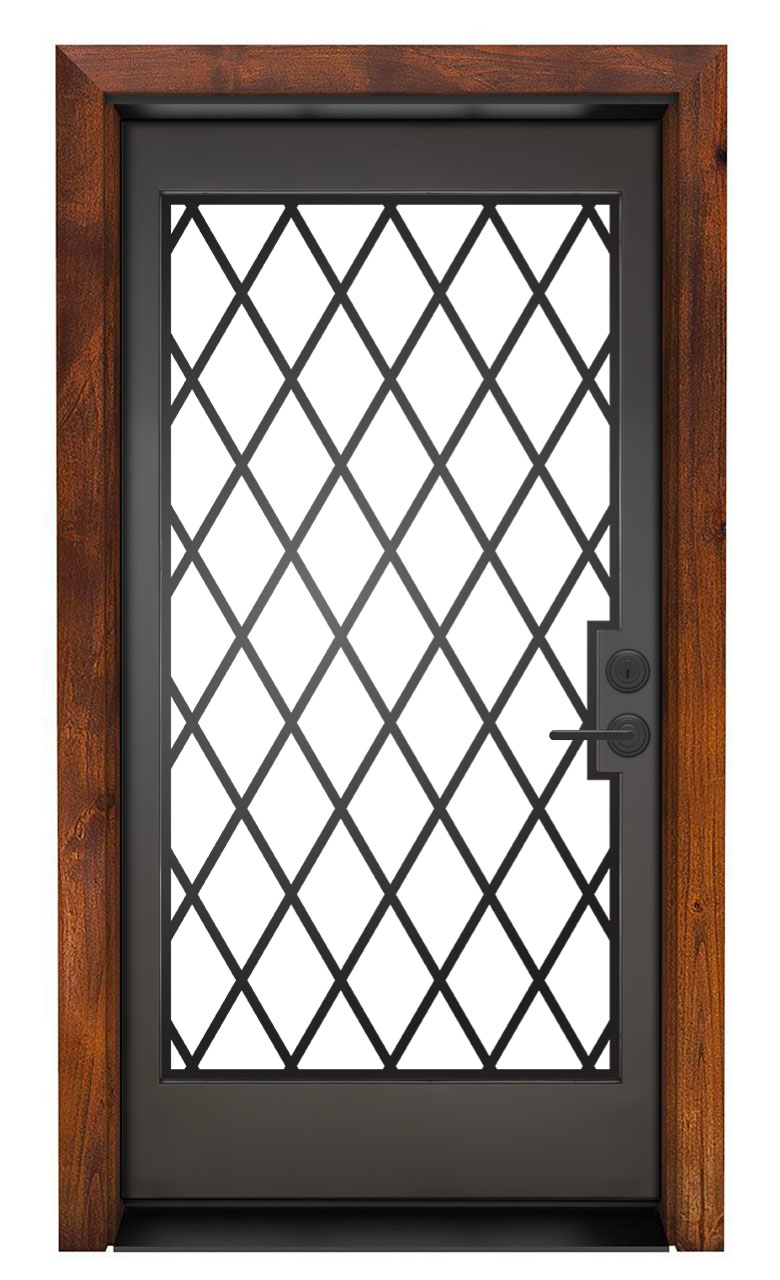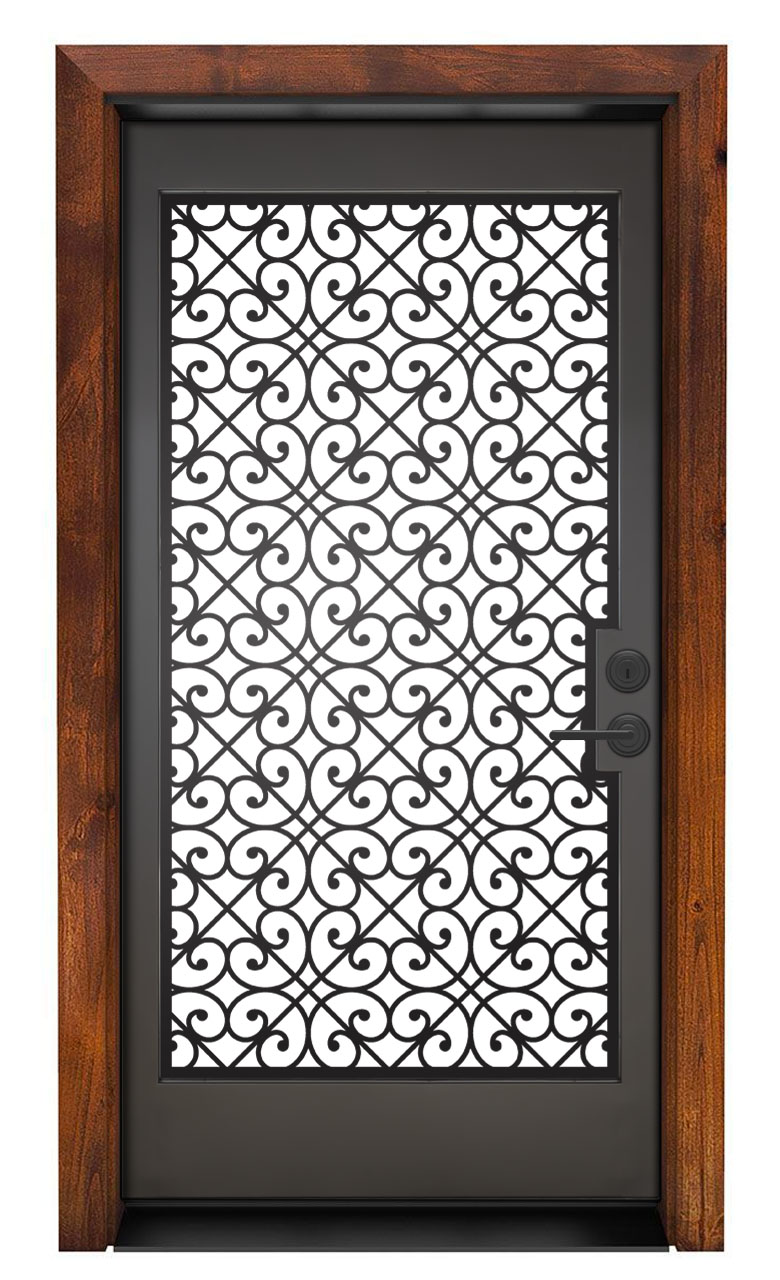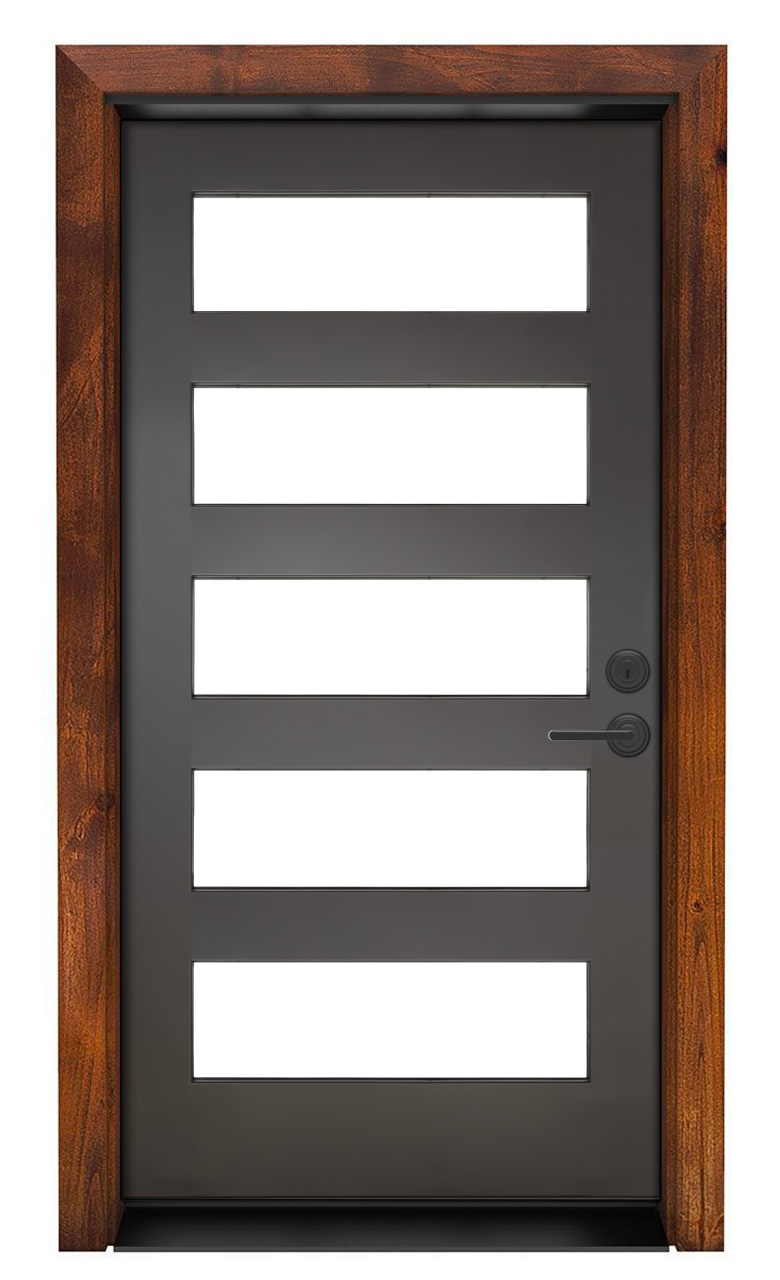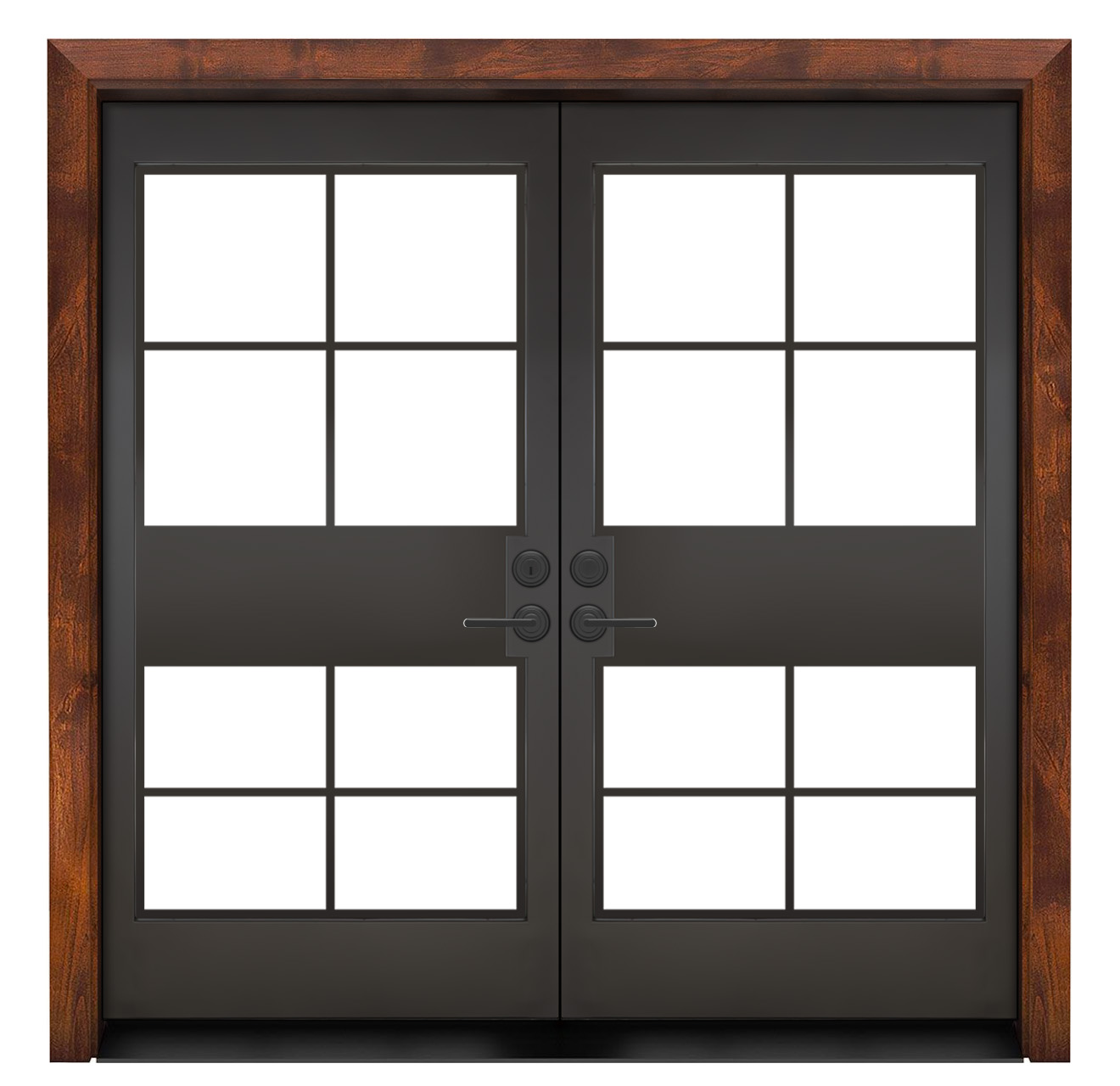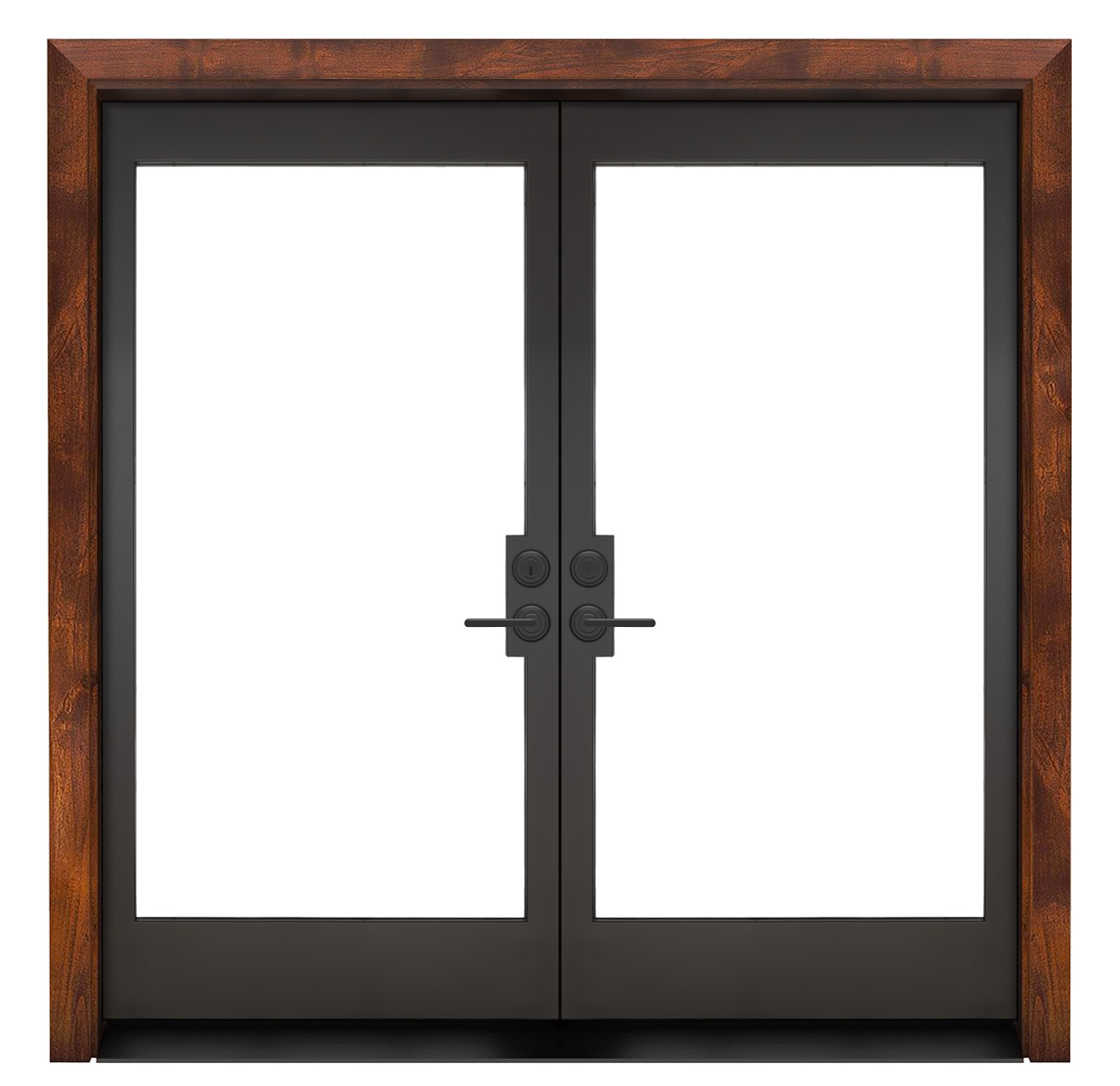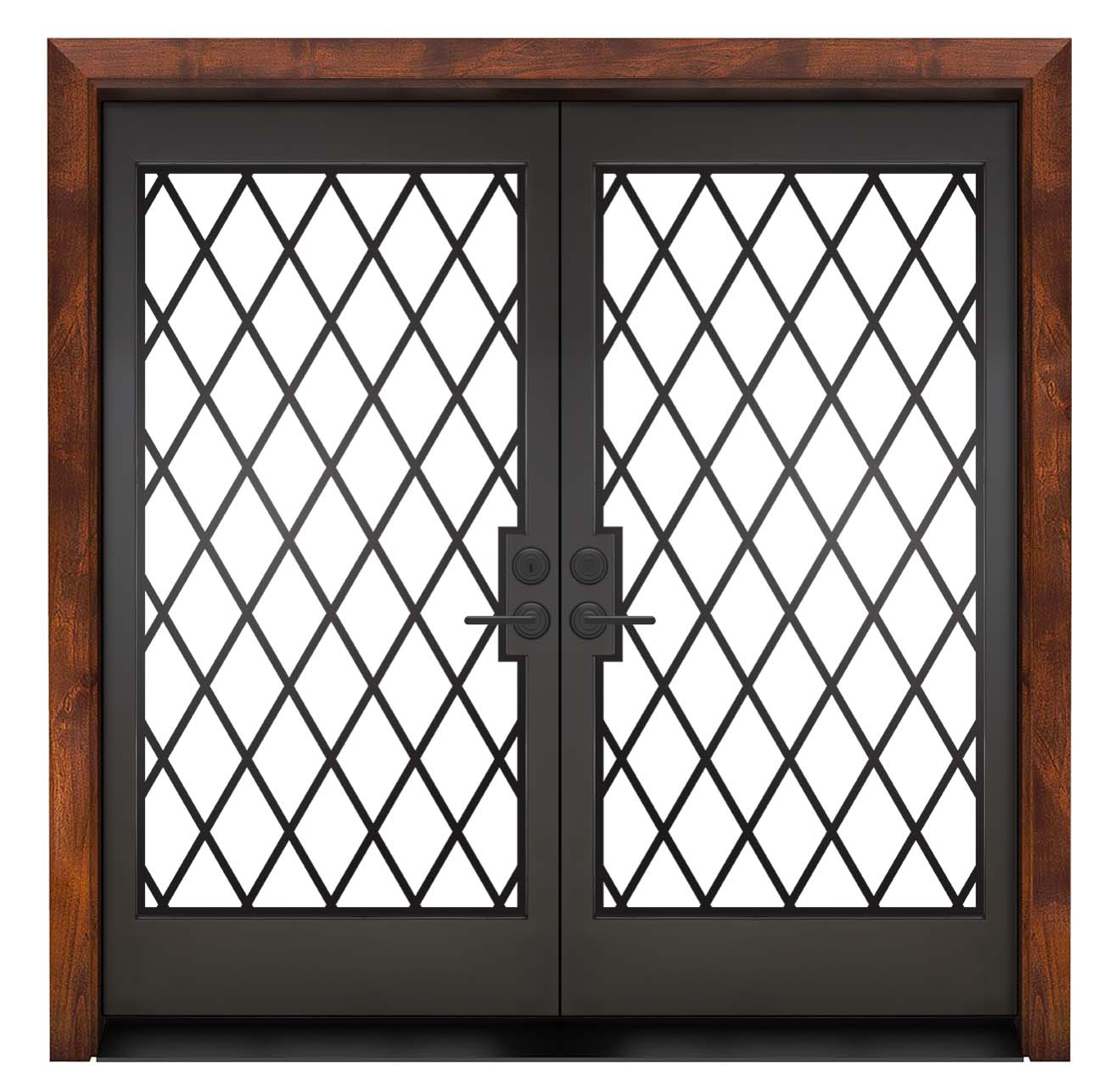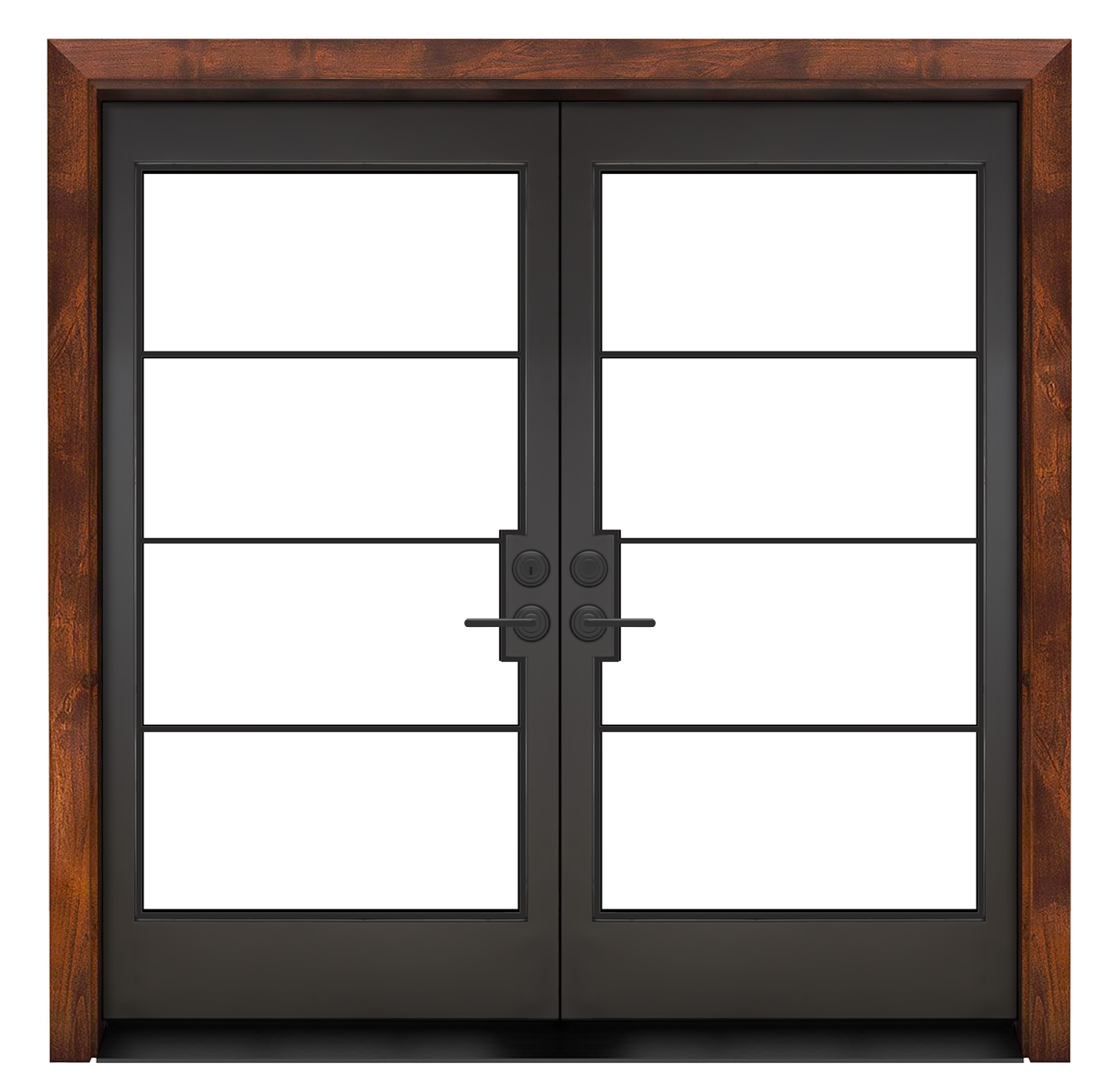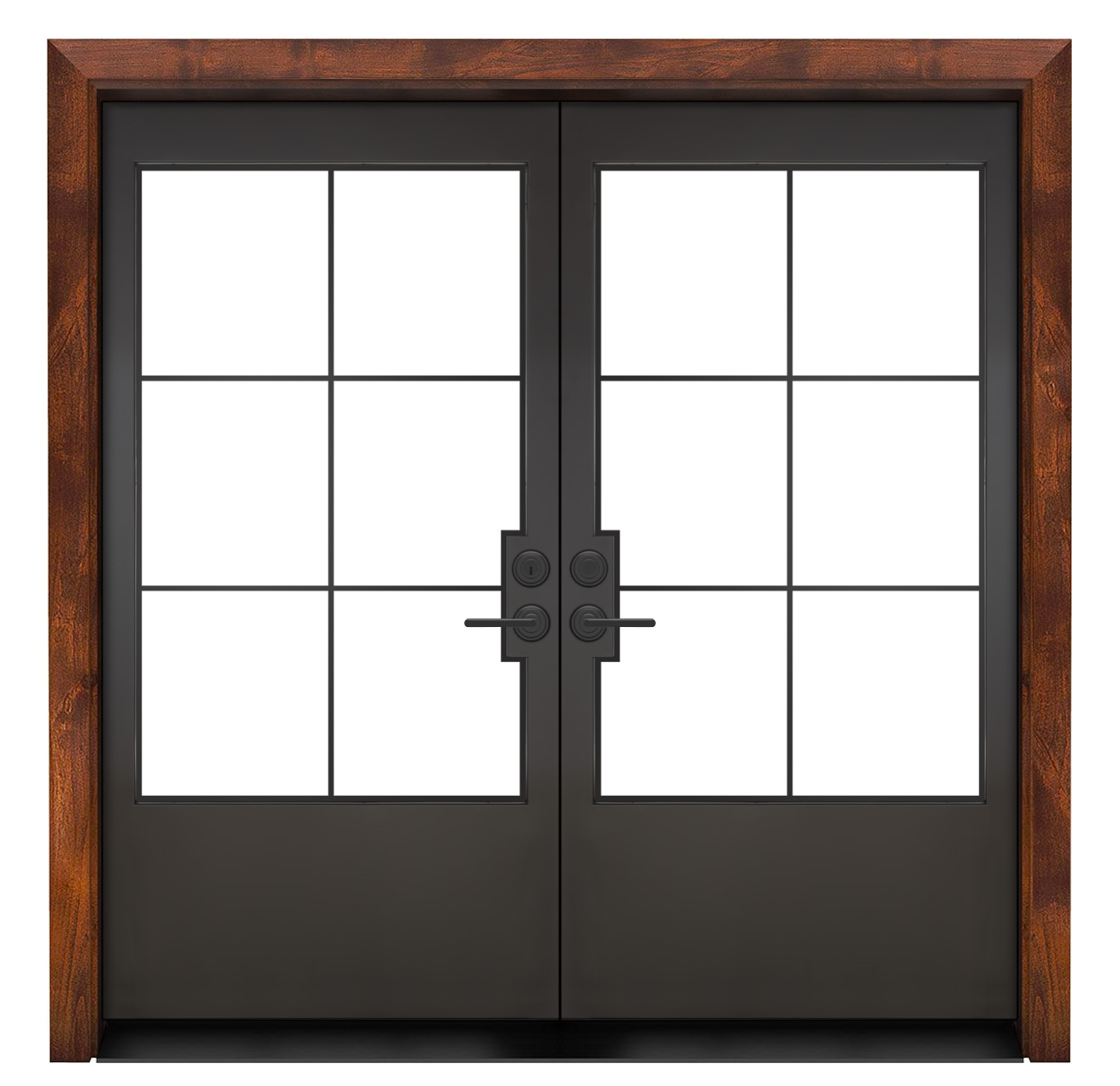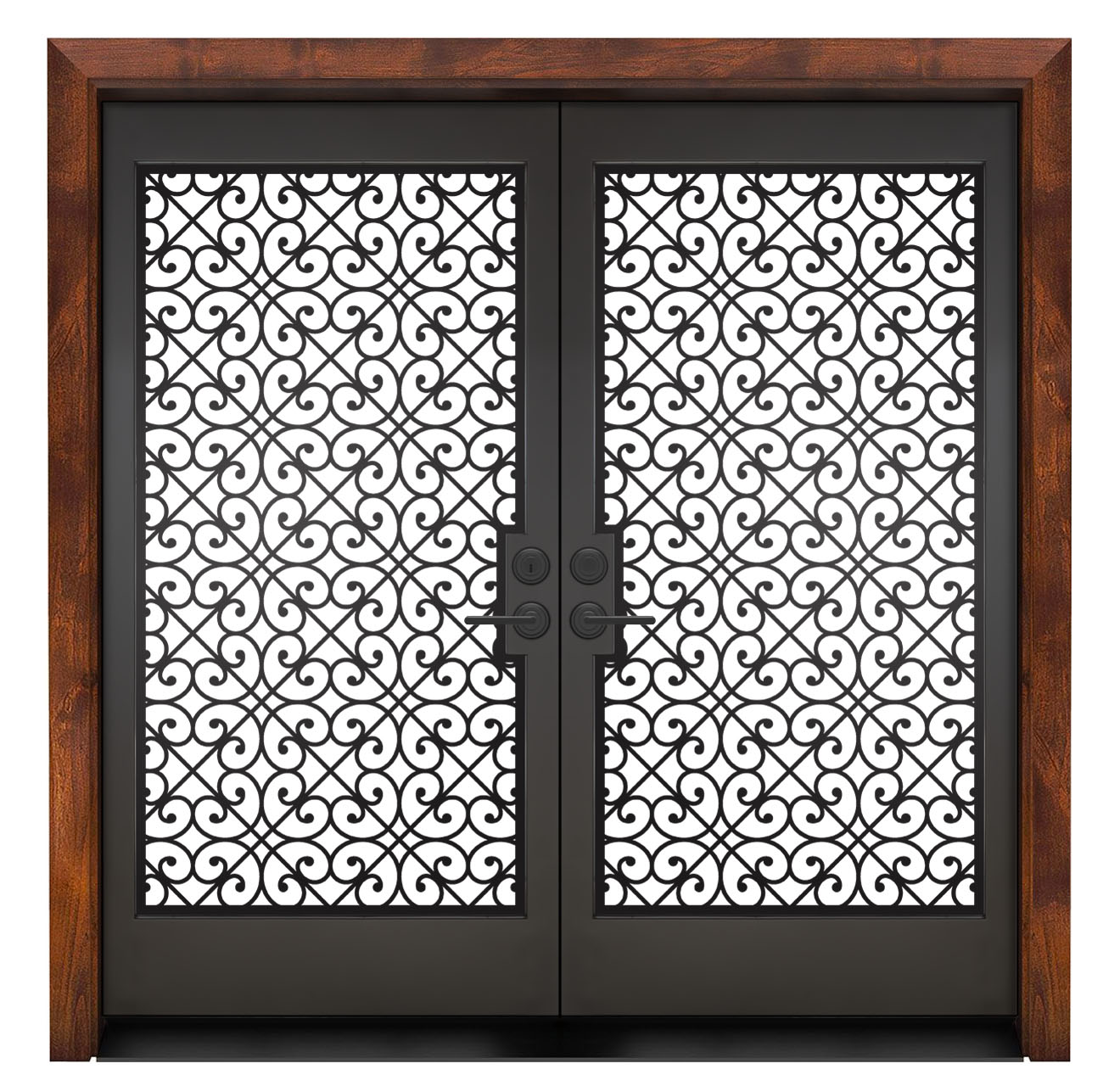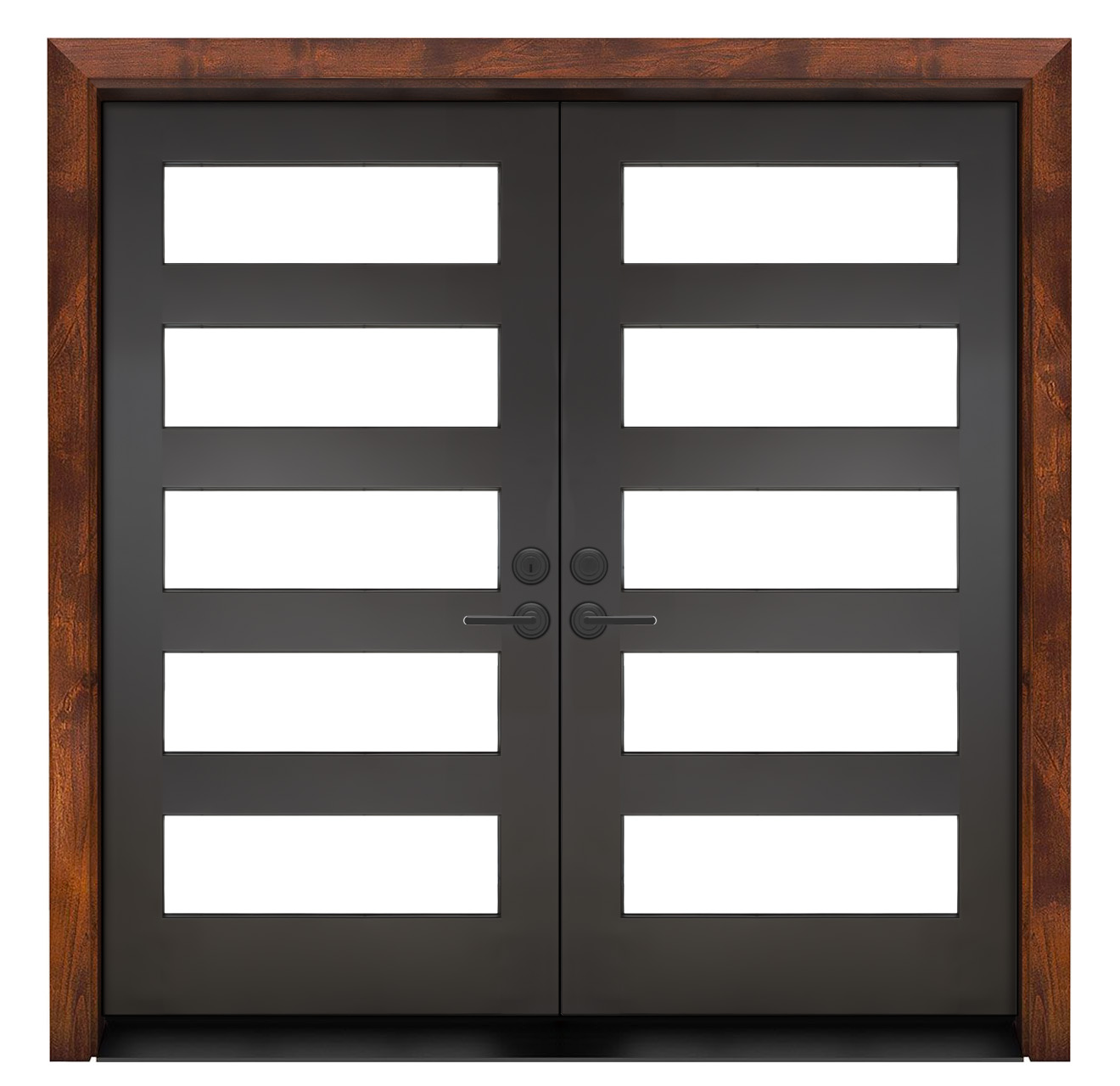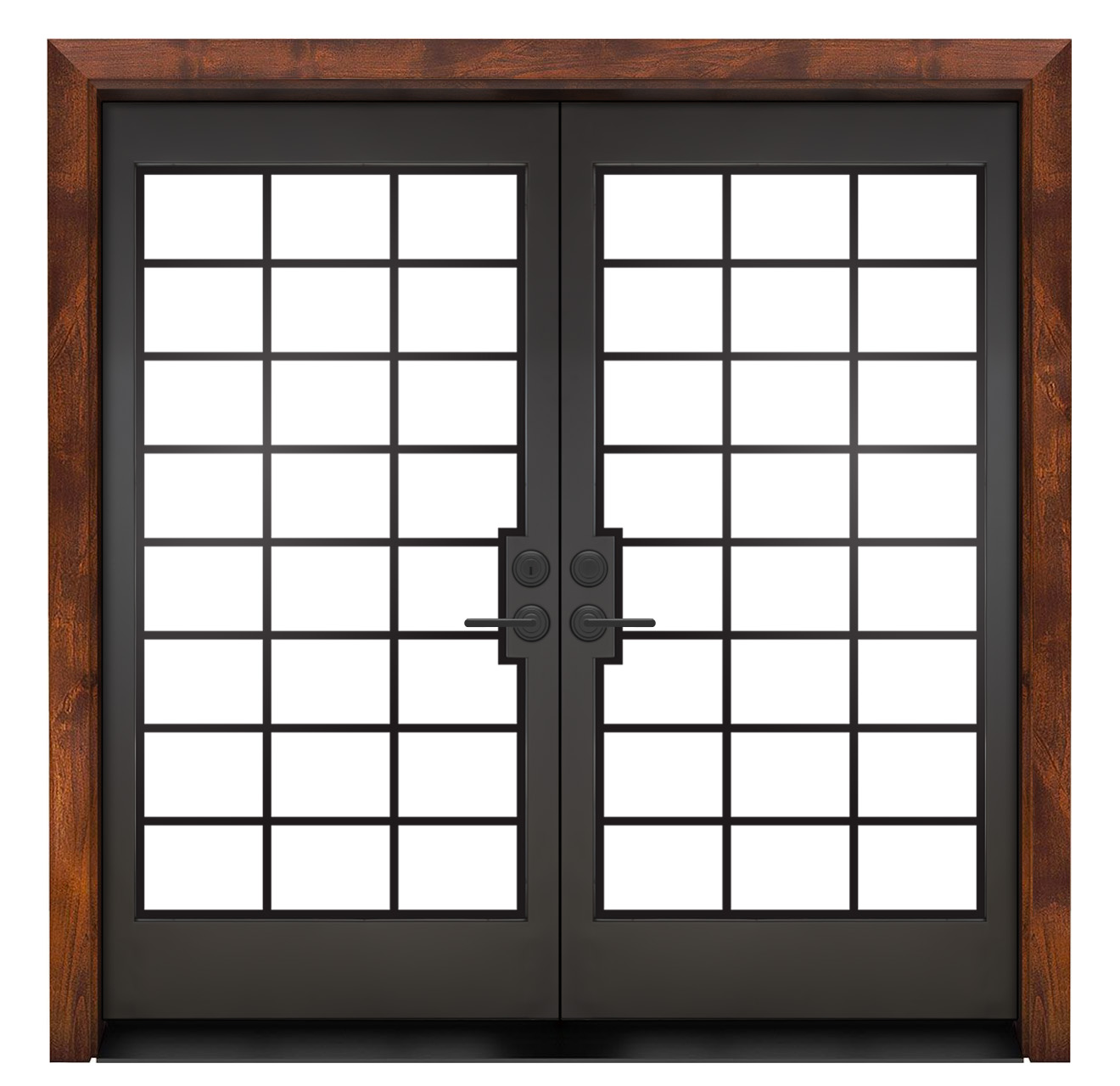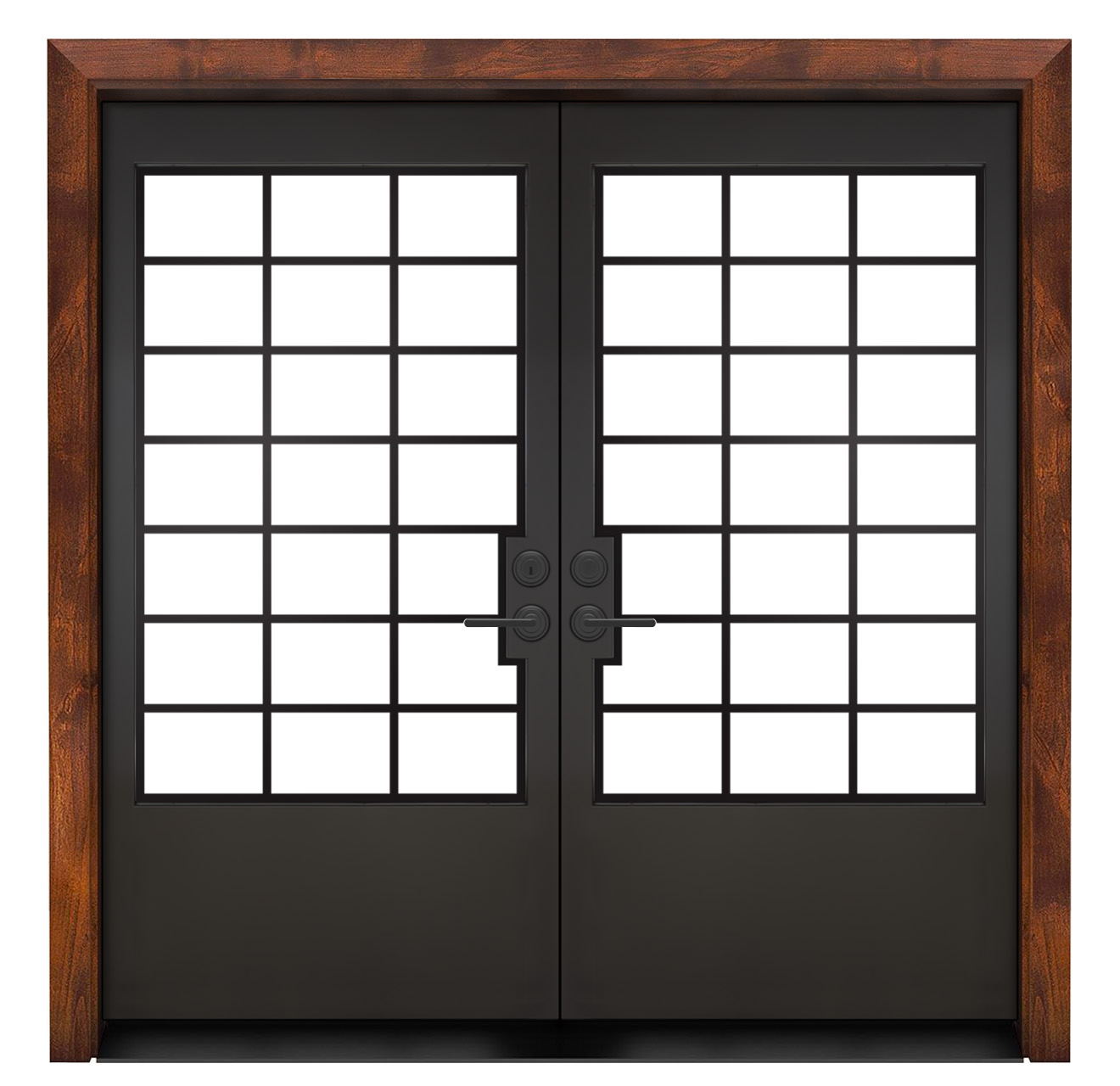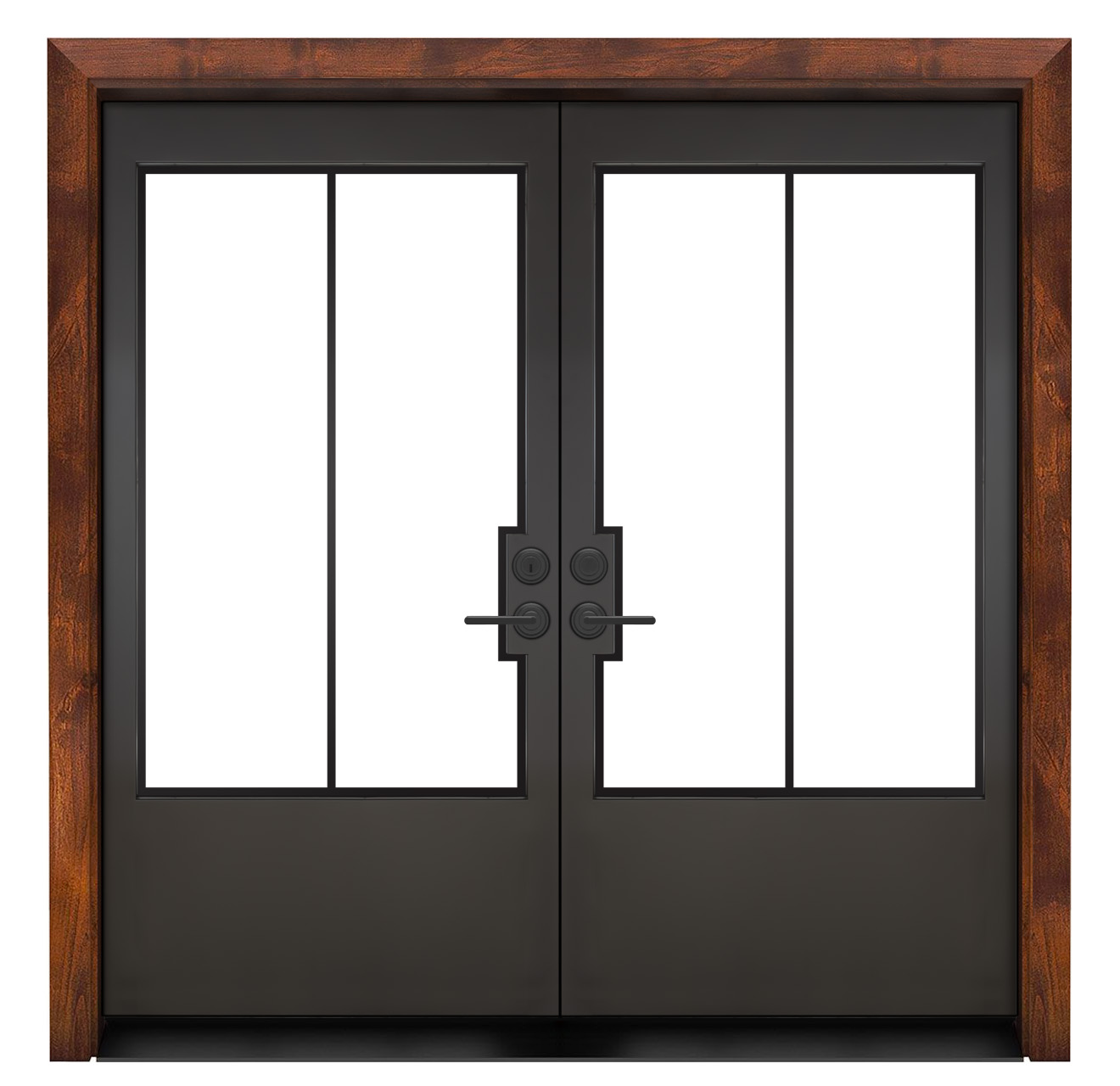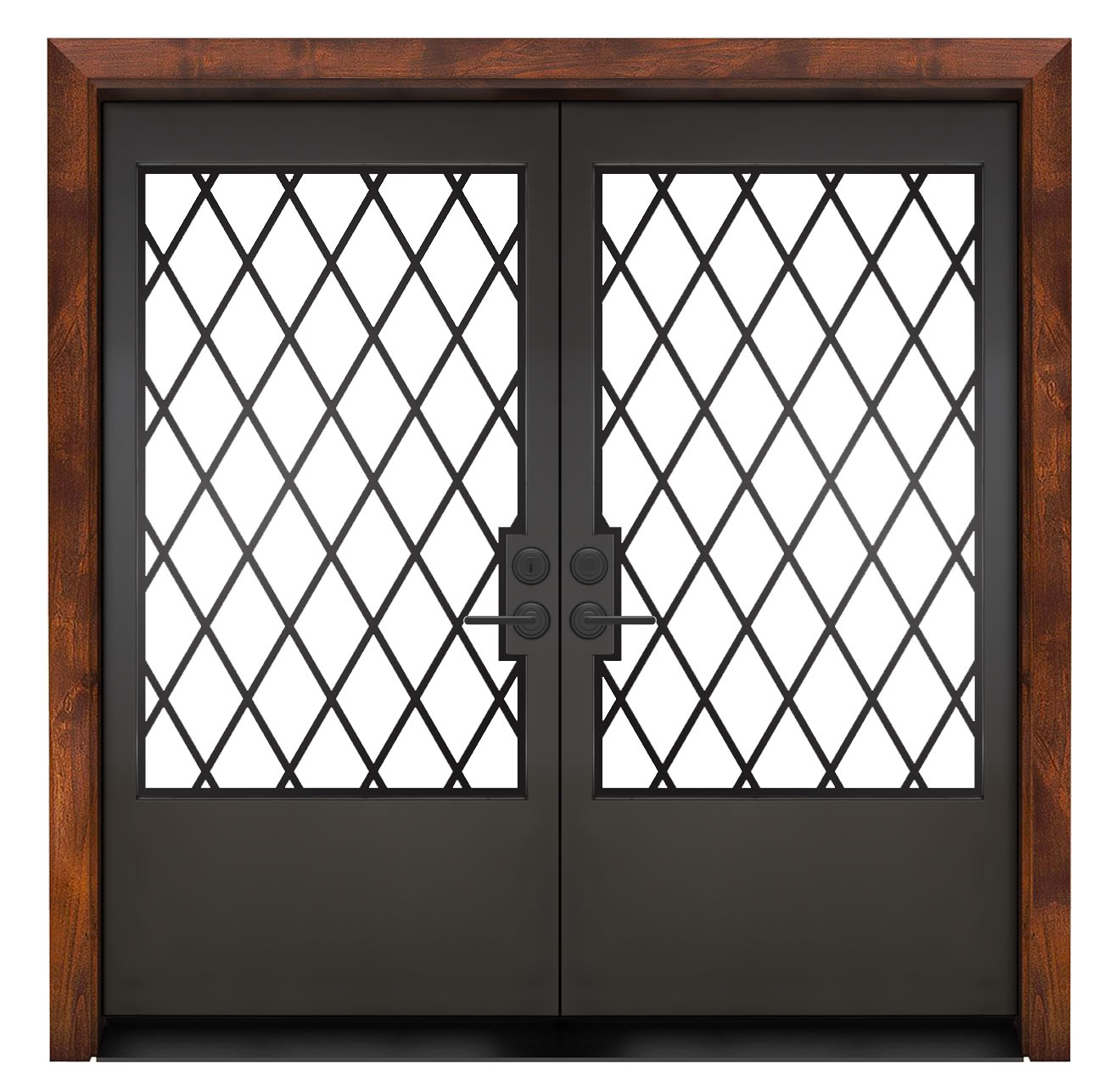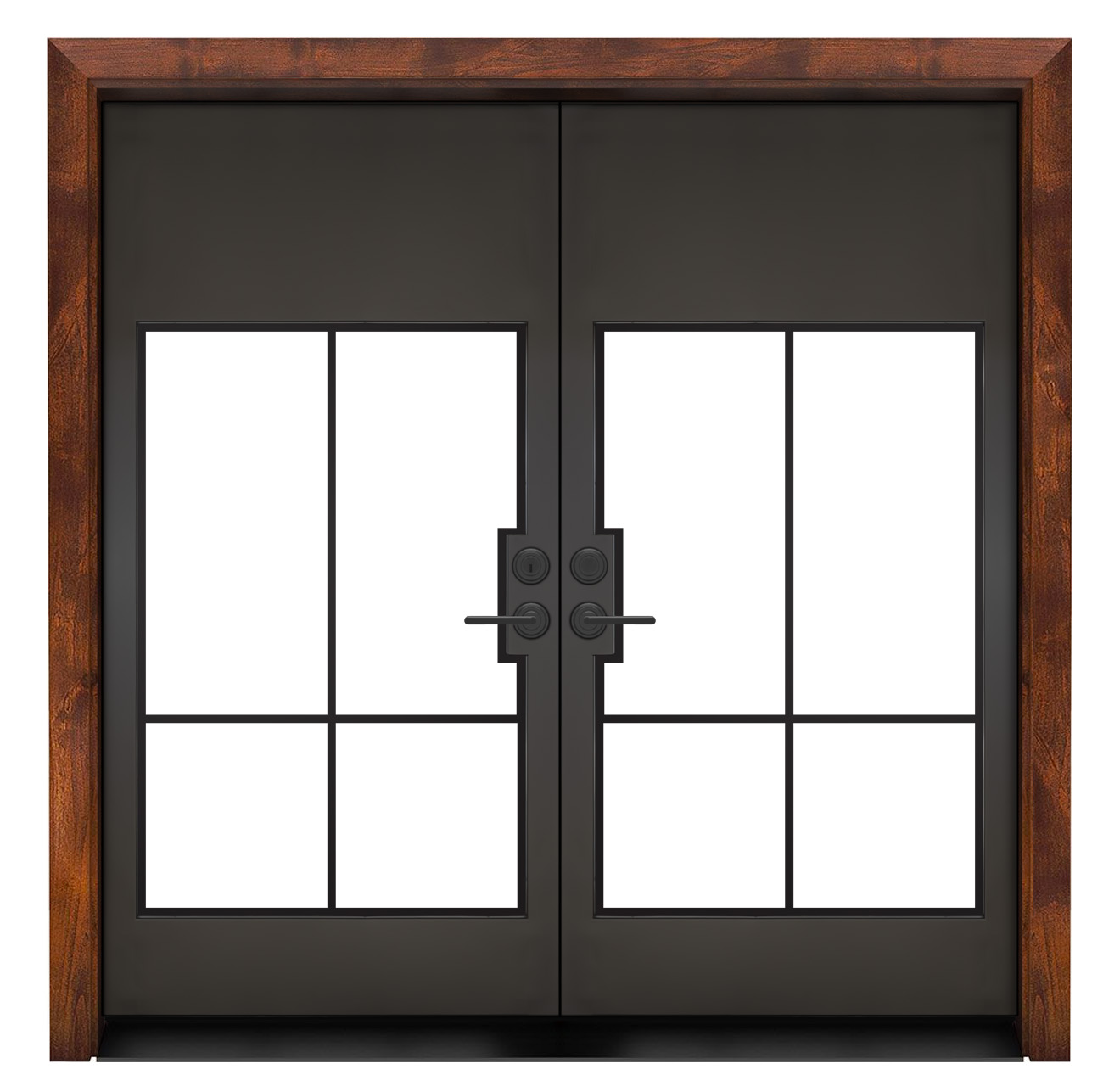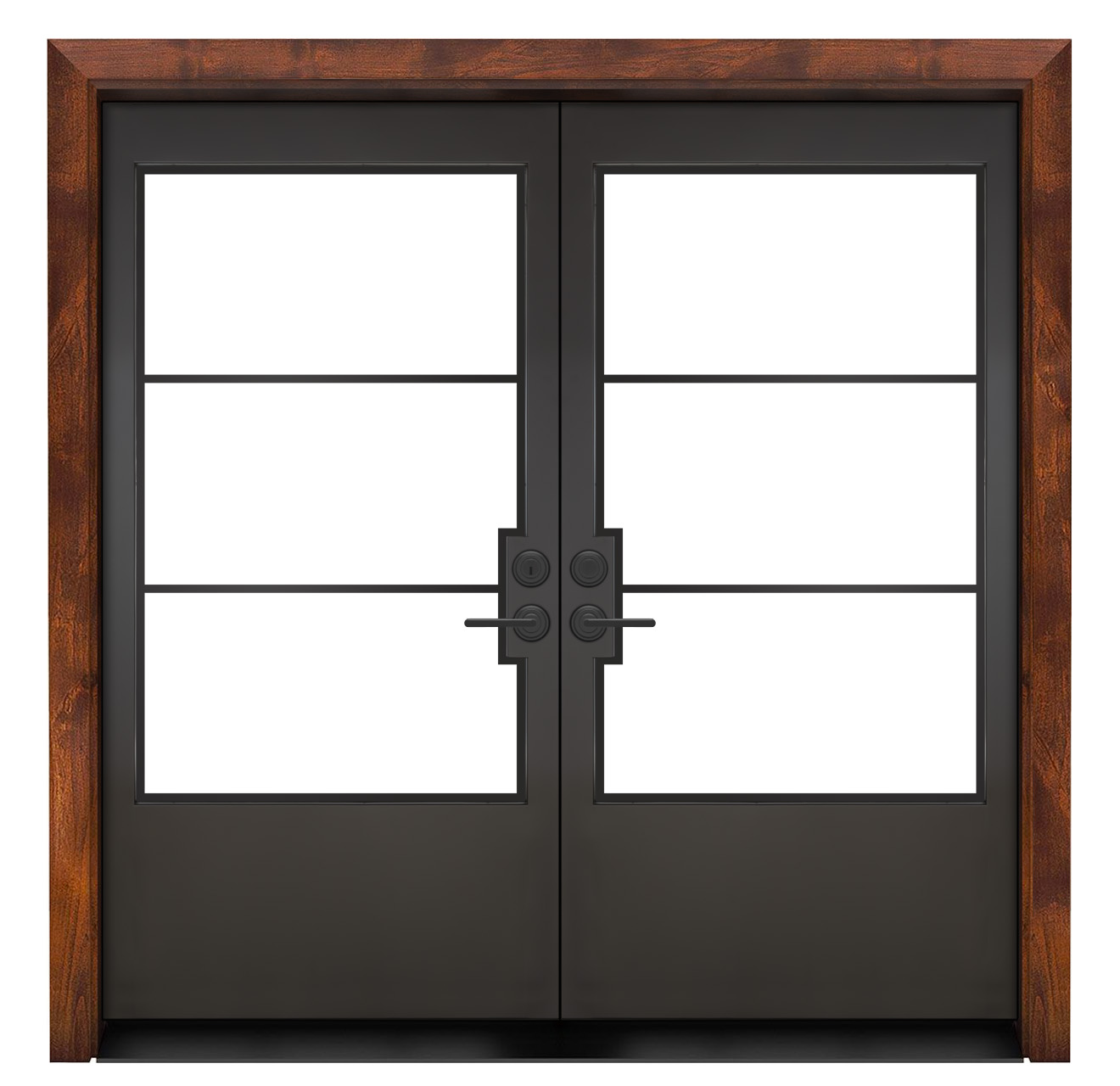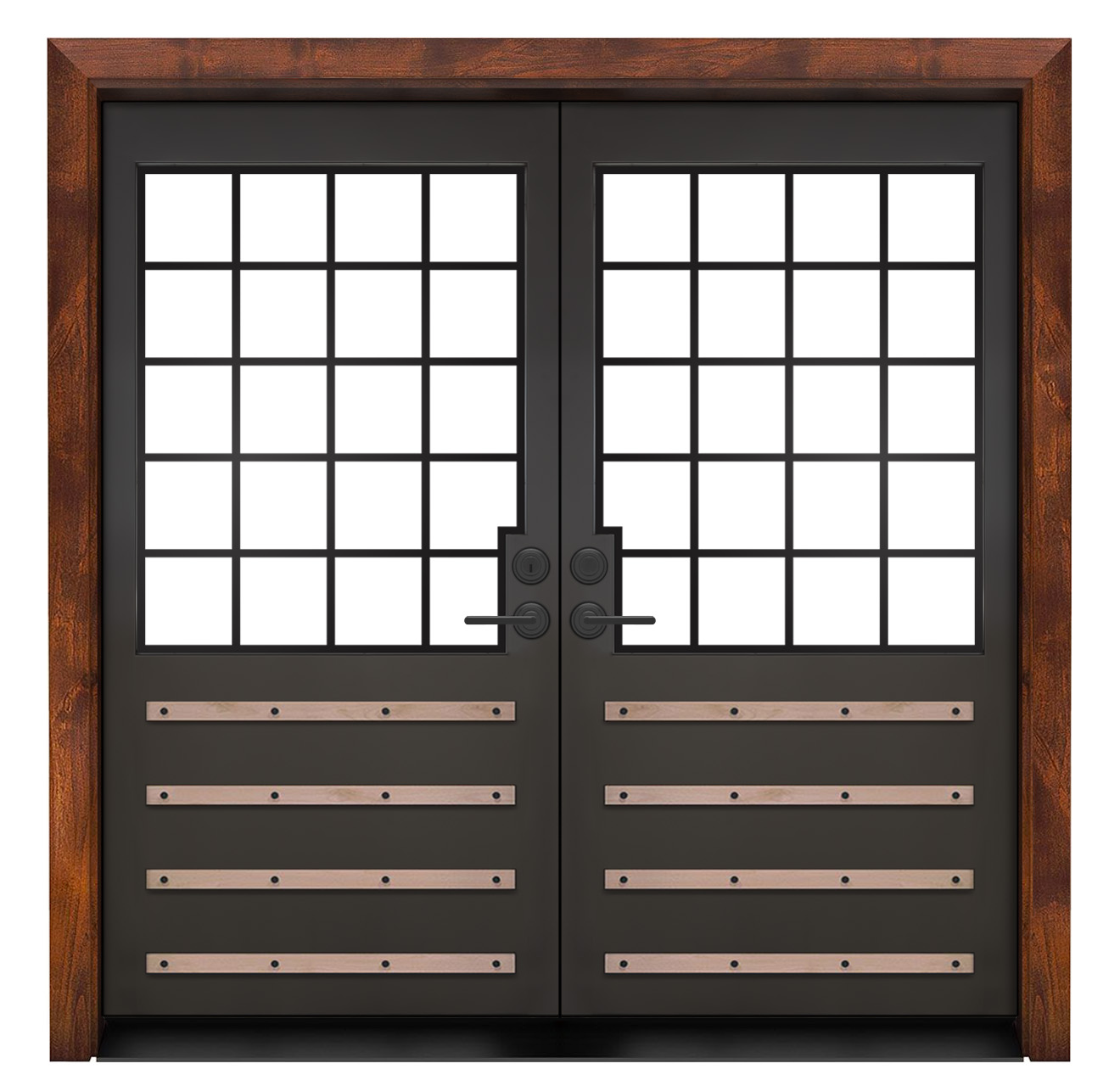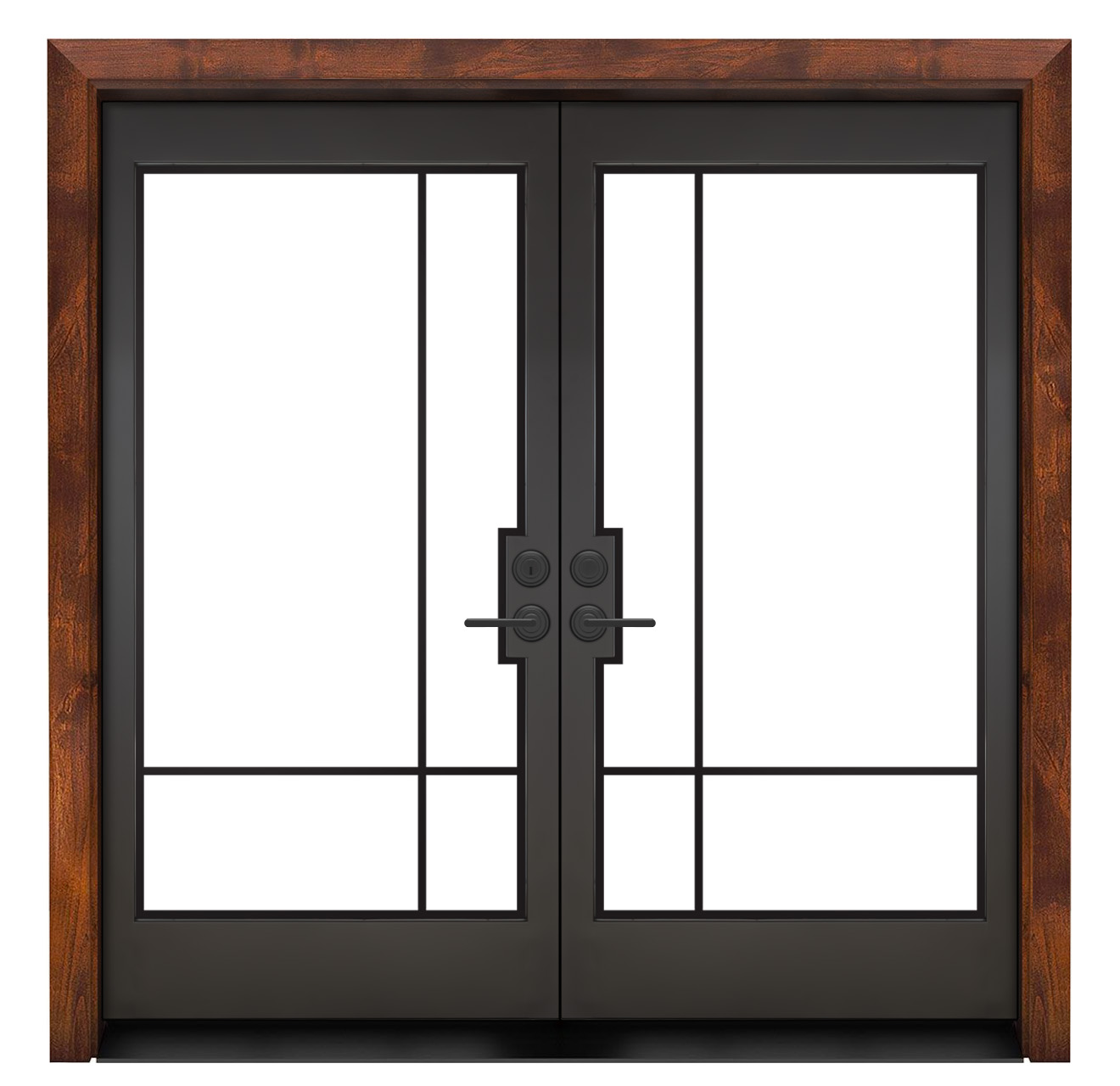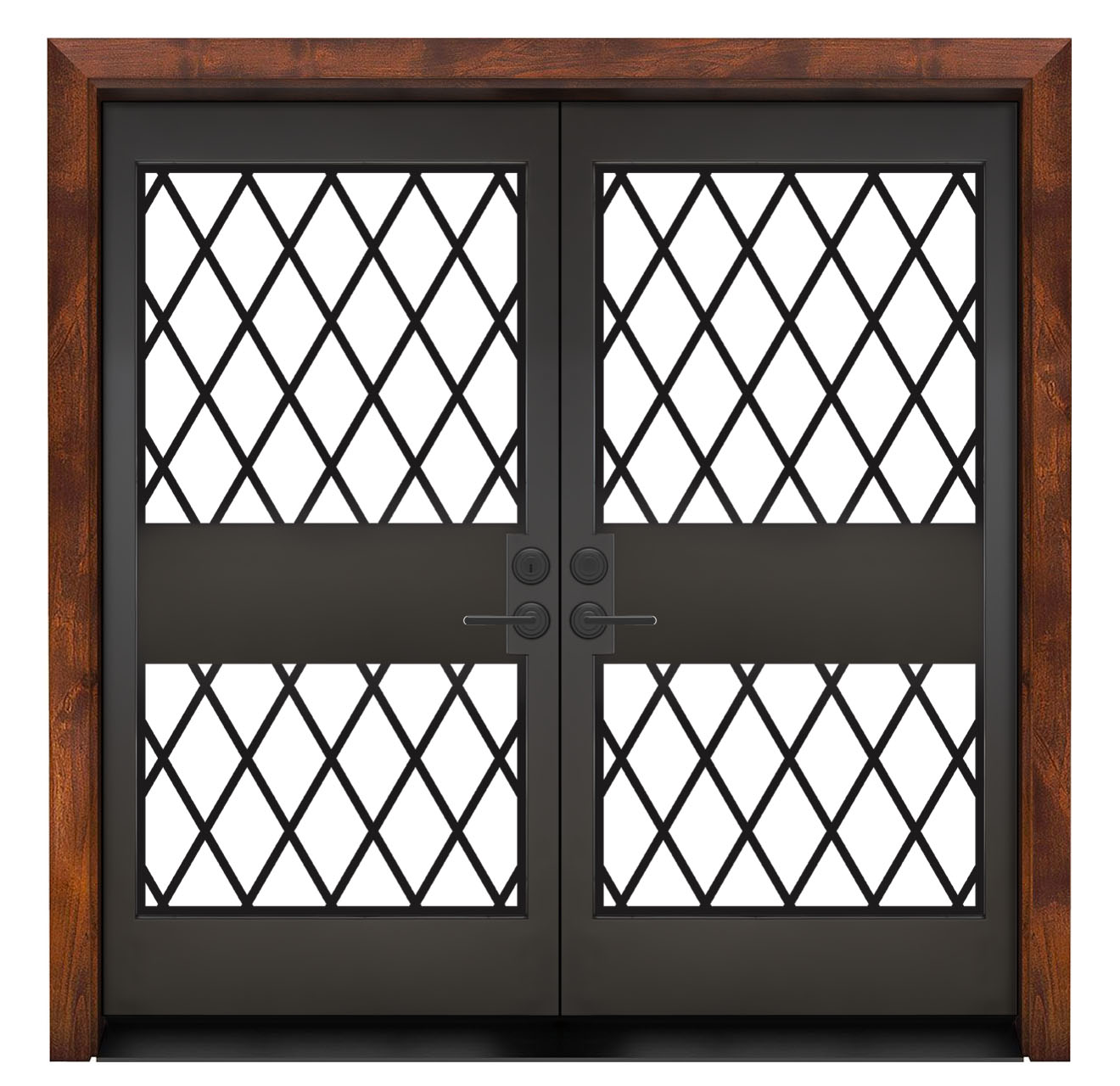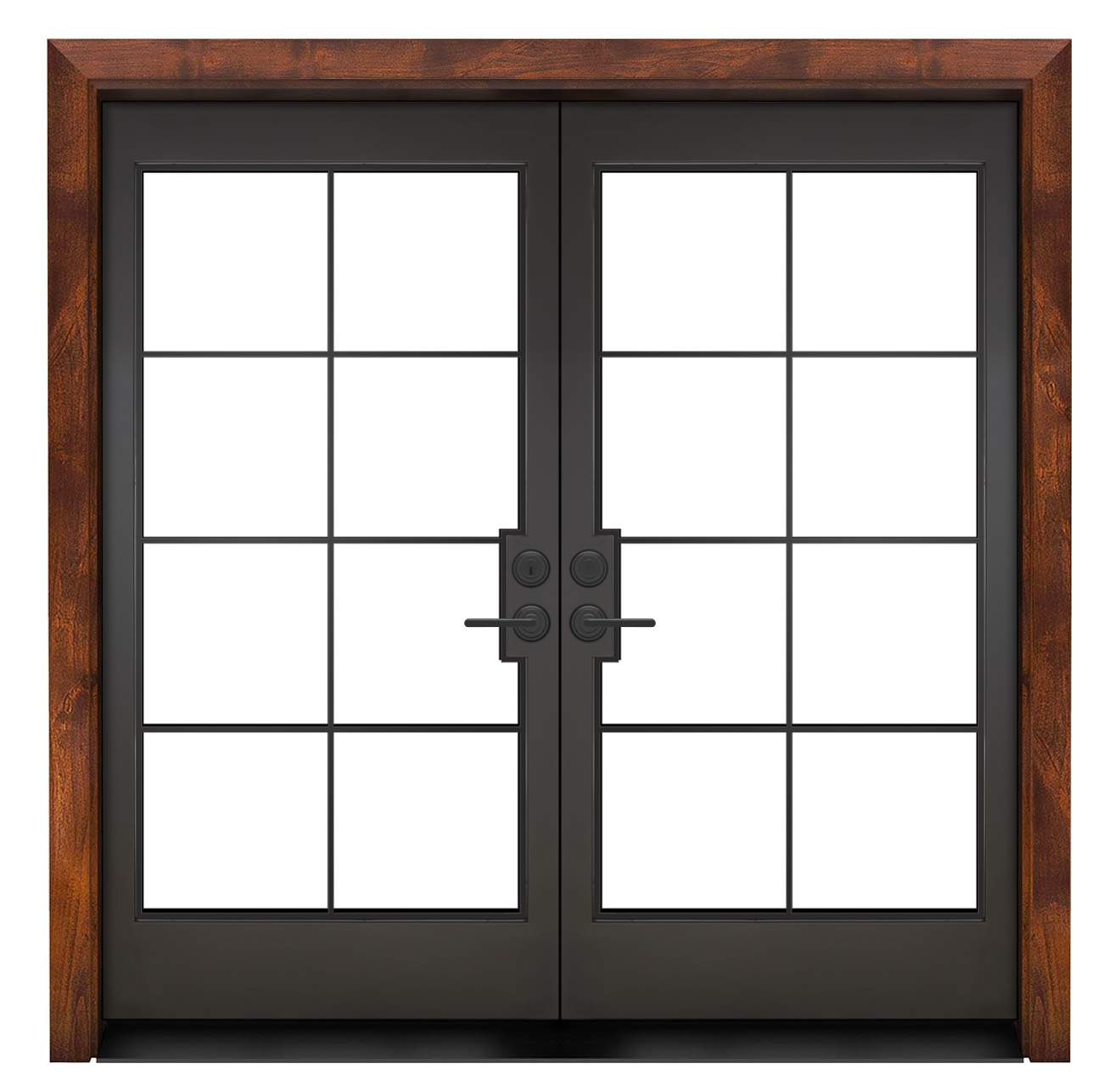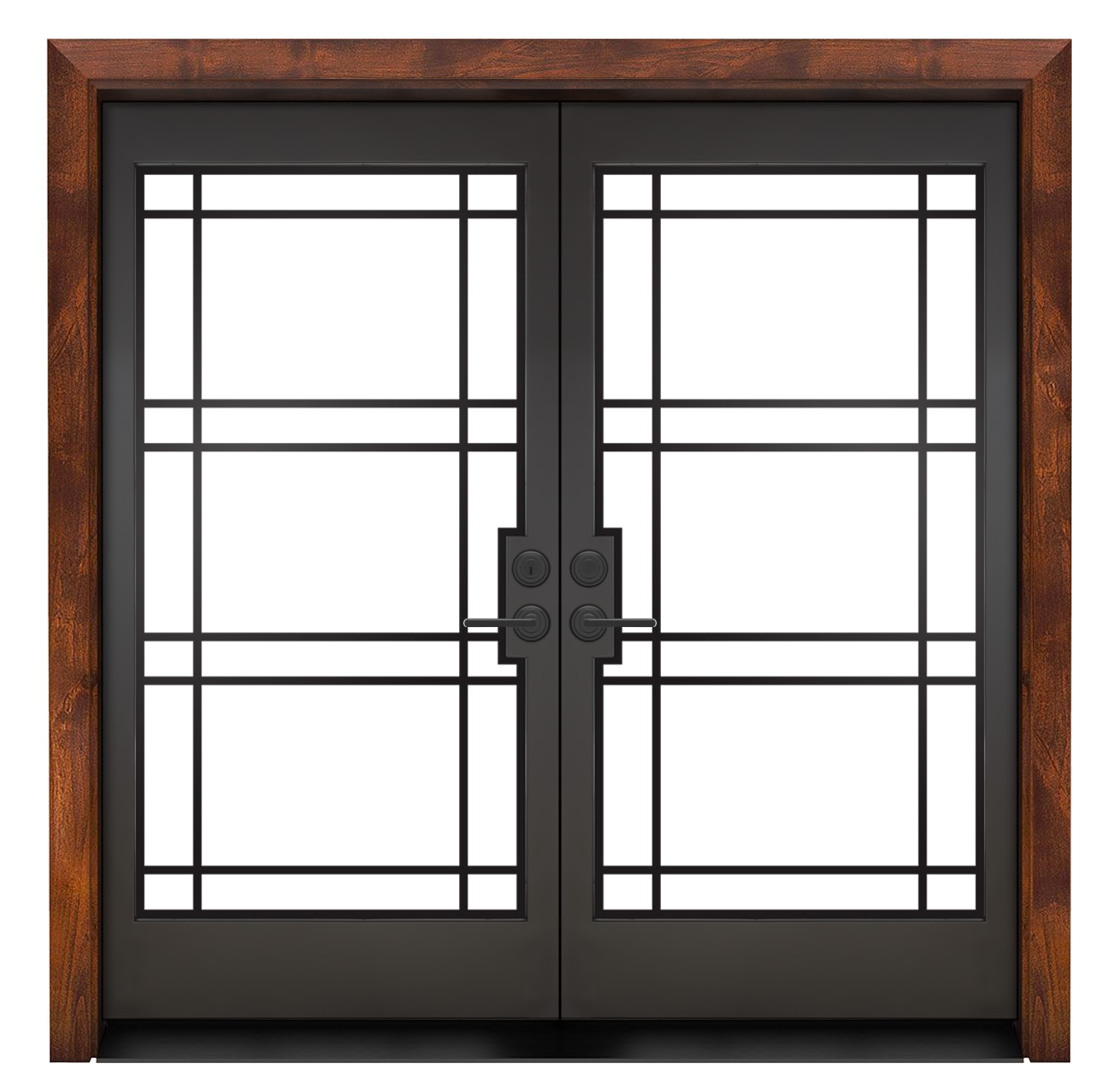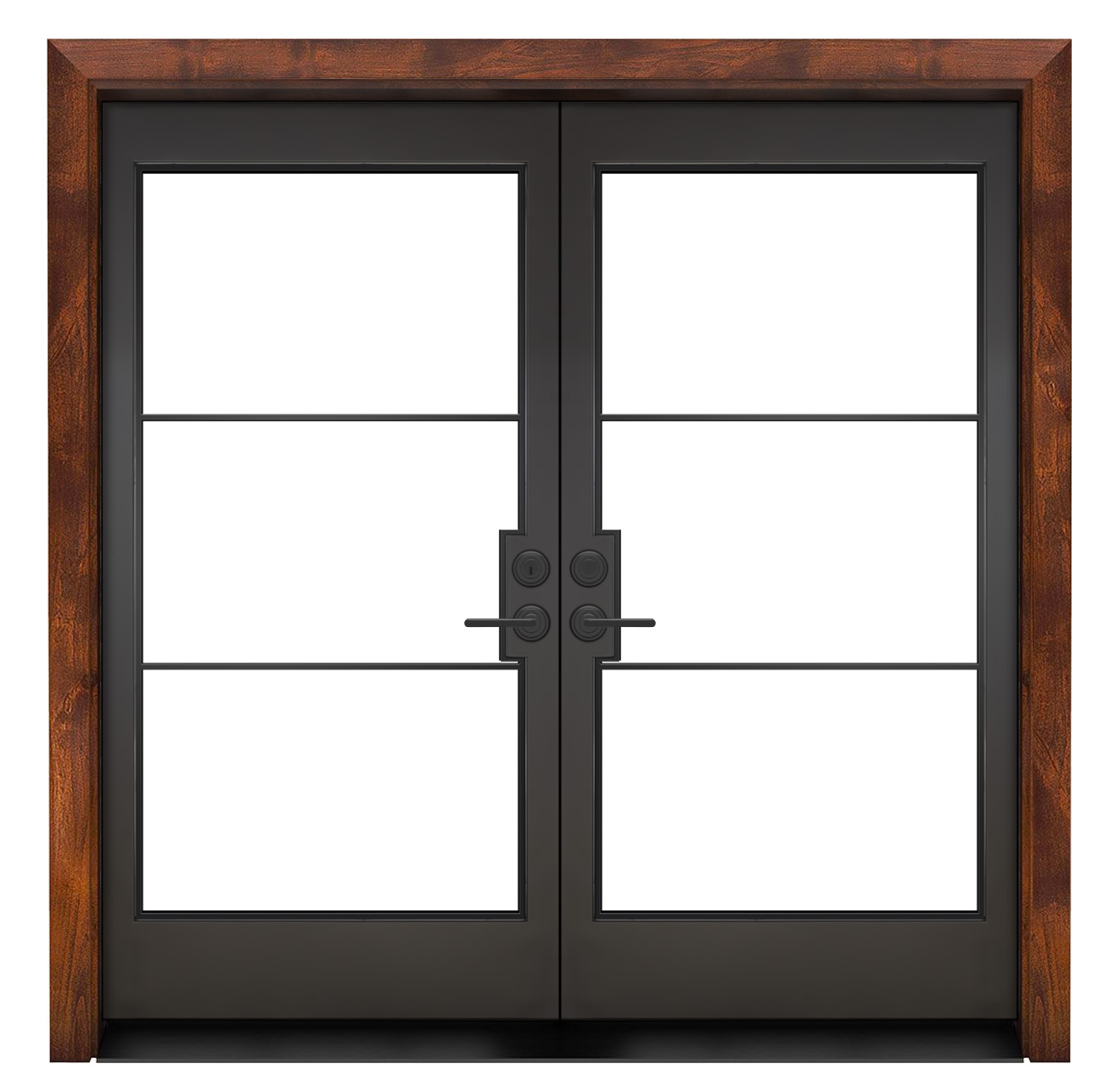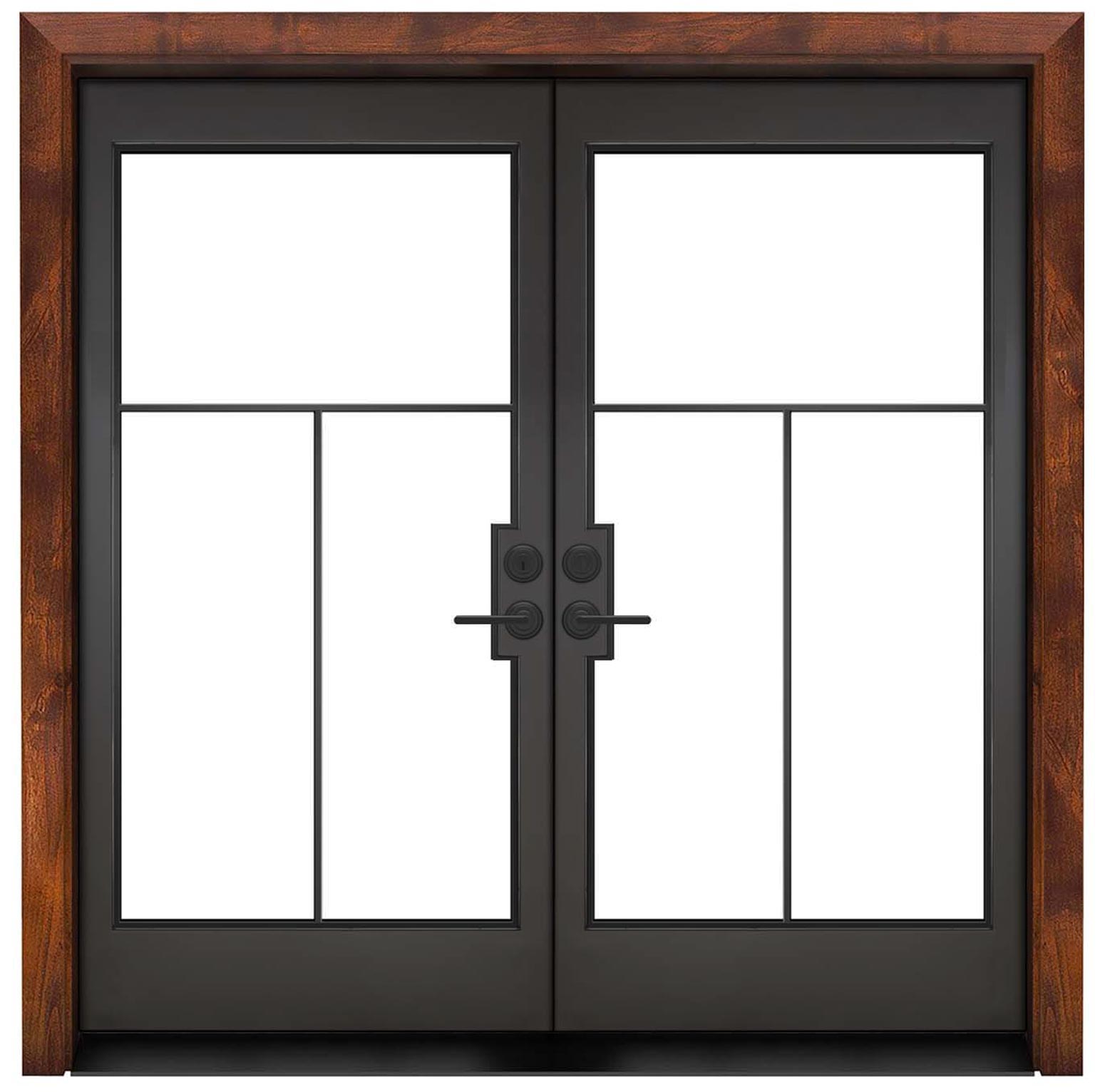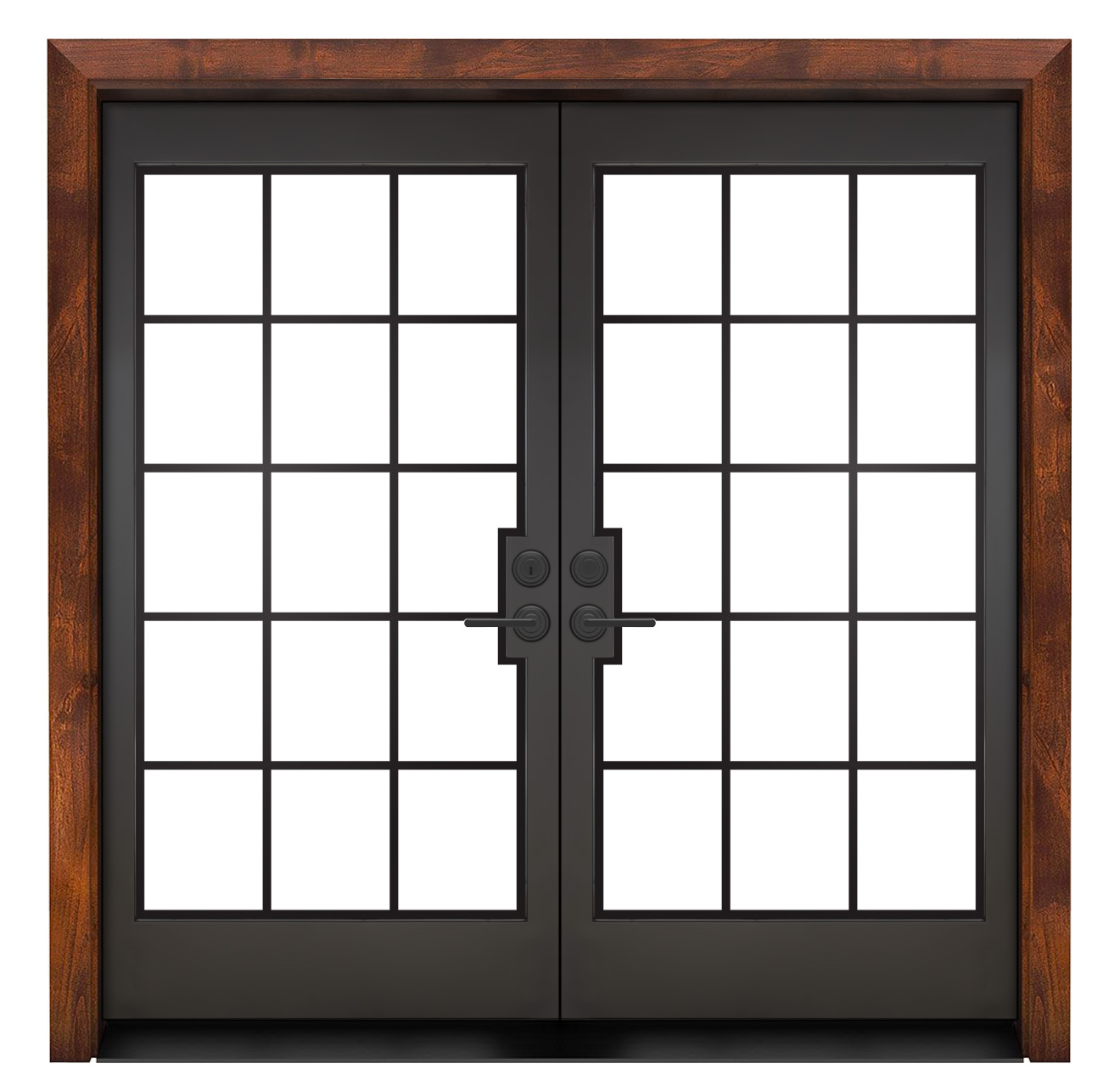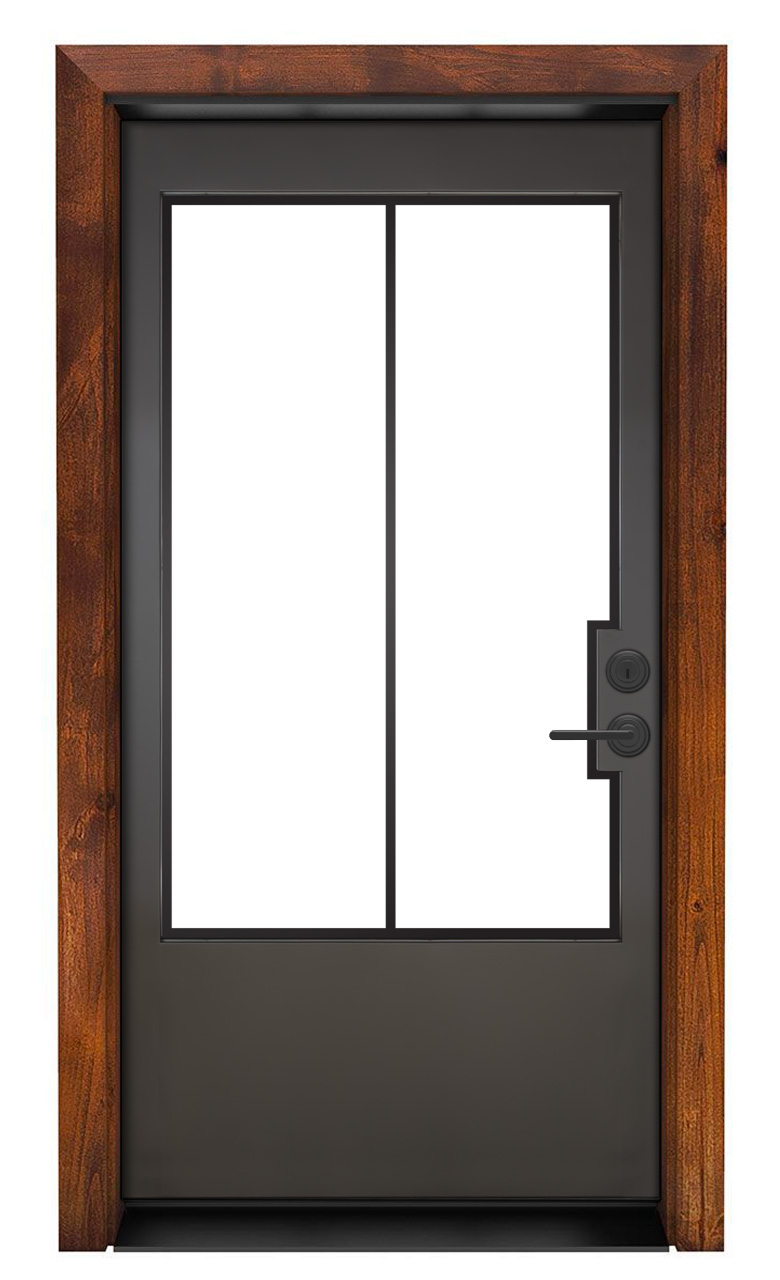
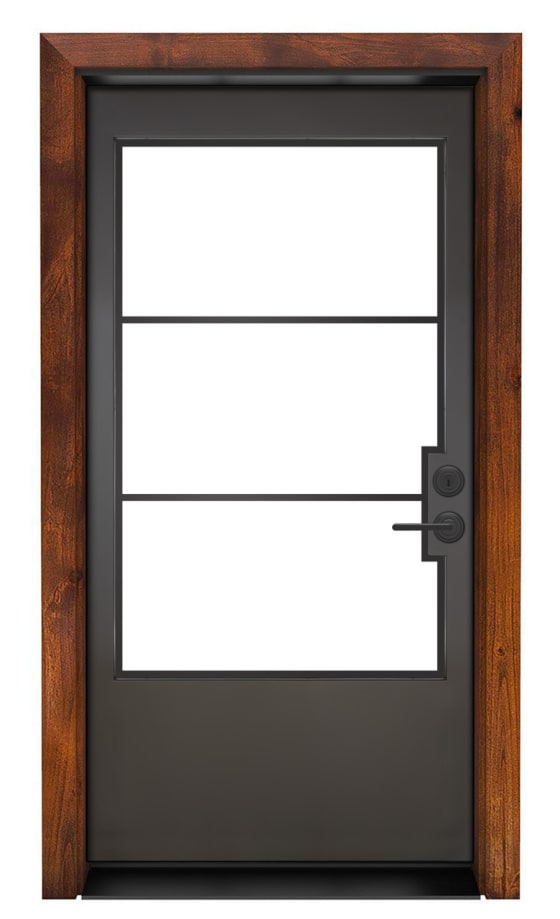
Traditional French Exterior Metal Door – Thermally Broken
Starting at
$6,948$4,963
1.800.891.8312
Free Shipping Details
Most orders over $500 qualify. Free shipping applies to Barn Door Hardware, Barn Doors, and Pocket Doors over $500.
Note: Front doors, interior doors, shower doors, slab doors, any oversized door (wider than 3ft or taller than 7ft), and any special order doors have shipping costs calculated at checkout. Some barn door hardware track lengths do not qualify for free shipping.





A curated starting point from this collection. Explore each design for current pricing, dimensions and available options.
Starting at
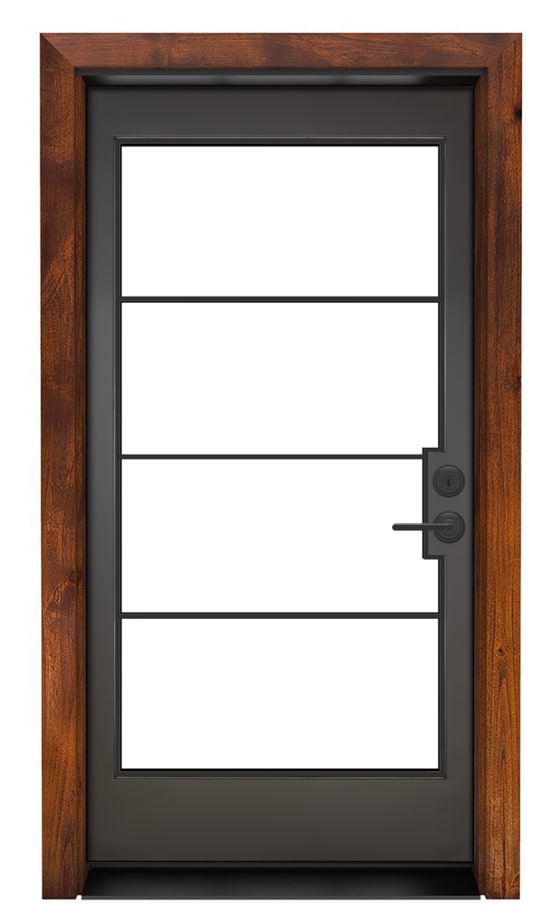
Starting at
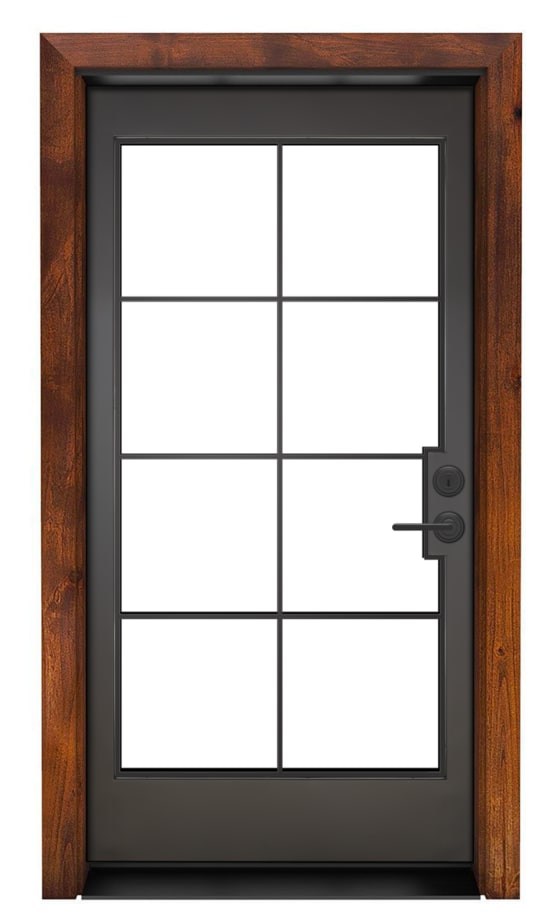
Starting at
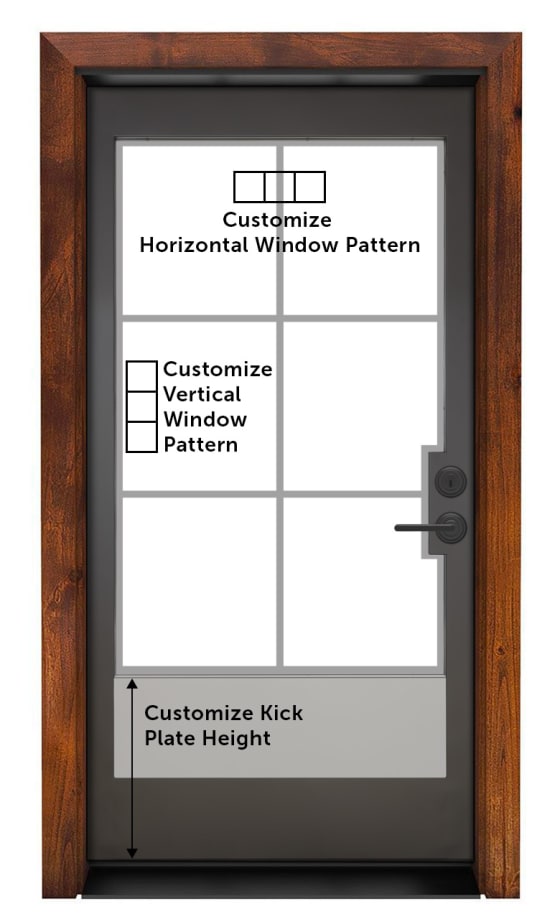
Starting at

Starting at

Starting at

Starting at

Starting at
Details make the difference
A thermal break interrupts the metal path between inside and outside. Compare the complete door assembly, including glass, seals and installation, when planning exterior performance.
| Consider | How it works | Before you choose |
|---|---|---|
| Frame construction | An insulating separation limits direct heat transfer | Confirm the thermal-break construction of the selected model. |
| Glass package | Glazing contributes to whole-door performance | Request specifications for the exact glass and size. |
| Installed assembly | Sill, seals and installation affect the result | Use documented assembly ratings; a thermal break alone is not a rating. |
A large glass entry needs more than a choice of frame style. Start with the size and operation of the opening, then review the glazing, threshold, perimeter seals and installation detail together. The thermal break addresses heat transfer through the metal; the glass and remaining assembly still influence the result. Compare documented specifications for the exact configuration instead of treating every steel door as equivalent.
Compare the available metal front entry doors or exterior pivot doors by operation first, then ask which configurations include the thermal-break construction you need.
A thermal break interrupts a conductive path through the frame. It does not, by itself, establish the performance of the glass, seals or complete door. Request the available whole-assembly specifications for your chosen size and configuration.
It may be appropriate for a conditioned wine room, but the complete enclosure must suit the cooling design. Coordinate the door’s glazing, seals and threshold with the room designer rather than choosing on the thermal-break label alone.
Have your opening dimensions and a few favorite designs ready?
Talk through your project Read the full collection guide
Rustica thermally broken and thermally broken bridge metal doors are built to control heat transfer through steel-framed entry systems. Each door uses an insulated connection inside the frame to separate interior and exterior metal, which reduces heat transfer and improves energy performance in exterior applications.
Both options use welded steel construction, insulated glass, and exterior-rated finishes designed for long-term durability. The difference comes down to how the separation is built inside the frame. Thermally broken doors use a standard insulated barrier, while thermally broken bridge doors use a wider structural connection that increases separation between interior and exterior metal.
These doors are used for front entries, exterior openings, and temperature-controlled spaces where consistent indoor conditions and durable construction matter.
A thermally broken door is built with a steel frame that separates the interior and exterior metal surfaces using an insulating barrier. This barrier slows the transfer of heat and cold through the frame, which improves energy performance compared to a standard metal door.
In a standard steel door, the interior and exterior metal are directly connected, so temperature moves easily through the frame. This can lead to heat loss in winter, heat gain in summer, and colder interior surfaces near the door.
A thermally broken door interrupts that connection. The insulated section inside the frame creates a separation between the two sides, which reduces how quickly temperature moves through the metal. This helps keep indoor spaces more stable and reduces the impact of outside conditions at the entry point.
All Rustica thermally broken doors use a fully welded steel frame with insulated glass and exterior-rated finishes, built for long-term performance in exterior applications.
A thermally broken bridge door uses a steel frame that includes a structural bridge designed to connect the interior and exterior sections while keeping them thermally separated. This bridge creates a controlled connection point that maintains strength while limiting heat transfer through the frame.
Instead of a simple insulated barrier, the bridge system increases the distance between the interior and exterior metal. This added separation improves thermal performance and reduces how quickly outside temperatures affect the inside surface of the door.
The wider bridge construction also results in a larger frame profile, especially at the side stiles. This gives the door a more substantial appearance while supporting improved insulation across the full frame.
Like all thermally broken models, thermally broken bridge doors use welded steel construction, insulated glass, and exterior-rated finishes built for long-term durability in exterior conditions.
The main difference comes down to how the frame is built and how much separation exists between the interior and exterior metal.
A standard metal door uses a single continuous steel frame. The interior and exterior metal sides are directly connected, which allows heat and cold to pass through the frame quickly. These doors typically have a slimmer visible frame, around 2 inches, and are best suited for interior use or mild conditions.
A thermally broken metal door adds an insulated separation inside the frame. This reduces heat transfer and improves overall energy performance. The frame becomes wider to accommodate this construction, with larger top and bottom rails and side stiles, usually around 3 inches on the sides.
A thermally broken bridge door builds on this by increasing the separation within the frame. The bridge system connects the structure while maintaining stronger thermal isolation. This results in an even wider frame, with side stiles around 5.5 inches, while the top and bottom rails vary based on the door style.
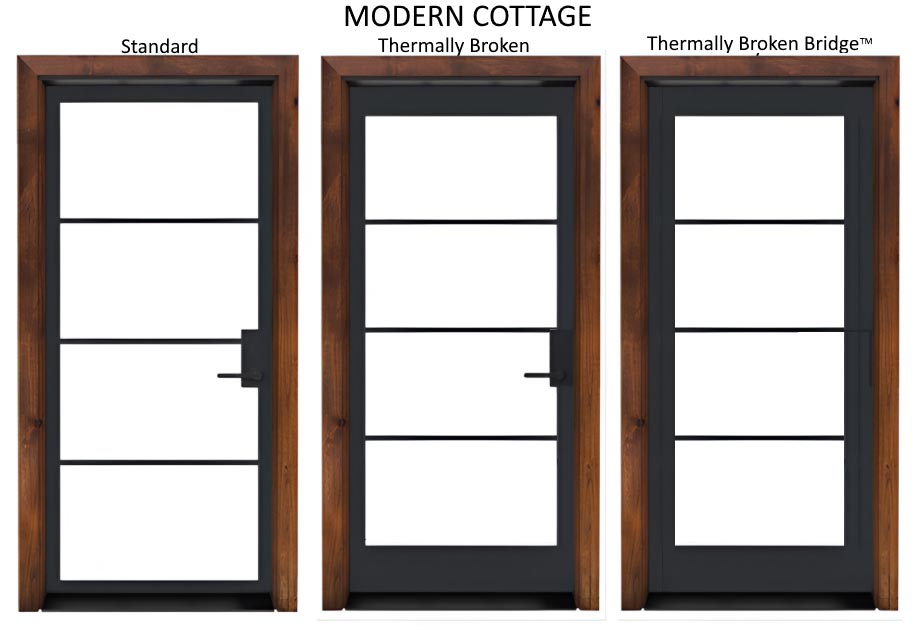
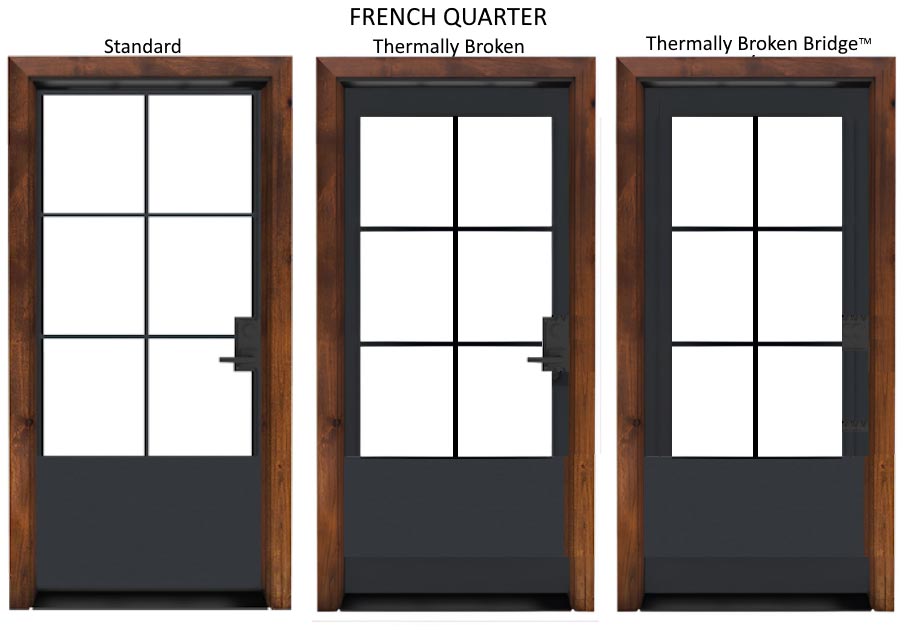
These construction differences also affect how the door looks. Standard doors have a thinner profile, while thermally broken and bridge doors have more substantial framing that changes the proportions of the glass and panels.
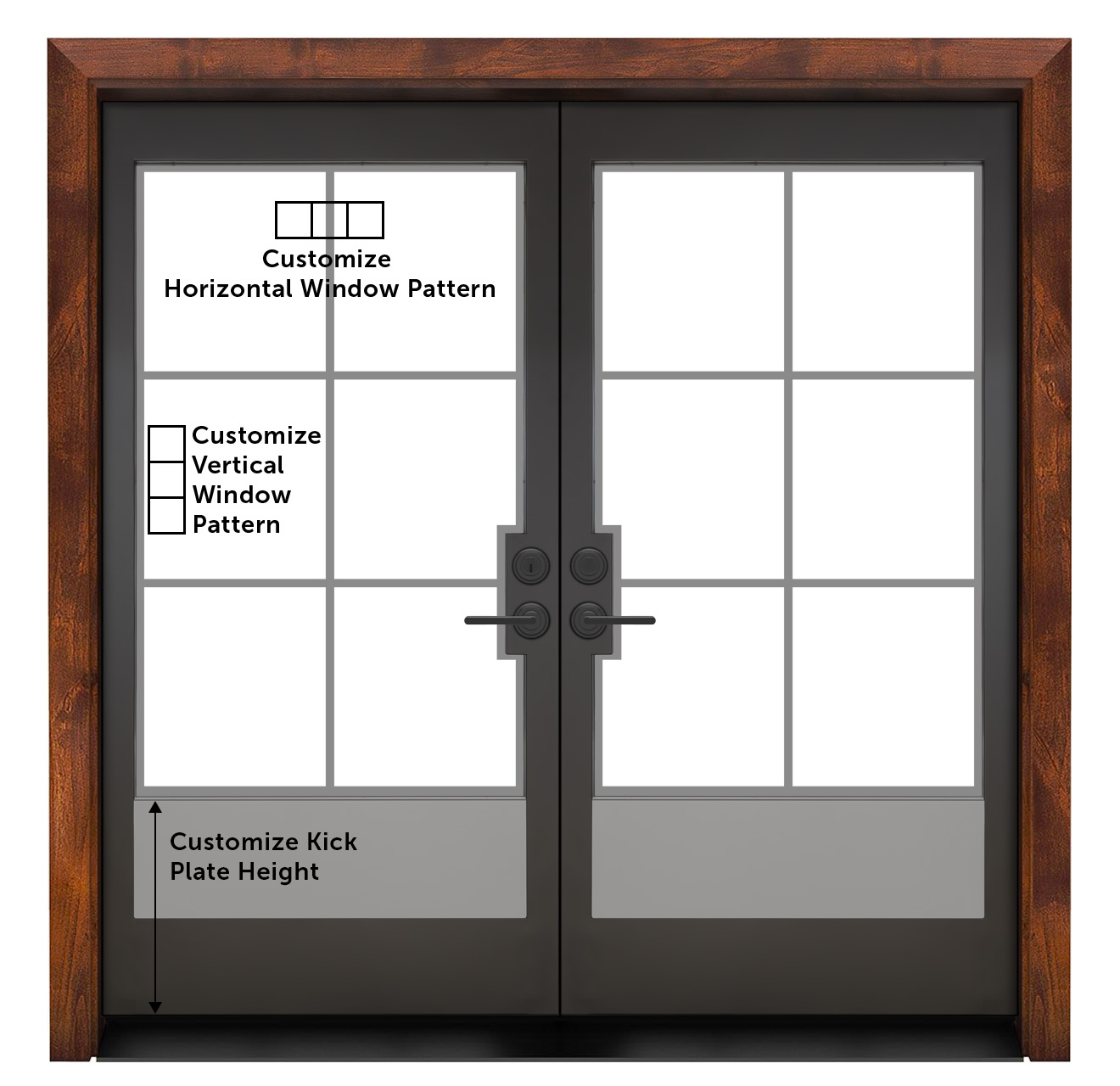
A simple illustration below shows the differences using the Presidential Door. Keep in mind that on thermally broken doors, the height of the bottom rail, including the kick plate, will vary depending on the door style, and the top rail will change as well. Additional visual comparisons are included below to help show these differences.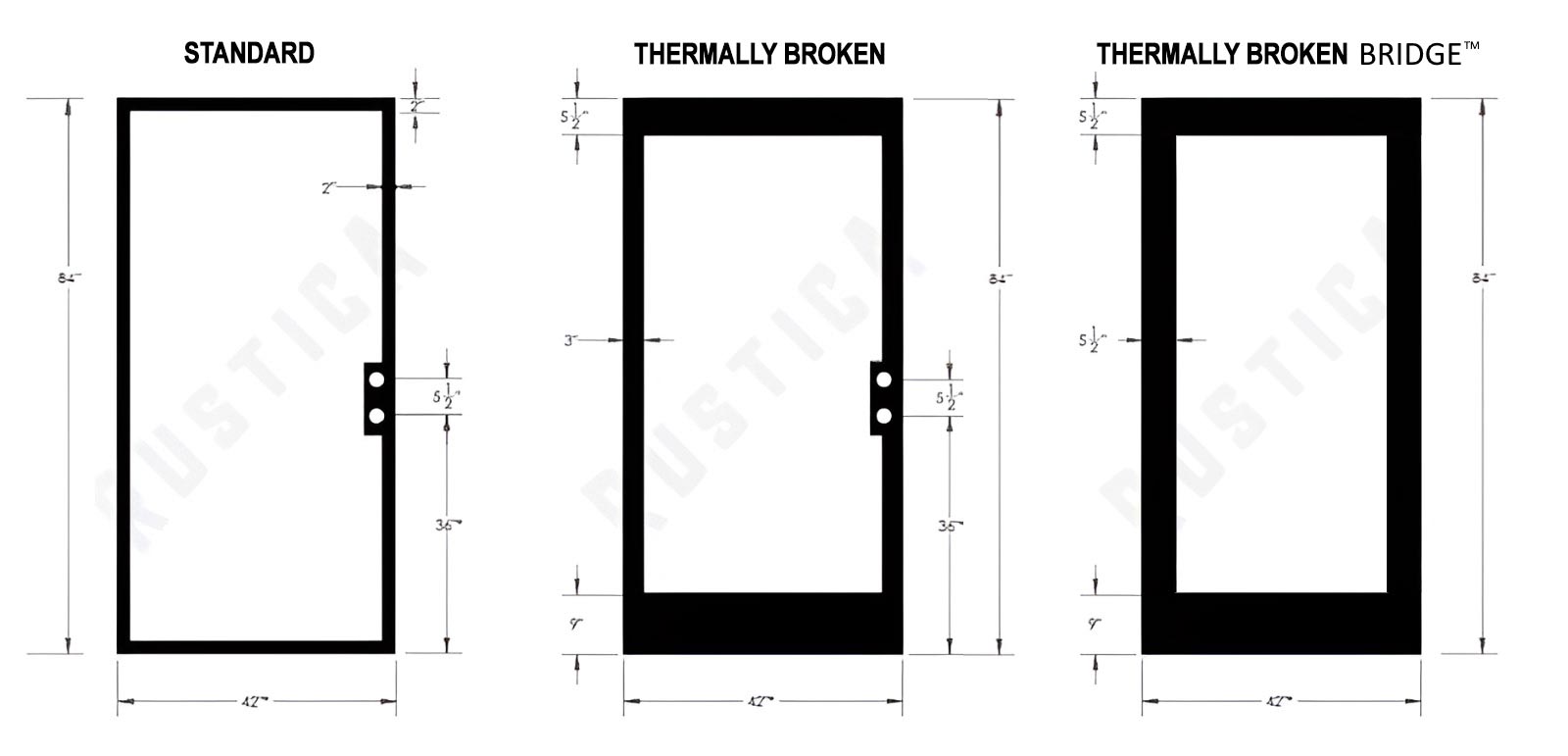
 Do You Need a Thermally Broken Door?
| Benefit | Details |
|---|---|
| Energy Efficiency for Exterior Doors | Improves insulation in metal entry doors by limiting thermal transfer, which can reduce energy loss and support lower utility use. |
| Consistent Interior Temperature | Creates a more stable indoor environment by reducing temperature swings near exterior door openings. |
| Condensation Reduction on Metal Doors | Helps prevent moisture from forming on steel door frames and glass panels in colder conditions. |
| Noise Reduction at Entry Points | Adds sound separation at exterior doors to reduce outside noise entering the home. |
| Durable Metal Door Construction | Supports long-term performance by reducing stress on steel frames caused by changing temperatures. |
For exterior doors exposed to heat, cold, or direct sunlight, a thermally broken door provides a clear performance benefit. It reduces how much outside temperature affects the interior side of the door, which helps keep indoor conditions more stable.
In regions with hot summers or cold winters, the difference is more noticeable. The insulated frame slows heat gain and heat loss, which can reduce strain on heating and cooling systems and improve comfort near the entry.
For interior doors, thermal separation is usually not needed. However, in spaces where temperature is controlled separately, such as wine rooms or conditioned areas, a thermally broken door can still be a useful upgrade.
If the goal is durability alone, a standard metal door may be enough. If the goal includes comfort, efficiency, and long-term performance in exterior conditions, a thermally broken or thermally broken bridge door is the better choice.
Thermally broken metal doors improve how a door performs in daily use. An insulated frame reduces temperature transfer, which affects comfort, efficiency, and long-term durability in exterior conditions.
An insulated separation inside the frame slows heat loss in winter and heat gain in summer. Less outside temperature moves through the door and into the home. Heating and cooling systems run less often to maintain a steady indoor temperature, which can lower overall energy use over time. Larger openings and full glass doors show a more noticeable difference due to increased surface area exposure.
Interior surfaces stay closer to room temperature instead of reflecting outdoor heat or cold. Cold spots near the door in winter are reduced, and heat buildup near the glass in warmer months is limited. Rooms feel more consistent from wall to wall, especially in entryways where temperature swings are usually strongest. The space feels more balanced throughout the day without sharp temperature changes near the door.
Warmer interior metal surfaces reduce the chance of moisture forming on the frame and glass. Colder climates often cause condensation buildup on standard metal doors, but insulated construction limits that effect. Surrounding materials like trim, flooring, and drywall stay better protected from water exposure. Glass panels remain clearer and require less maintenance during temperature swings.
An insulated frame adds a barrier between the interior and exterior, which reduces sound transfer. Outside noise from traffic, weather, or nearby activity is softened before reaching the interior. Homes in busy areas benefit from quieter indoor spaces. Additional frame mass and insulated glass contribute to better sound control compared to thinner standard metal doors.
Thermal separation reduces stress caused by expansion and contraction in metal. Large temperature differences between interior and exterior surfaces create strain in standard metal frames. Isolating the two sides limits that movement and supports structural stability. The door holds its shape longer, seals stay tighter, and long-term performance improves in exterior conditions.
The right choice depends on how much thermal separation you need and how substantial you want the frame to look.
A thermally broken door works well for most exterior applications. It provides clear improvement over a standard metal door by reducing heat transfer and improving interior comfort. For many homes and moderate climates, this level of performance is enough to handle seasonal temperature changes.
A thermally broken bridge door takes that a step further. The wider bridge system increases the distance between interior and exterior metal, which improves thermal separation across the frame. This is useful in areas with more extreme temperature swings or in openings with a large glass surface area.
Frame size also plays a role in the decision. Thermally broken doors use narrower side stiles, while thermally broken bridge doors use wider stiles that create a heavier, more pronounced frame. Some prefer the added presence, while others prefer a slimmer profile.
If the goal is solid performance with a more traditional frame size, a thermally broken door is a strong fit. If the goal is maximum separation with a more substantial frame, a thermally broken bridge door is the better choice.
Thermally broken and thermally broken bridge metal doors are used in exterior applications where temperature control and durability matter.
Front entry doors are the most common use. These doors face direct exposure to outdoor conditions, so reducing heat transfer helps keep interior spaces more stable. The added insulation also improves comfort near the entry and supports long-term performance.
Rear and patio doors also benefit from thermal separation, especially when large glass panels are involved. More glass means more exposure to outside temperatures, so an insulated frame helps limit heat gain and loss across the opening.
Temperature-controlled spaces, such as wine rooms or conditioned areas, can also use thermally broken doors. Even when installed inside the home, these spaces often require a barrier that limits temperature movement between rooms.
Any opening that connects to the outdoors or separates conditioned spaces is a good candidate for a thermally broken or thermally broken bridge door.
Rustica builds thermally broken doors for exterior openings where temperature control matters. Within the frame, Rustica separates the interior and exterior steel using an insulated connection. This construction slows temperature transfer, keeps the interior side aligned with the surrounding space, and reduces the conditions that lead to condensation along the frame.
Standard metal doors use a continuous steel frame from exterior to interior. Temperature moves through that connection, so the interior side starts to feel closer to outside conditions. Rustica thermally broken doors separate the interior and exterior steel within the frame, which slows that transfer. Thermally broken bridge designs extend that separation with a wider internal connection, further reducing how quickly temperature moves through the frame.
Rustica doors are built to perform reliably through seasonal changes while maintaining a consistent feel inside the home. Choosing between thermally broken and thermally broken bridge comes down to the level of separation required and the profile that best fits the overall design of your space.

PRODUCTS
FEATURES
COMPANY
BUSINESS