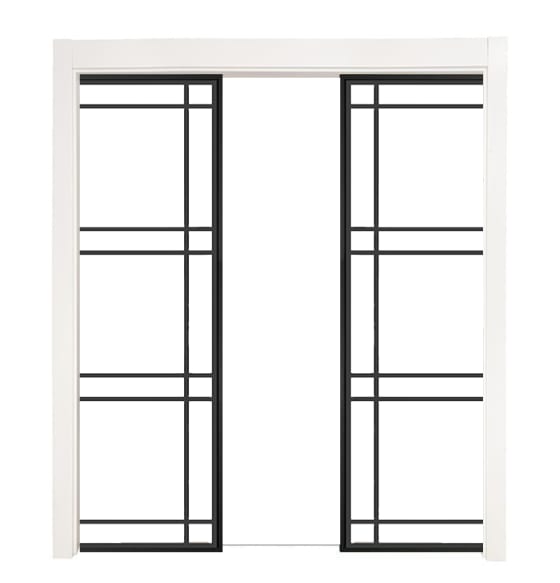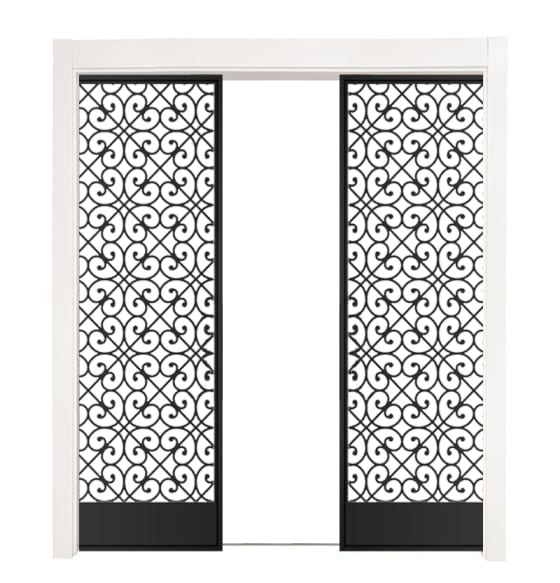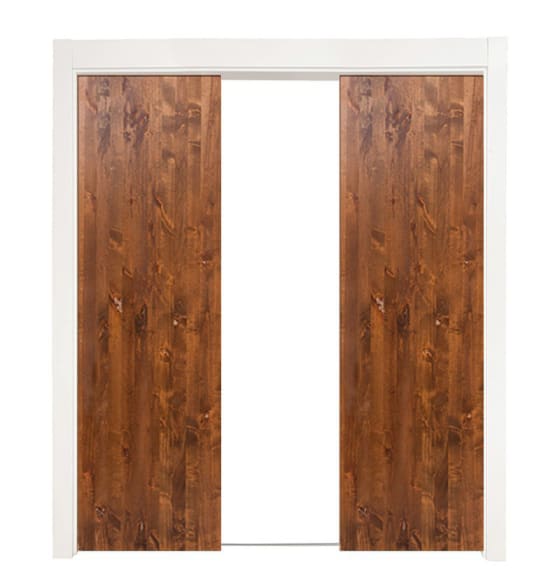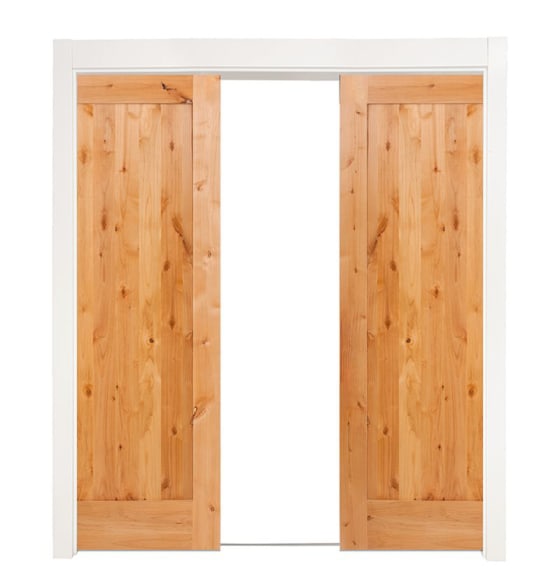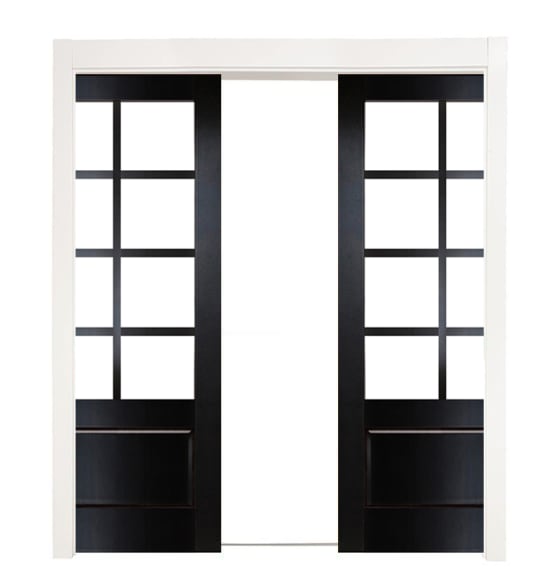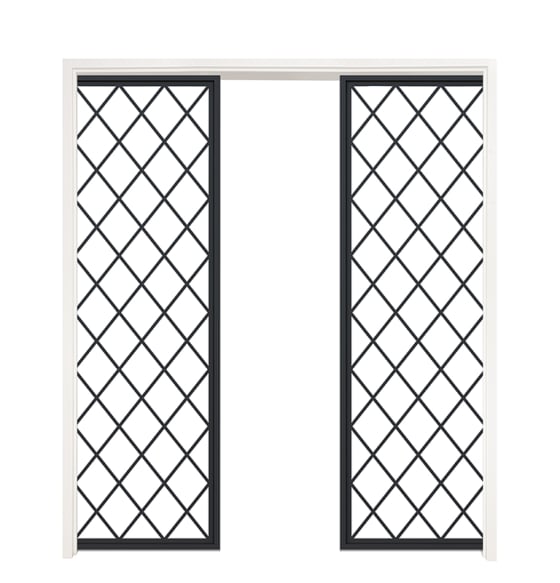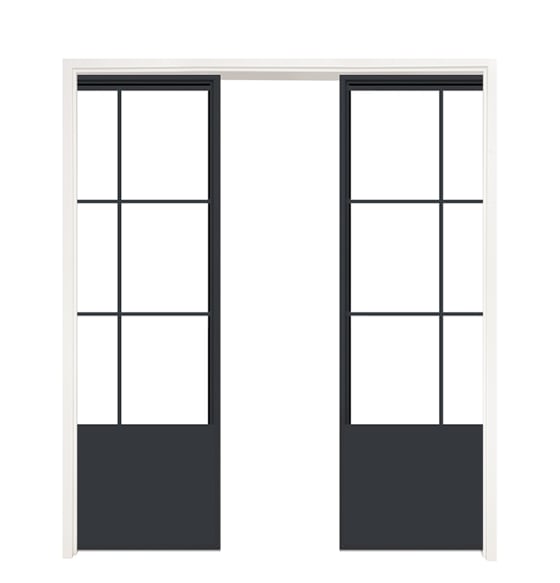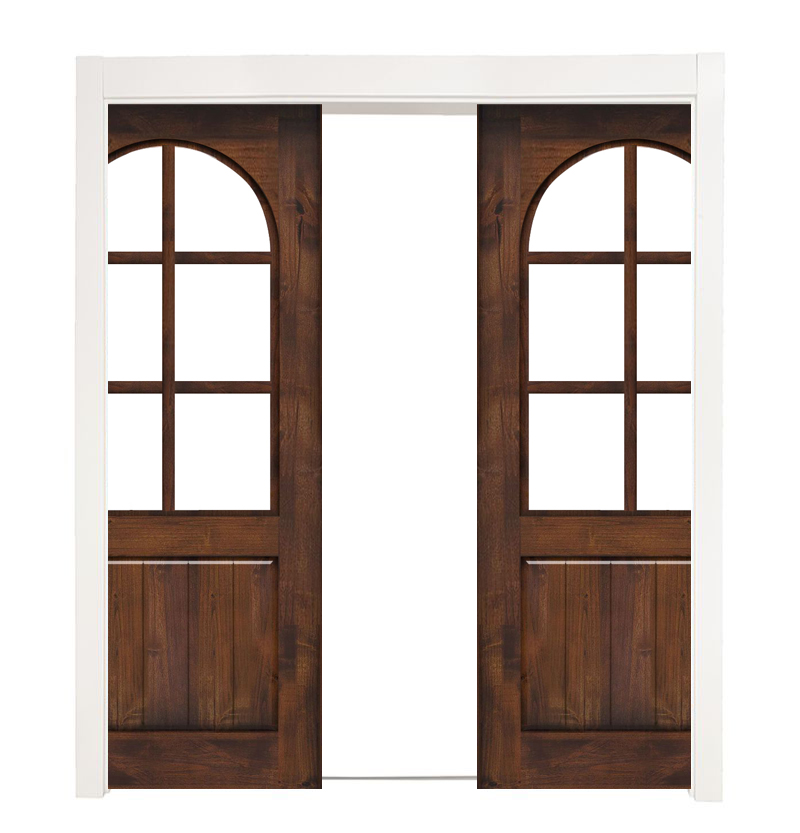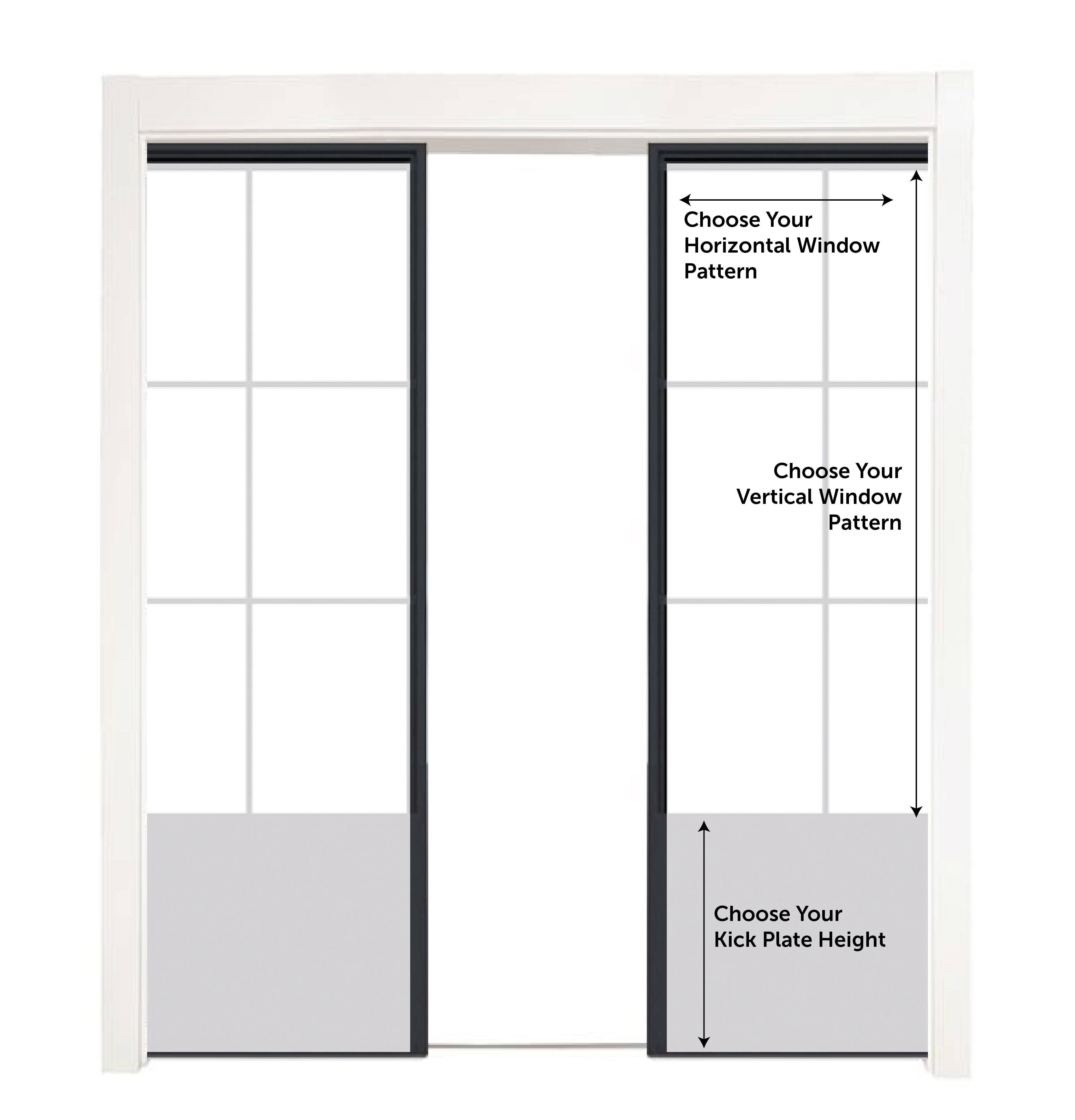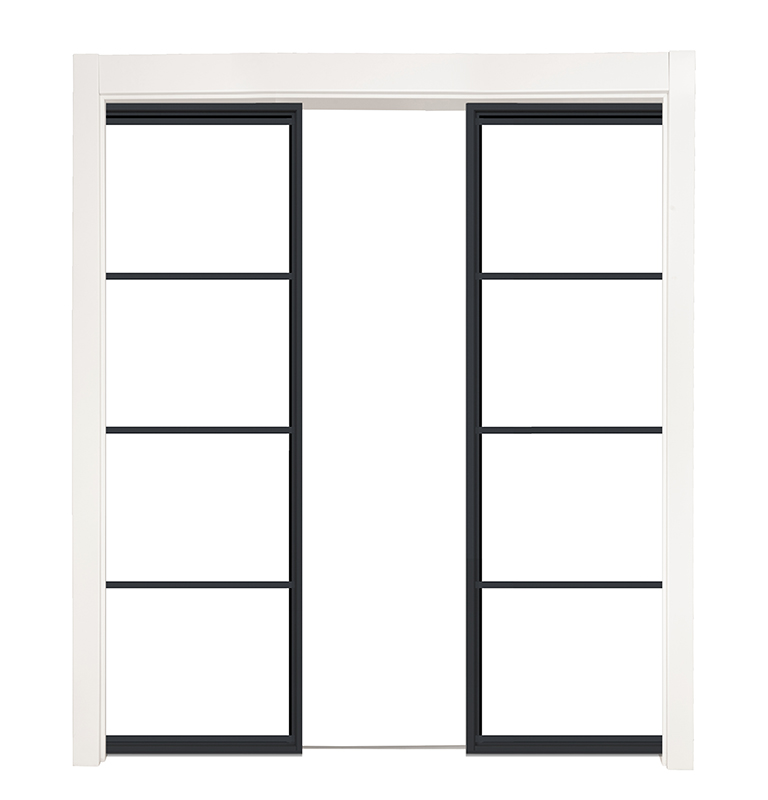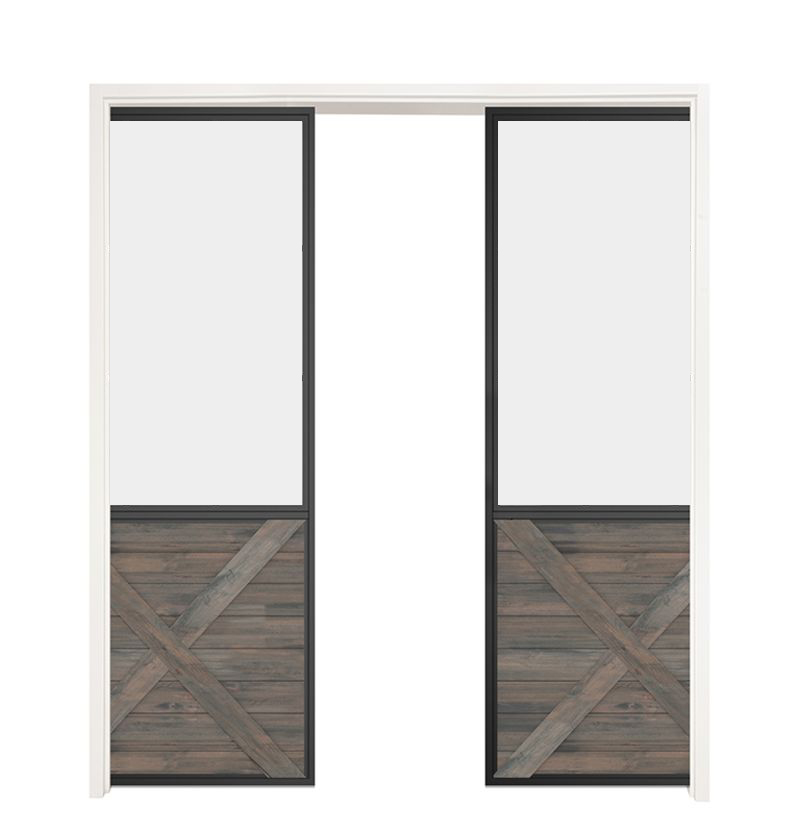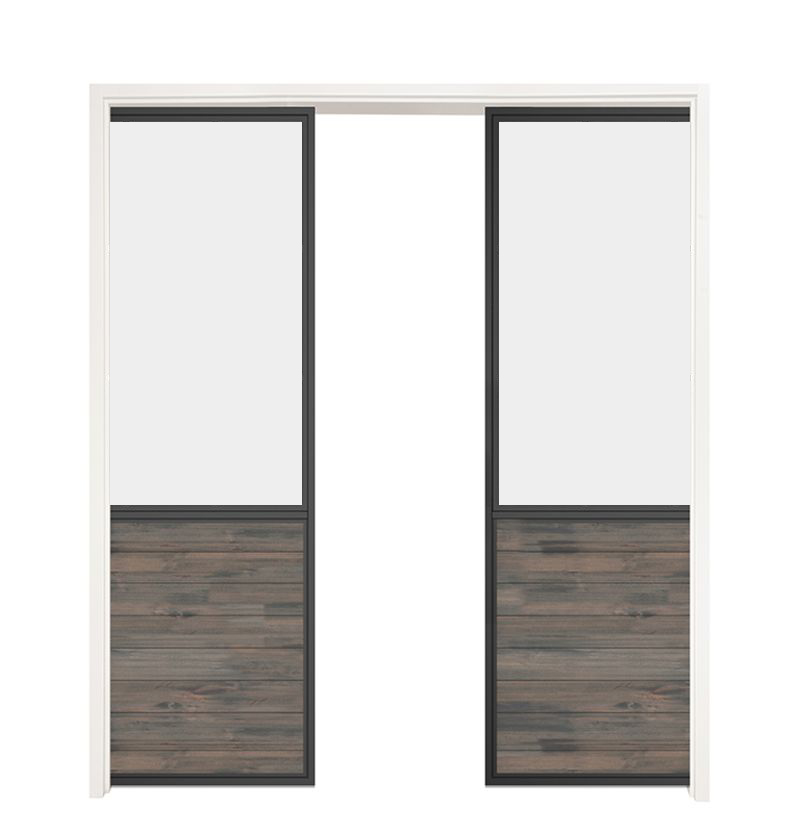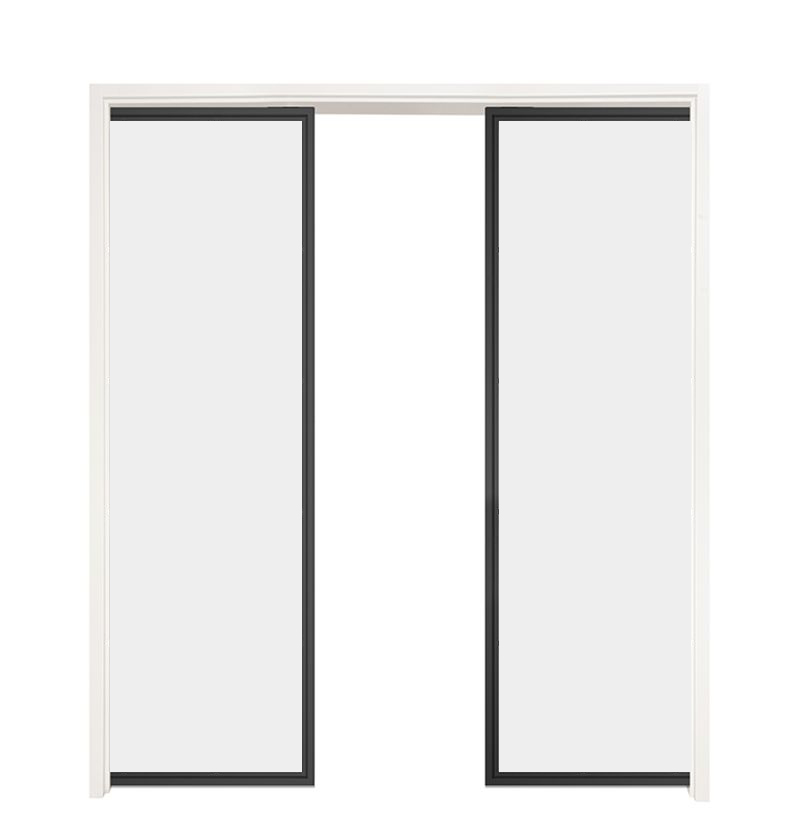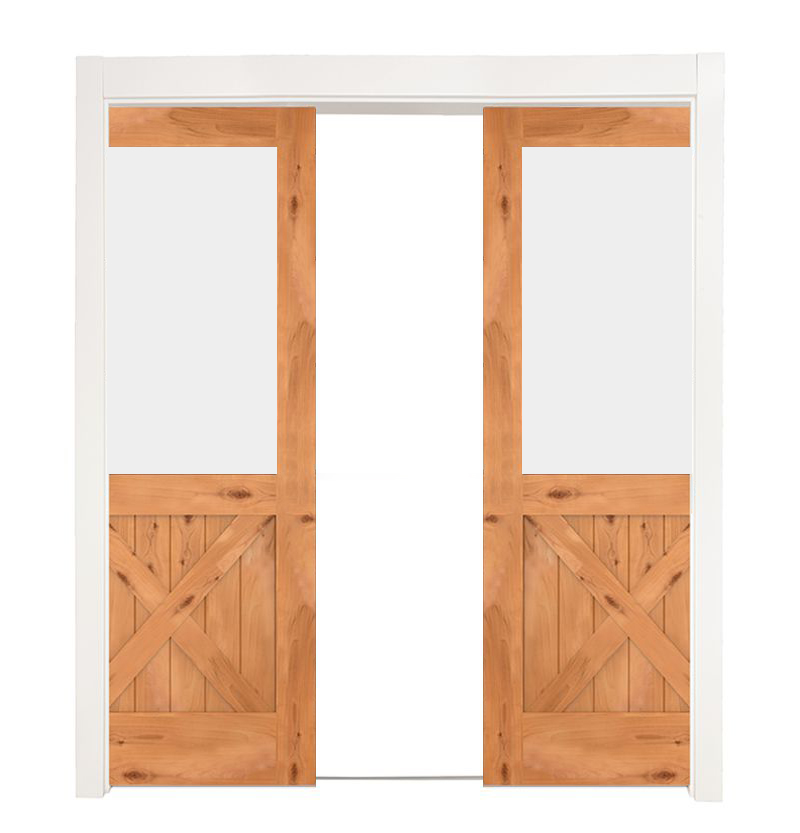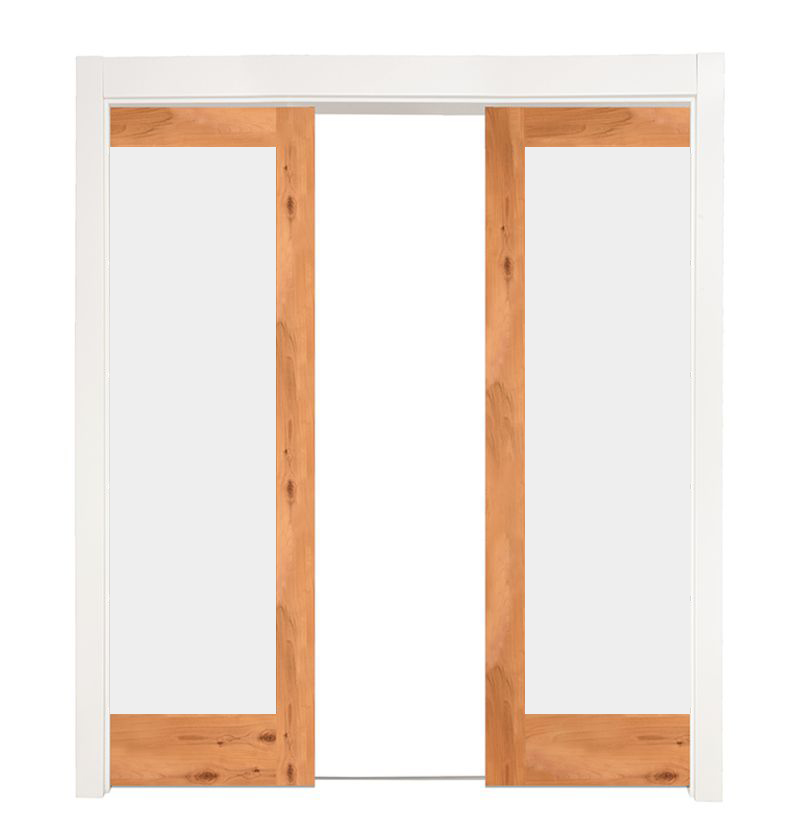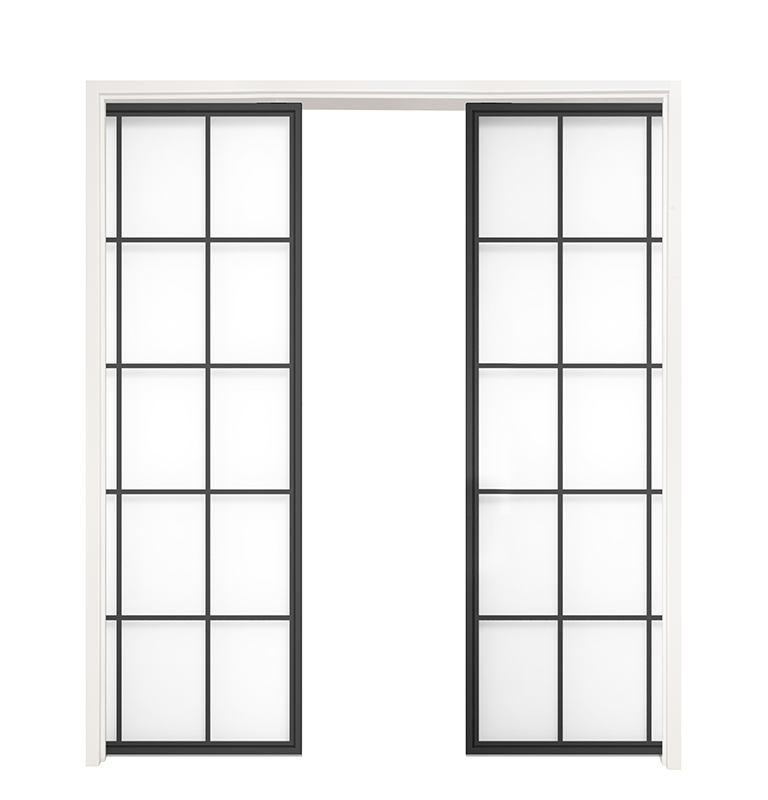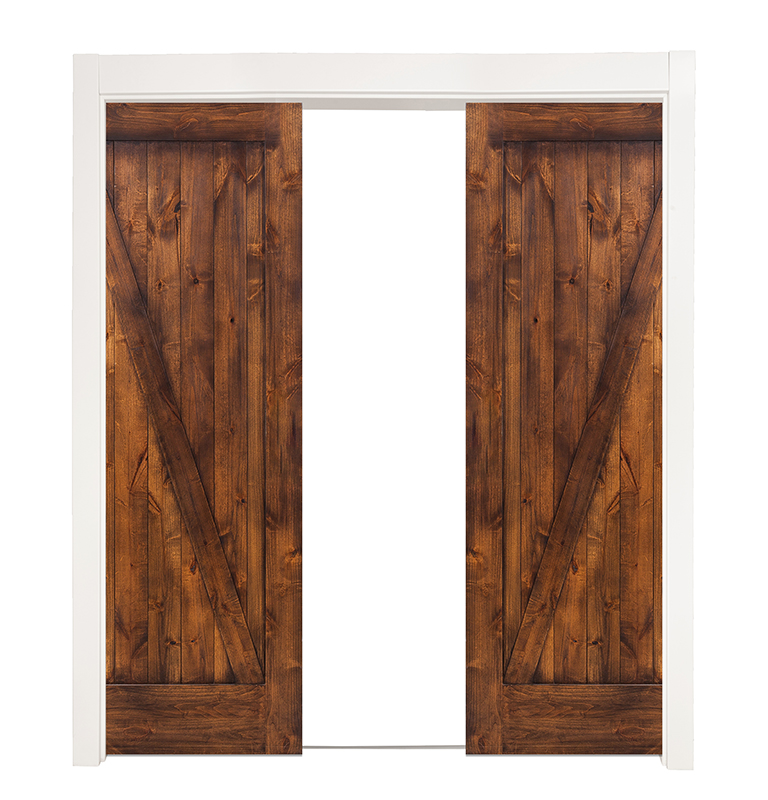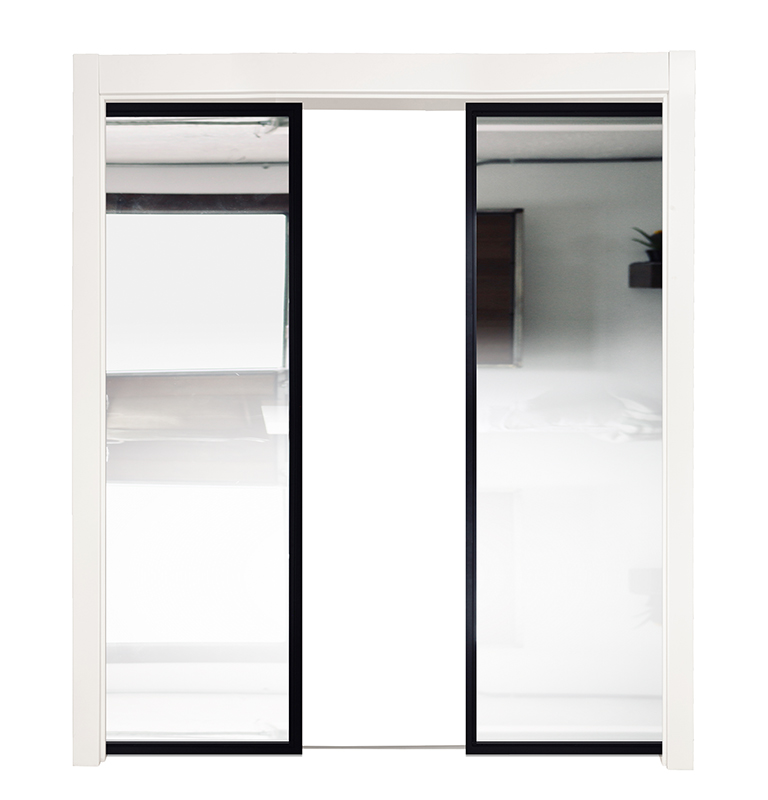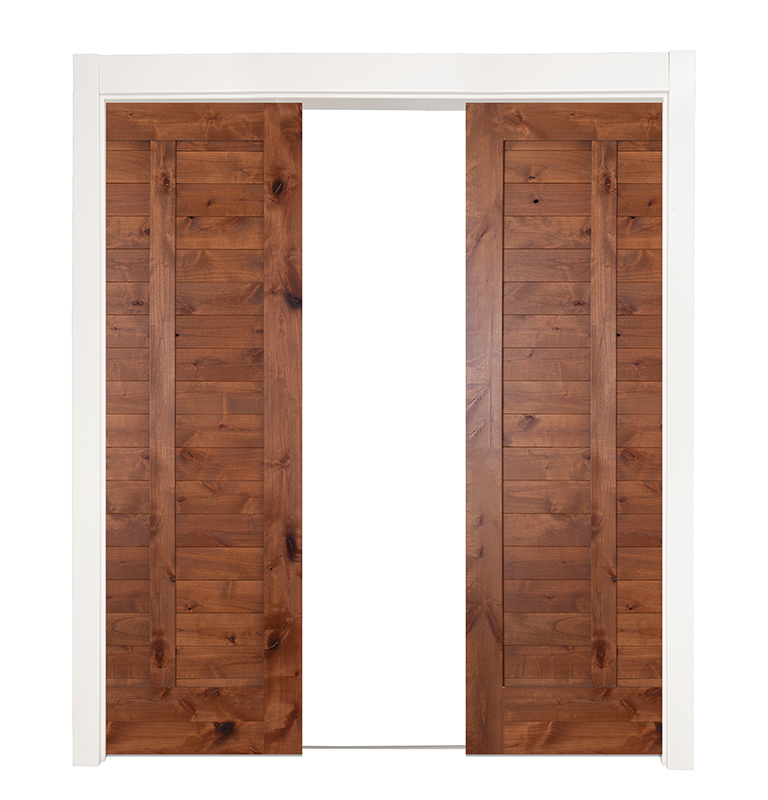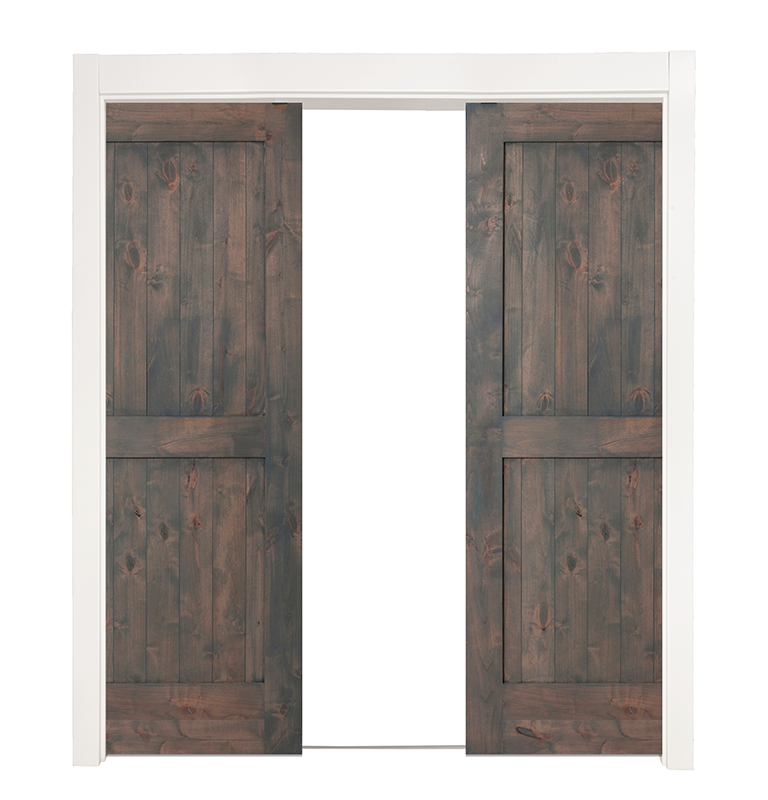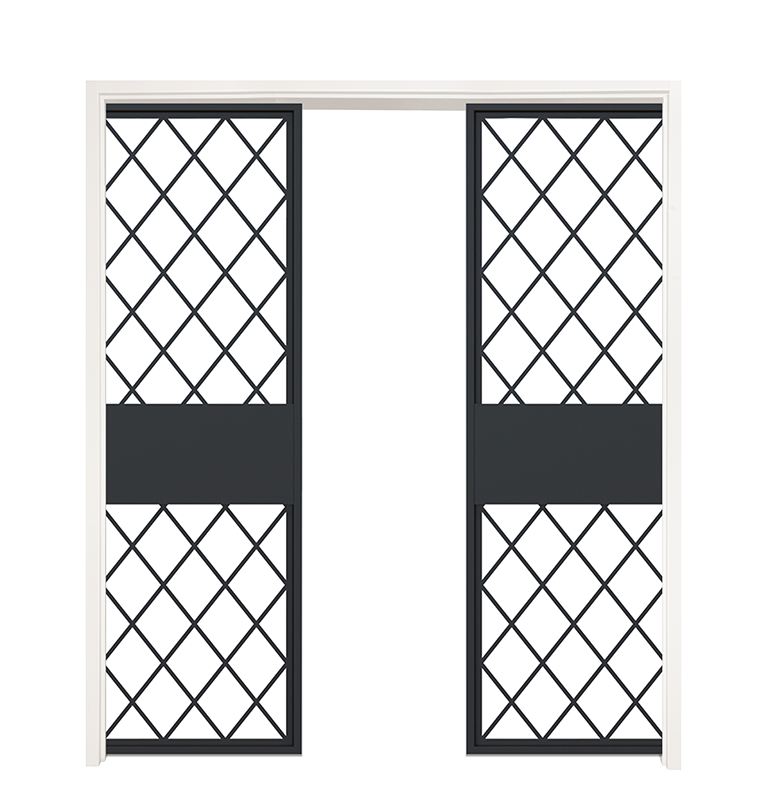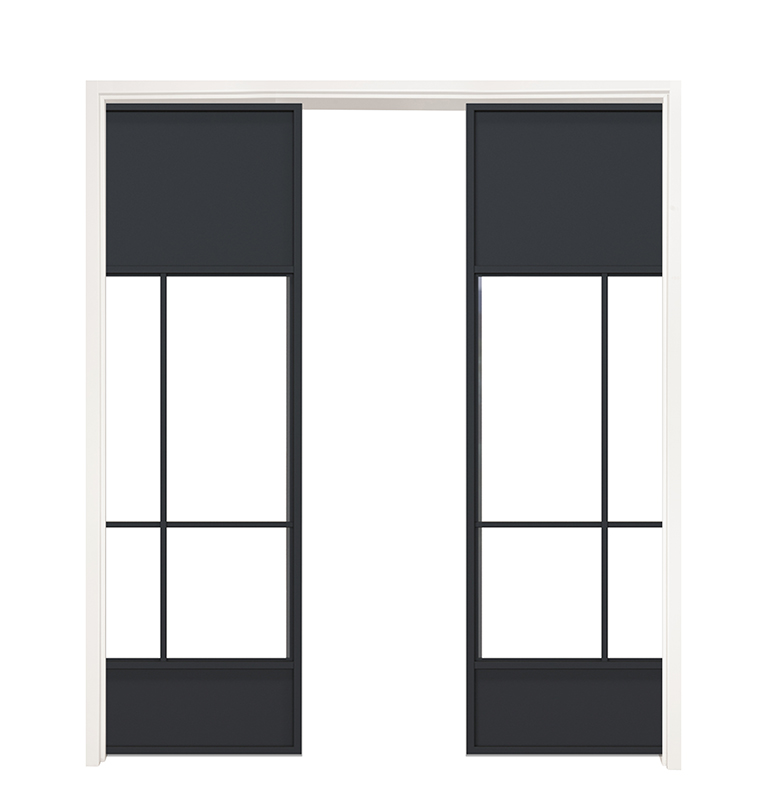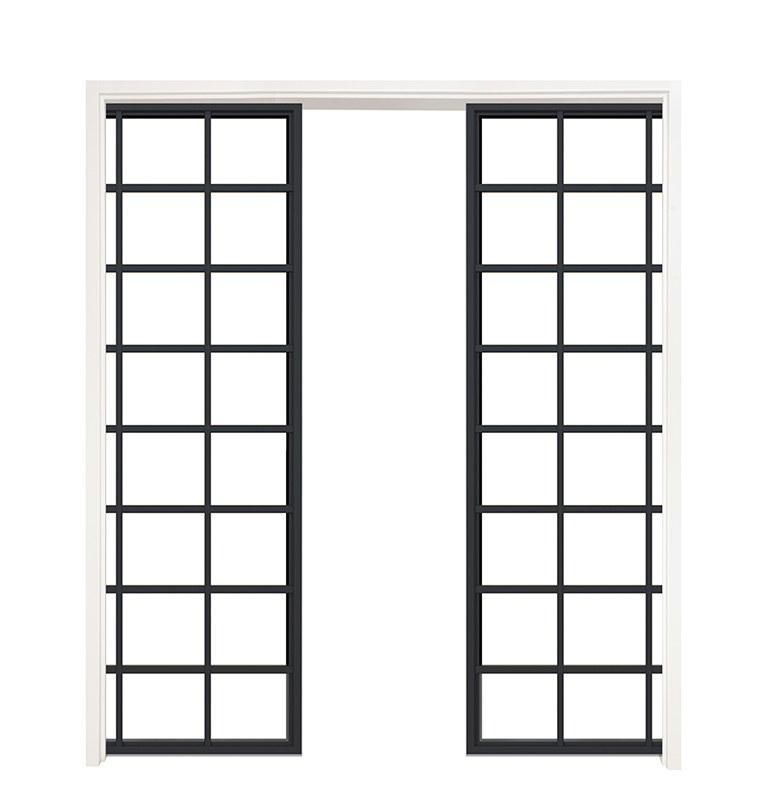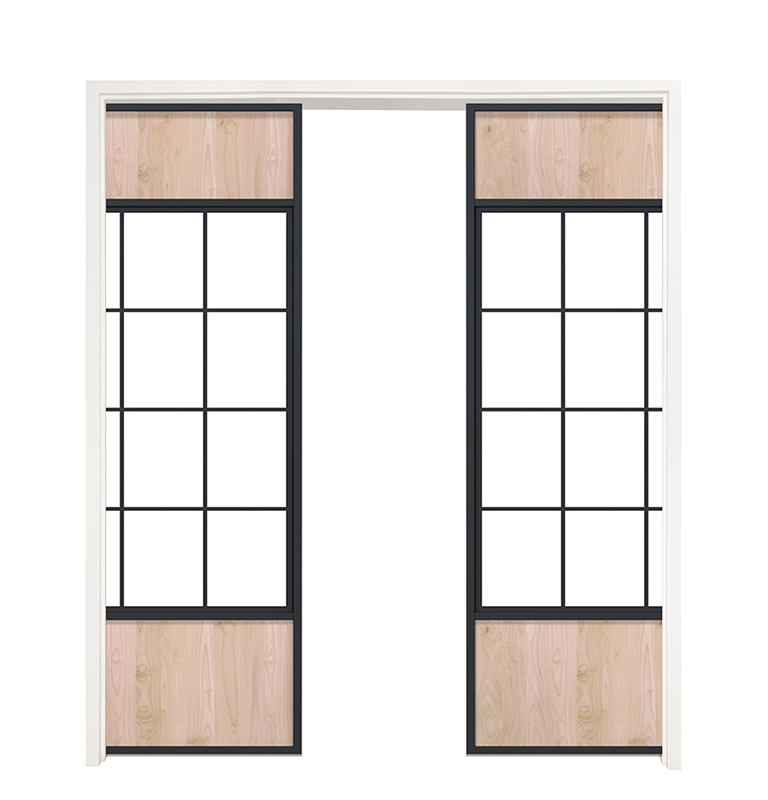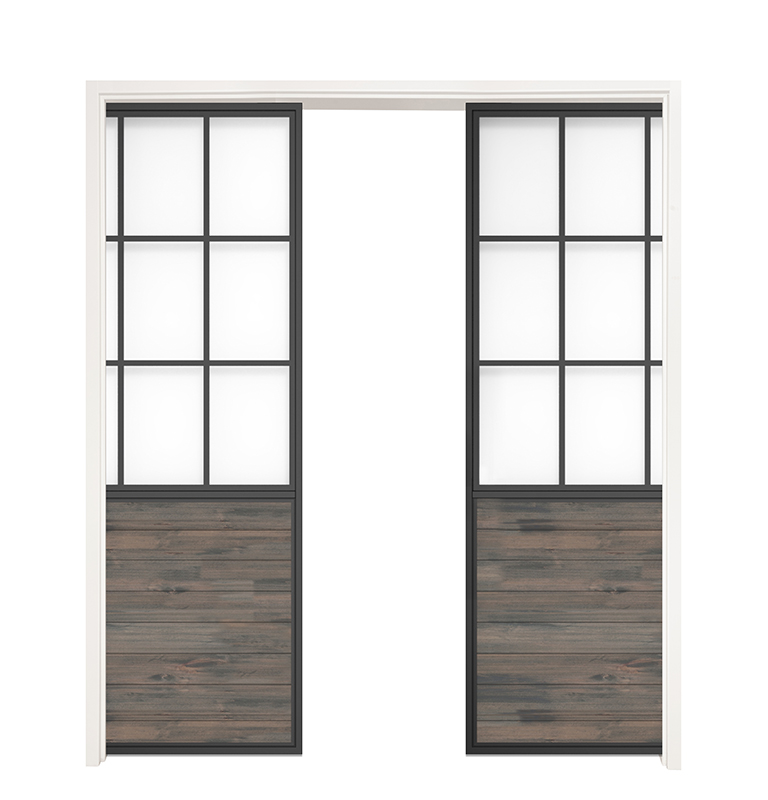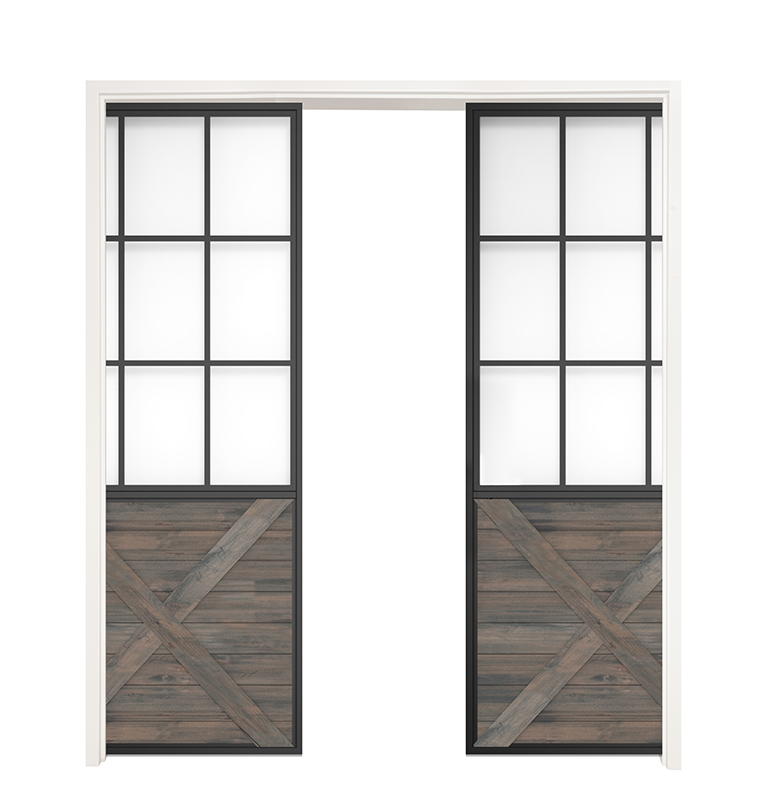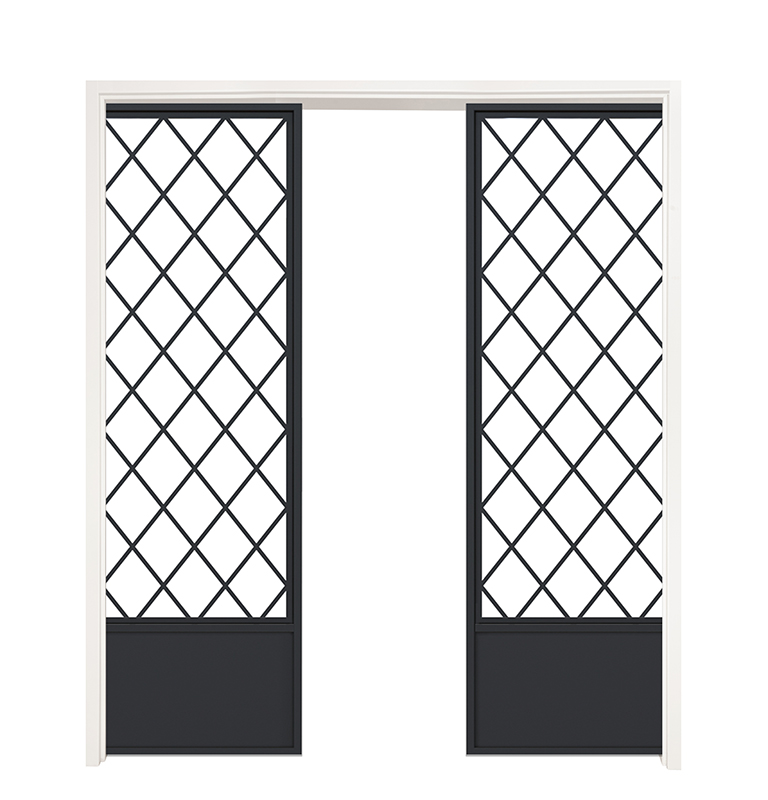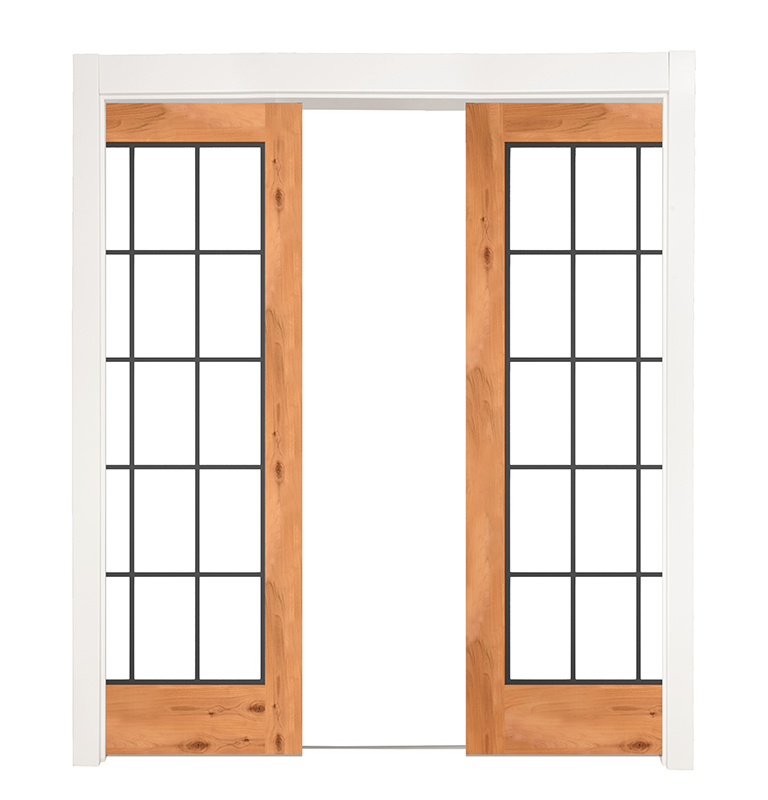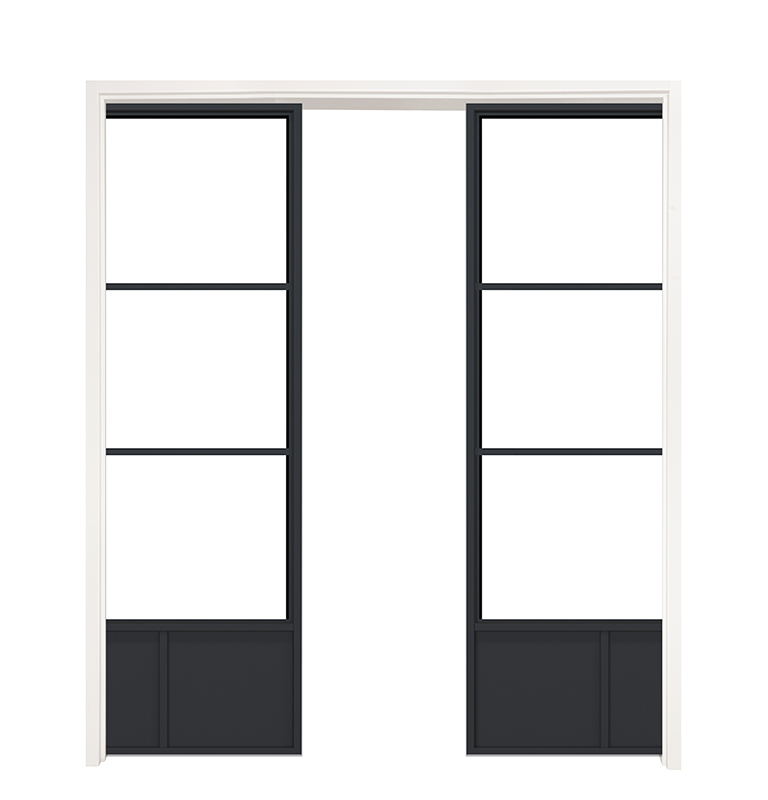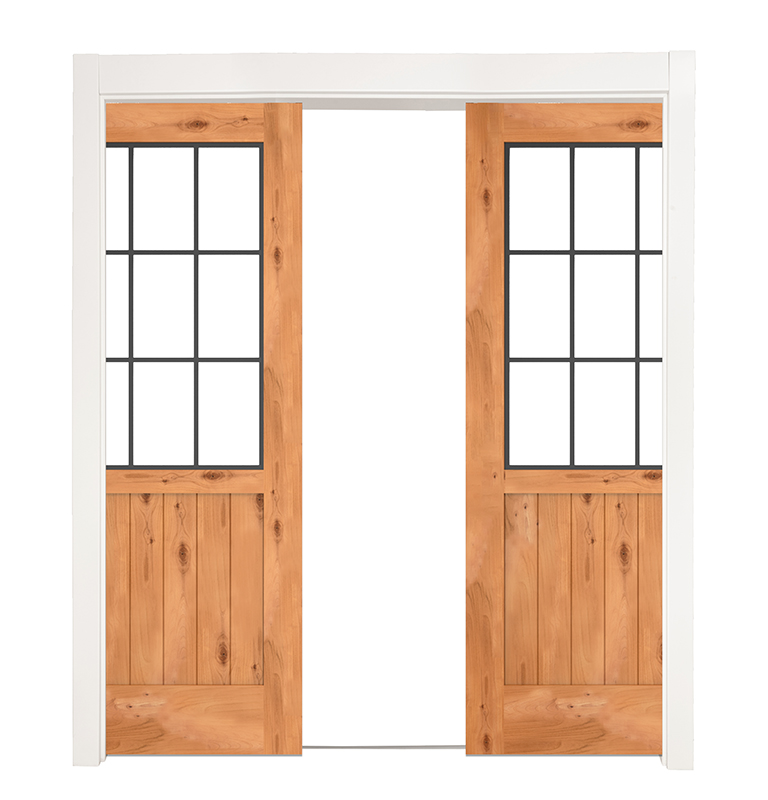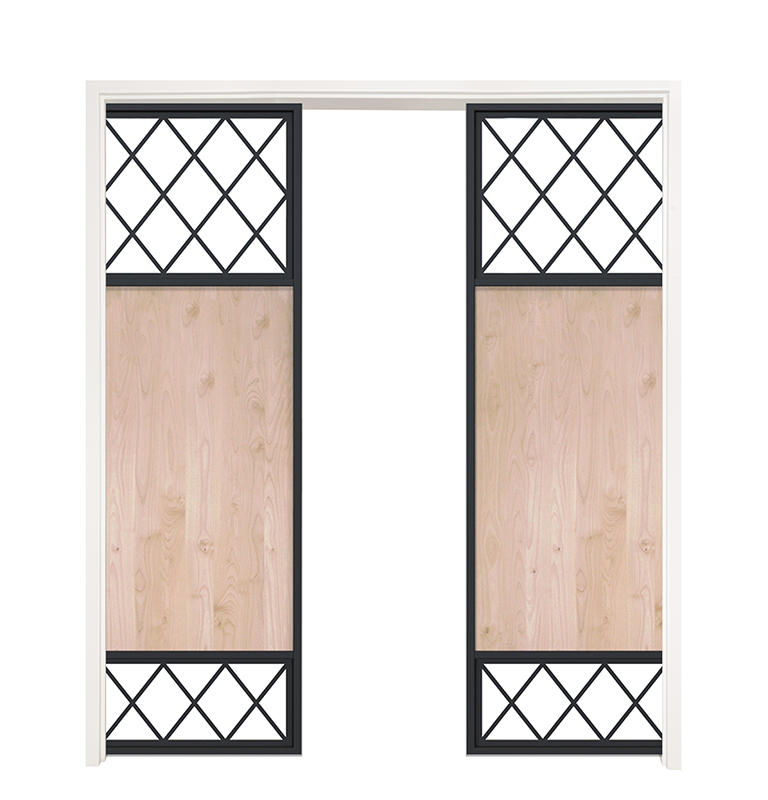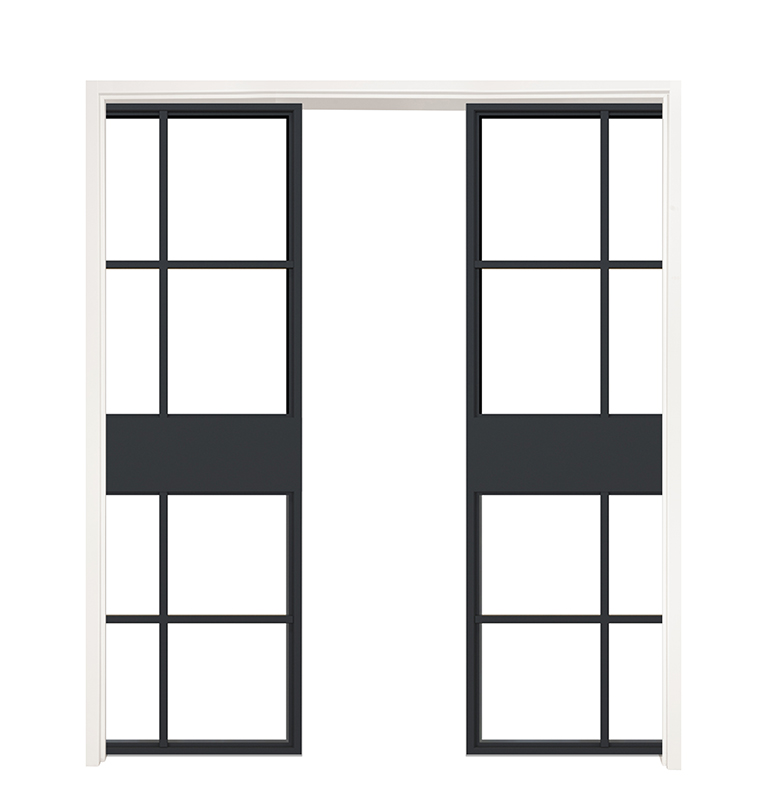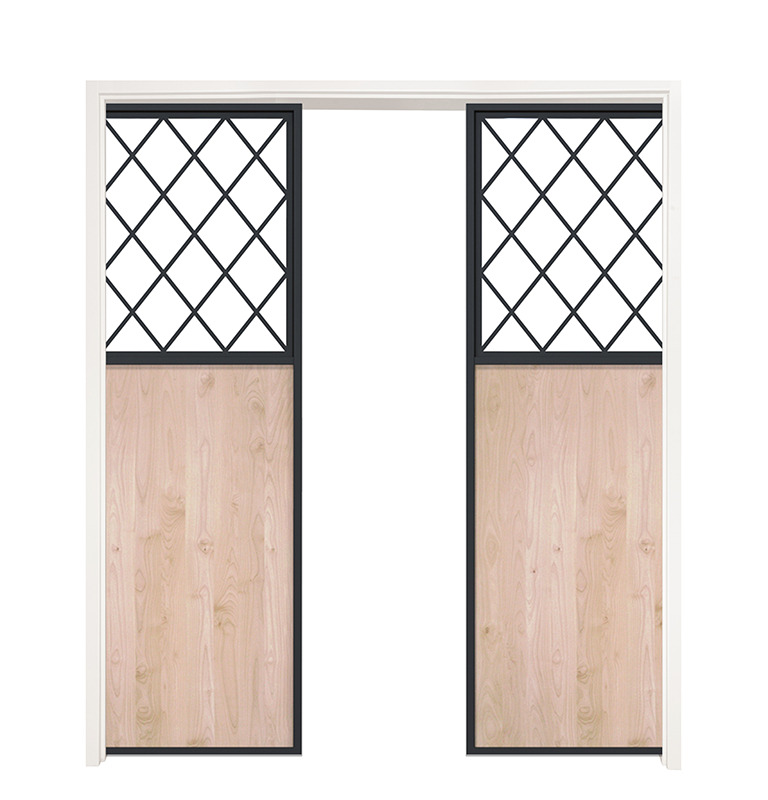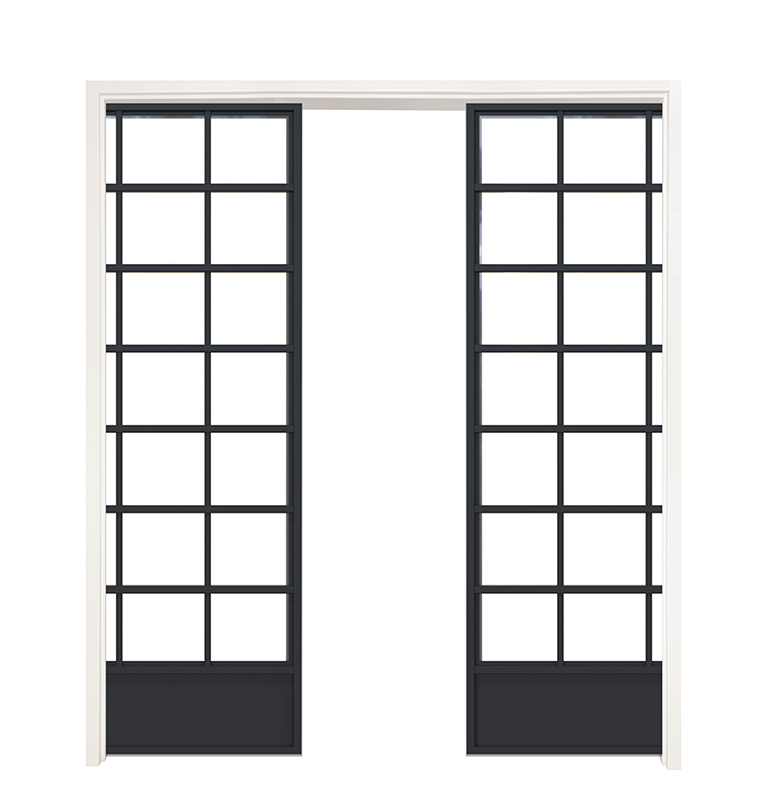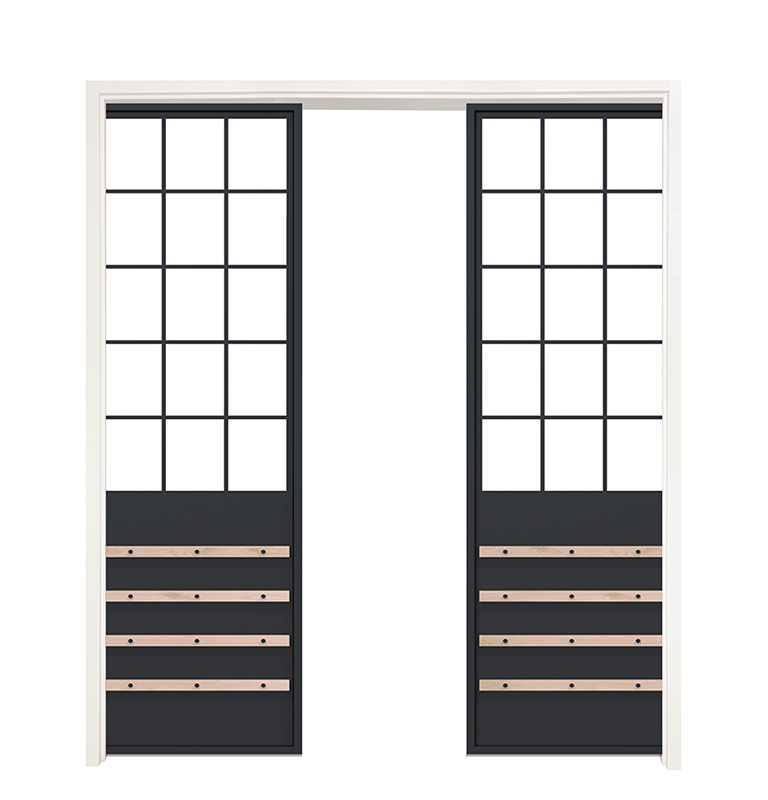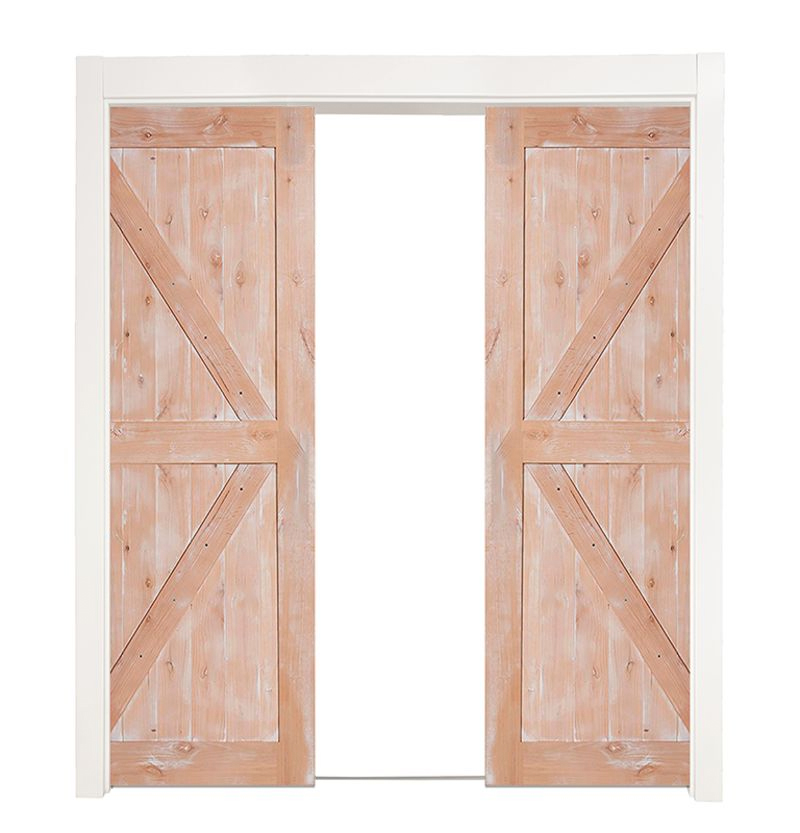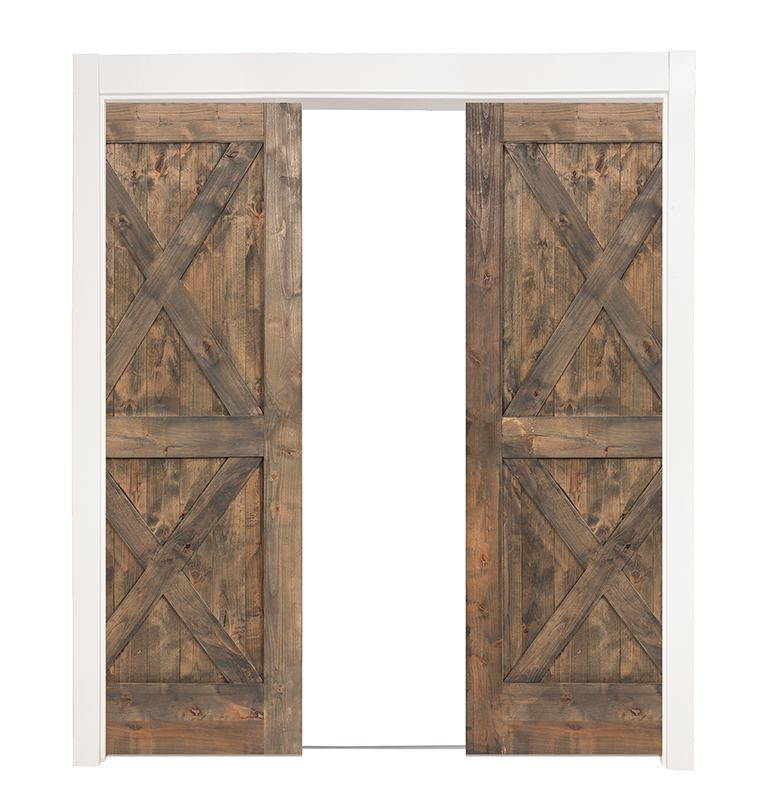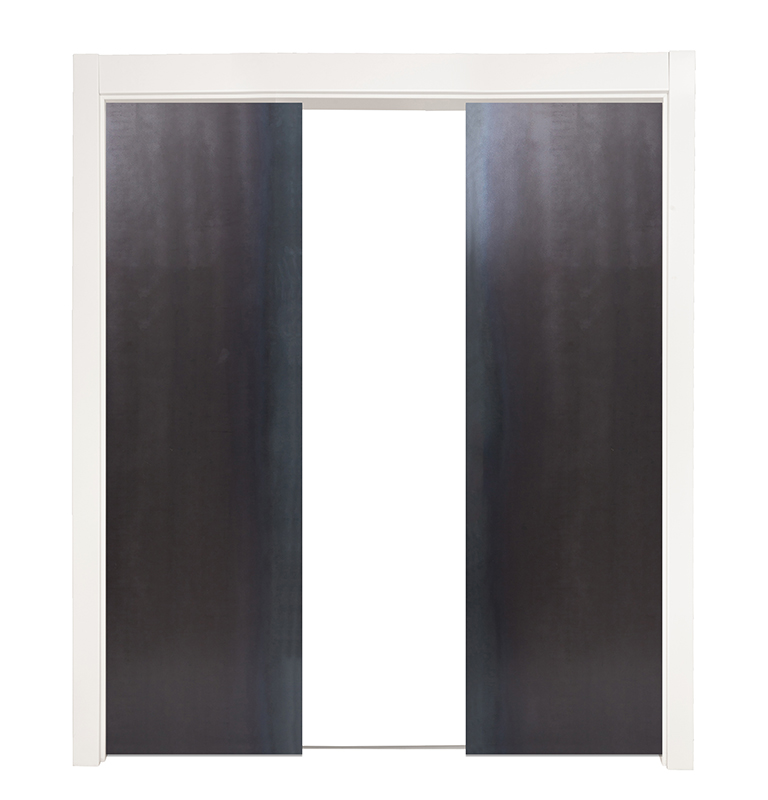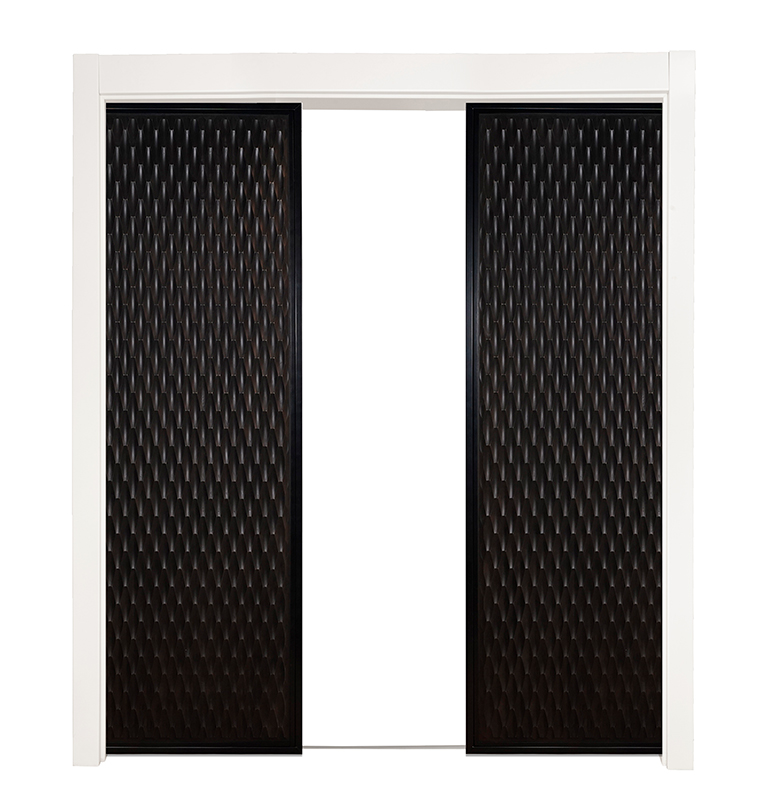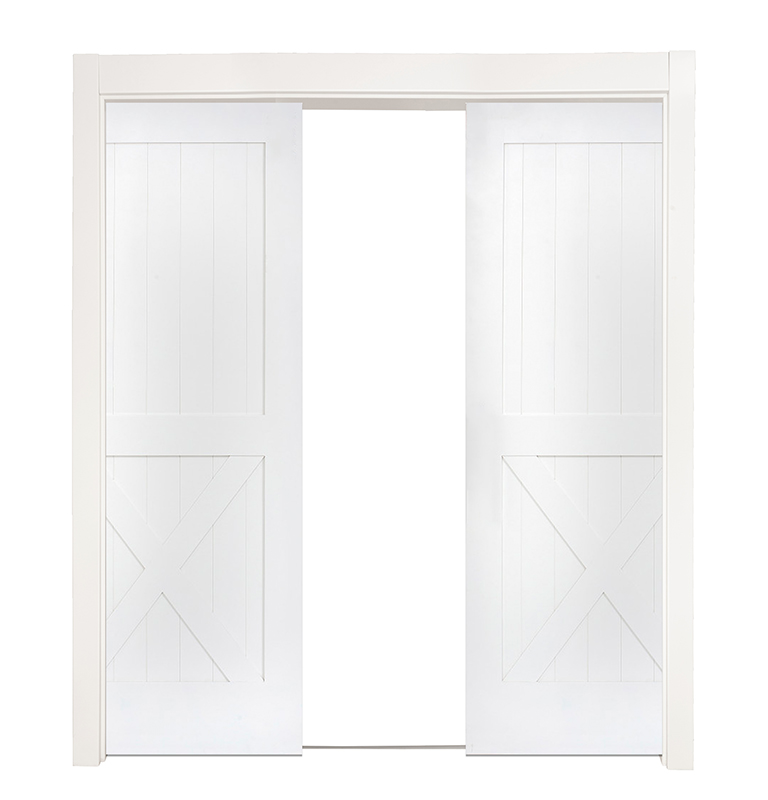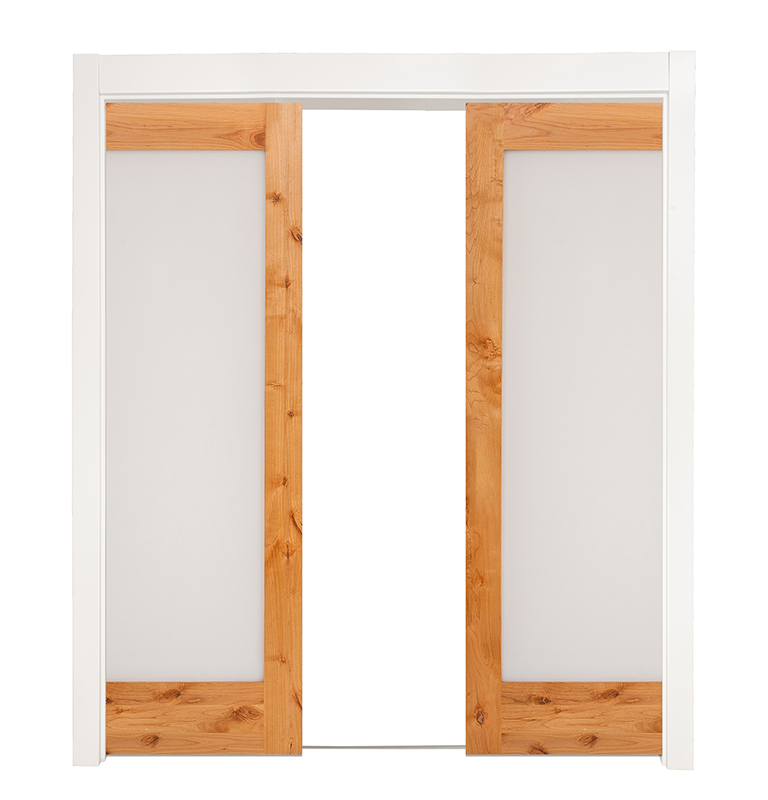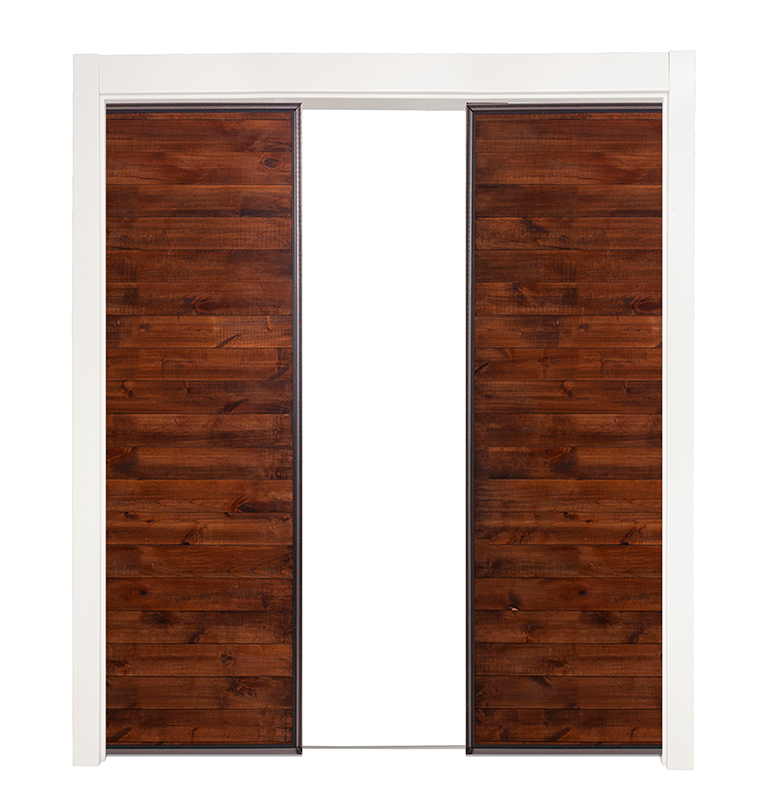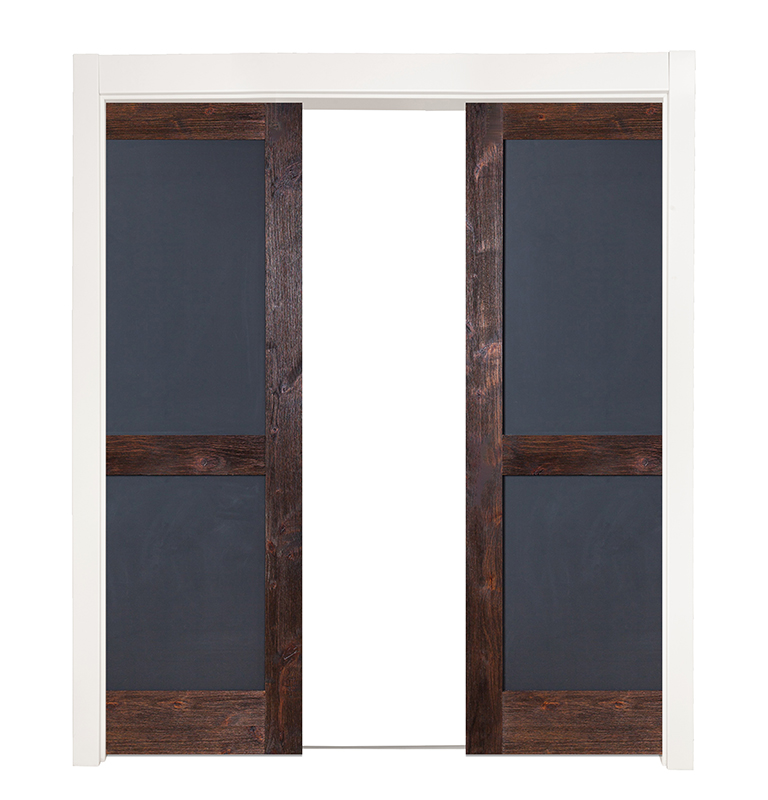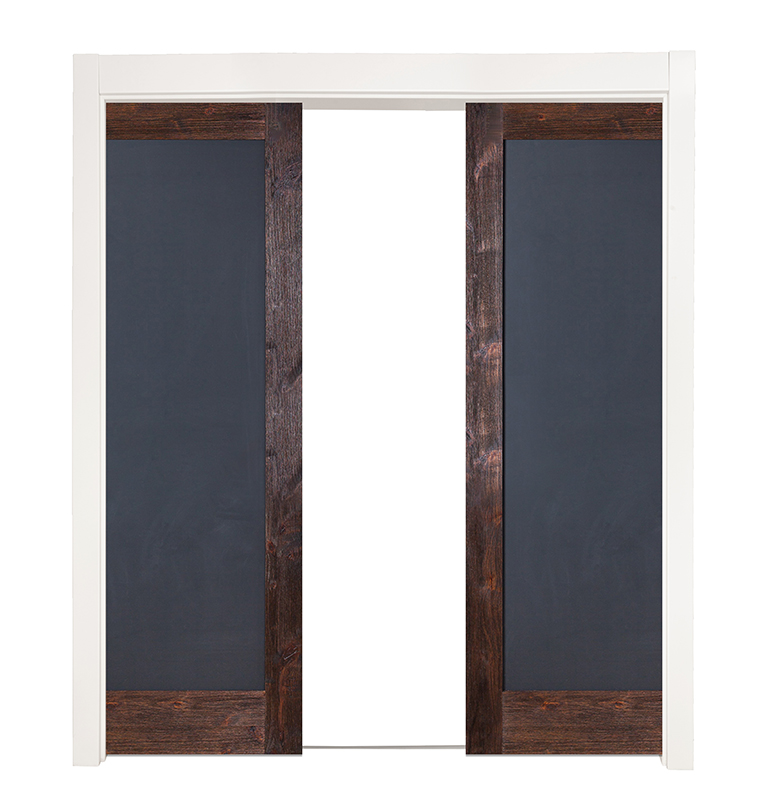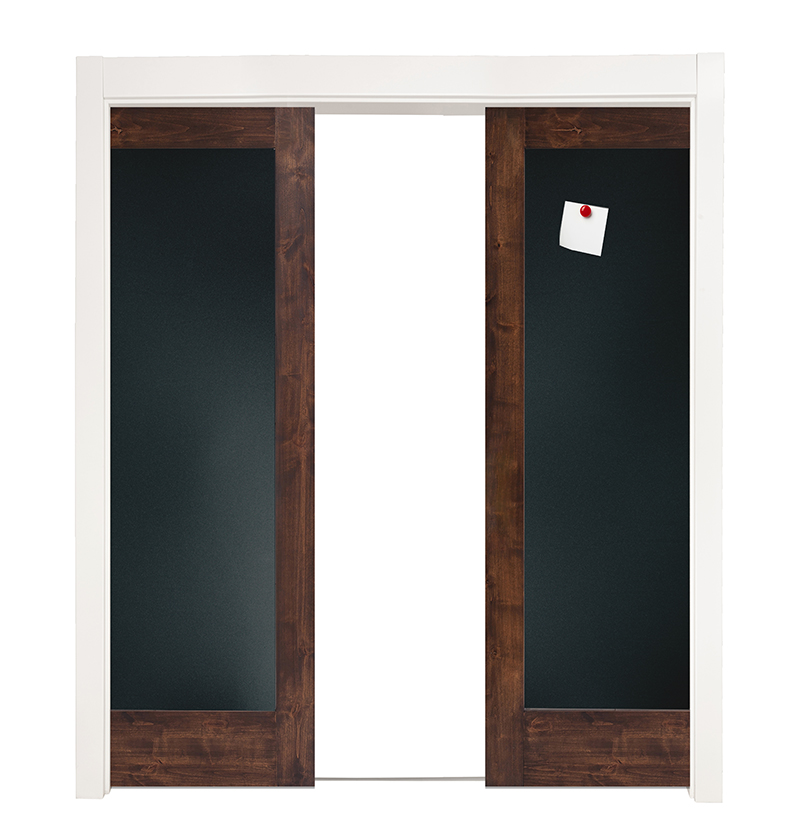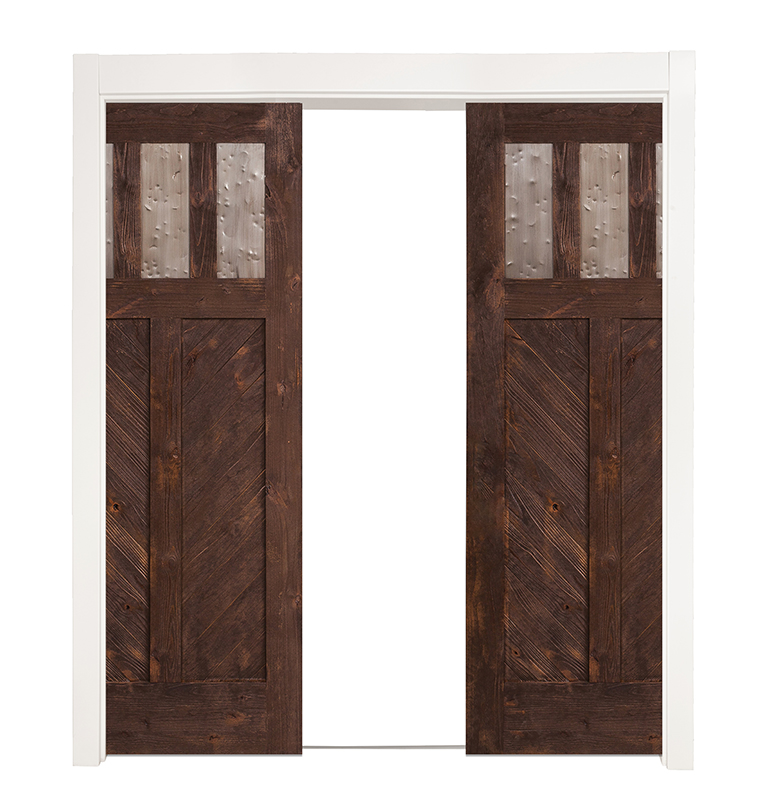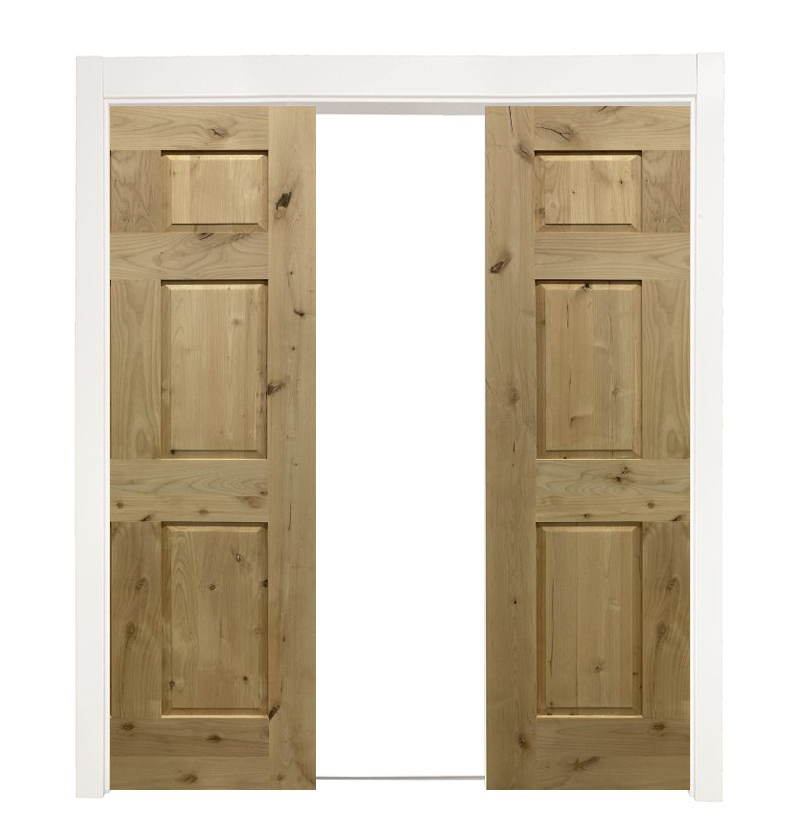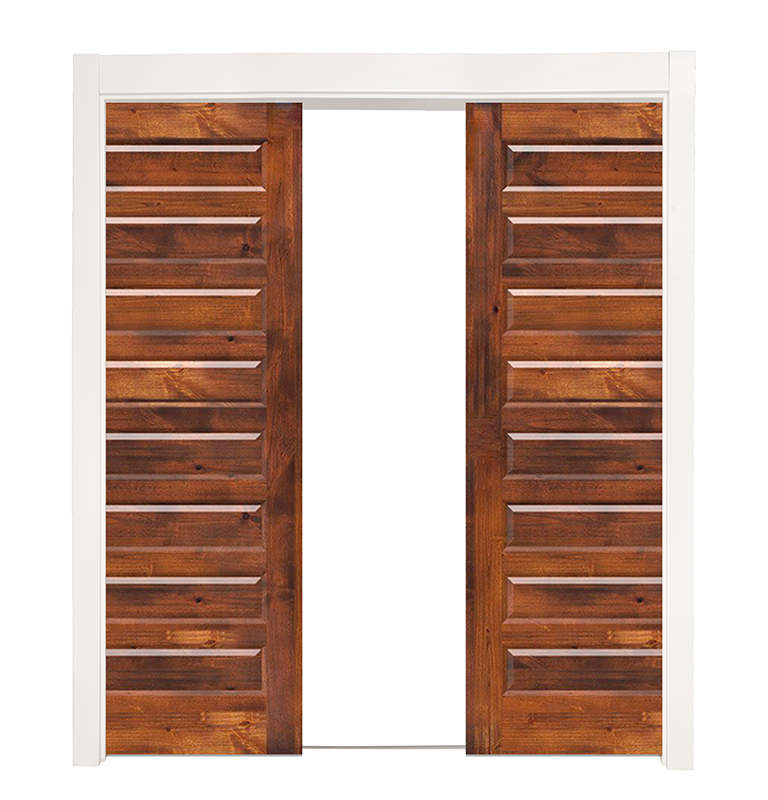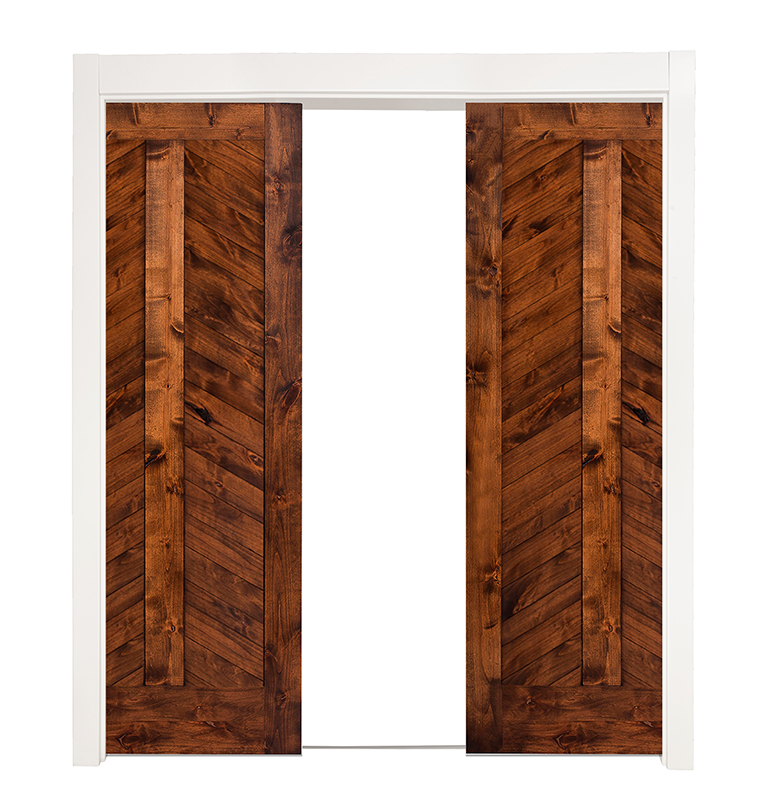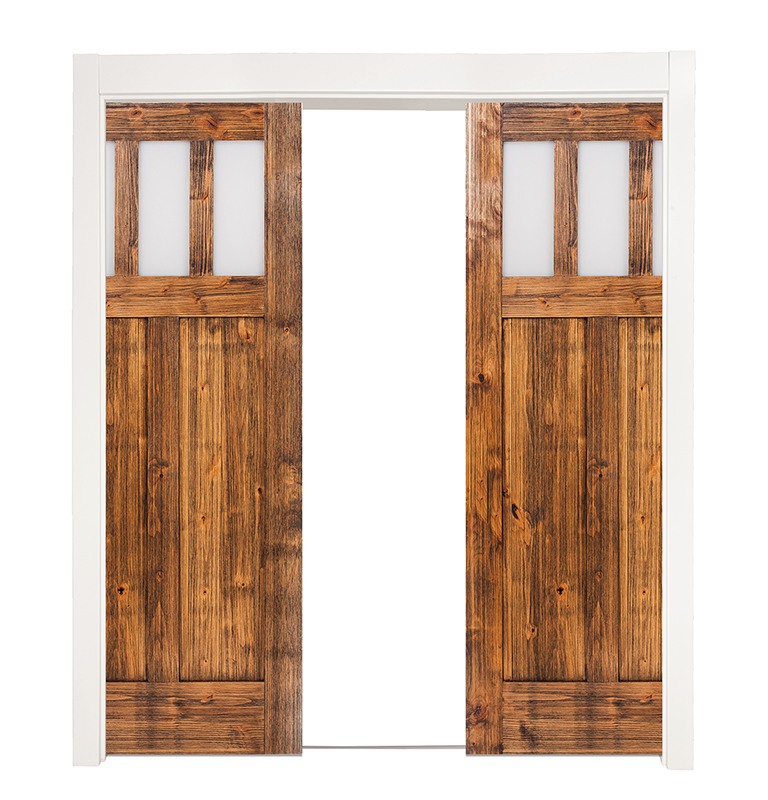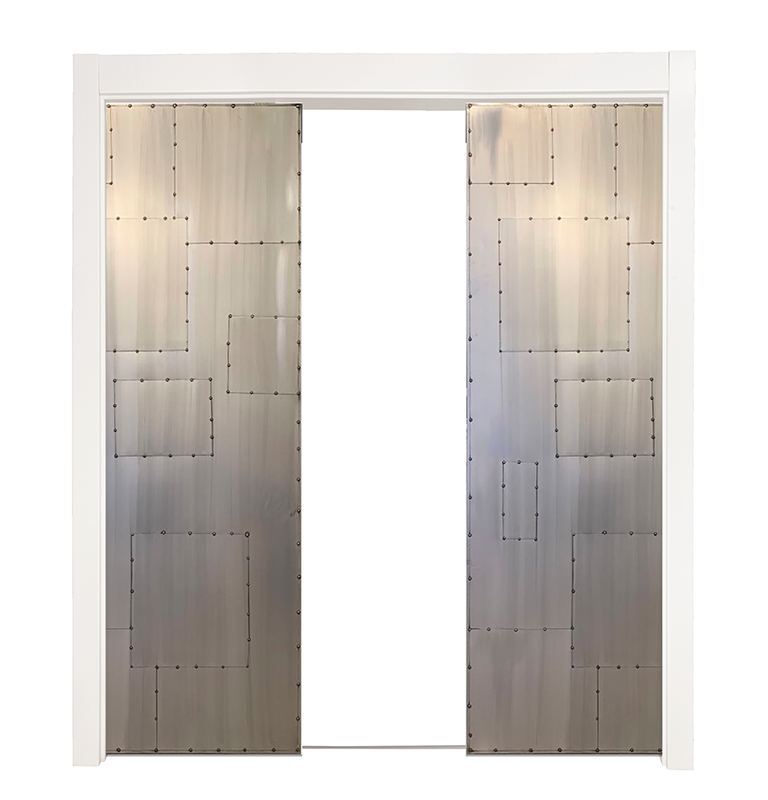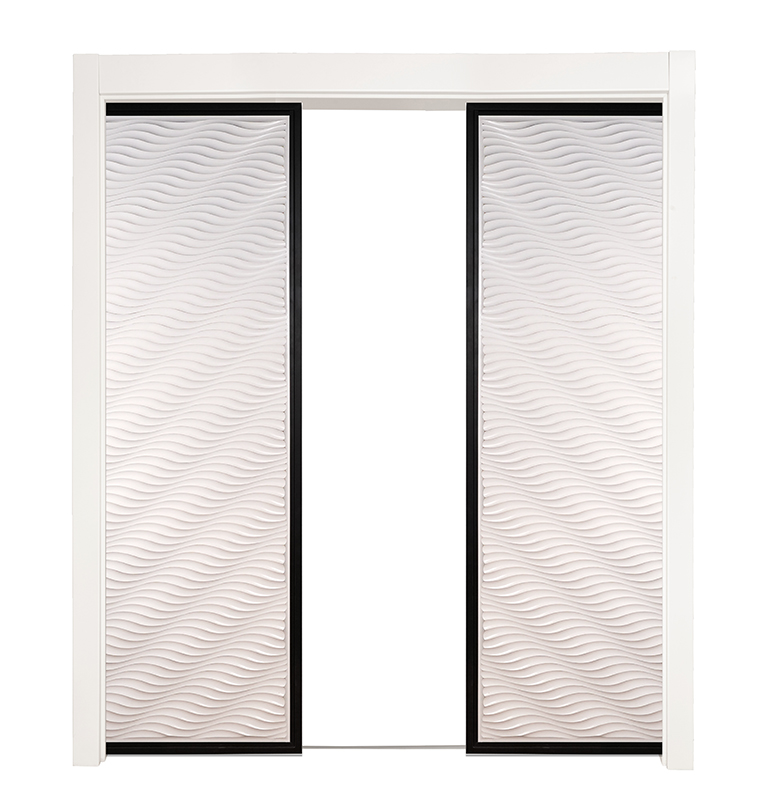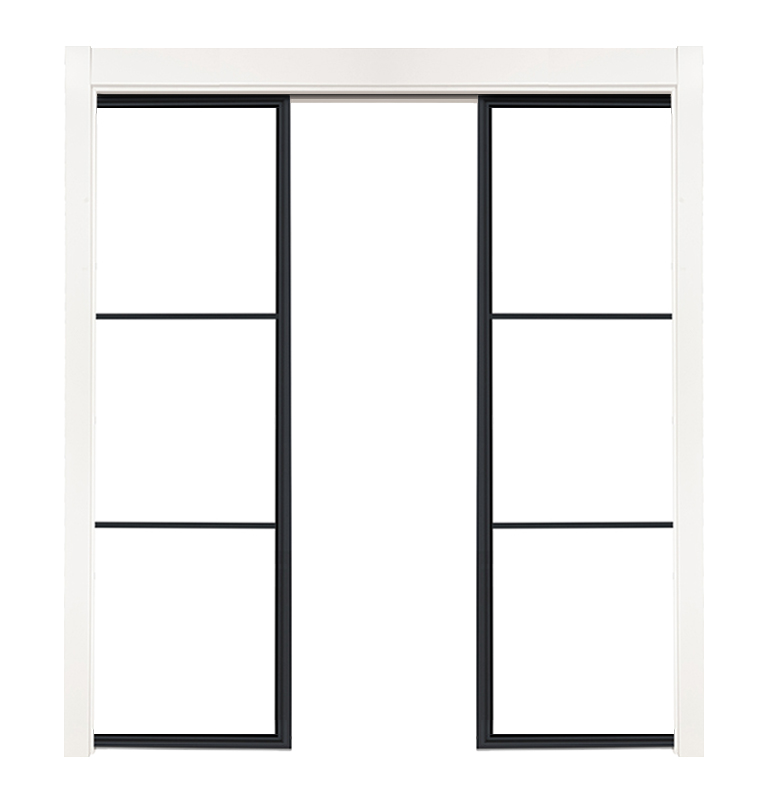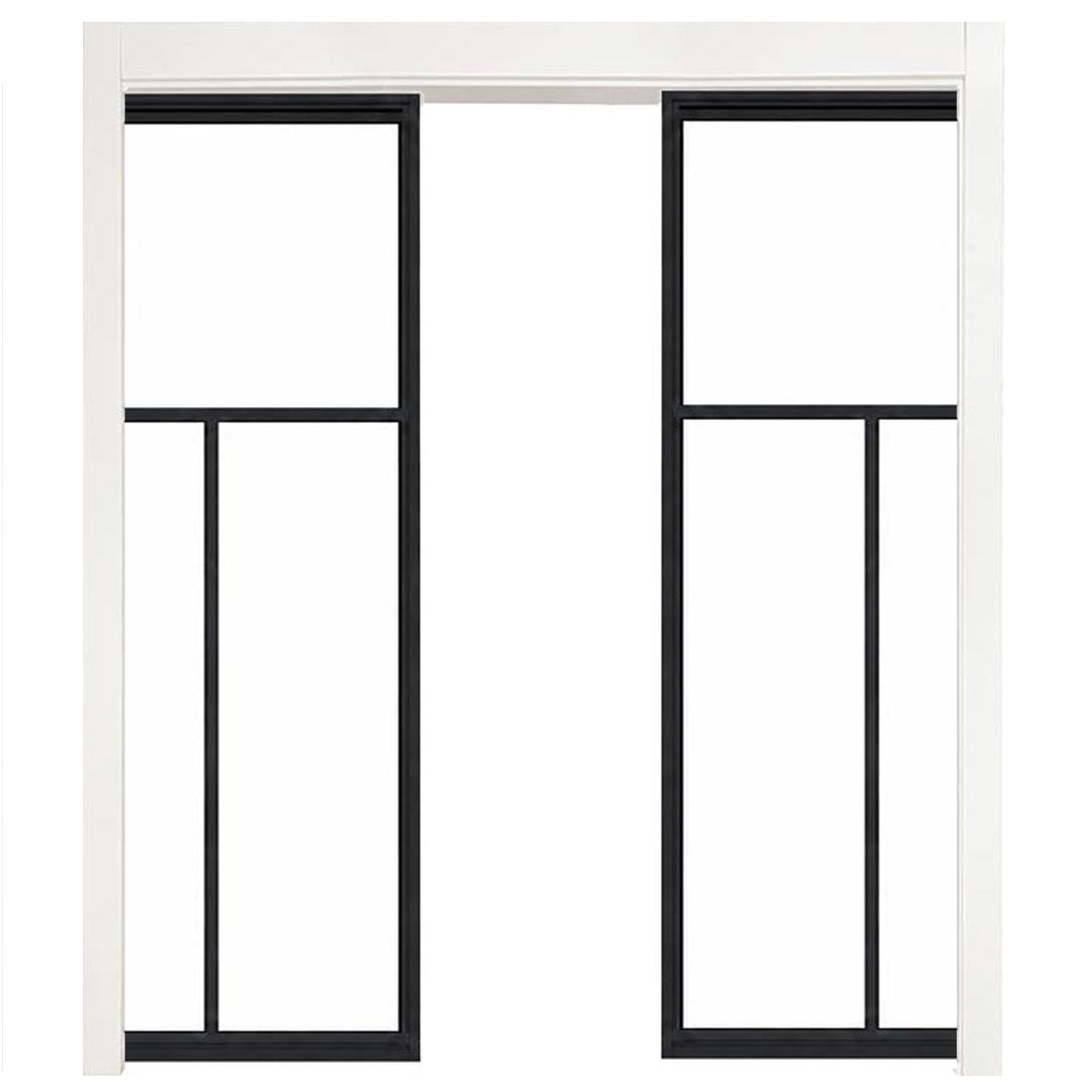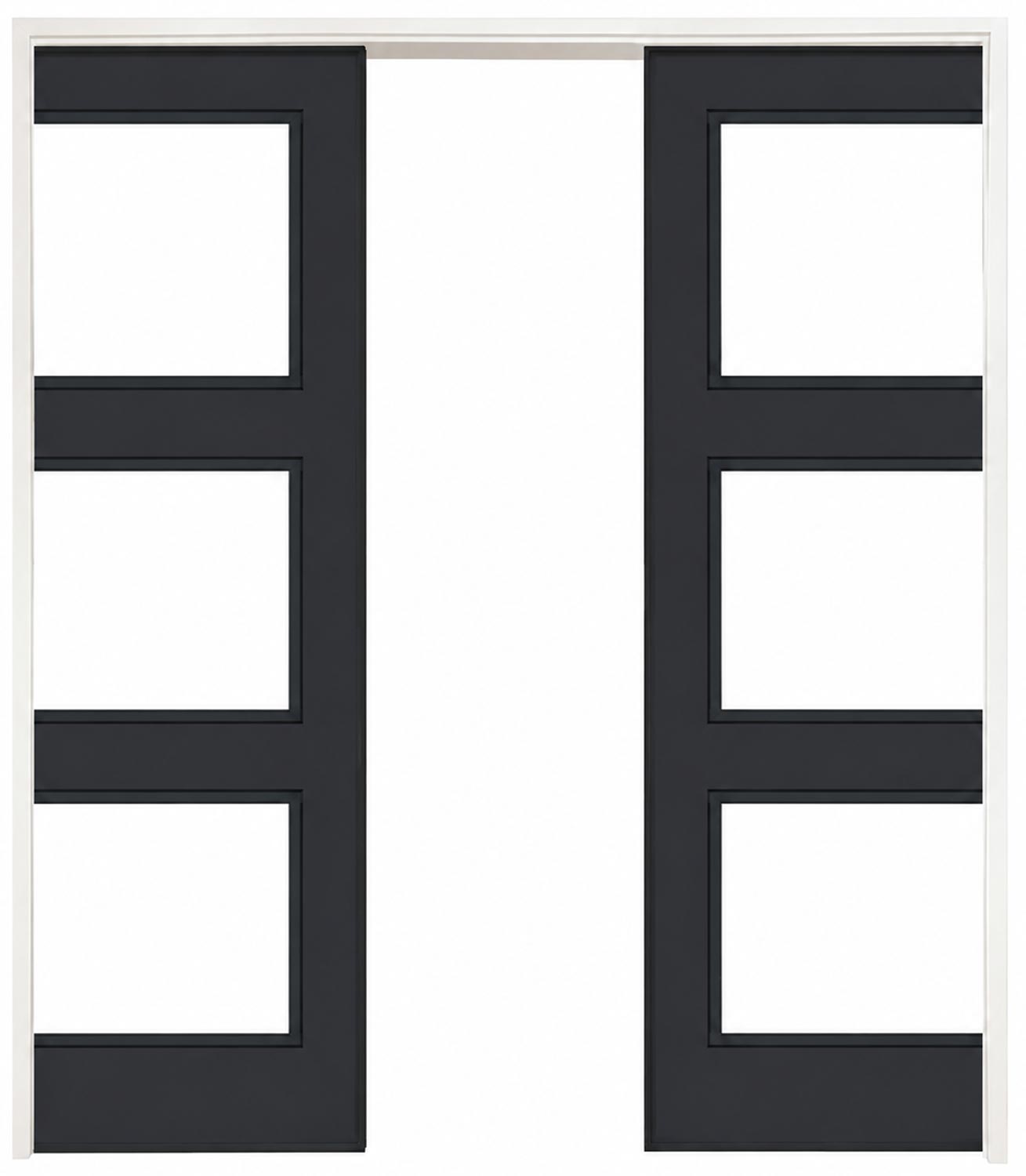
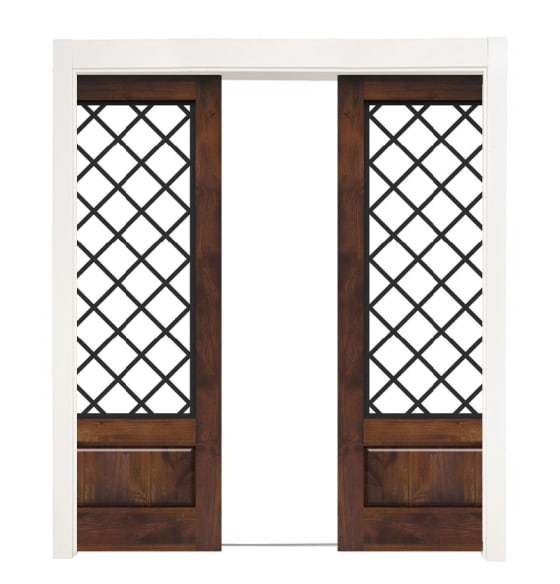
Double Pocket Doors

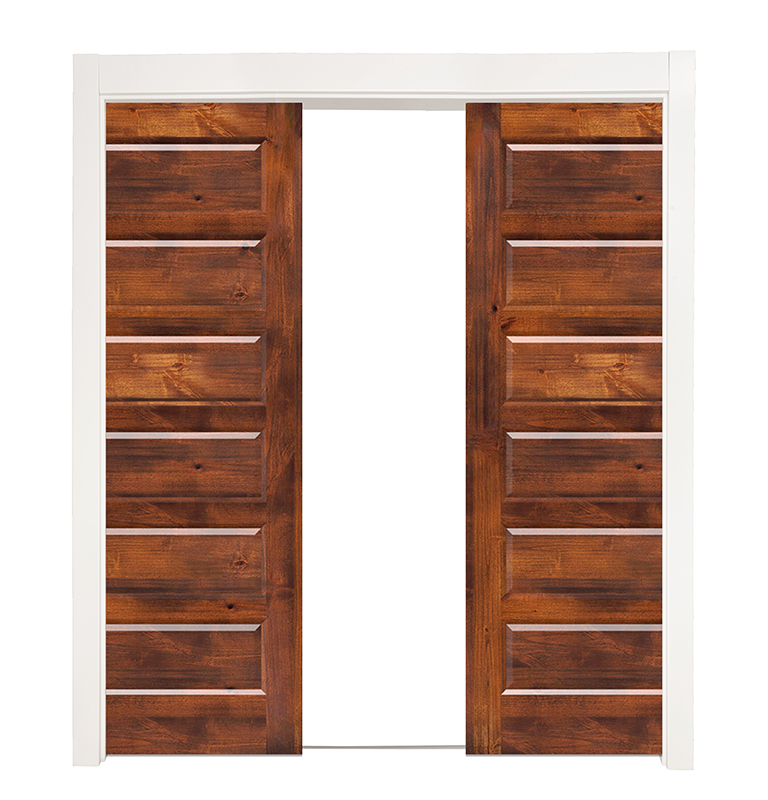
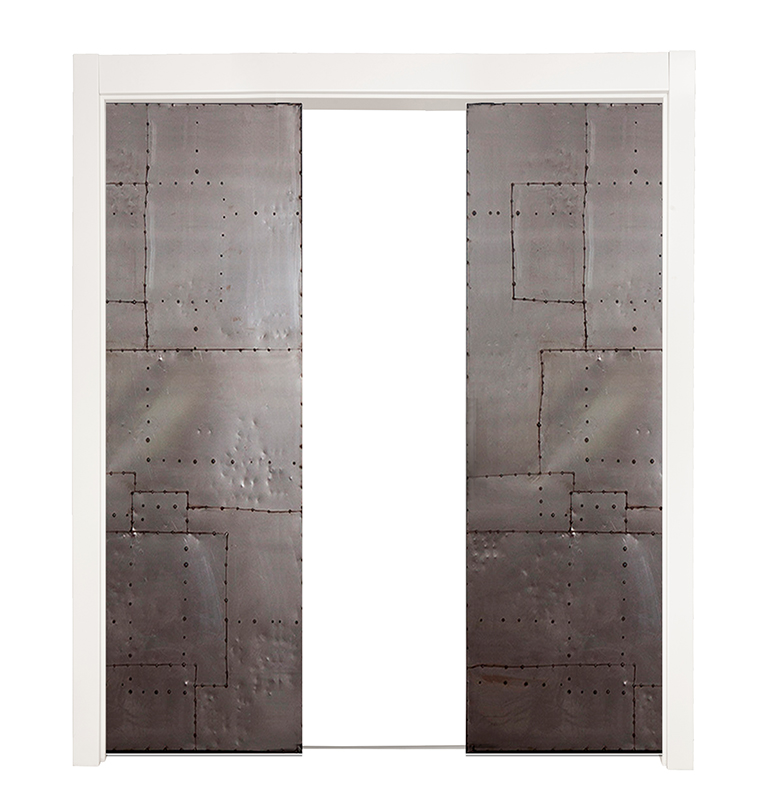
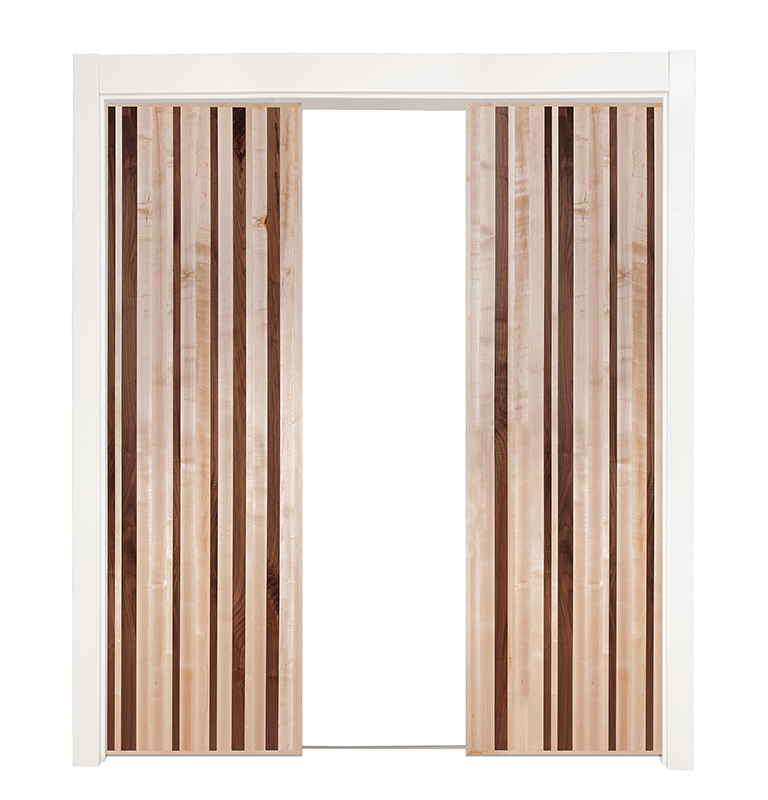
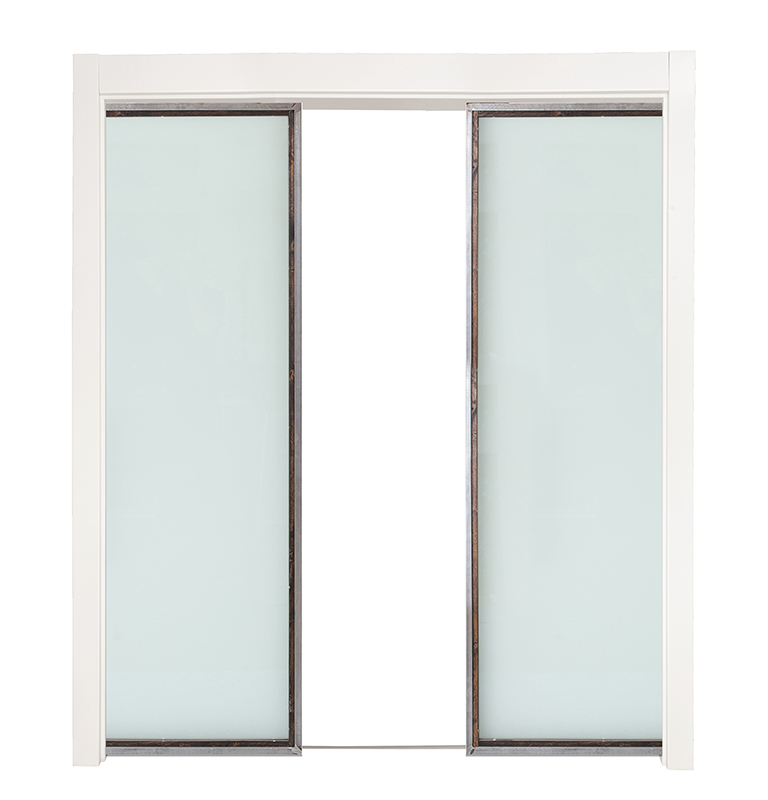
Open a wider connection between rooms with two panels that retreat into opposite wall pockets. Compare wood, metal and glazed designs as a coordinated pair.

Choose with confidence

Double Pocket Doors Buying Guide

Converging double pocket doors slide toward one another to close an opening and retract into wall cavities on opposite sides. They require space for two pockets, a coordinated overhead system and compatible hardware at the center meeting edges.

Reserve two wall pockets

Check the space and services on both sides of the doorway.

Align the meeting edges

The two panels need coordinated height, stops and closing hardware.

Plan retrieval and privacy

Choose pulls and any latch that work with the pocket clearance.

Plan the Two Sides of the Opening

Plan the Two Sides of the Opening
Part of the assemblyMain decisionCheck together
Left and right pocketsAvailable cavity spaceUtilities, structure and wall thickness.
Center meeting lineHow the pair closesPanel alignment, latch and edge preparation.
Recessed hardwareHow the doors are retrievedPull projection and pocket depth.

Survey Both Walls Before Choosing Panel Widths

A clear cavity on one side is not enough for a converging pair. Identify plumbing, wiring, switches and structural members in both proposed pocket locations. Have the installer establish the complete framed opening and pocket dimensions from the chosen system.

The general pocket door guide covers the basic wall-cavity approach. A double installation adds the need to coordinate two travel paths across one central opening.

Treat the Center as a Designed Joint

Choose whether one panel will normally stay closed or both will operate daily. The meeting edges, latch and stop positions must support that use. Check the sightline through the joint and the way any decorative grid aligns across it.

Matching door designs do not automatically create a matched hardware arrangement. Specify the pair, overhead system and closing hardware together, including any soft-close option that is actually available for that configuration.

Keep Pulls Clear of the Pockets

A projecting handle can prevent a panel from entering its cavity. Review recessed pulls, edge pulls and their required preparation before the doors are made. Decide how much of the leading edge remains accessible when open.

For a steel-framed design, the metal pocket door collection helps compare panel construction. Confirm the pull preparation with that frame rather than assuming it can be bored like a wood slab.

Before You Order

  1. Map the complete wall assembly

    Measure the opening and both pocket locations with the installer.

  2. Specify the pair as one system

    Approve panel sizes, meeting details and compatible tracks.

  3. Resolve daily operation

    Select pulls, latching and retrieval positions before finishing the walls.

Get help with your project

Double Pocket Doors: Common Questions

Are double pocket doors the same as bypass pocket doors?

No. A converging pair moves into opposite wall pockets. A bypass arrangement places panels on separate planes so they can overlap; its framing requirements differ.

Can projecting handles disappear into the wall?

Usually they conflict with a narrow pocket cavity. Choose hardware and preparation designed for the selected system, and confirm the available clearance.