Metal Pocket Doors

Let a striking door disappear into the wall when the room opens up. Discover interior pocket-door designs with steel detailing, glazed panels, mirror surfaces and industrial metal finishes.

Choose with confidence

Metal Pocket Doors Buying Guide

A metal pocket door slides into a cavity inside the wall instead of swinging across the room. In this collection, metal can form the frame, decorative grid or facing of the door; the underlying construction varies. Select the panel and its compatible pocket hardware together, with enough wall space and the correct preparation for the finished door.

Pick the surface

Compare a view through glass, a reflective mirror and the more enclosed appearance of metal facing.

Resolve the wall pocket

Check cavity depth, usable length and any services or framing that occupy the planned travel space.

Coordinate panel and mechanism

Verify finished weight, thickness, roller preparation and pulls against the chosen track and pocket frame.

Compare Metal Pocket Door Construction

Compare Metal Pocket Door Construction
DesignWhat you seePlanning detail
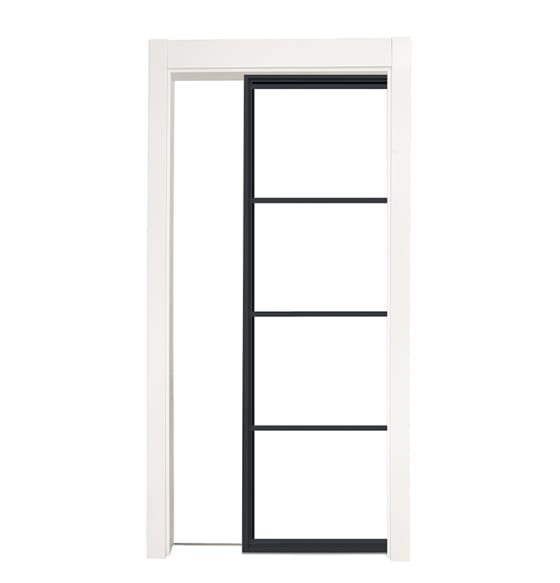
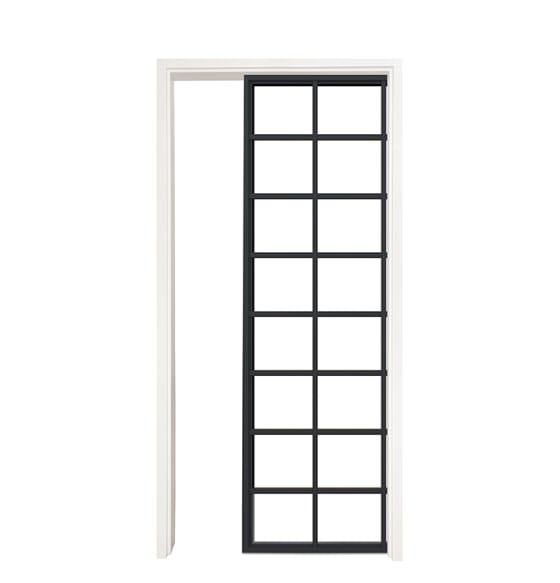
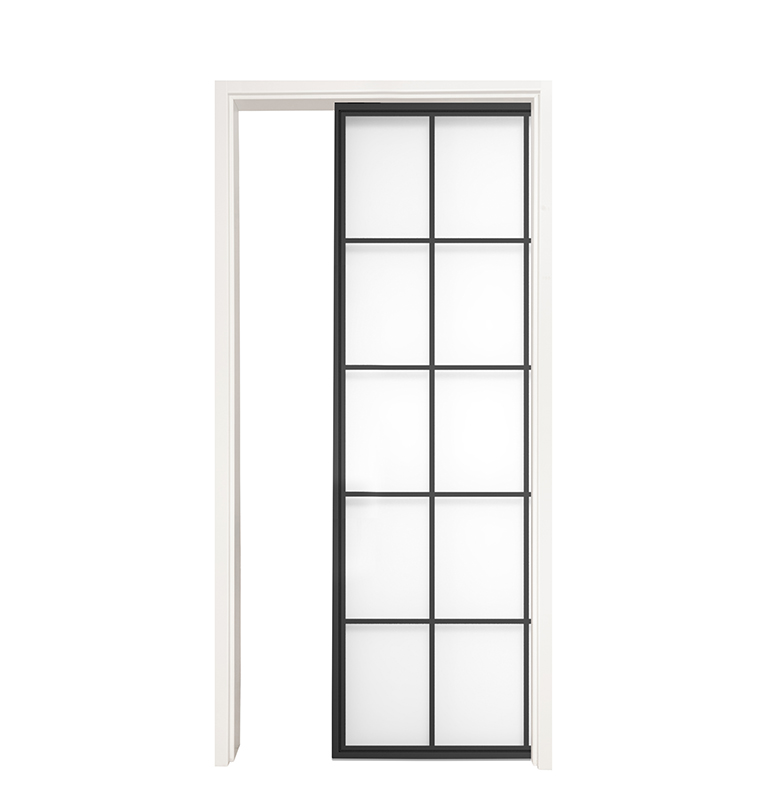
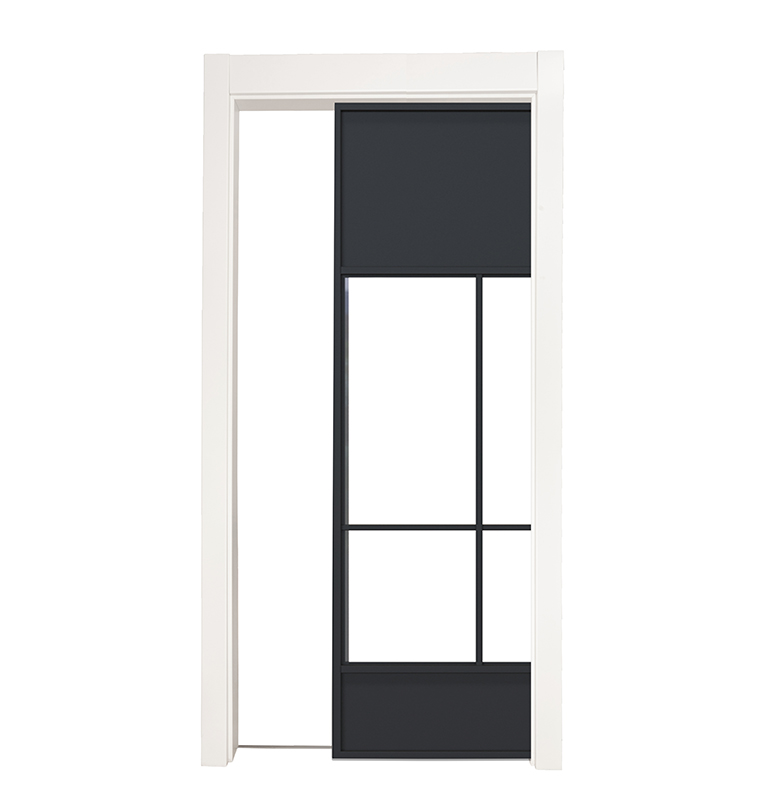
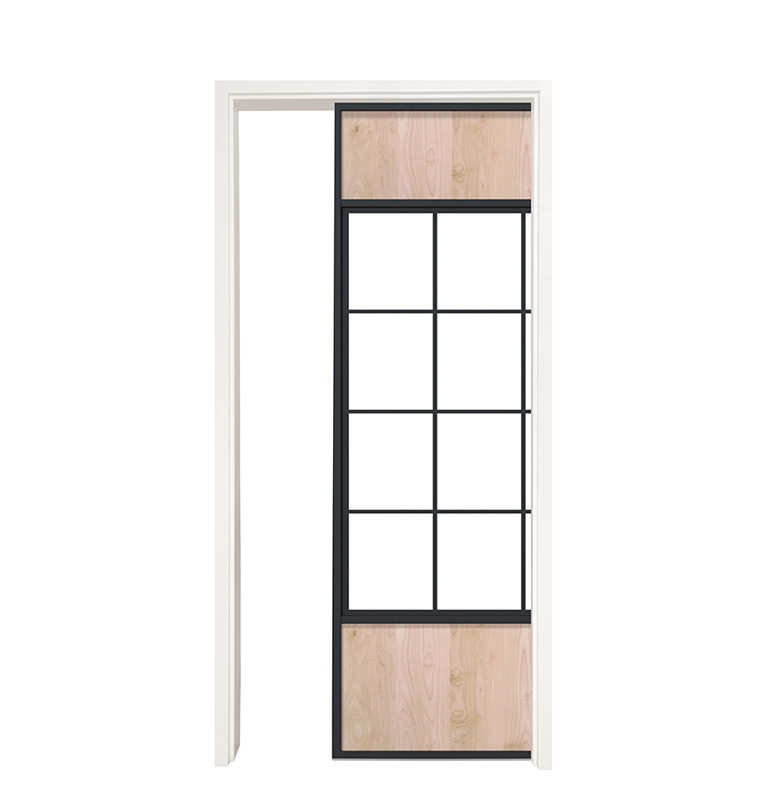
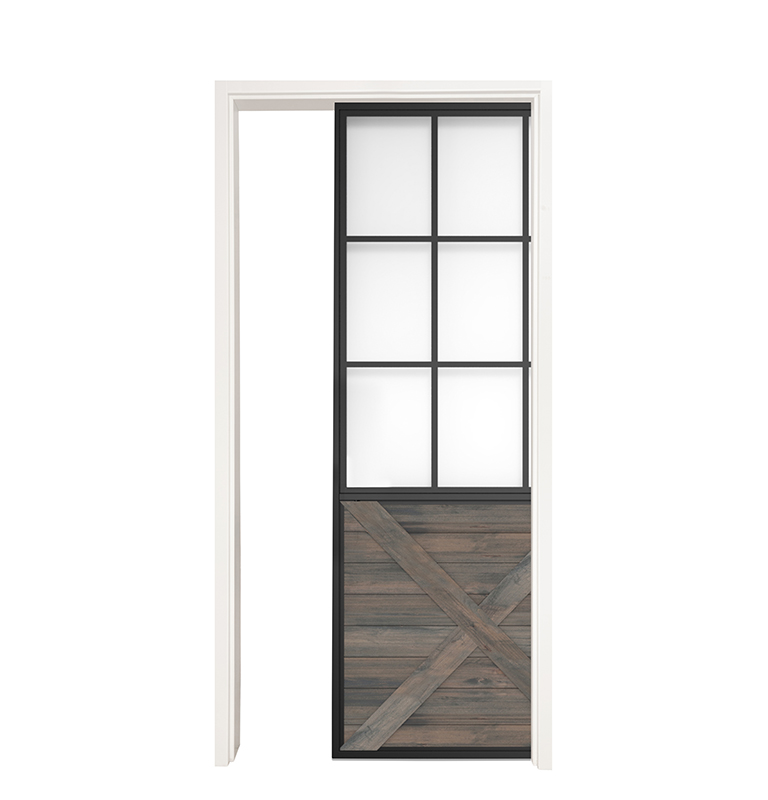
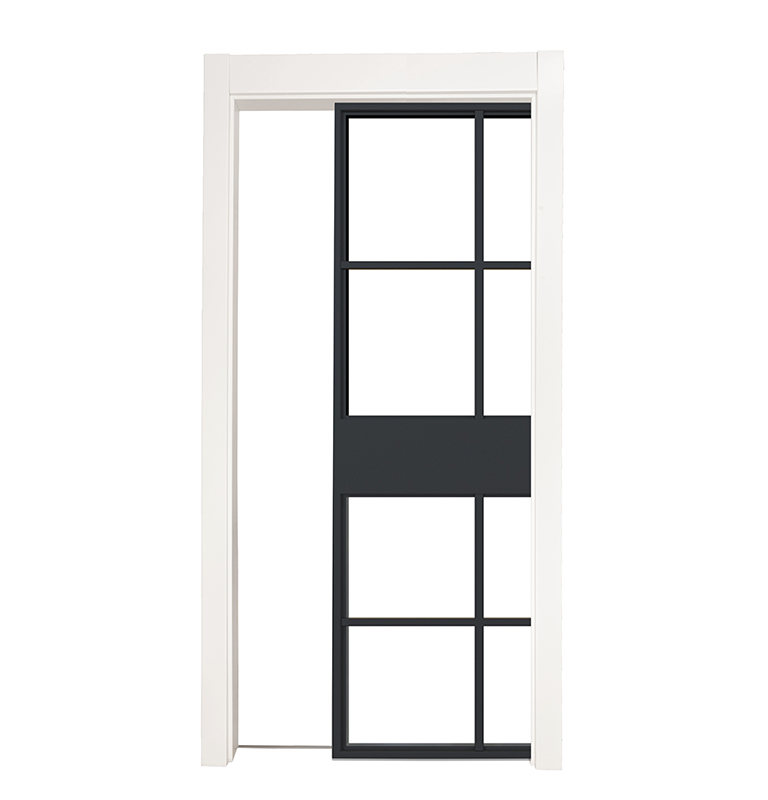
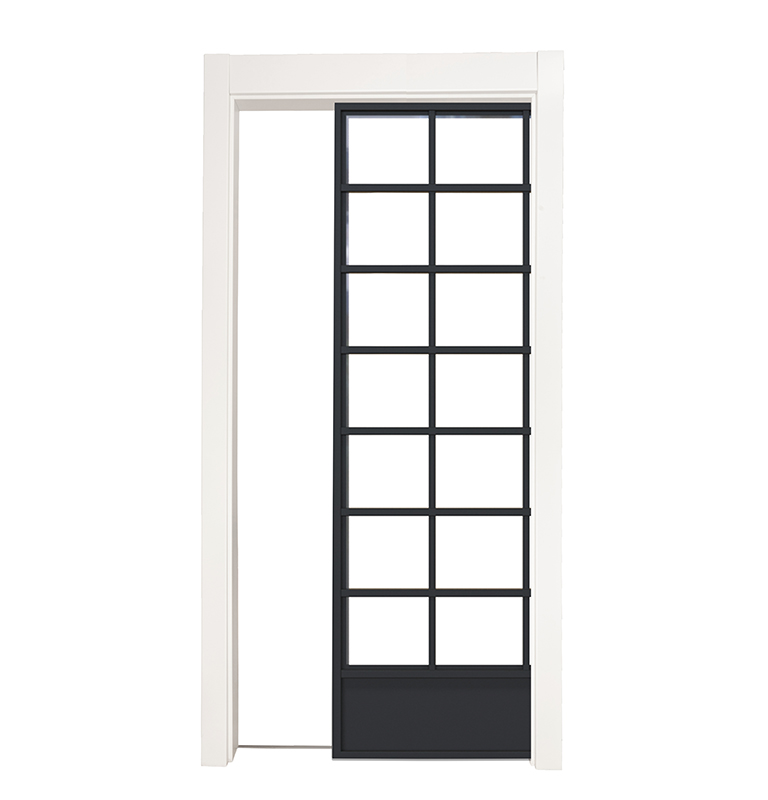
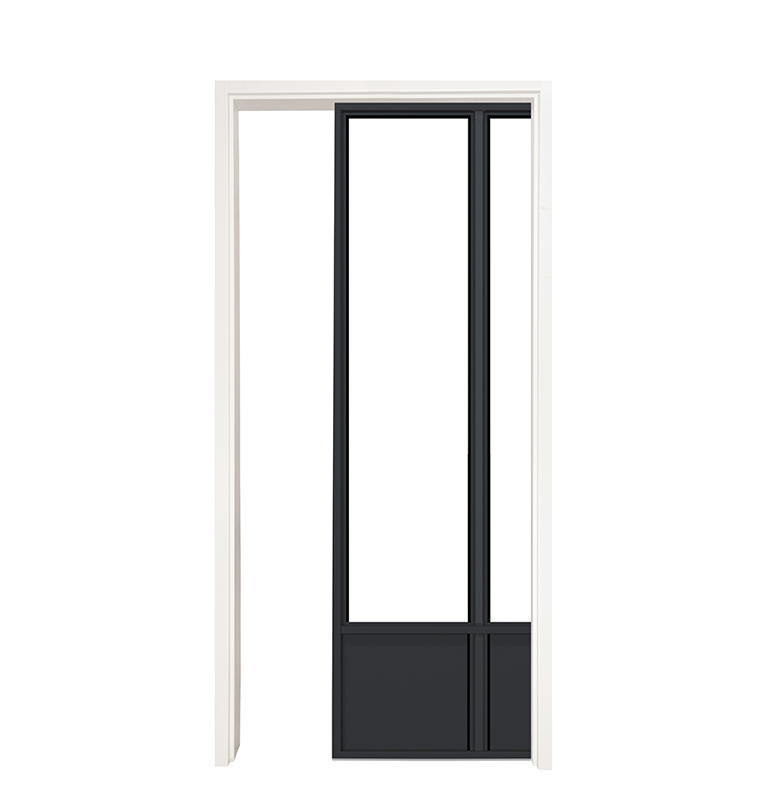
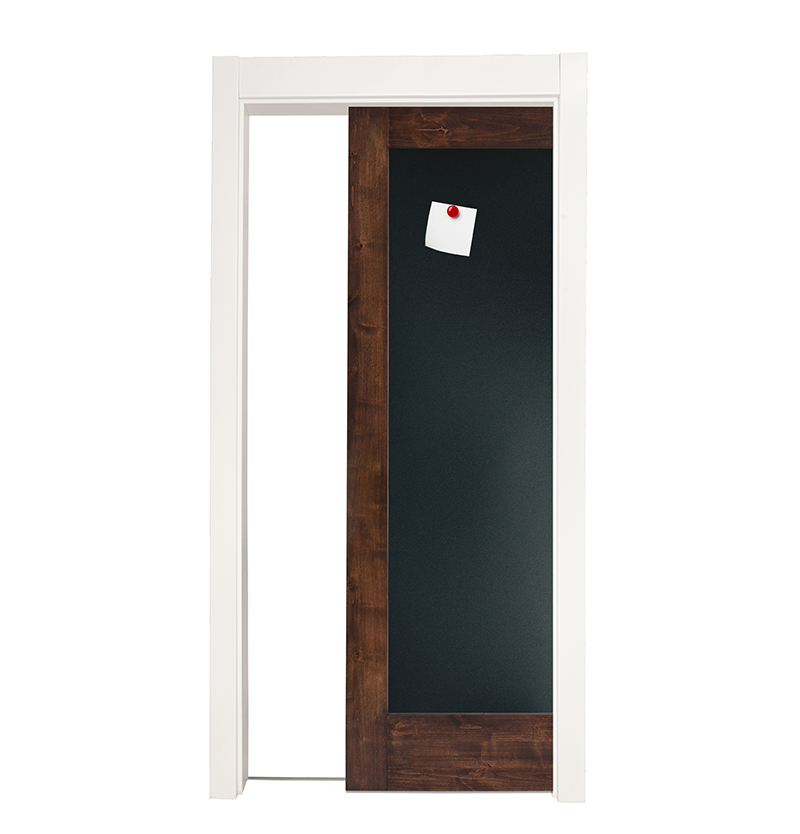
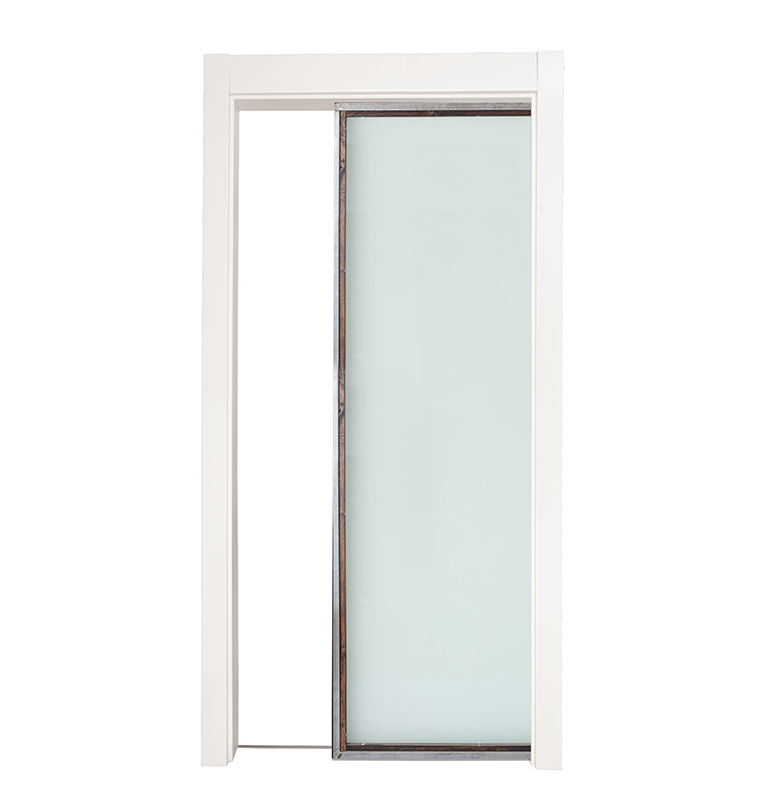
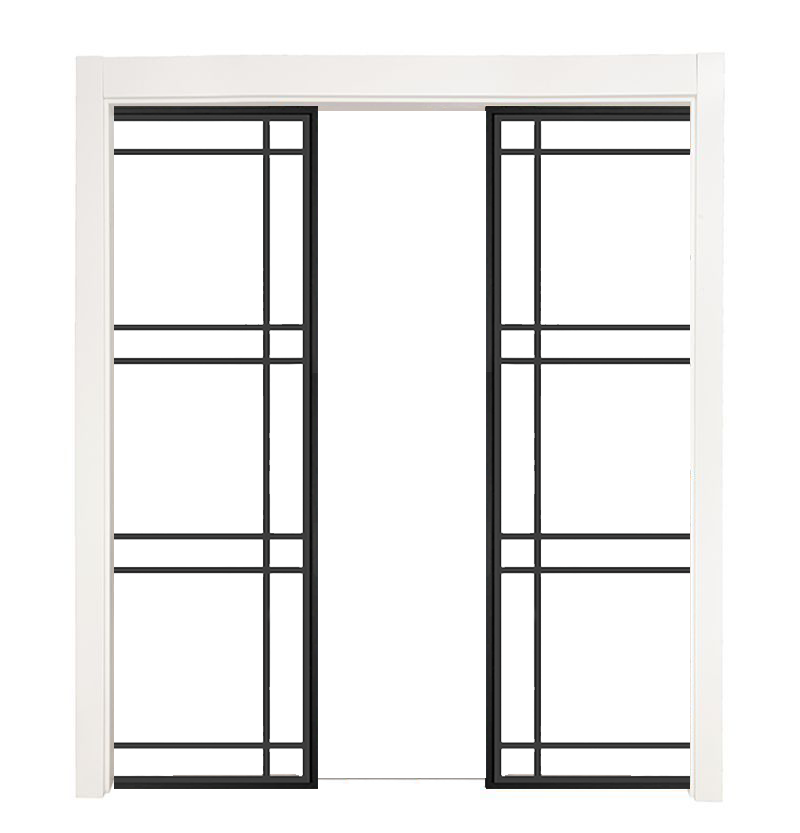
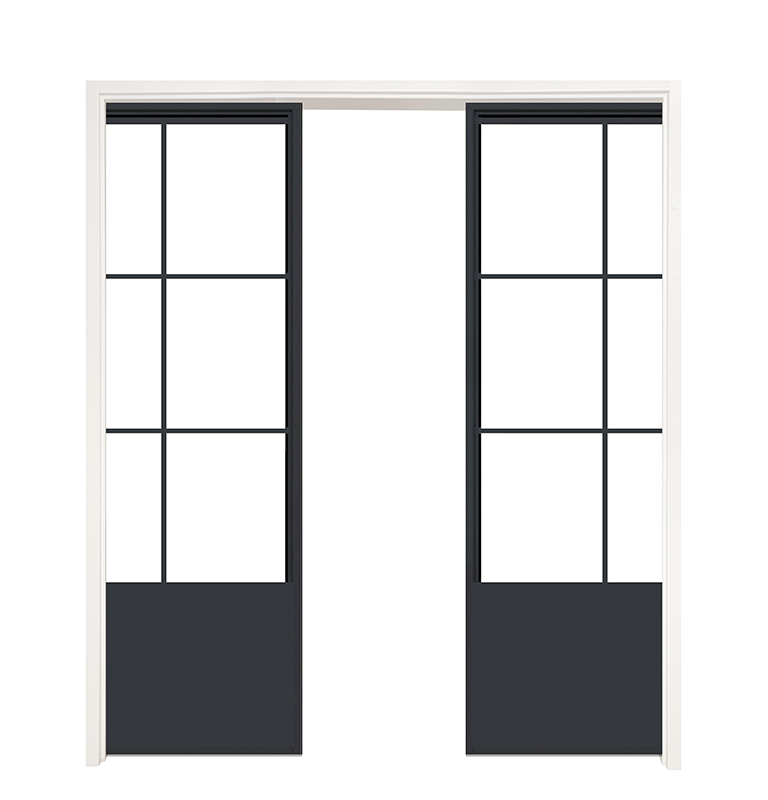
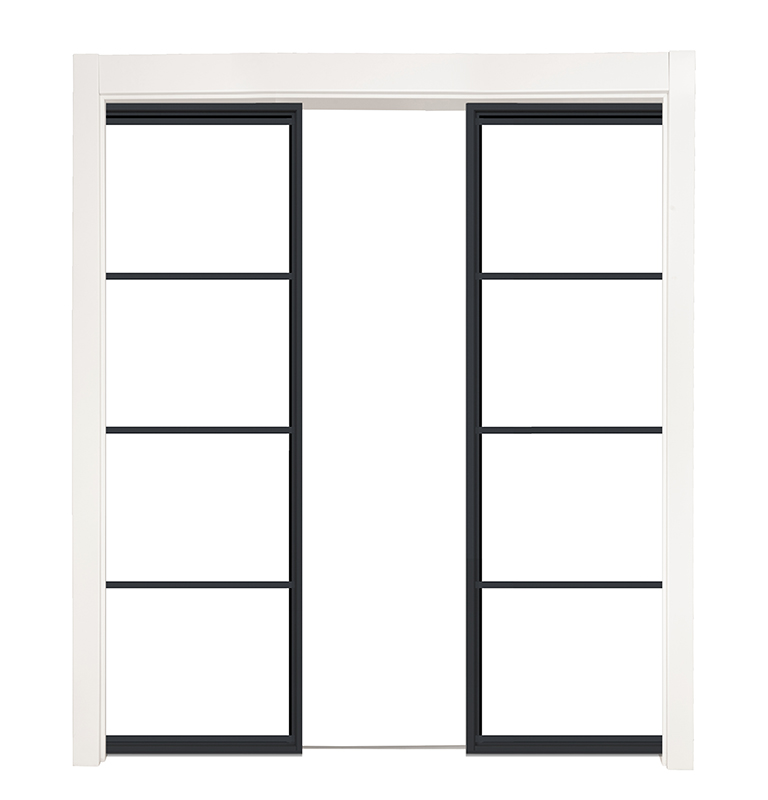
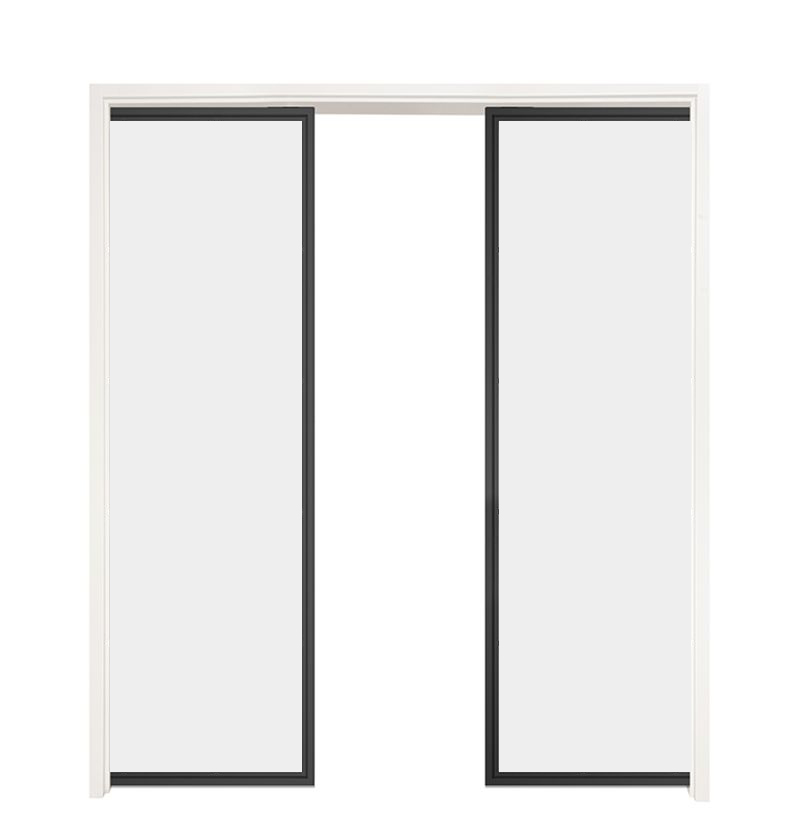
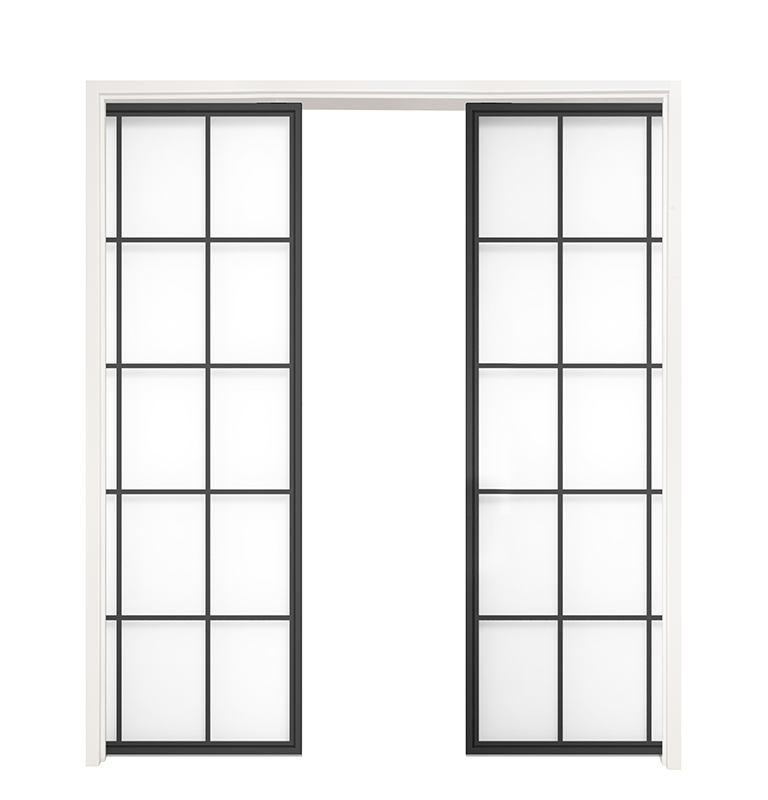
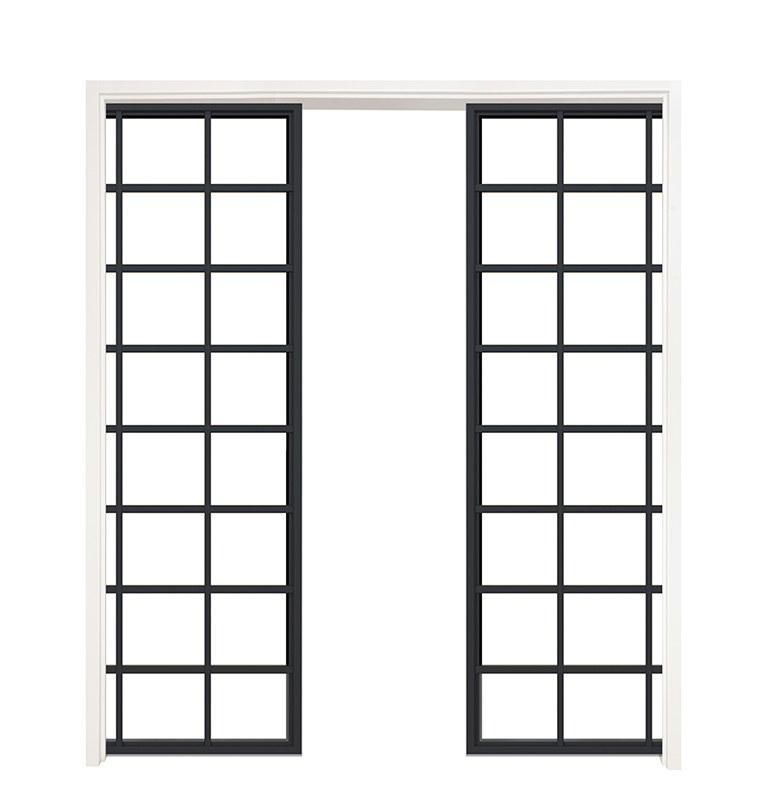
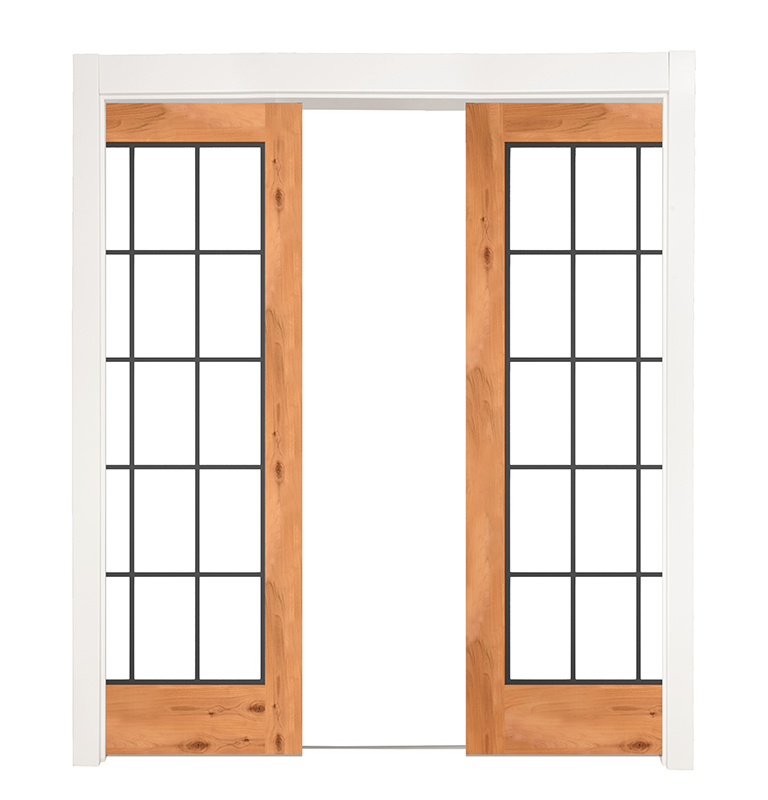
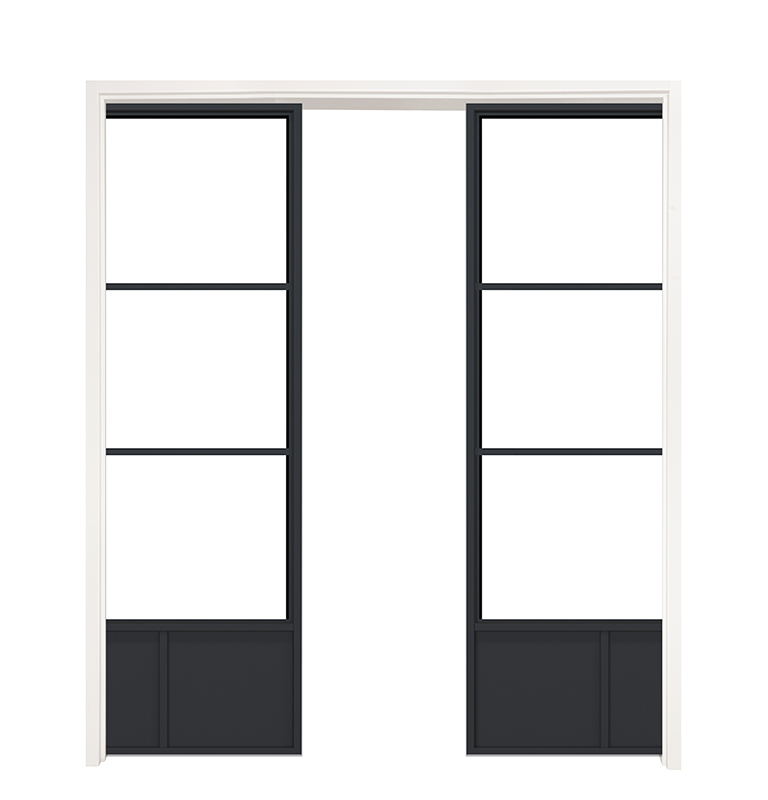
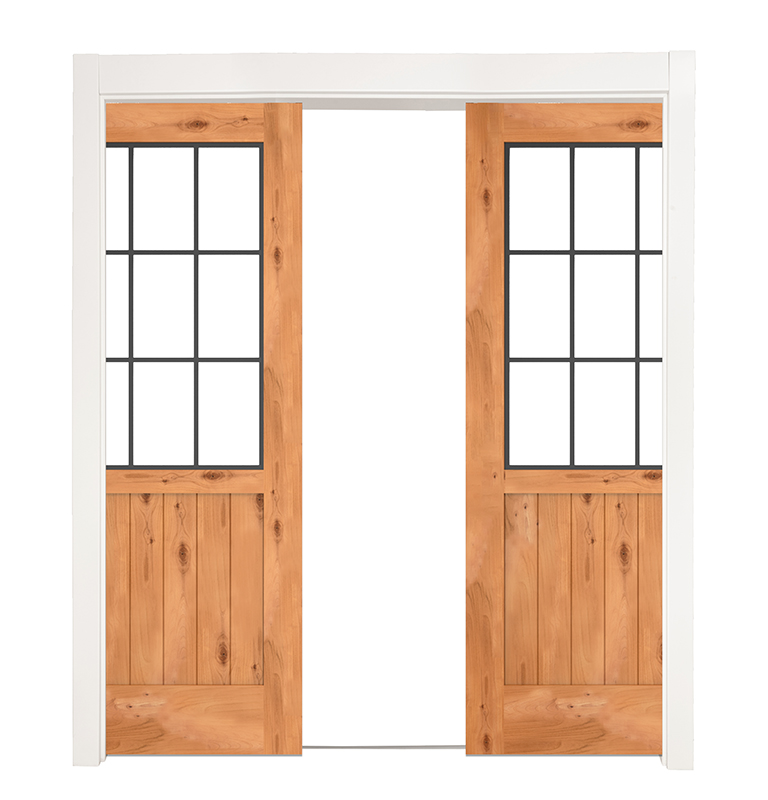
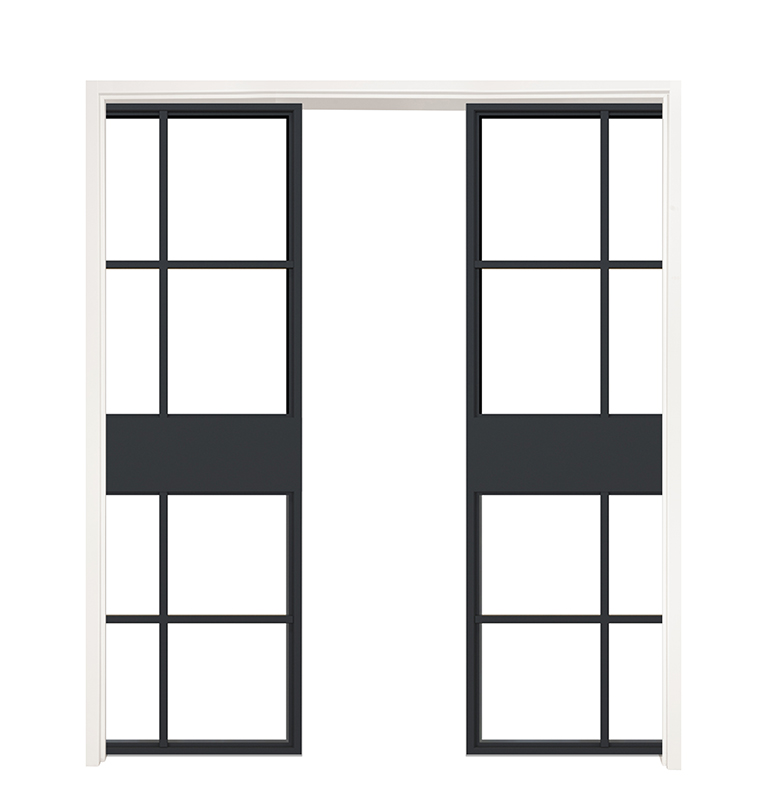
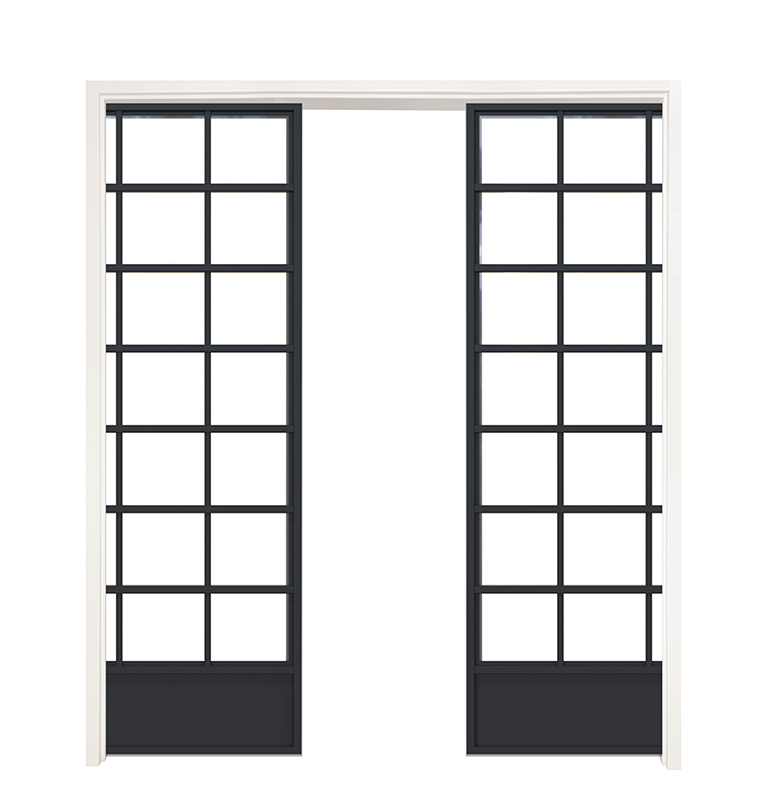
Steel and glassA metal frame or grid around glazed areas.Check glazing choice, panel weight and roller attachment.
Mirror panelA reflective surface such as the Ponder Mirror design.Consider the reflected view and handle placement.
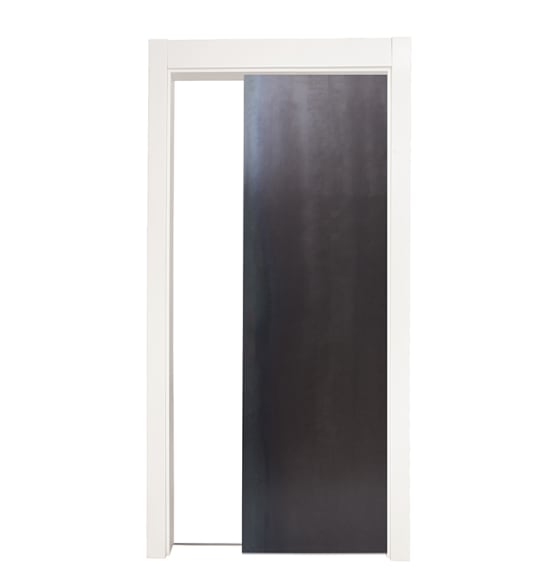
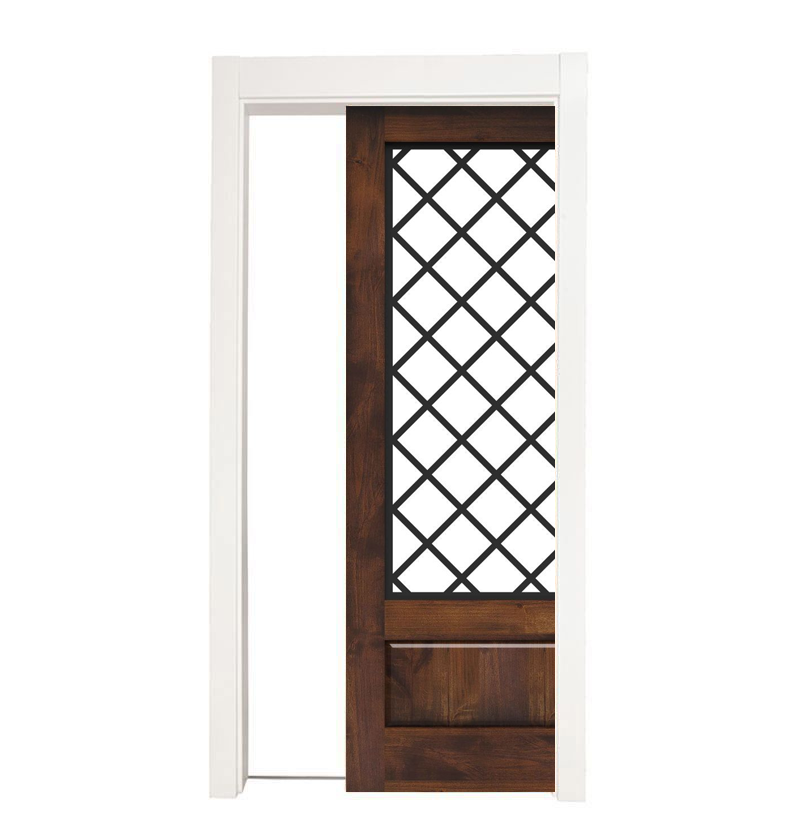
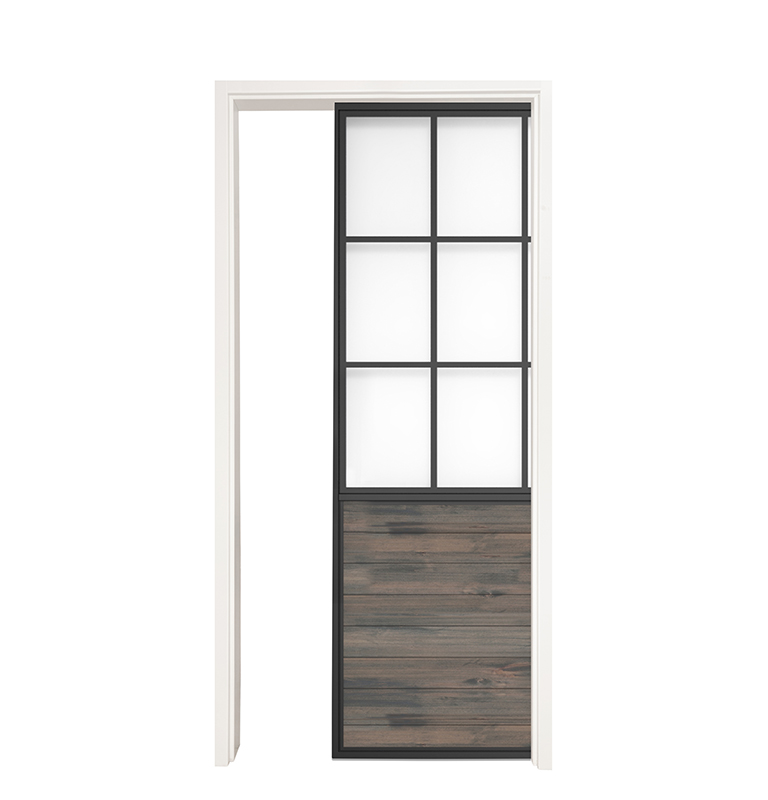
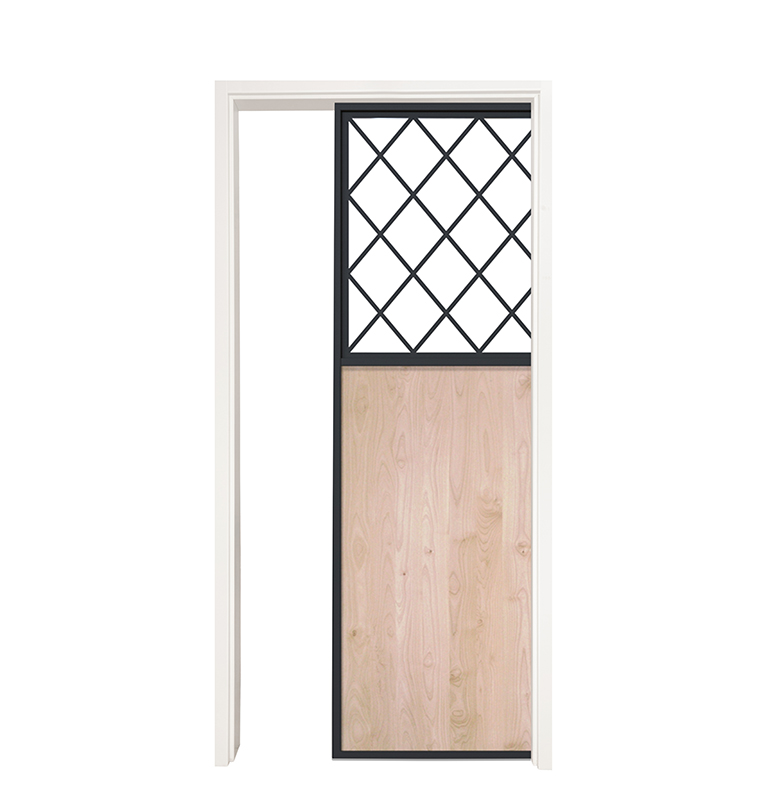
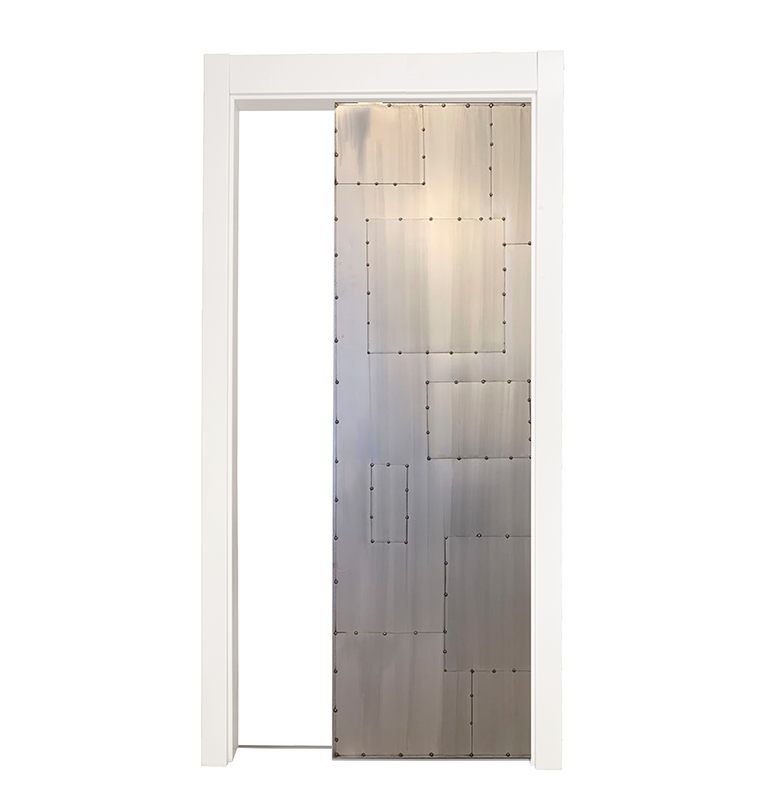
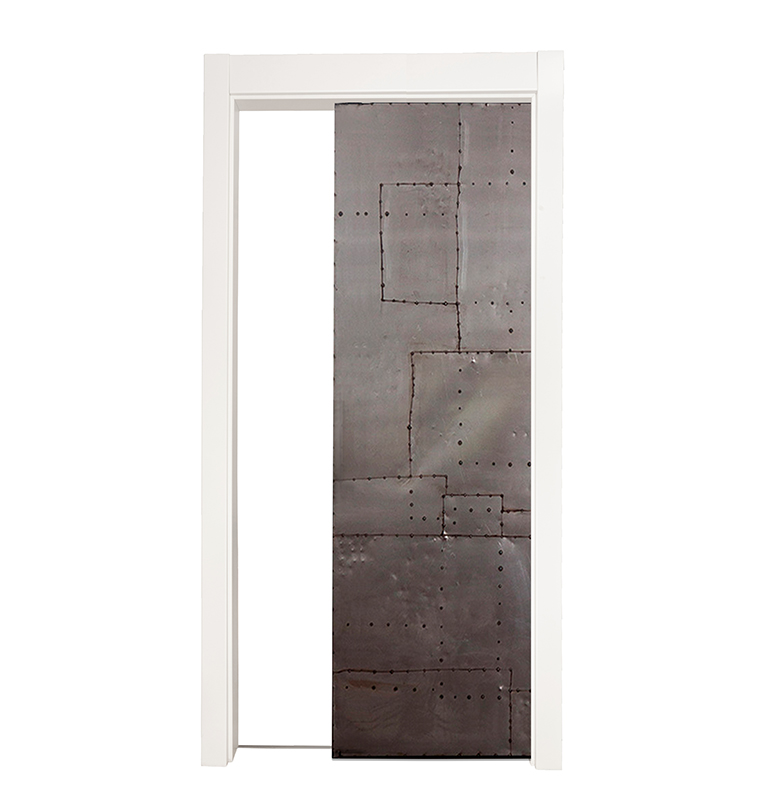
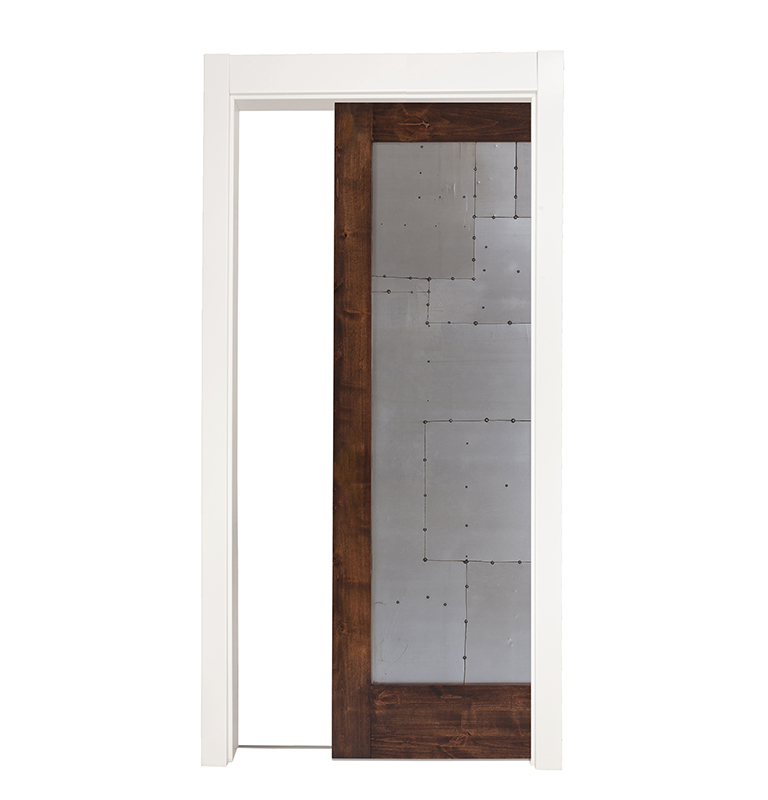
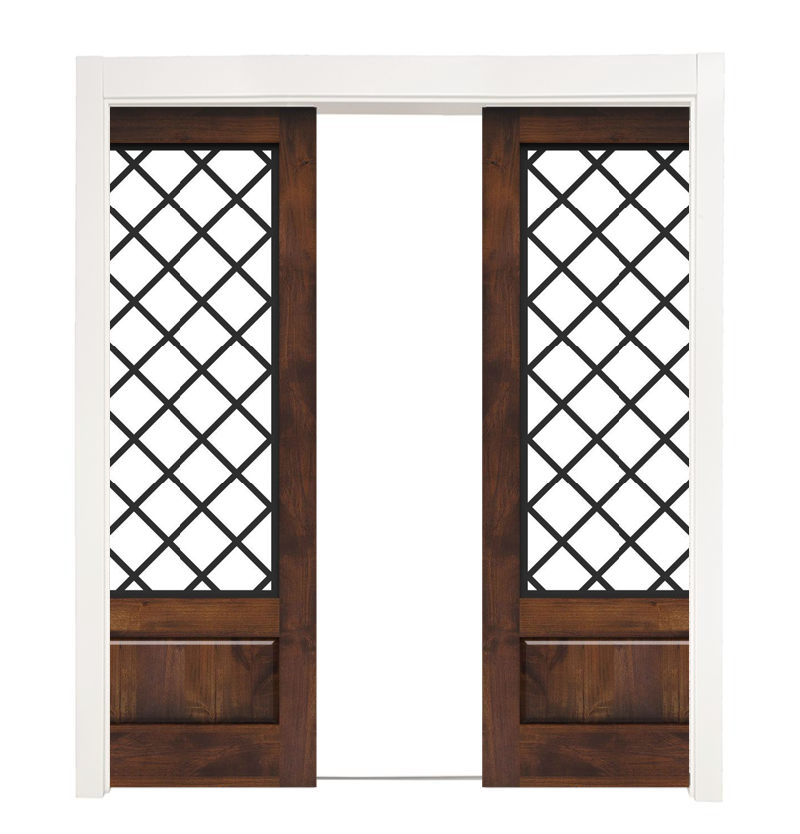
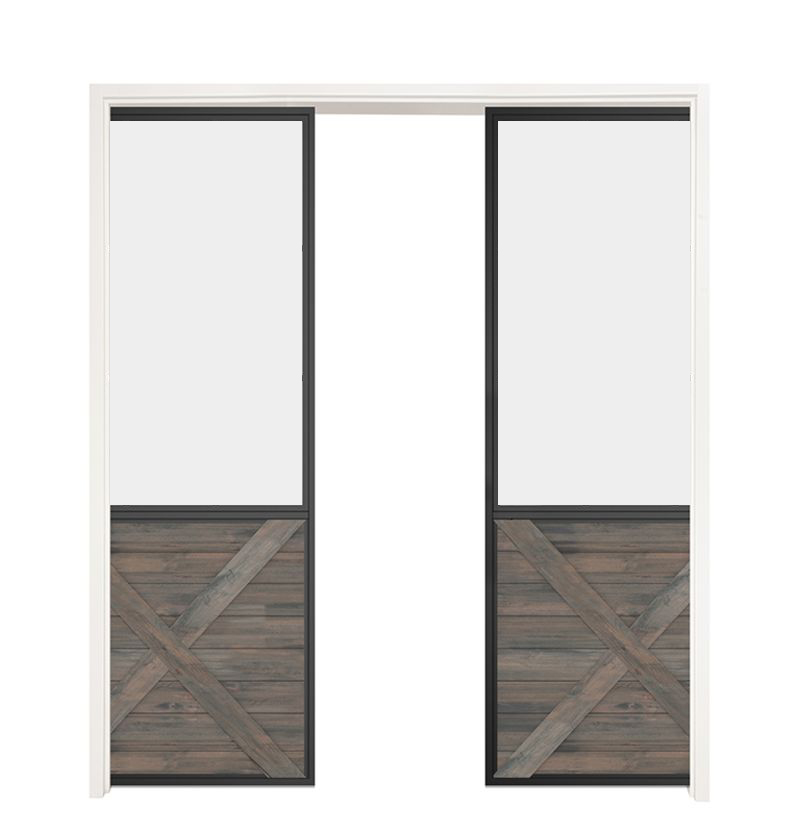
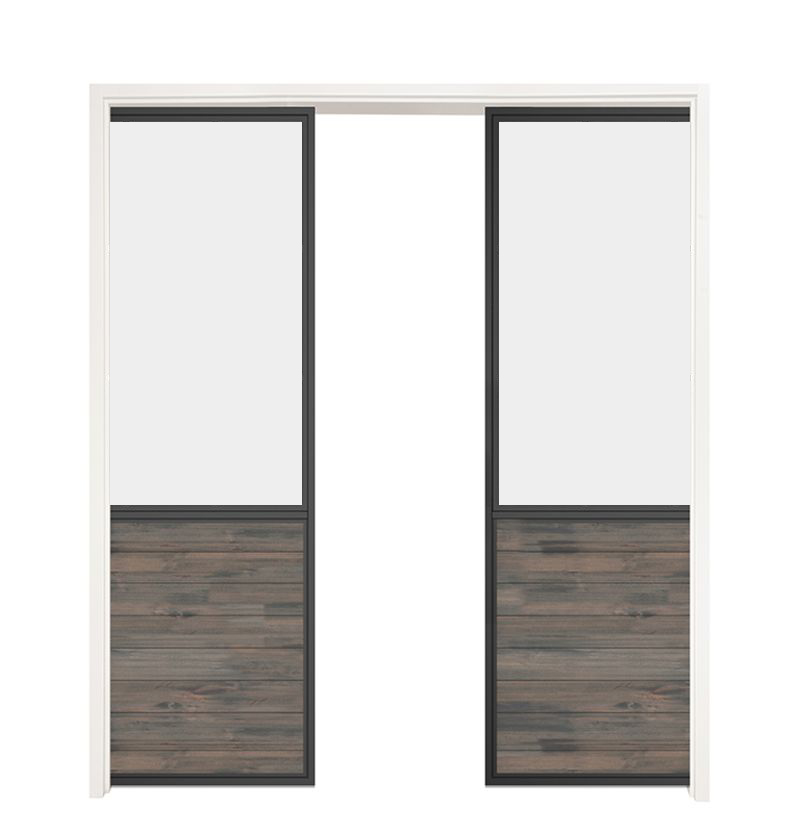
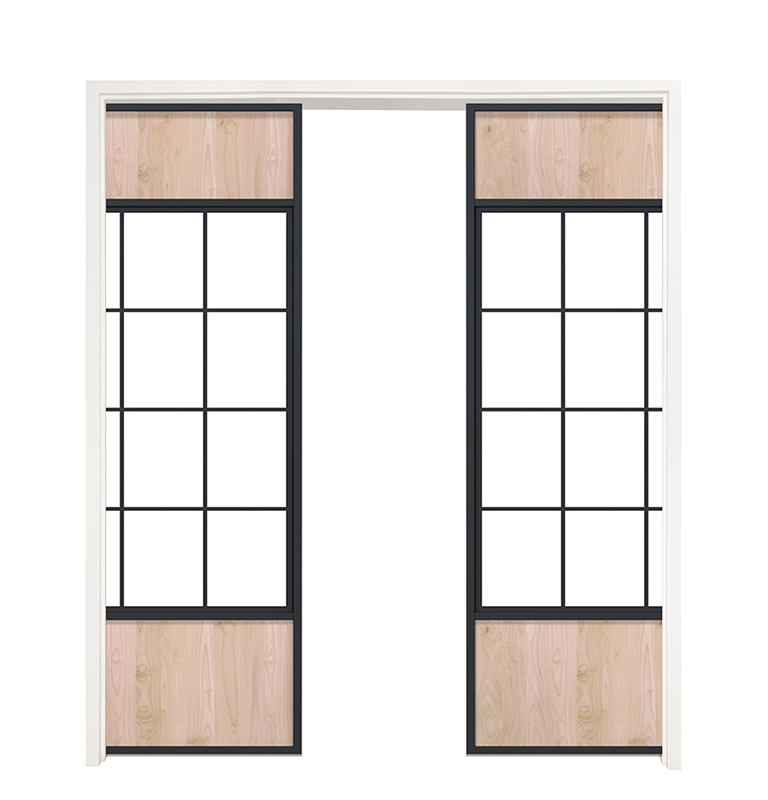
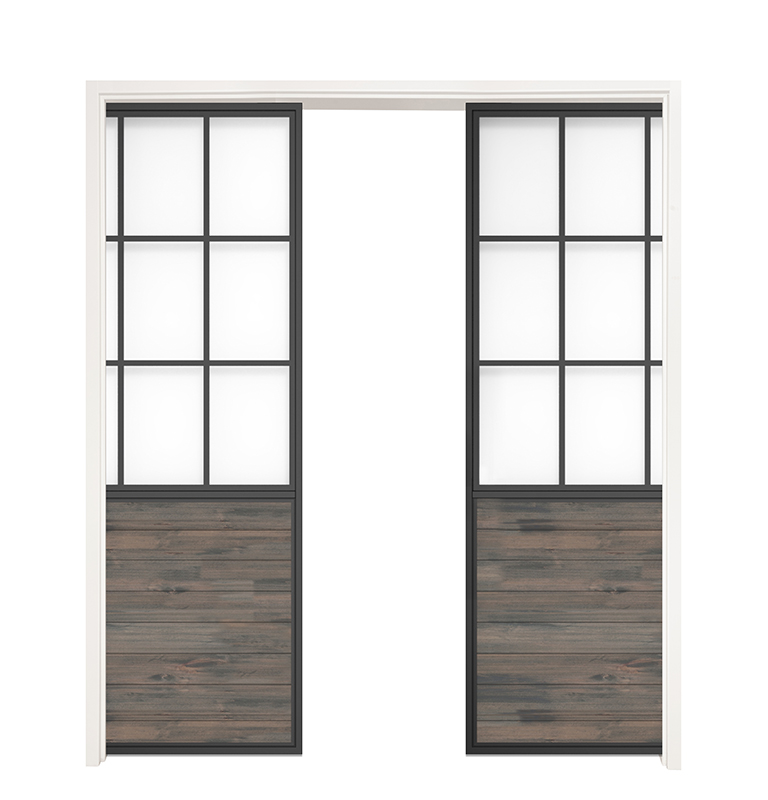
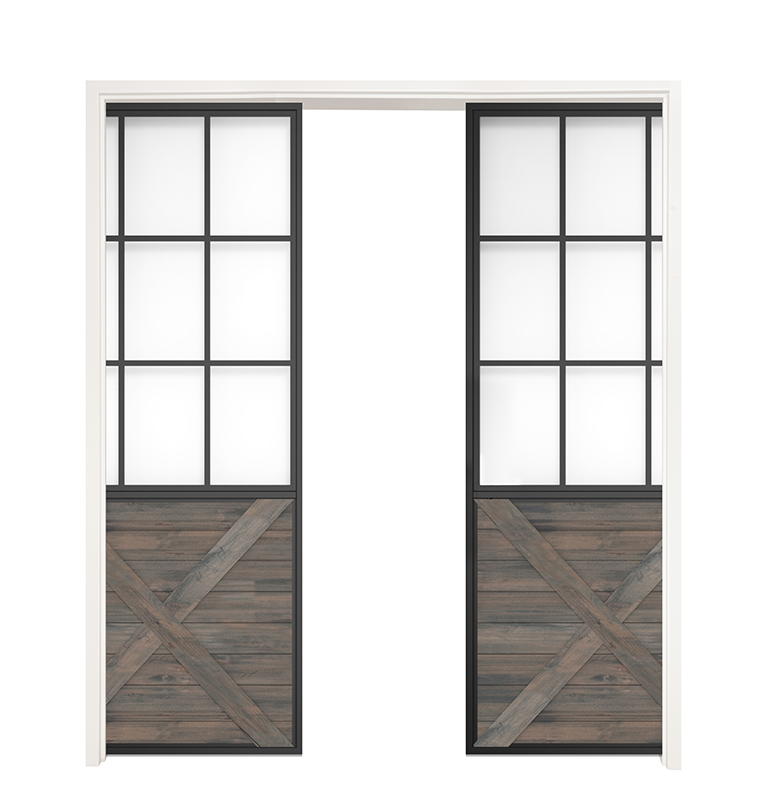
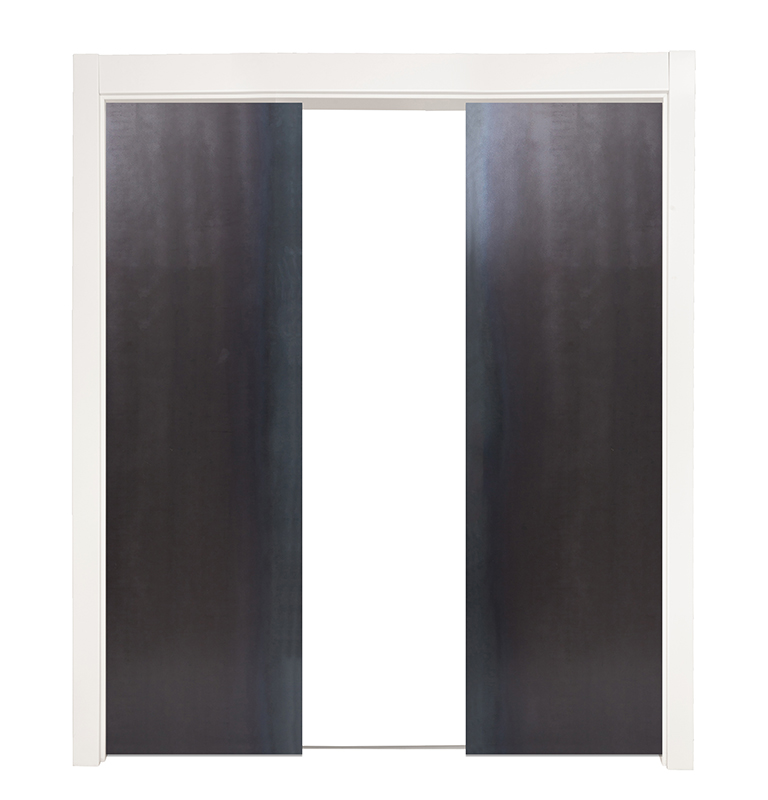
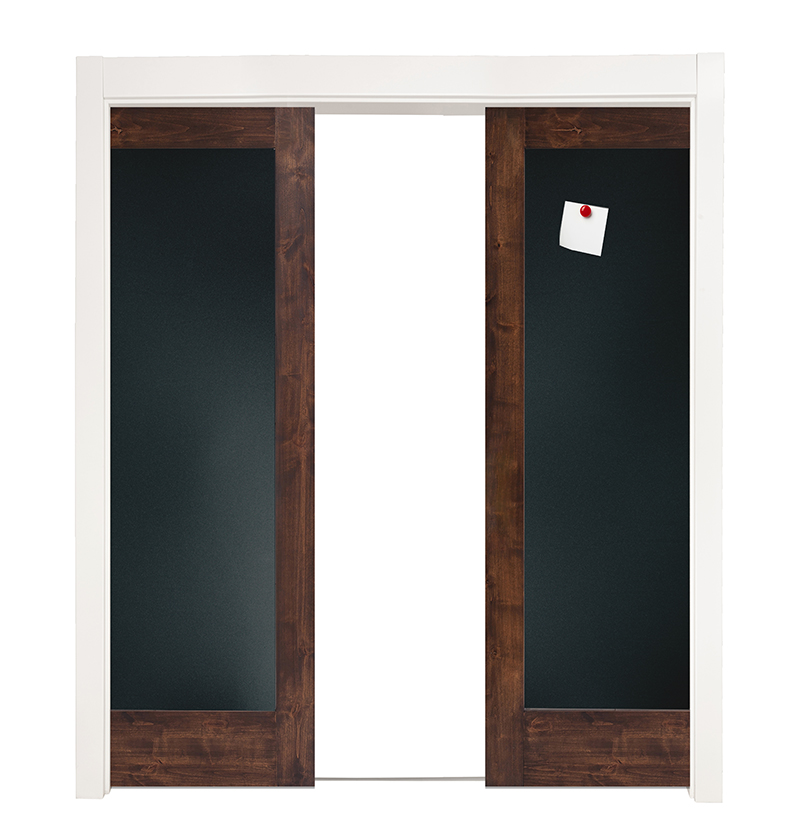
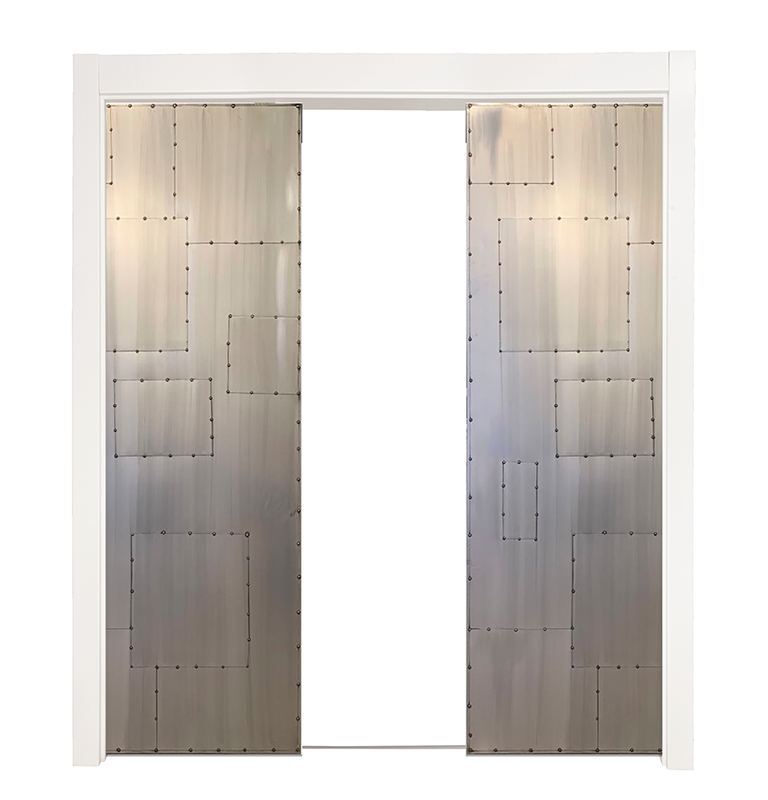
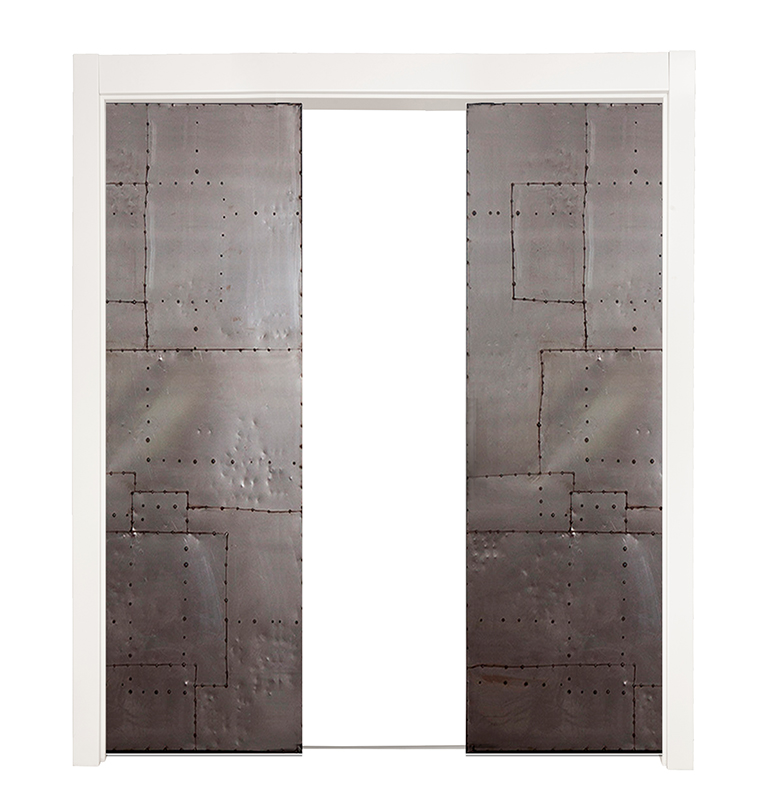
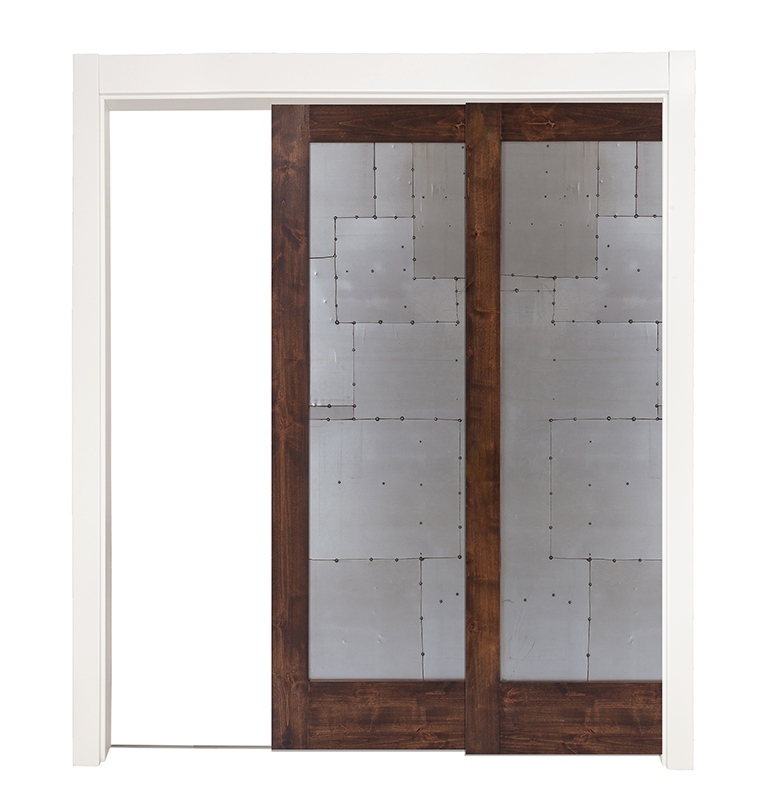
Metal-clad woodMetal faces over a wood panel, as on the Industry door.Inspect the edges and review the finish’s natural variation.
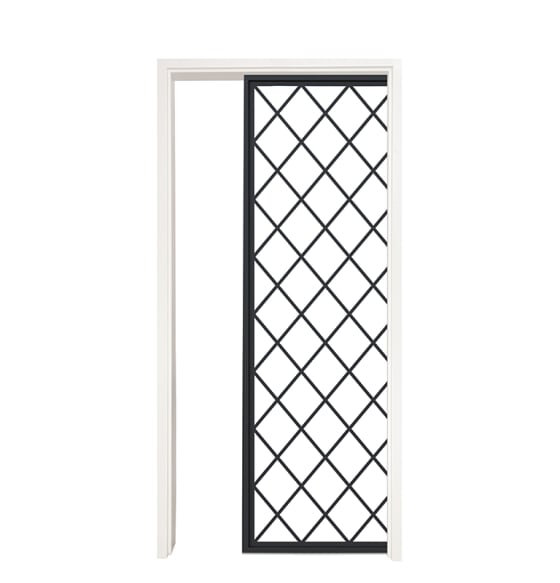
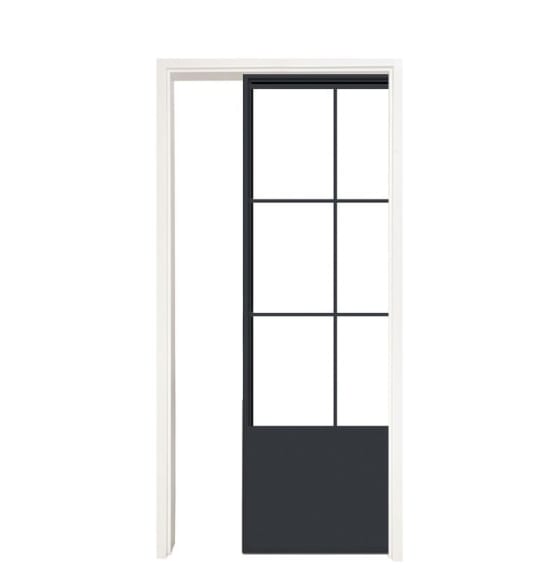
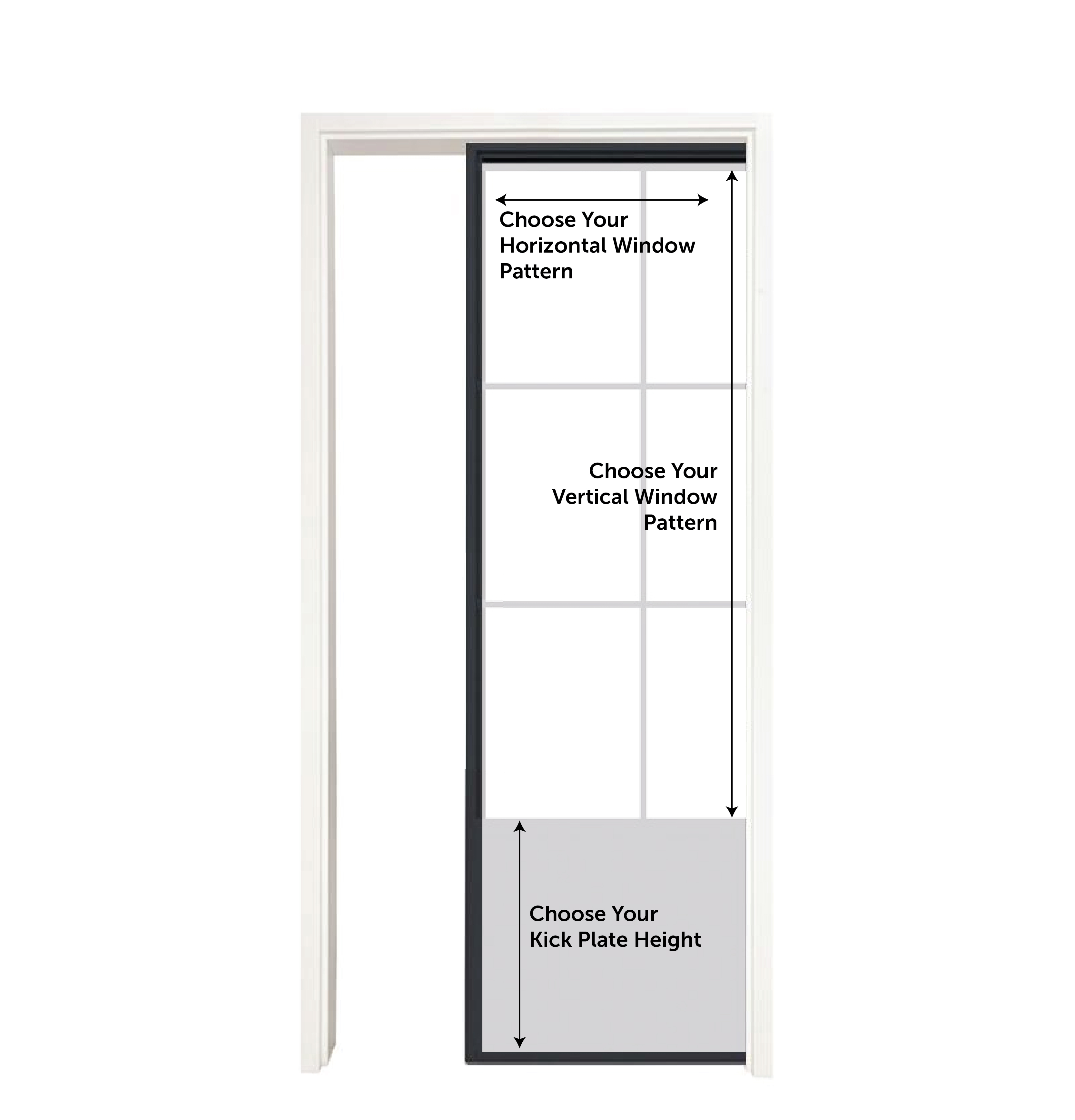
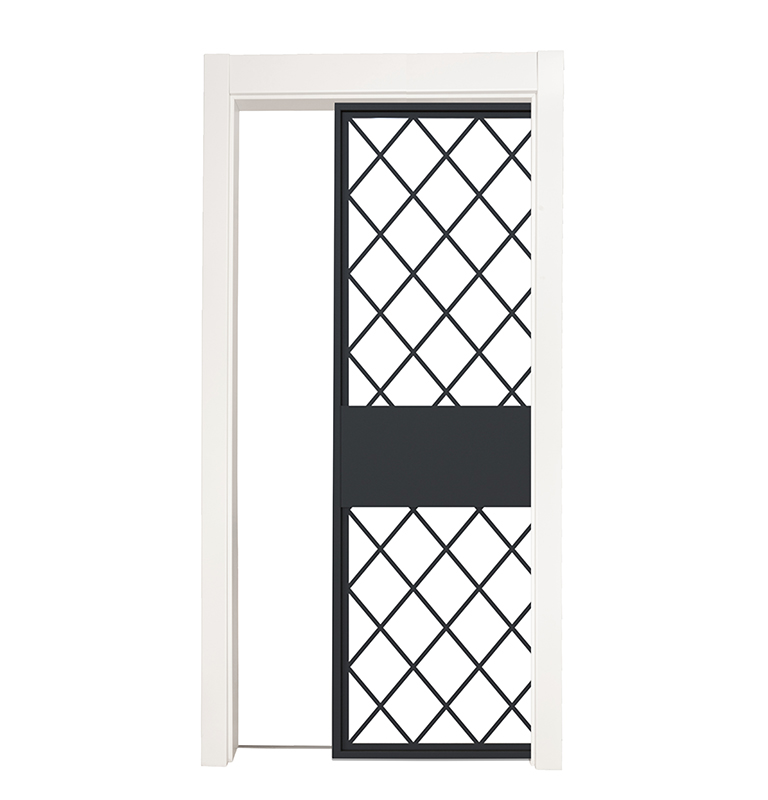
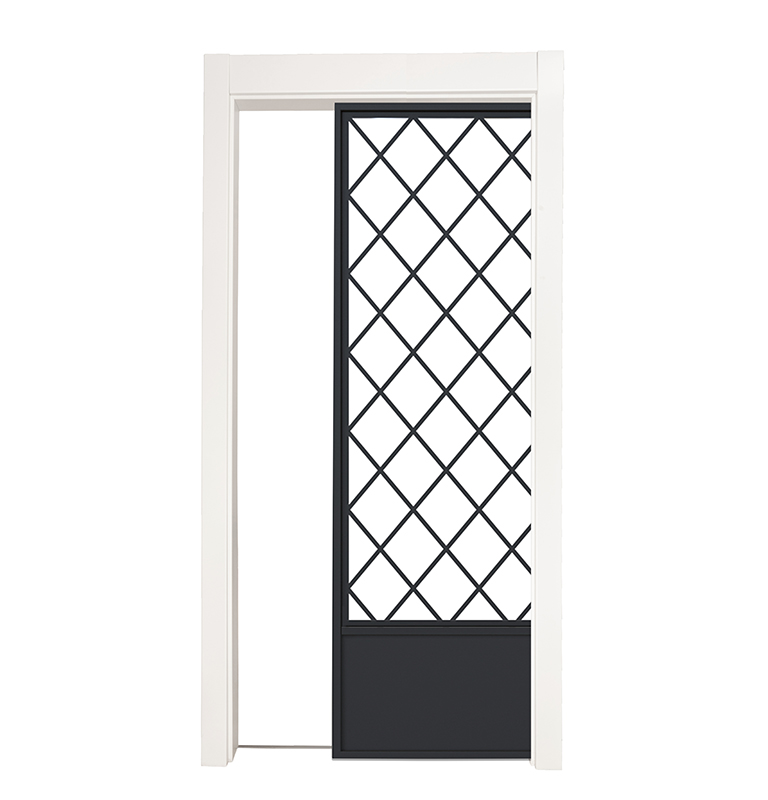
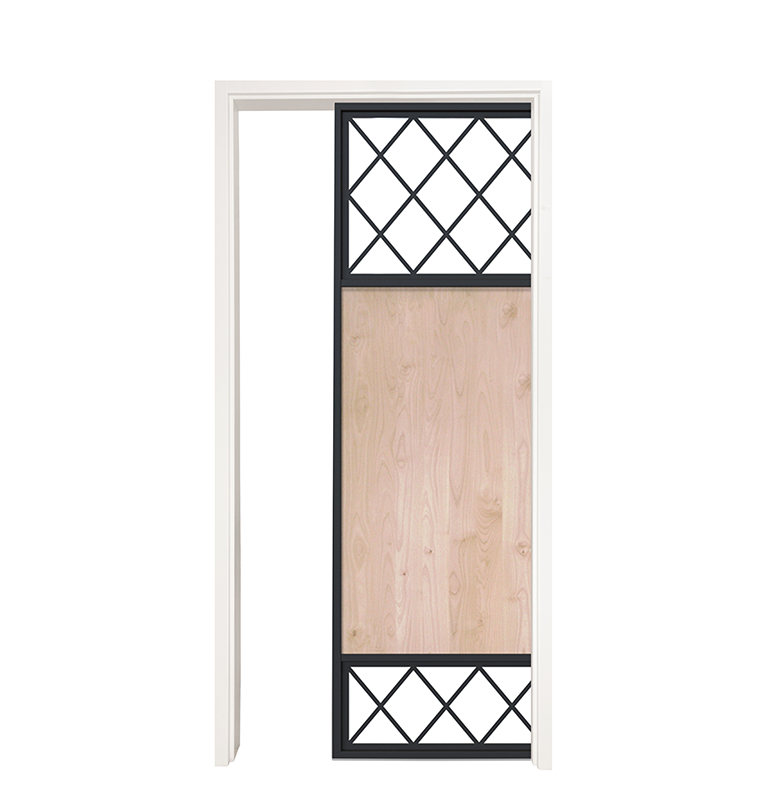
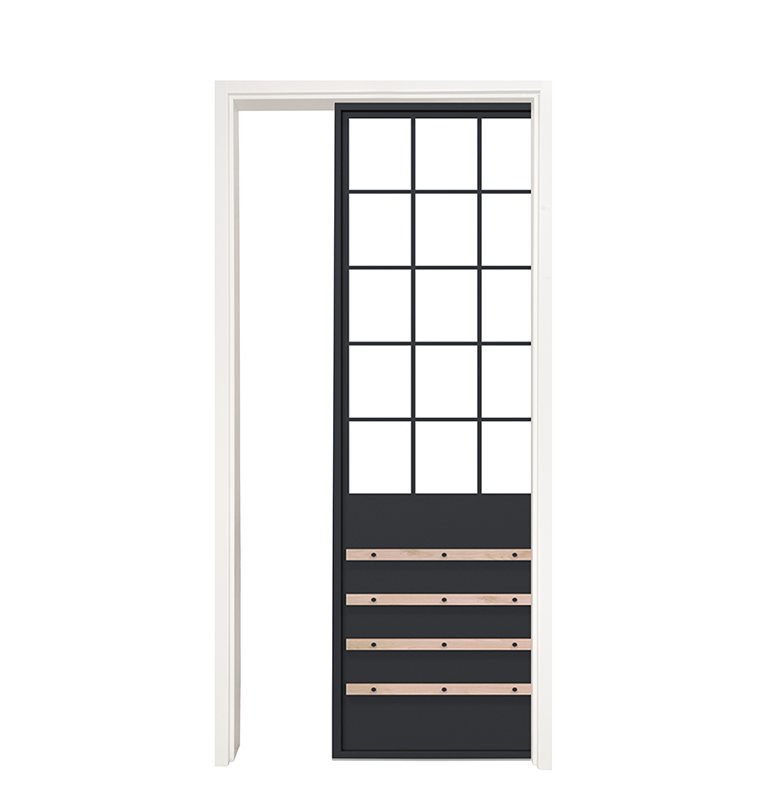
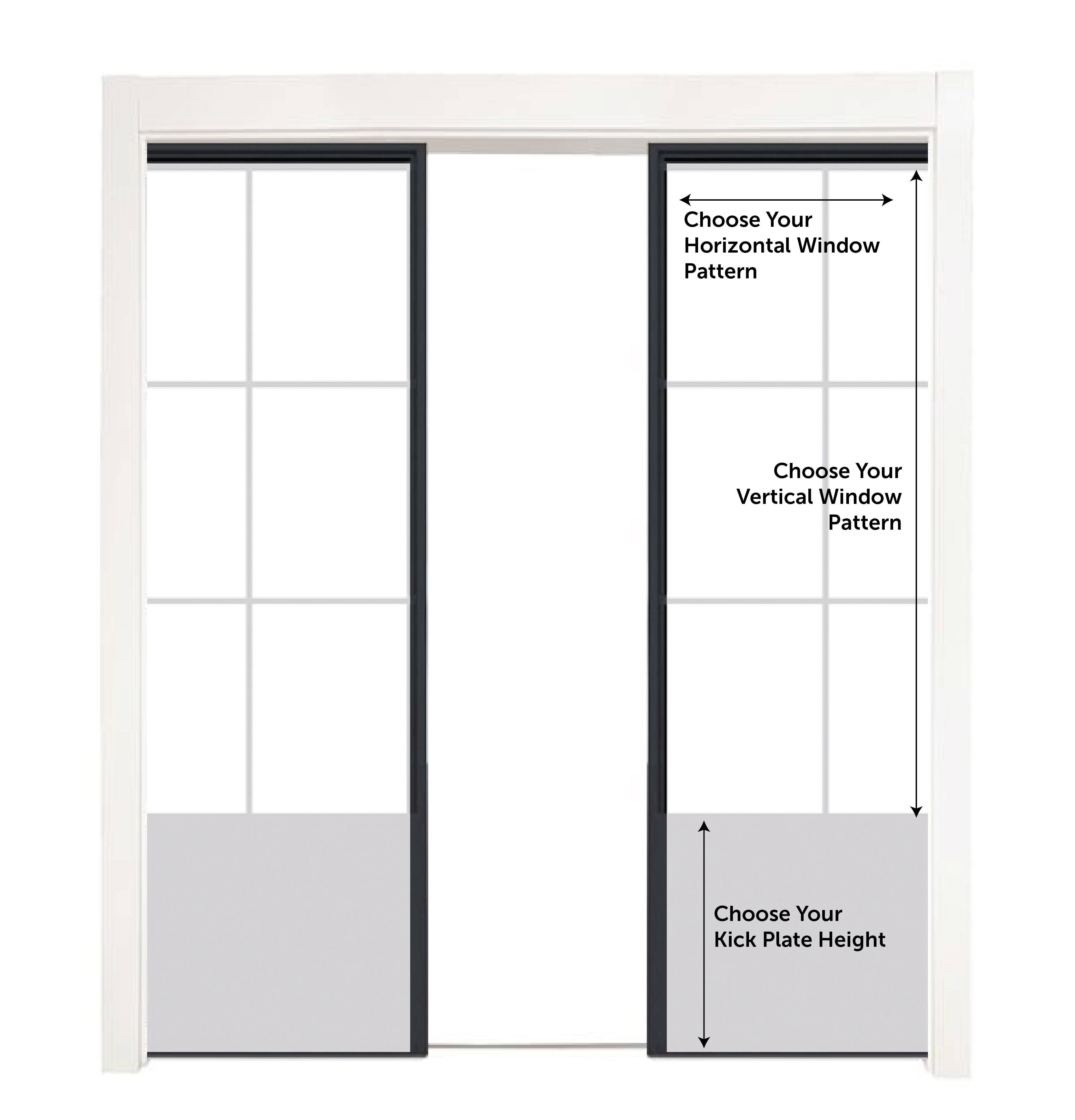
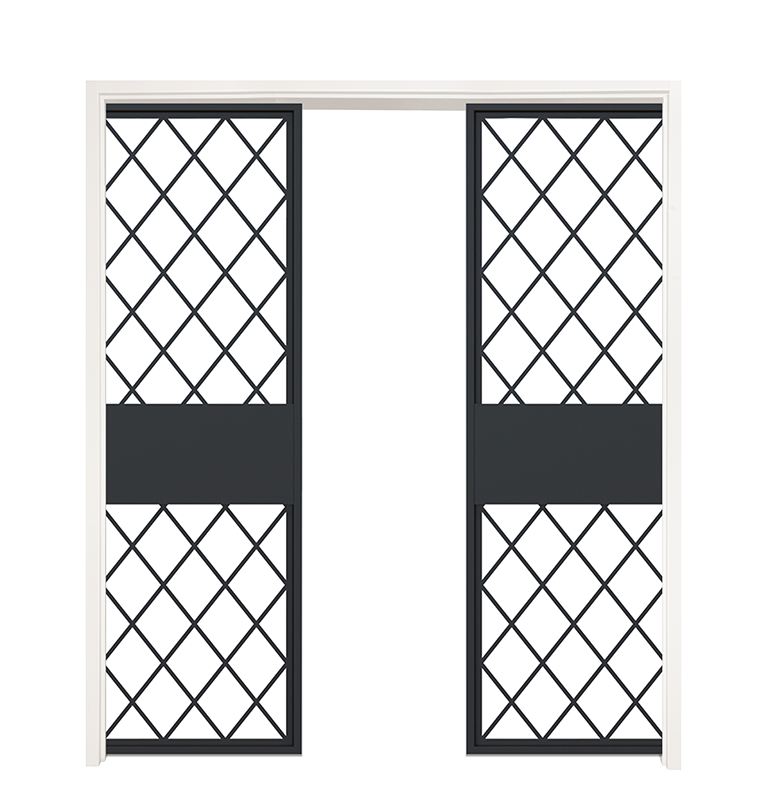
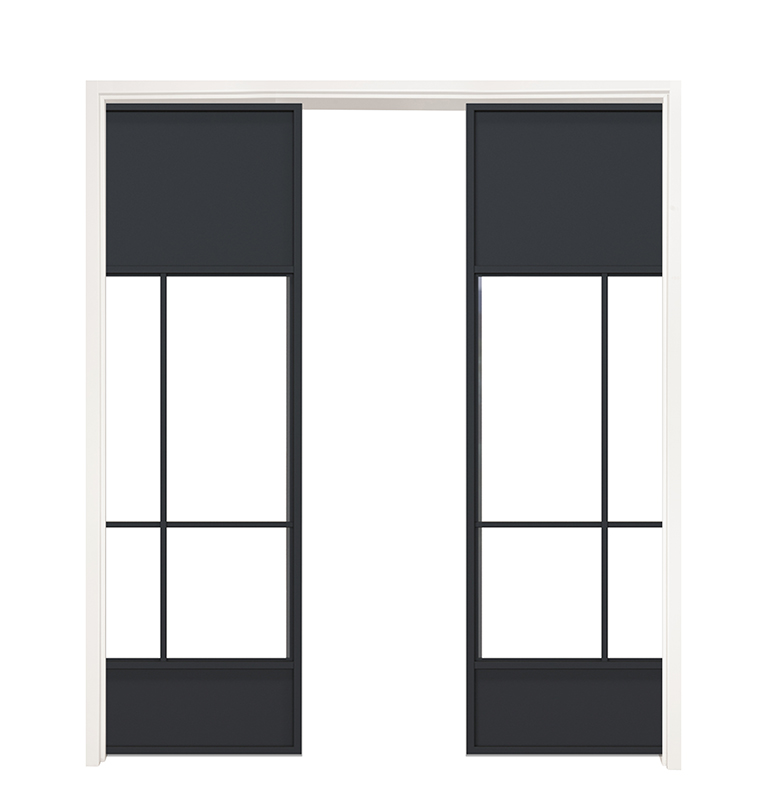
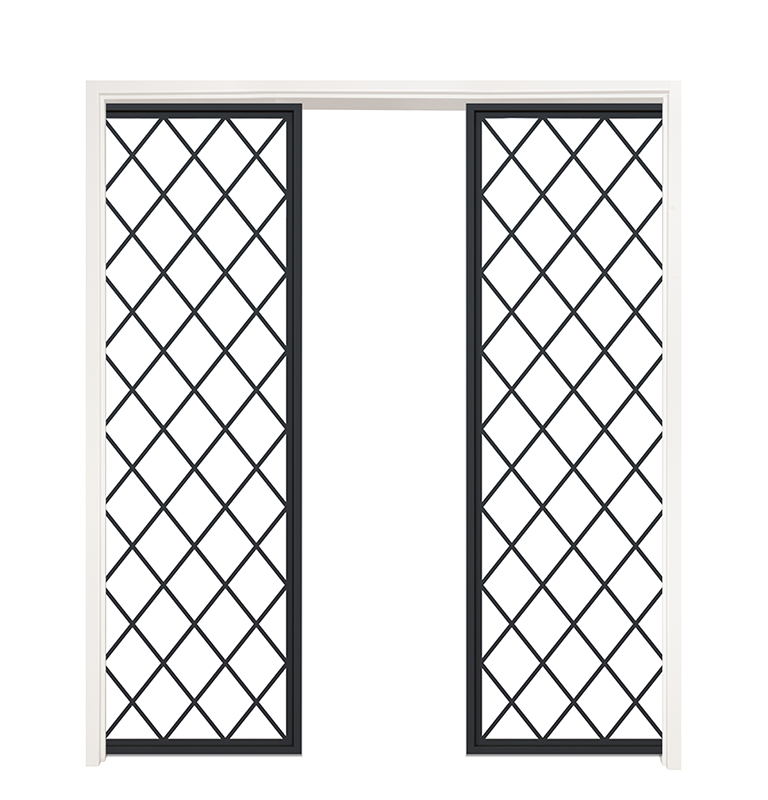
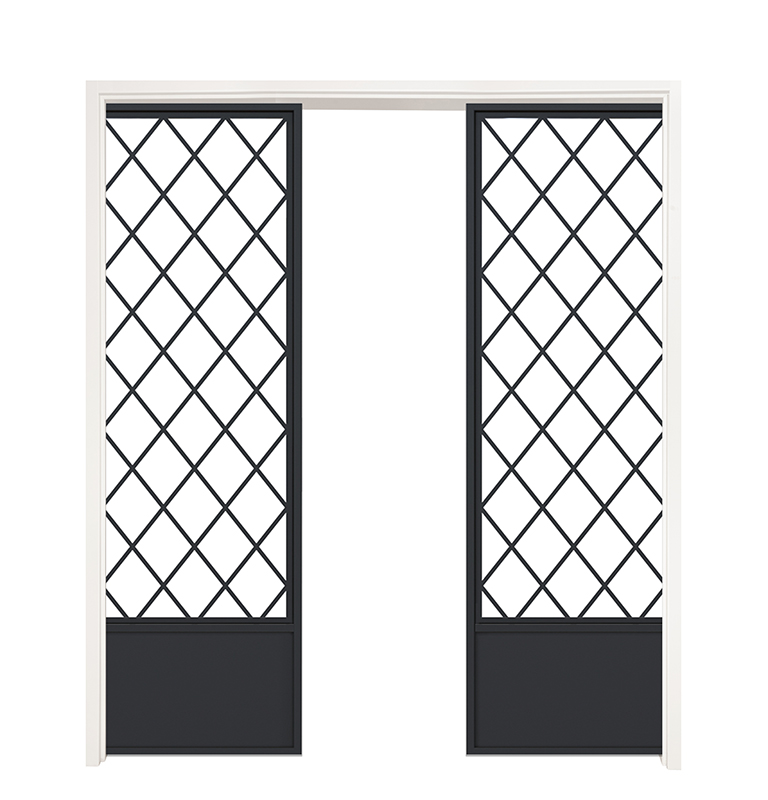
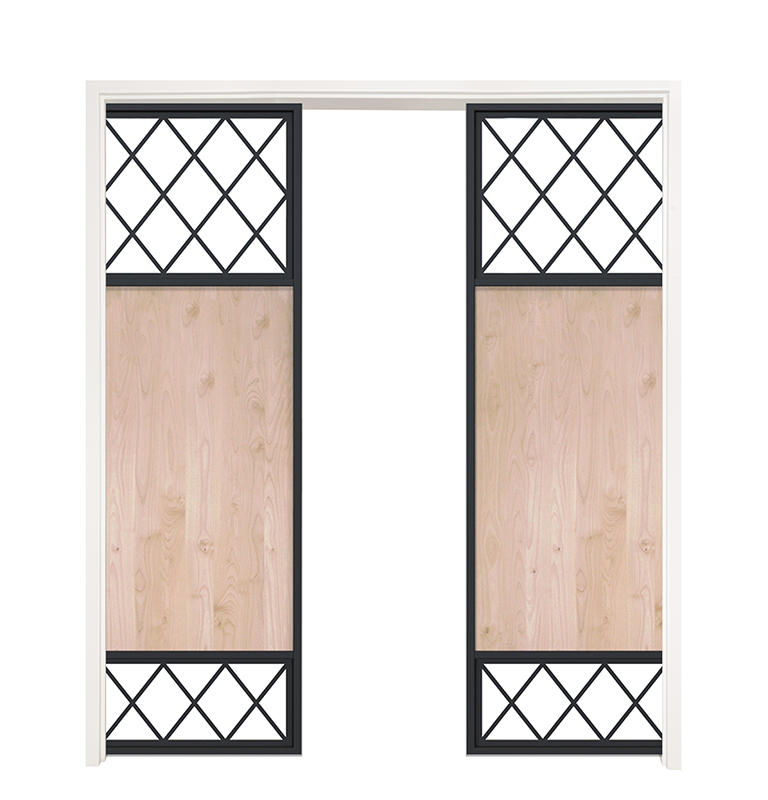
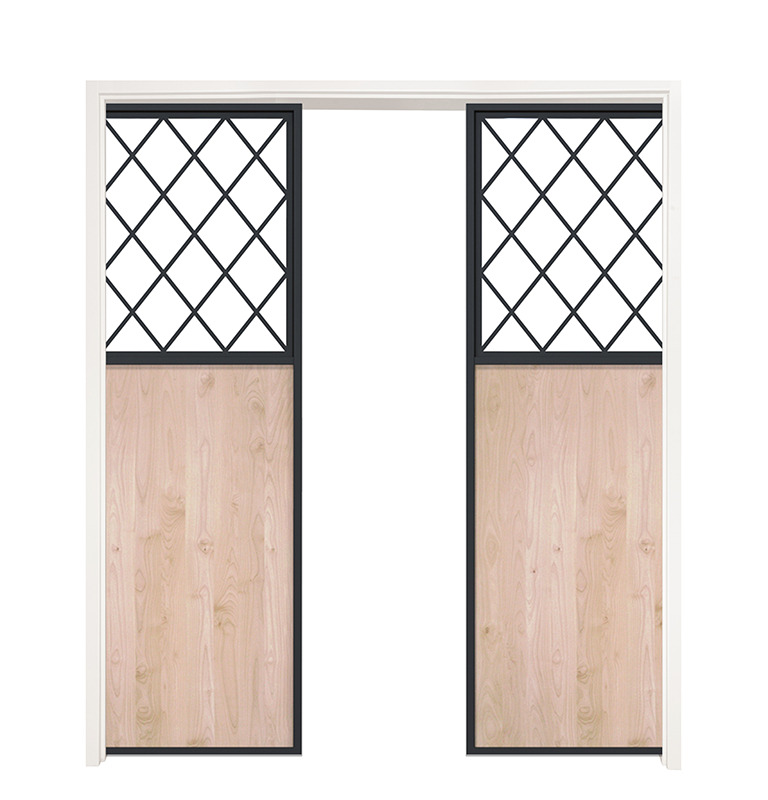
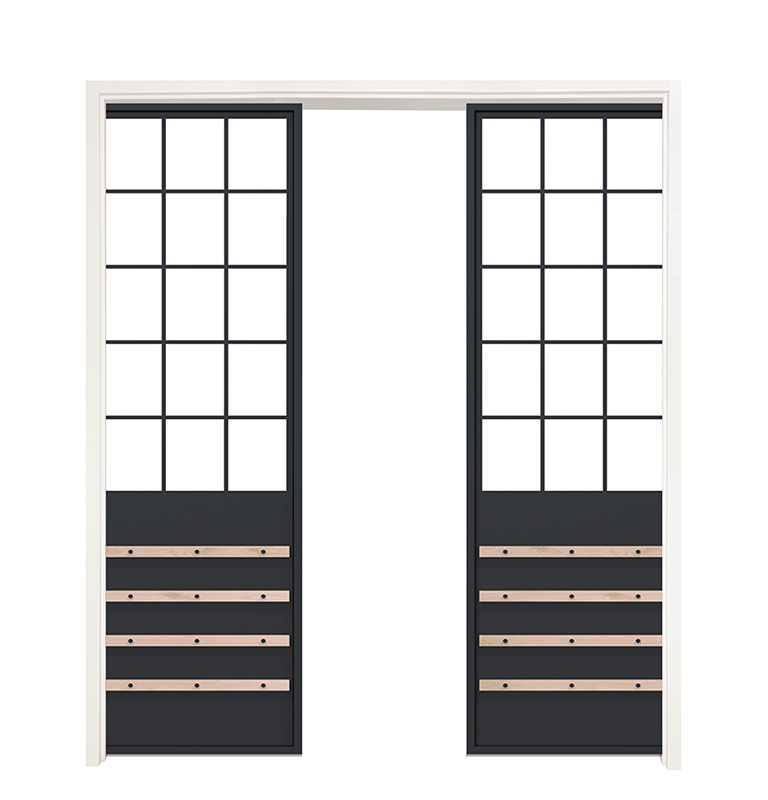
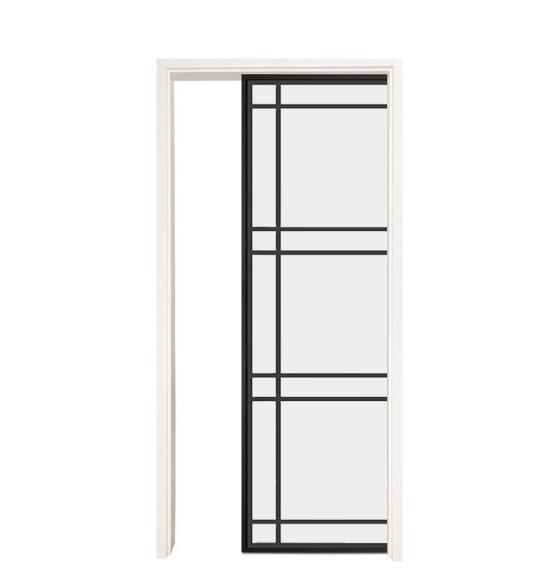
Custom gridA selectable pattern and kick-plate arrangement.Distinguish applied overlays from true divided panes.

Understand Which Parts of the Door Are Metal

A steel-framed glass door and a metal-clad wood door can both belong in this collection while having different edges, attachment details and surface character. Review the construction of the specific panel. The Industry, for example, has metal plates on its faces and exposed wood at the sides.

The Customizable Metal Pocket Door offers a grid and kick-plate overlay; its pattern is not a set of true divided panes. Those details help you compare the appearance accurately and give the installer the correct information about the panel being supported.

To coordinate a nearby hinged opening with the same material family, compare interior metal doors as part of the room design.

Plan the Wall Before Choosing the Track

A pocket door needs unobstructed space inside the wall for its panel to travel. The visible opening is only part of the system. Check the length and depth of the pocket, the header arrangement and access for future adjustment before committing to a design.

Existing plumbing, wiring, switches or structural members may conflict with the planned cavity. Have the installer inspect the wall and specify the pocket frame. A panel’s listed width does not by itself establish the rough-opening width or the wall thickness required by the mechanism.

The general pocket door buying guide explains the broader layout choices before you select the metal panel for your system.

Match Weight, Preparation and Pulls

The finished panel must fall within the selected mechanism’s thickness and load limits. Confirm the weight for your configured size and infill; a glass, mirror or metal-faced panel should not be treated as interchangeable with a lighter door simply because its dimensions match.

Some metal-framed product listings, including Conservatory and Ponder Mirror, identify preparation for Johnson Hardware 100PD rollers and track. Preparation describes compatibility, not an assurance that every track component is included. Verify the current product specification, package contents and edge-pull preparation for the exact order.

Balance Light and Privacy in the Room

Clear glass maintains a direct view between rooms. Patterned glass changes that view, while mirror and opaque surfaces create a different visual boundary. Think about what the door looks like both closed and parked, including any portion that remains accessible for the pull.

For an office, bedroom or bathroom, discuss the latch and the gaps around the installed panel as well as the glass. Privacy glass addresses visibility; it does not establish an acoustic rating for the finished pocket-door assembly.

Choose a Single Panel or a Converging Pair

A single panel moves into one wall pocket. A converging pair meets in the middle and uses a pocket on each side. The paired layout can divide a wider opening, but requires coordinated tracks, meeting edges and wall space on both sides.

Use the dedicated Double Pocket Doors collection to compare complete paired layouts. Keep the material and finish choices here in mind when selecting the panels, and have the installer verify the full system before production.

Before You Order

  1. Choose the construction and finish

    Identify the actual frame, facing and glass or mirror details of the panel.

  2. Inspect the pocket location

    Confirm clear cavity space and resolve conflicts inside the wall.

  3. Specify compatible hardware

    Check track capacity, panel preparation, guides, stops, edge pulls and any latch.

  4. Approve the complete dimensions

    Match the configured panel to the pocket frame and the installer’s opening requirements.

Get help with your project

Metal Pocket Doors: Common Questions

Are metal pocket doors made entirely from metal?

Not necessarily. Some use a steel frame with glass or mirror; others use metal facing over wood. The selected product’s construction determines its edges, appearance and hardware preparation.

Is the pocket track included with the door?

Check the package contents for the model and options you choose. A listing that describes preparation for a particular track system does not by itself confirm that the track, pocket frame or every fitting is included.

Can a metal pocket door use a privacy latch?

The latch must fit the panel’s construction, thickness and preparation without interfering with the wall pocket. Confirm the compatible latch and pull arrangement before ordering or modifying the panel.

Will an interior glass pocket door block sound?

Glass style and frame material alone do not determine sound isolation. Perimeter gaps, the pocket and the complete installed assembly also matter. Request a documented acoustic specification if the room requires a measured level of sound control.