


1. Natural grain adds character to the entry
Wood varies from board to board. A clear or stained finish can make that variation part of the design, while paint gives the surface a more consistent color. Compare a finished sample with the siding, stone, brick and interior flooring before deciding.
The Cross Saw Double Front Door combines upper glass with a crossbuck pattern below. For a different grain and color direction, the mahogany door guide explains what to ask about the actual wood and finish.
2. Panel designs can fit the house
A simple panel can suit a quiet entry; a grid, brace or raised detail can echo stronger trim and roof lines. Look at the door from the street as well as up close. The pattern needs to work at the full size of the opening.
Compare Craftsman door designs for framed detail and Colonial door styles for more traditional panel arrangements. The style name is a starting point, not a rule that limits the door to one kind of house.
3. Glass changes light and visibility
Upper glass can bring light into an entry while leaving more wood below. A larger glazed area makes the interior more visible. Obscured glass changes the view, but the pattern, distance and lighting still affect privacy.
The same decisions apply to entry doors with sidelights and doors with transom windows. Include the surrounding glass when comparing the complete opening, its support and its performance.
Glass size alone does not establish security. Ask about the exact glazing, lock, frame and installation required for the project; a narrow sidelight is not automatically a barrier to entry.
4. Different functions suit different routines
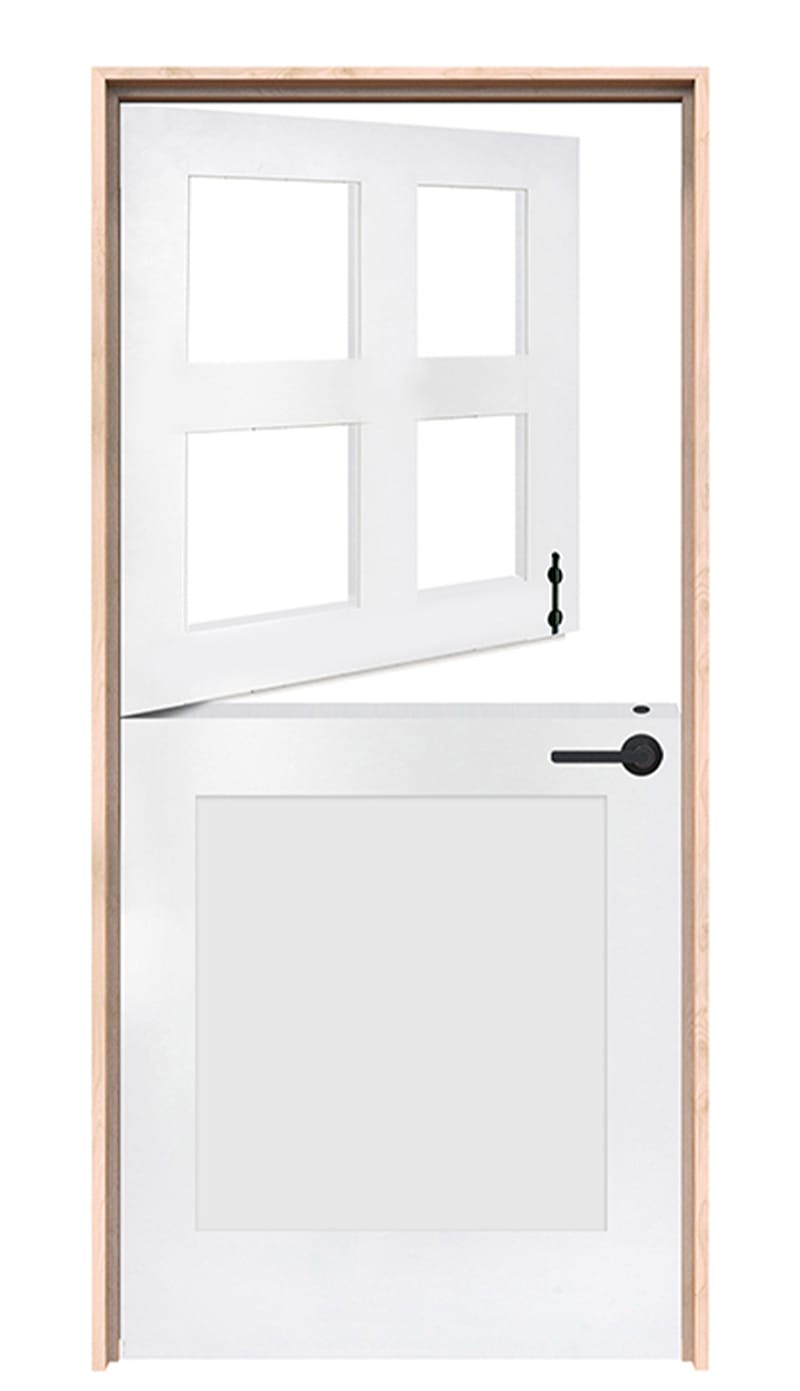
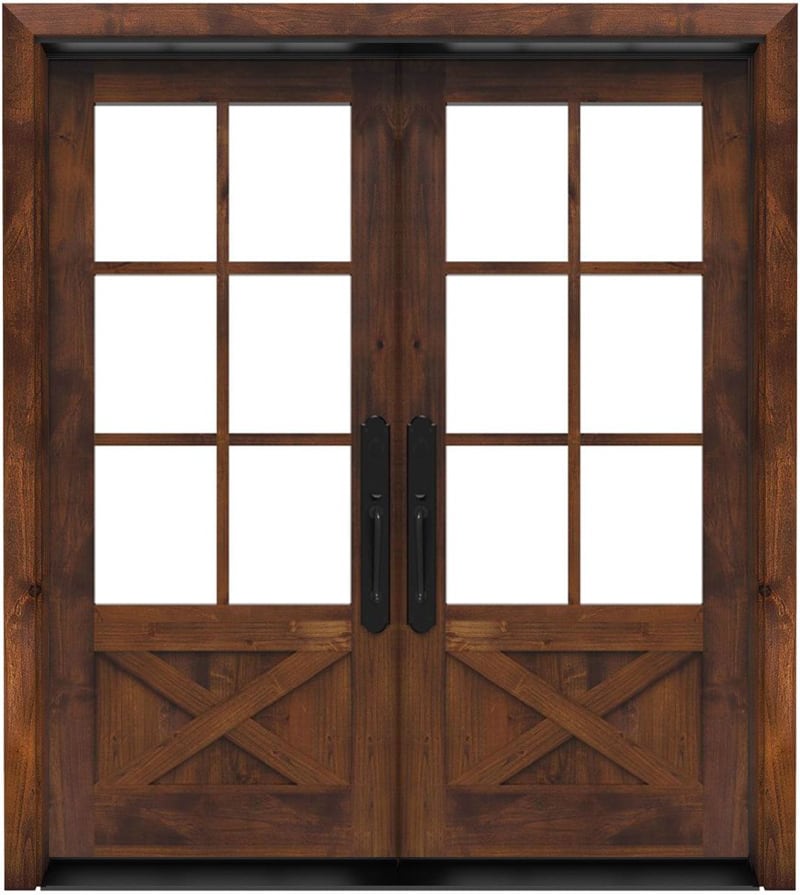
A single leaf, a pair and a Dutch door each change daily use. Think about bringing furniture inside, greeting visitors and how the door relates to the approach. For a pair, identify the active leaf and how the other one is secured.
Compare double exterior doors for a wider entry. Confirm current size and preparation options for the actual model rather than assuming every design can be made in every configuration.
5. A suitable finish can be maintained and renewed
Wood gives you a surface that can often be refinished when its construction and condition allow it. That is also a commitment: the exterior coating needs inspection and care, especially where sunlight and moisture reach it.
The USDA Forest Products Laboratory identifies protection from water, sunlight and weathering as a central purpose of an exterior wood finish. Choose the finish for the exposure and follow the door and coating instructions for application and renewal.
Reference: USDA Forest Products Laboratory, Finishing Wood.
Read how to stain a wood door when planning a finish project. First confirm that the method and coating are suitable for the existing surface.
Compare the practical tradeoffs
| Topic | What to ask |
|---|---|
| Weather exposure | What overhang, finish and exposure limits apply to this unit? |
| Maintenance | How should the finish be cleaned, inspected and renewed? |
| Energy performance | What verified ratings apply to the complete door and glass configuration? |
| Security | Which lock, strike, frame and glazing details are specified? |
| Fit | Is the order a slab or a prehung unit, and what opening does it require? |
| Cost | Are finishing, glazing, locks, shipping, removal and installation included? |
Wood, steel and fiberglass doors all vary by construction and product. Weight and material alone do not tell you which assembly will perform better. Compare the relevant ratings and the same scope of work.
An entry update can improve the appearance of a house, but it does not guarantee a resale return. Choose a design you want to live with and compare complete installed quotes rather than relying on a percentage promise.
See the change in an existing entry
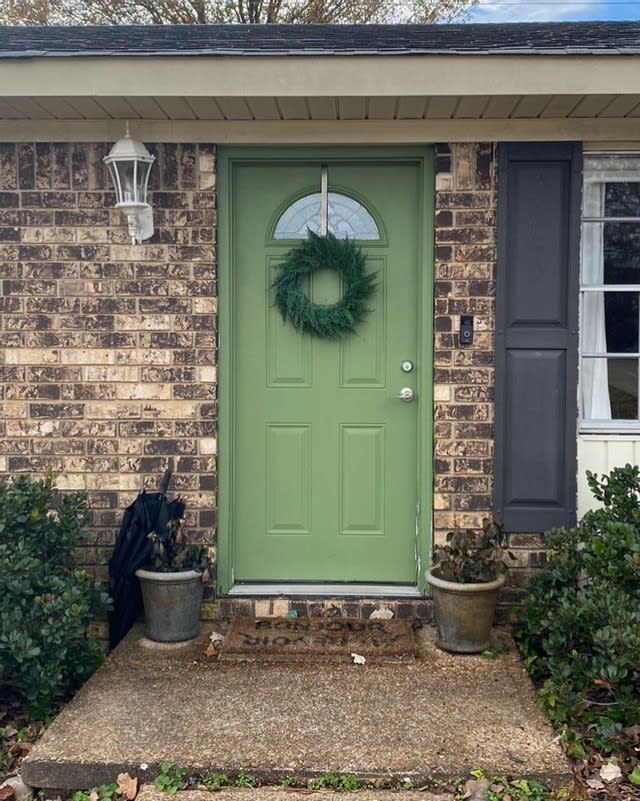

When reviewing inspiration photos, separate the door from the surrounding work. Paint, lighting, trim, plants and the approach can all change the final impression. Use the photo to identify details you like, then price the actual scope.
Keep routine care gentle and specific
Remove loose dust with a soft cloth, then use only the cleaning method approved for the finish. Control moisture around joints, glazing and the bottom edge. Do not make steam, furniture polish or mineral spirits a routine step without the coating maker’s approval.
Inspect worn areas, peeling finish and repeated wetting. Correct the source of moisture before refinishing damaged wood. The maintenance interval depends on the coating and exposure; a protected porch entry and an exposed south-facing door need different attention.
Explore wooden front doors and custom entry options with your opening measurements and exposure details ready. Our front door installation guide explains what to resolve before the old unit comes out.
Planning a client project?
Sourcing entry doors for a client? Keep the selected configuration, approved sample and care requirements with the quote. Rustica’s contractor discount program explains professional eligibility and how to apply.