1.800.891.8312
Free Shipping Details
Most orders over $500 qualify. Free shipping applies to Barn Door Hardware, Barn Doors, and Pocket Doors over $500.
Note: Front doors, interior doors, shower doors, slab doors, any oversized door (wider than 3ft or taller than 7ft), and any special order doors have shipping costs calculated at checkout. Some barn door hardware track lengths do not qualify for free shipping.


How to Adjust Barn Door Rollers
Monday, September 14th, 2026
Author: Kate Allen - Rustica Founder and CEO
Share
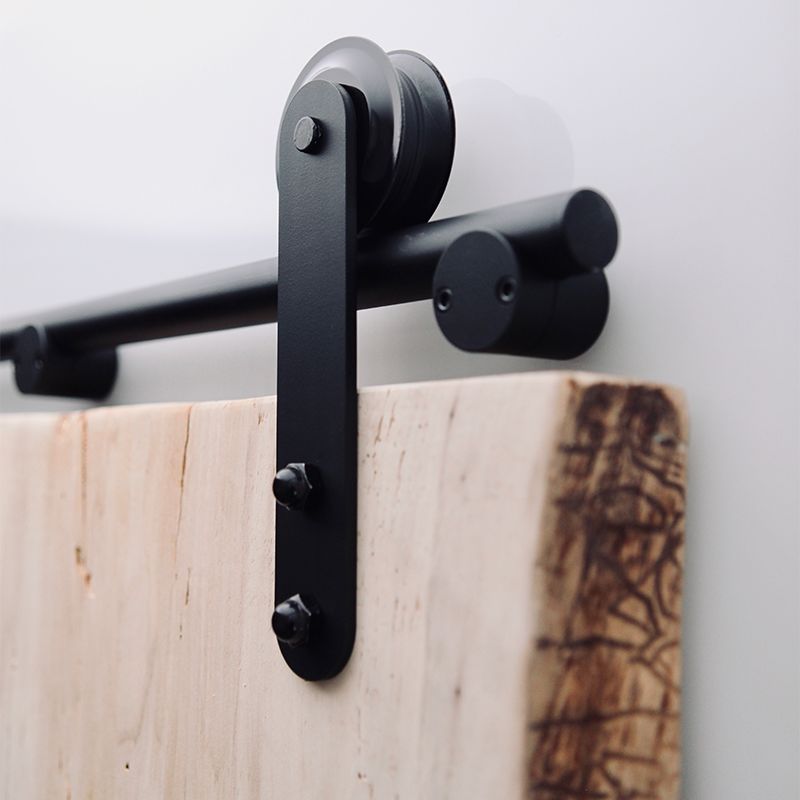 You did it. You followed your designer heart and installed a barn door in your home, elevating its visual appeal and adding a fun functional element at the same time. Now it’s time to make sure you can take great care of that barn door, keeping it well maintained and appropriately moving along its tracks so that it maintains high-performance functionality for you and your family for years to come.
One of the most important things you can do to maintain functionality on your new barn door is adjust the rollers and other door hardware when necessary to make sure they’re moving along their track as smoothly as possible. Here’s everything you need to do to make that adjustment.
How to Adjust Barn Door Rollers
Locate Issues
Clean Rollers
Lubricate Rollers
Loosen or Tighten Screws as Necessary
Remove Door if Replacement is Needed
Reinstall the Barn Door
Installing a sliding barn door in your home is a major design boost, giving your home a bit of design flair and visual interest. And there are no shortage of ways to use them, including double barn doors, a closet door, or even a replacement for a pocket door. As an added bonus, barn doors can prove enormously functional, allowing for privacy and separation exactly where you need them. They’re space-saving, stylish and functional—what more could a homeowner want? With the most updated barn door setups, you even can install a barn door on a curved track, adding more functionality and versatility to this already highly adaptable design element.
Part of your life as the proud owner of interior barn doors is making sure you take care of the door and the door hardware, maintaining working order and preventing premature wear and tear. This means regularly evaluating, cleaning, and adjusting your barn door rollers and other track hardware. We’ll show you how.
How to Adjust Barn Door Rollers
Let’s take a closer look at everything you need to do to make appropriate adjustments to your barn door rollers.
1. Locate Issues
Before you start this project, make sure you’re carefully observing and noting any areas where your barn door has trouble moving smoothly along the track. Oftentimes, if an interior door is sticking or catching in a particular spot, a good cleaning and lubrication to the door and the barn door hardware may solve the problem. You may even find that debris or some other type of obstruction is blocking a clear path for the barn door.
While you’re assessing, you should also check out the bottom guide or floor guide. This is the important piece of barn door hardware that keeps your door close to the wall, allowing it to move along the track appropriately. Your bottom guide also protects the walls and baseboards from damage as the door slides open and closed by keeping the door from swinging out from the wall as it moves. Your bottom guide will typically be installed on the floor and is designed to fit into the groove along the bottom of the sliding barn door.
2. Clean Rollers
Sometimes barn doors can develop issues sliding along their tracks simply because of the buildup of dirt, dust, and other obstructions. Just as you clean the doors themselves on a regular basis, it’s important to regularly clean each roller, the track, and other door hardware to keep them in top working order.
In order to prevent the buildup of dirt, grime, and dust that can keep your sliding barn door from working at top capacity, it’s a good idea to give your barn door, including its track, rollers, and other hardware, a thorough cleaning every couple of months or so.
The first step you should take before you adjust your barn door rollers is to carefully clean the track and each roller. Make sure you use a small brush and a vacuum cleaner to give each individual roller and the track a solid, thorough cleaning. You also can wipe down the rollers and track with a microfiber cloth, and if you’re dealing with built-up dust and debris, use only a cleaner approved for the hardware finish; otherwise begin with a dry microfiber cloth. This may help break up any grime that’s causing friction as your door moves along the track.
Then, test your door again to see if the rolling issue has resolved itself thanks to a good, old-fashioned cleaning. While you’re cleaning, you may also be able to observe wear and tear problems with both the track and barn door rollers.
3. Lubricate Rollers
After cleaning, lubricate only the locations and materials specified by the hardware manufacturer. Some sealed rollers need no added lubricant. Do not use cooking oil or spray the rail indiscriminately. For many barn doors, taking these first two steps may completely solve the issue, but if your sliding barn door still isn’t moving smoothly along its track, there are still a few things you can try.
4. Loosen or Tighten Screws as Necessary
Identify whether your overhead hanger actually provides a designed adjustment. Bottom-frame adjustment screws are typical of some other sliding-door systems and should not be assumed to exist on a barn door.
Follow the exact adjustment procedure for the model. A fixed strap hanger may require an installer to correct mounting or clearance rather than turning a roller screw. Support the panel and use qualified help before changing any load-bearing connection.
5. Remove Door if Replacement is Needed
Sometimes you may need to remove your door, thoroughly inspect what’s going on, and even replace the rollers if they’re beyond repair or adjustment. In that case, use the manufacturer’s removal sequence, including the required support and release of retention components; do not assume the wheels retract. You may want to ask a friend or another member of your household for help—barn doors can be heavy and unwieldy, making them a little dangerous to lift and lower on your own.
Once you have the door down, you can install replacement rollers, if necessary, give everything a good cleaning, and apply lubricant only where the manufacturer specifies it. Also, make sure you clean the tracks carefully before reinstalling the door.
6. Reinstall the Barn Door
After rehanging the panel, check barn door floor guide installation and engagement through the full travel. A guide controls side-to-side movement; roller adjustments cannot compensate for a missing or misaligned guide.
Once the new rollers are installed and lubricated and you’re confident the track is clean and free of debris and other obstacles, it’s time to reinstall your barn door.
Once the door is lifted back into place on the track, restore the specified retention components, floor guide and stops, and verify all fasteners according to the installation instructions. You might have to try a few different positions to make sure your sliding barn door moves back and forth without rattling or stopping.
One important note: make sure to adjust each roller consistently so that your sliding barn door sits flush within the track and will move open and closed evenly.
How to Slow Down Barn Door Rollers
Under normal conditions, if someone closes your barn door forcefully, it will pound against the end of the rail with a loud thudding sound. It may even bounce back open if pushed forcefully enough. Sometimes, especially if you’re in a household that includes small children, you don’t want to take a chance on letting a sliding barn door close too forcefully like this—especially if it is a glass door. And if anyone in your household has a habit of forcefully sliding the door closed, banging it into the doorstop, that will naturally lead to wear and tear over time, plus potentially damaging your walls and/or your doorframe.
If you want to slow down the closing of your barn door, you’ll need to install soft-close barn door hardware, which is specifically designed to help your barn door close gently.
With soft-close door hardware, even if your sliding barn door is “slammed,” the door panel will catch slightly at the top, usually about three inches before it reaches the end of the track, then slow down and complete its journey with a smooth, quiet, and safe close. This is made possible by a mechanism you can attach to each end of the barn door track that will catch and slow the barn door before it is able to make contact with the doorstop. The soft-close mechanism helps make sure your barn door makes a smooth and quiet movement every time you close it.
There are a few benefits of adding this kind of modern hardware. First, it’s a lot more pleasing to the ear to hear a smooth, gentle closing of your barn door as opposed to hearing the door slamming and rattling. Soft-close hardware can reduce impact during normal use, but it does not prevent every pinch injury or make the door childproof. Keep hands and feet clear of moving edges. Installing soft-close door hardware also makes your sliding barn door easier to both open and close, so if you have little ones in the house, they can operate the door without struggling. Plus, this type of barn door hardware can protect the life of your barn door over time.
Prolonged and repeated slamming of the door can cause premature wear on carriers, stops, tracks, rollers, and even the door itself. Your soft-close barn door hardware can mean that your door will retain top-quality functionality for years to come.
Adjust Barn Door Rollers on a Regular Basis to Maintain Your Barn Door Track
Barn doors are amazing, stylish, and practical additions to any home, available in a wide variety of styles and finishes to match any decor.
Once you’ve added a sliding barn door to your interior design, it’s important to take proper care of it. by keeping it clean and maintaining its functionality by ensuring it runs back and forth on its track as smoothly as possible. Doing so will protect the investment in your home, prevent needless wear and tear on your barn door, and ensure that your sliding barn door continues to provide joy and practical functionality for years to come.
And, when you’re ready to replace your barn door hardware, including those essential rollers, head to our store. Our team can help you find the right sliding barn door accessories to keep your barn door looking and functioning at its best. Whether you’re looking for a track kit, full barn door hardware kit, comprehensive barn door kit, or just to update a latch, hanger, nylon wheel, lock, flat track, door stopper, or door handle—we have what you’re looking for at Rustica.
Quick Troubleshooting Reference
| What you notice | Check first |
|---|---|
| Sticks at the same point | Debris, an obstruction, guide alignment or rail damage |
| Door rubs the floor | Floor conditions, clearance and the system’s mounting dimensions |
| Door rolls by itself | Whether the rail is level and securely mounted |
| Rough or noisy travel | Roller wear and the manufacturer’s maintenance requirements |
| Panel swings away from the wall | The floor guide and its engagement |
| Door strikes the stop hard | Operation and compatible soft-close setup; retain physical stops |
Find your kit in Rustica’s installation library. Check anti-jump components and the floor guide before returning the door to use.
Updated · Original guide refreshed with comparison details and practical checks.



PRODUCTS
FEATURES
COMPANY
BUSINESS