Interior Wood Sliding Doors

Bring the texture of wood into a sliding room entrance. Choose a quiet slab, framed planks or a distinctive overlay, then use species and finish to shape how the panel feels in your space.

Choose with confidence

Interior Wood Sliding Doors Buying Guide

An interior wood sliding door combines a wood-based panel with surface-mounted sliding hardware. The panel’s species, grain arrangement, rails and finish determine its appearance; the selected construction and configured weight determine how it should be supported.

Choose the grain’s role

Decide whether wood variation should be prominent or softened by paint.

Compare the panel construction

Read the species and construction details for the exact design.

Coordinate both faces

Check the view from each room and whether the reverse pattern matches.

Choose the Wood Surface

Choose the Wood Surface
Panel approachVisual characterFinish consideration
Plain slabBroad, uninterrupted wood fieldGrain variation is especially visible.
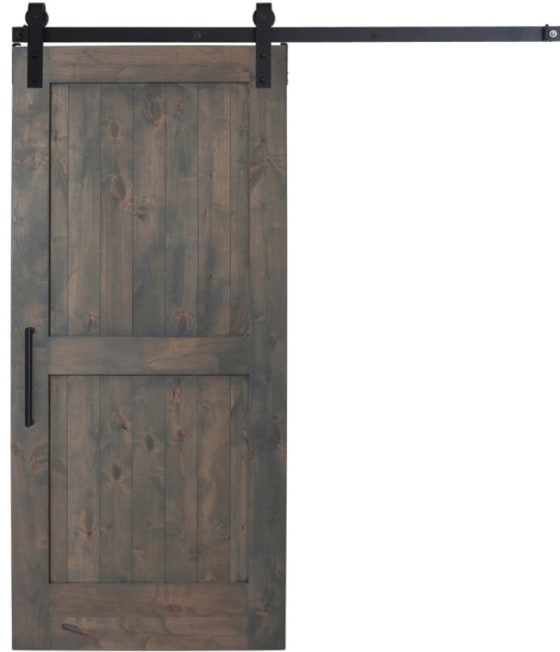
Framed planksRails organize the smaller boardsContrast between frame and center can be emphasized.
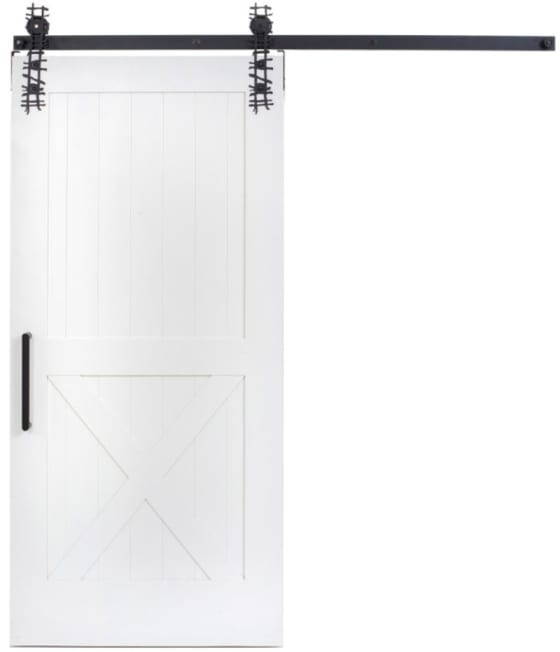
Overlay designAdded geometric reliefEdges and joints affect the way light falls.
Wood with glassLighter visual boundaryCoordinate wood tone with glass and any metal grid.

Let Species and Grain Guide the Finish

A stain lets the wood’s natural variation remain part of the design. Paint makes color more dominant, while texture and joints can still be visible. Compare a physical finish sample with nearby flooring and cabinetry under the room’s actual light.

Do not expect every board to match a photograph exactly. Grain, knots and color variation differ, particularly in designs using remnant hardwood pieces. Choose the overall character you want rather than an exact arrangement of markings.

Read Beyond the Word Wood

This collection includes different constructions, including solid-wood designs and engineered members in particular models. Review the selected panel’s material description, thickness and configured weight. A species choice alone does not describe how the whole door is built.

For the broader choice between materials and operating layouts, visit all barn doors. This collection focuses on the wood surface and its construction.

Coordinate Relief with Sliding Clearance

Overlays and projecting handles occupy space beyond the panel’s basic thickness. Check those projections against wall trim and adjacent doors. A richly detailed wood face may also change where a hanger can attach.

Pair the chosen panel with compatible barn door hardware using its actual weight and mounting requirements. Finish all required surfaces according to the product’s care guidance before the installation is completed.

For a plain wood rail that needs a small decorative accent, compare clavos nail sizes and verify suitable wood behind each attachment point.

Before You Order

  1. Choose the wood expression

    Select slab, plank, overlay or glazed framing.

  2. Approve material and color

    Confirm species, construction, samples and the appearance of both sides.

  3. Match the operating system

    Check panel weight, relief, handle projection and compatible hangers.

Get help with your project

Interior Wood Sliding Doors: Common Questions

Will a stained door look exactly like the product photograph?

Natural grain and color vary from board to board. A sample helps establish the finish direction, while the completed panel will retain its own wood character.

Are all the doors in this collection constructed the same way?

No. Read the individual design’s materials and construction details, including any engineered framing or glass components.