1.800.891.8312
Free Shipping Details
Most orders over $500 qualify. Free shipping applies to Barn Door Hardware, Barn Doors, and Pocket Doors over $500.
Note: Front doors, interior doors, shower doors, slab doors, any oversized door (wider than 3ft or taller than 7ft), and any special order doors have shipping costs calculated at checkout. Some barn door hardware track lengths do not qualify for free shipping.


What Is a Pivot Door? How It Works and Where to Use One
Tuesday, August 25th, 2026
Author: Kate Allen - Rustica Founder and CEO
Share
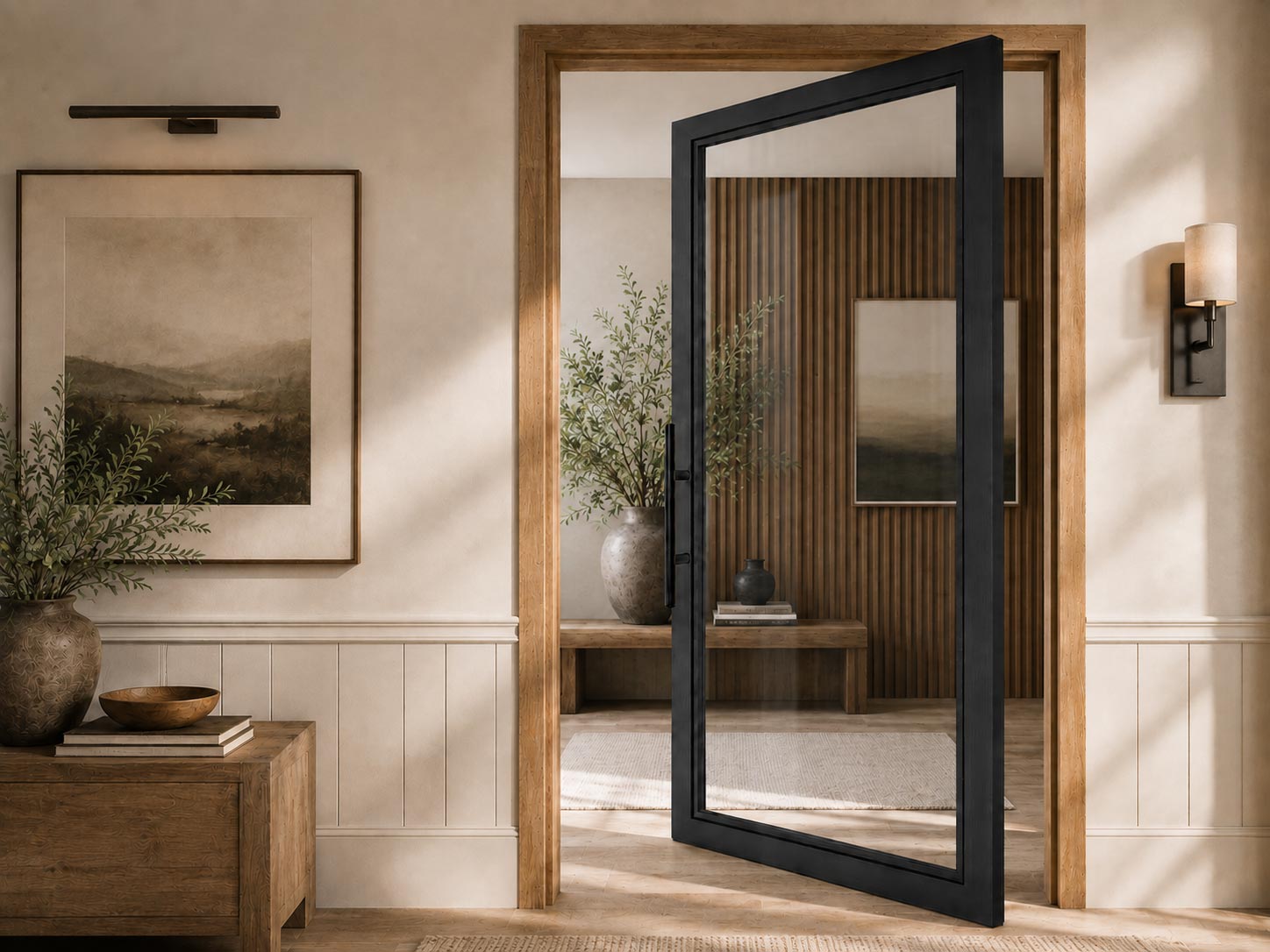 If you’ve ever watched a large door open in a way that made you stop for a second, there's a good chance you were looking at a pivot door. Instead of swinging from hinges mounted along one edge, the door rotates from pivot points at the top and bottom. On a wide or oversized door, that smooth rotation becomes one of the first things you notice.
Pivot hardware changes the way a doorway feels before you even notice how the door moves. Wood can give an entry more warmth and presence, while metal and glass keep offices or living spaces open to light. Taller designs also suit large walls and oversized openings where a standard hinged door may look too small.
You may be considering a pivot door for a front entrance, or an interior pivot door for your home office, wine room, or bedroom. Before you choose a material or style, it helps to understand how the hardware works and where a pivot setup makes the most sense.
Article Highlights‣ Pivot doors rotate from hardware at the top and bottom instead of a row of hinges mounted along one side.
‣ The location of the pivot point changes the swing path and how much of the door moves to either side of the opening.
‣ Interior and exterior pivot doors have different needs, particularly around thresholds, sealing, glass, and weather exposure.
‣ Wood, metal, glass, and mixed-material designs give pivot doors a wide range of looks and levels of privacy.
‣ Opening size, swing space, pivot placement, material, glass, and daily use should all factor into the final choice.
What Is a Pivot Door?
A pivot door opens in a way that feels noticeably different from a standard hinged door. Instead of hanging from hinges along one side of the frame, it rotates from pivot hardware at the top and bottom. That change in hardware gives the door its distinctive swing and lets larger doors move with a smooth, balanced feel.The pivot point doesn’t have to sit right at the edge. Place it farther inward and the door starts to move in the way most people picture when they think of a pivot door. Most of the door swings in one direction while a smaller section moves behind the pivot point in the other. On a wide door, you notice that movement right away.
Pivot doors give you plenty of room to play with material and style. Wood creates a warmer, more substantial look, while metal and glass bring in more light and keep the frame visually light. Since most of the pivot hardware stays out of sight, the door design gets the attention.
That flexibility is one reason pivot doors show up in so many different spaces. They work beautifully as oversized front doors, but they also make sense inside the home for offices, bedrooms, wine rooms, living areas, and other openings where you want something a little different from a standard hinged door.
How Does a Pivot Door Work?
A pivot door turns around a vertical line created by the hardware at the top and bottom of the door. The bottom pivot supports much of the door’s weight, and the top pivot keeps everything lined up as the door opens and closes. Since the weight isn’t hanging from several hinges along one side, the system works well with doors that are wider, taller, and heavier than a typical hinged door.
Where you place the pivot changes how the door feels when you open it. A pivot close to the edge gives you a swing that feels fairly familiar. Move that point farther toward the center and the motion becomes more dramatic. Most of the door swings forward while the shorter section moves back.
That shorter section is easy to forget when you’re looking at a closed door, but it matters once the door starts moving. A sofa, console table, nearby wall, light fixture, or another door could end up sitting right in the swing path. Planning around the full movement of the door helps you choose a pivot location that feels natural in the room.
The right setup comes down to the opening, the size of the door, and the space around it. Once those pieces line up, a pivot door feels surprisingly easy to use, even when the door itself is large.
Pivot Door vs. Hinged Door
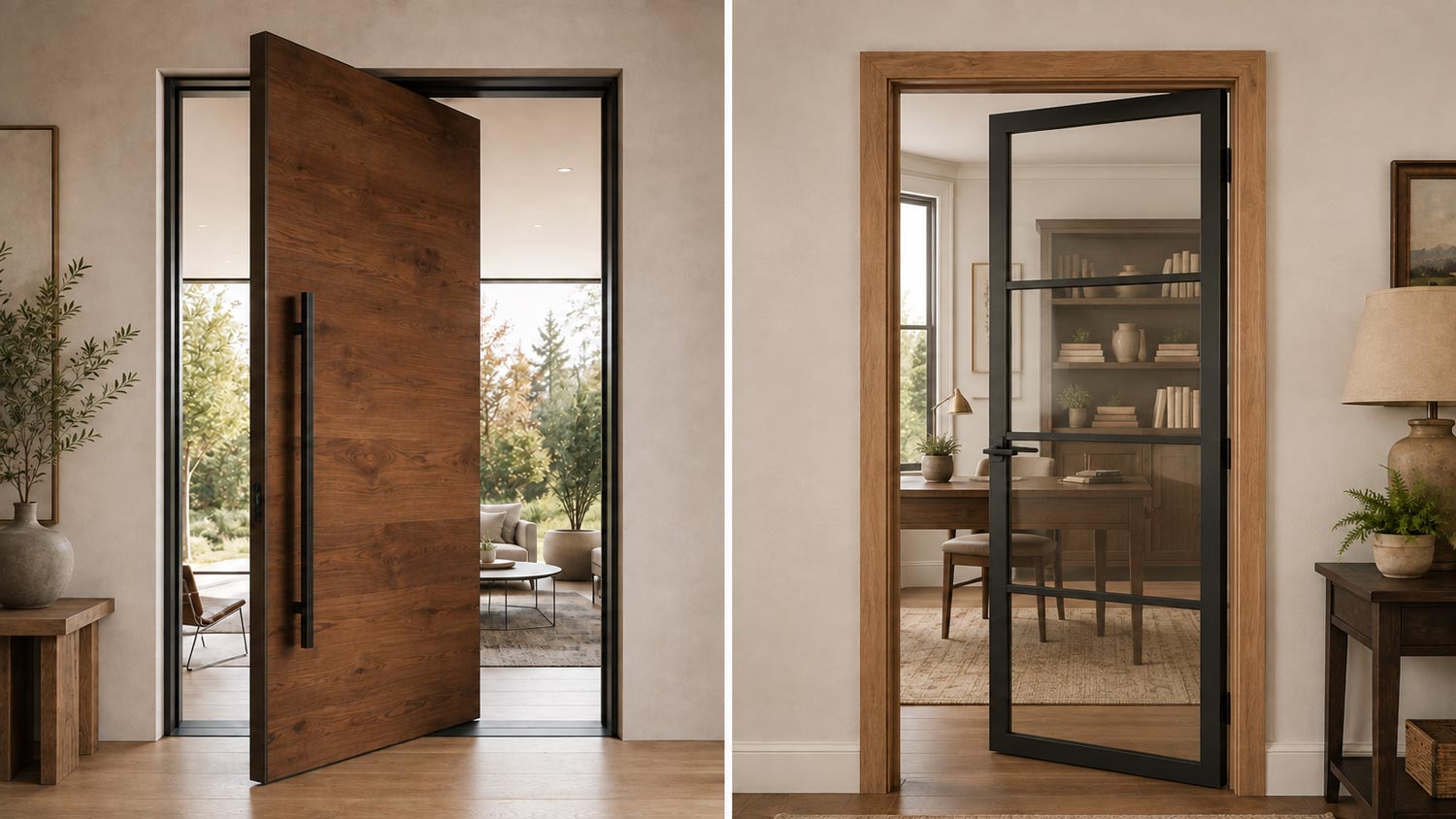 A pivot door and a hinged door may fill the same opening, but the hardware changes how each one moves and how each one fits into the surrounding space.
Traditional hinged doors attach along one side of the frame. The hinge side stays fixed, and the rest of the door travels through a predictable arc. Pivot doors rotate from top and bottom hardware, with the pivot point located at or inward from the edge. The farther inward the pivot sits, the more noticeable the two-sided swing becomes.
Pivot Door | Hinged Door |
Rotates from top and bottom pivot hardware | Swings from hinges mounted along one side |
Pivot point may sit inward from the edge | Hinge point stays at the outer edge |
Often paired with wide, tall, or oversized designs | Common choice for standard-size openings |
Part of the door may move to each side of the pivot | Door follows one traditional swing arc |
Available in wood, metal, glass, and mixed materials | Available in the same broad range of materials |
A standard hinged door remains a smart choice for many openings. Familiar operation, standard proportions, and limited movement behind the hinge side make it easy to place in bedrooms, bathrooms, closets, and other everyday doorways.
Pivot doors become more interesting when the opening deserves a different scale or movement. A wide front entrance, a tall wall, a glass office enclosure, or a large opening between rooms may benefit from the proportions and swing of a pivot design.
Why Choose a Pivot Door?
A pivot door earns its place when the opening calls for something outside the proportions or movement of a standard door. The appeal usually comes down to scale, motion, and design freedom.
Wider Door Designs
Wide doors need to feel supported and proportional to the opening around them. Pivot hardware gives larger panels a practical way to rotate without relying on a full row of side-mounted hinges. That makes the configuration a natural match for broad front entries, tall doorways, and custom openings where a narrow slab would leave too much unused visual space.
A Different Kind of Movement
The movement is one of the easiest ways to recognize a pivot door. With an offset pivot, the door does not simply sweep away from one fixed edge. Part of the panel moves to the opposite side of the pivot, which changes the experience of opening the door and the view through the opening.
More Design Freedom
Pivot hardware pairs with many materials and door styles. Wood brings grain, color, and a more private feel. Metal frames create thinner sightlines around glass. Mixed designs let you use glass where you want light and wood or another opaque material where you want coverage.
The proportions also change the design possibilities. A tall door with long vertical lines feels very different from a standard rectangular panel. A wide glass door brings another kind of presence. Pivot hardware gives you room to consider those shapes without forcing every opening into the same familiar format.
A Strong Fit for Custom Openings
Custom homes, remodels, and larger interior spaces often include openings that do not line up neatly with standard door proportions. A pivot design gives you another way to respond to those dimensions.
Where Can You Use a Pivot Door?
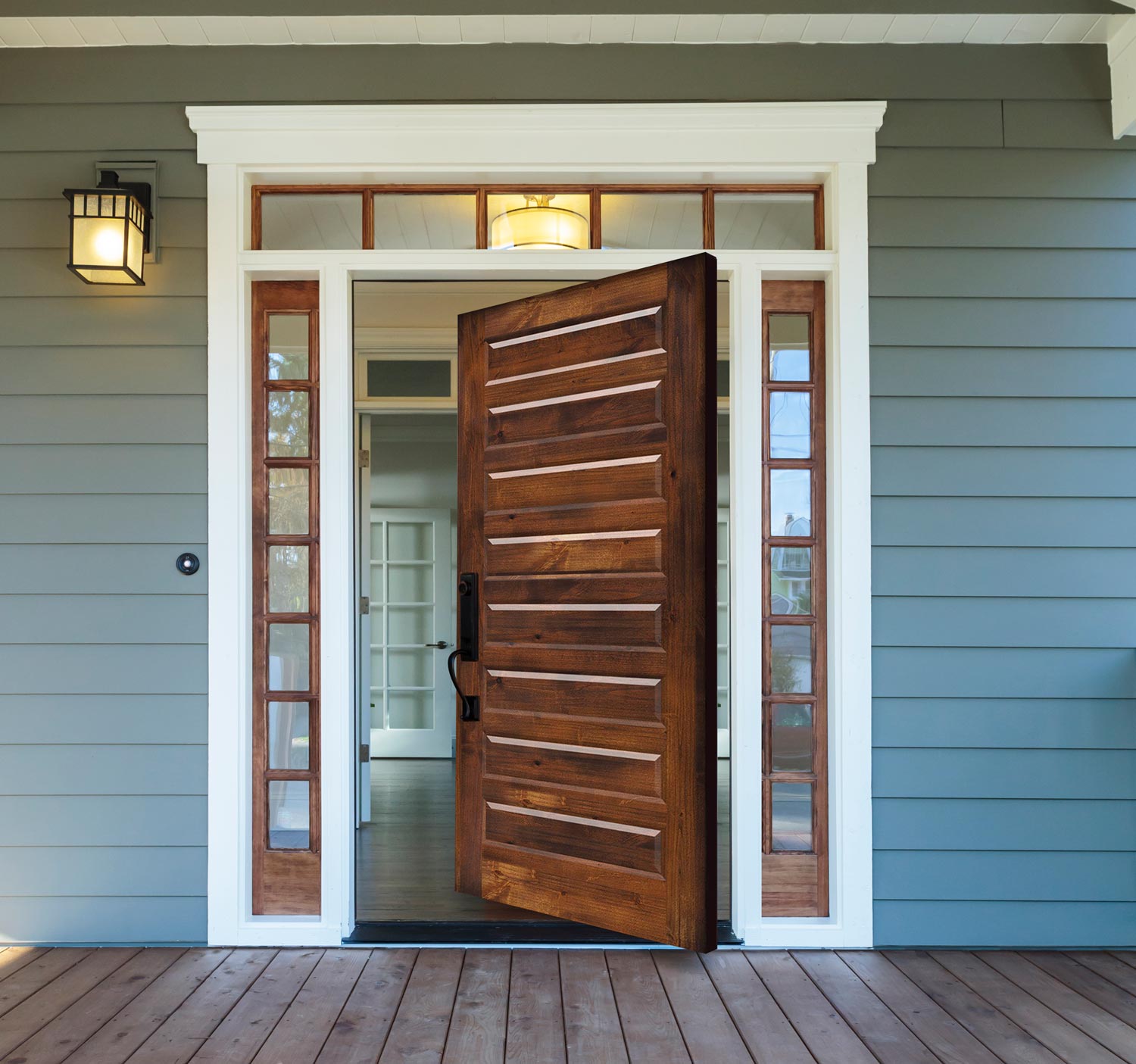 Many people picture an oversized front door when they hear “pivot door,” but the configuration belongs in plenty of interior spaces too. The right location depends on what you want the door to accomplish once it is closed and what you want the opening to feel like once it is open.
Entryways
A wide or tall front entrance gives a pivot door room to show its proportions. Wood creates a warmer entry with natural grain and richer finishes. Metal and glass bring more daylight toward the front of the home and create a slimmer frame around the opening.
Home Offices
A home office often needs privacy for part of the day without feeling disconnected from the rest of the house. A glass pivot door sets a clear boundary and keeps the office visually connected to the adjoining room. Frosted or textured glass softens the view when calls and focused work call for more privacy.
Living and Dining Spaces
Large openings between living and dining areas often look better with a door that matches their scale. A pivot door gives the opening a defined edge when closed and a broad passage when open, depending on the size and pivot placement.
Wine Rooms
A wine room door gives glass a reason to stay front and center. Metal-and-glass pivot doors keep the bottles and shelving visible, and the frame creates a clear entrance around the collection. Textured glass offers a softer view if full visibility feels too open.
Wood-framed glass brings a warmer look and pairs naturally with cabinetry, shelving, and other wood finishes in the room.
Hallways and Wide Interior Openings
A broad opening at the end of a hallway or between two large rooms may feel out of scale with a standard single door. A larger pivot panel fills more of the opening and gives the wall stronger proportions.
Bedrooms and Private Spaces
A pivot door does not require a wall of clear glass. Full wood panels, smaller glass sections, fluted glass, and frosted glass bring privacy into the same hardware format.
Can Pivot Doors Have Glass?
Yes. Glass appears in pivot doors in many different proportions, from narrow lites to doors built mostly around glass. The best amount depends on where the door sits and how much privacy you want on either side.
Clear glass keeps sightlines open and shares natural light between spaces. It makes sense around offices, wine rooms, living areas, and entries where the view is part of the design. Fluted glass adds linear texture and obscures the view. Frosted glass creates a more private surface. Other textured glass patterns offer different levels of distortion and detail.
Exterior glass needs a different level of scrutiny than interior glass. Look at the glass specification for the exact door and consider privacy, weather exposure, sunlight, and energy performance as part of the selection.
Interior Pivot Doors
Interior pivot doors let you think differently about a doorway without bringing exterior weather requirements into the equation. That opens the door to lighter frames, more glass, flush floor transitions, and a broader mix of room applications.
Start with what the two rooms need from each other. An office beside a living room may need light and a little visual separation. A bedroom needs more privacy. A wine room may benefit from clear glass because the interior is part of the display. A large opening between living spaces may need scale and movement with less focus on privacy.
Glass choice changes the relationship between the rooms. Clear glass shares the view and daylight. Fluted and textured glass break up direct sightlines. Frosted glass creates more privacy and still allows brightness through the opening. A full wood panel closes the visual connection and gives the door more weight in the room.
Interior floors also deserve attention. A completely flush transition keeps the floor visually continuous. An interior threshold creates a visible boundary at the base of the opening. If a threshold is optional on the door you are considering, decide which treatment fits the room before the order goes into production.
Exterior Pivot Doors
An exterior pivot door has to look good from the street and perform at the entry. It sits between indoor comfort and outdoor weather, so construction details carry more weight at the front entrance.
Start with the frame, threshold, weather sealing, glass, and locking setup offered with the specific door. Rustica exterior pivot doors use an exterior threshold, and individual product specifications spell out the construction and options that go with each design. Checking those details early keeps the style decision grounded in how the entry actually needs to perform.
Material changes the character of the entrance. Wood brings grain and color to a large panel and pairs naturally with stone, brick, stucco, siding, and other exterior materials. Metal-and-glass designs bring in more light and create stronger contrast against many facades.
Glass deserves extra thought outdoors. Privacy, sunlight, energy performance, and exposure all matter. A large clear pane may look beautiful in one entry and feel too exposed in another. Textured glass or a design with smaller glass sections may strike a better balance.
Wood vs. Metal Pivot Doors
Material changes the personality of a pivot door long before anyone notices the hardware. Wood feels warmer and more substantial. Metal and glass feel lighter because more of the opening stays transparent. Neither choice owns one architectural style, and both offer plenty of room for customization.Feature | Wood Pivot Doors | Metal and Glass Pivot Doors |
Look | Warm and substantial, with the wood itself playing a big part in the design. | Lighter and more open, with slim framing around larger areas of glass. |
Privacy | Solid wood offers strong privacy, with glass added only where you want more light. | Clear glass keeps views open, while textured glass gives you more privacy. |
Customization | Choose the wood species, finish, grain direction, panel layout, and glass placement. | Choose the frame finish, grid layout, and glass type to change the look. |
Natural Light | Full wood doors block more light, while partial glass sections bring daylight through selected areas. | Larger glass sections bring more natural light through the opening. |
Best For | Entries, bedrooms, offices, and spaces where privacy or the character of wood matters. | Entries, offices, wine rooms, and connected living spaces where you want more glass and visibility. |
Overall Feel | More visual weight, with a stronger focus on the material and finish. | Slimmer and more transparent, with the glass doing more of the visual work. |
Wood Pivot Doors
Wood puts the material itself at the center of the design. Grain direction, species, finish, panel layout, and glass placement all affect how the door reads from across the room or from the curb.
A full wood panel offers strong privacy and gives a large door visual weight. Glass sections break up the surface and bring light through without losing the warmth of the frame. Wood also fits a broad range of homes, including traditional, transitional, contemporary, mountain, and modern designs.
Metal and Glass Pivot Doors
Metal frames let the glass take up more of the view. Slimmer sightlines create a lighter profile, and the frame grid can be simple or more detailed depending on the door design.
Clear glass suits spaces where visibility is part of the appeal, such as wine rooms, offices, and connected living areas. Textured glass adds privacy without covering the entire opening. Exterior versions also need glass selected for the performance requirements of the entry.
What Size Can a Pivot Door Be?
Pivot doors often show up in wider and taller openings, but there is no universal maximum size that applies to every pivot design. Door weight, material, glass, hardware capacity, construction, and the dimensions of the opening all affect what is practical.
A large wood door has different weight and construction demands than a metal frame with expansive glass. Even two wood designs may have different available size ranges because their panel layouts, cores, and hardware differ.
Start with the specifications for the exact door you like. Rustica pivot products list their available dimensions and construction details on the product page, which gives you a real range to plan around instead of an industry-wide number that may not apply to your design.
What Should You Consider Before Choosing a Pivot Door?
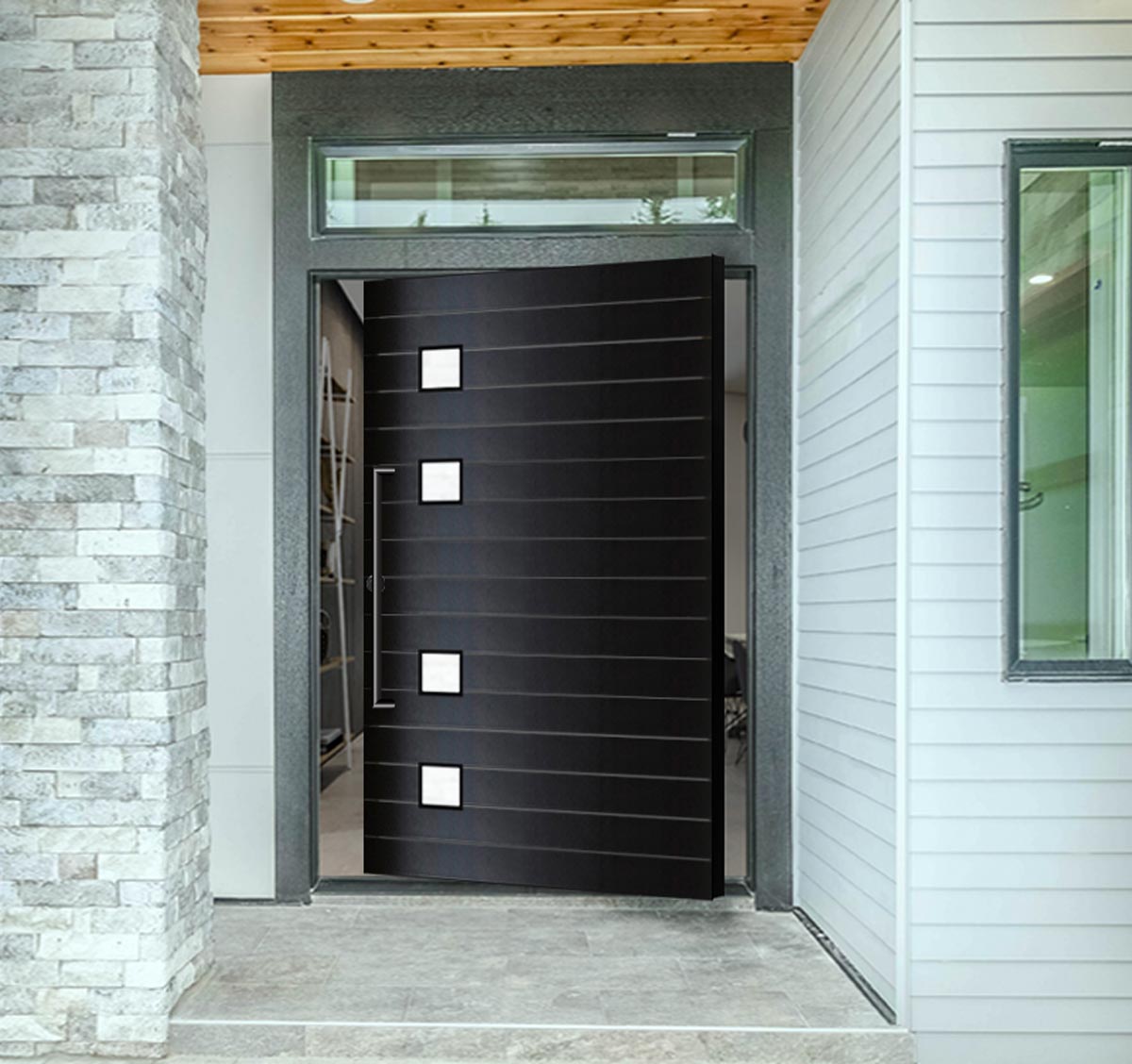 A pivot door gives you a lot to choose from, so it helps to make the big decisions in the right order. Start with the opening and daily use, then move into material, glass, and style.
Interior or Exterior Location
Decide where the door will live before anything else. Exterior entries need a threshold, weather sealing, suitable glass, an exterior frame, and a locking setup designed for the location. Interior doors let you focus more heavily on privacy, floor transitions, room use, and appearance.
Door Size
Measure the opening and look at the surrounding wall rather than chasing the largest door available. Width and height should feel connected to the architecture. A tall foyer may call for extra height. A smaller interior room may look better with a more restrained panel.
Swing Space
Map the swing on both sides of the pivot. Check furniture, light switches, walkways, walls, counters, and nearby doors. An offset pivot sends part of the door behind the pivot point, so that shorter section needs clear space too.
Pivot Location
Pivot placement changes both movement and appearance. A point nearer the edge behaves more like a traditional door. Moving it inward makes the offset more visible and changes the clear opening available when the door sits open.
Material and Glass
Choose material around privacy, light, and the rest of the room. Wood creates stronger coverage and brings natural grain into the opening. Metal and glass keep more of the view open. Textured glass offers a middle ground when daylight matters but direct sightlines do not.
Threshold
Exterior pivot doors use a threshold as part of the entry system. Interior pivot doors may offer a threshold option depending on the product. A threshold creates a defined transition at the base of the door. A flush floor-to-floor opening keeps the two spaces visually continuous.
Single or Double Door
A single large pivot door puts the focus on one panel and one swing. Double pivot doors divide a wider opening into two panels and change how much of the opening you use at once. Look at the width of the space, daily traffic, furniture movement, and the proportions of the wall before deciding.
Existing Opening or New Construction
New construction gives you more freedom to plan the opening around the door. Existing openings require closer attention to current dimensions, floor conditions, wall structure, and surrounding finishes. If the project involves structural changes, bring the appropriate building professional into the planning before ordering the door.
Are Pivot Doors Good for Small Spaces?
A pivot door is not automatically a space-saving door. The panel still swings through the room, and an offset pivot sends part of the door to each side of the pivot point.
Small rooms require a close look at that movement. A carefully placed pivot may fit comfortably when the nearby wall and furniture leave enough clearance. A poorly placed one may interfere with a walkway, desk, bed, or cabinet every time someone opens it.
Pocket doors, barn doors, and bifold doors all handle tight spaces differently. Pocket doors disappear into the wall, barn doors slide across it, and bifold doors fold toward the side of the opening. A pivot door still needs room to swing, so the surrounding floor space matters more.
Are Pivot Doors Only for Modern Homes?
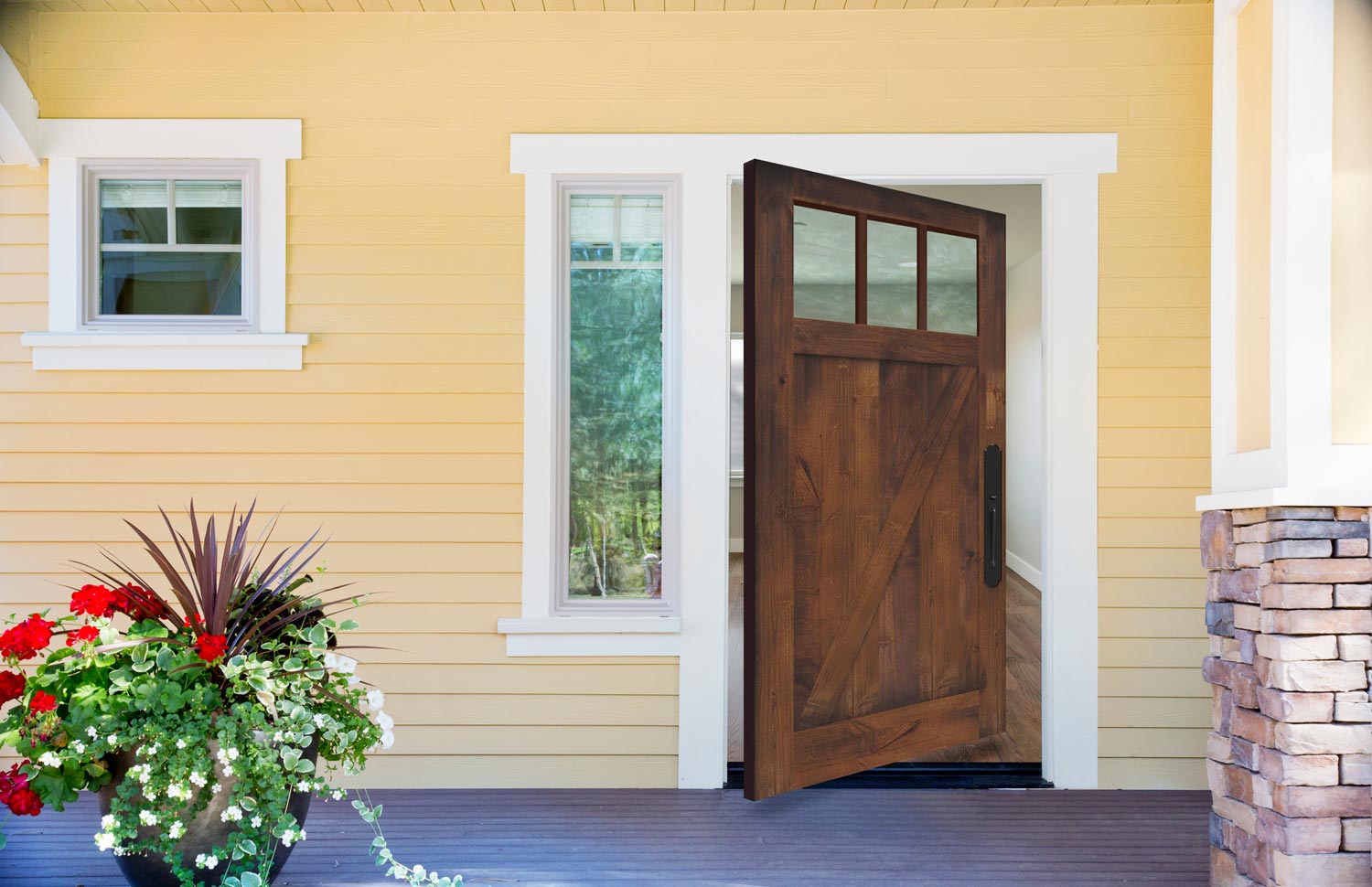 Pivot doors often appear in contemporary architecture, particularly when metal frames and large panes of glass are involved. The pivot hardware itself does not force the door into a modern style.
Wood changes the story quickly. Natural grain, traditional panel details, warmer finishes, divided glass, and familiar proportions bring pivot hardware into homes that lean transitional, traditional, rustic, or mountain-inspired. The door still moves on a pivot, but the material and face design set the tone.
Metal and glass doors have range too. A minimal frame with large panes like our popular Modern Cottage Pivot Door feels distinctly contemporary. Add divided lites, warmer surrounding finishes, or more traditional room details and the same material starts to feel less stark.
If you like the movement of a pivot door but do not want an ultra-modern entrance, start with a door design that already fits your home. Let the pivot system change how it opens rather than force the entire space toward a style you don't want.
Pivot Door FAQs
Do Pivot Doors Swing Both Ways?
Some pivot systems allow movement in both directions, and others limit the door to a single direction. Hardware, stops, frame details, and the specific door setup determine the swing. Check the product specifications before assuming a door will operate both ways.
Can Pivot Doors Be Used Outside?
Yes. Exterior pivot doors are built for entry use with exterior frames, thresholds, sealing, glass, and locking options suited to the door design. Shop specifically for an exterior pivot door rather than treating an interior pivot panel as an exterior entry.
Can Pivot Doors Lock?
Yes. Pivot doors support locking hardware, but the available lock and handle setup depends on the door construction. Decide how you want the door to lock before ordering, particularly on metal-and-glass designs where hardware placement needs to be planned into the frame.
Are Pivot Doors Good for Wide Openings?
Wide openings are one of the places pivot doors make the most sense. The hardware arrangement pairs well with larger proportions, and a broad panel may look more balanced than a narrow standard door in a large opening. Product specifications still determine the available size for each design.
Can You Use a Pivot Door Inside a Home?
Yes. Interior pivot doors suit offices, bedrooms, wine rooms, living spaces, dining areas, hallways, and other openings where the proportions or movement of a standard hinged door do not feel right. Material and glass choice determine how private or connected the two spaces feel.
What Is the Difference Between a Pivot Door and a Pocket Door?
A pivot door rotates around hardware at the top and bottom. A pocket door slides sideways into a cavity inside the wall. Pivot doors need swing space around the opening. Pocket doors keep the floor area around the doorway clear, but they require wall space for the door pocket.
Find the Pivot Door That Fits Your Space
A pivot door gives you plenty of freedom to shape the opening around your home. Where the pivot sits changes the swing and how much of the door moves to each side. A glass-heavy design can bring more daylight into the room and keep the view open, while a solid wood door gives you more privacy and a stronger presence.
A wider or taller pivot door naturally becomes a bigger part of the room’s design, so the way it moves and the material you choose both carry more weight. A solid wood design can make an entry feel grounded and private, while glass keeps more light moving through the space and leaves the view more open. The difference shows up in everyday use as much as it does in the finished look.
A front entry may call for a wide wood pivot door with warmth and scale. Metal and glass often fit an office or living area where you want some separation without closing the room off. The right setup depends on how the opening is used and what you want the door to add to the space.
Rustica builds pivot doors for interior and exterior openings in wood, metal, glass, and mixed-material styles. Shop our Pivot Door Collection to compare designs, materials, glass options, sizes, and configurations for your project.




PRODUCTS
FEATURES
COMPANY
BUSINESS