

Choose an aligned or staggered arrangement
An aligned stack suits a narrow wall or a collection you want to keep orderly. Staggered shelves can break up a wider wall, especially when one repeated offset ties them together. Start with fewer shelves and a small group of objects; empty space is part of the layout.
Mark the shelf edges with removable tape and try the arrangement at full size. Check it while seated and standing. Open nearby doors and cabinets, and make sure the projecting shelf will not crowd a walkway.
1. Make a kitchen ledge for daily pieces
Place frequently used mugs or bowls near the task they serve. Measure the largest plate before selecting shelf depth and leave enough height to lift items out. Keep open shelving away from cooking heat and grease unless the location and materials are suited to that exposure.
2. Use a mantel-style shelf as a focal point
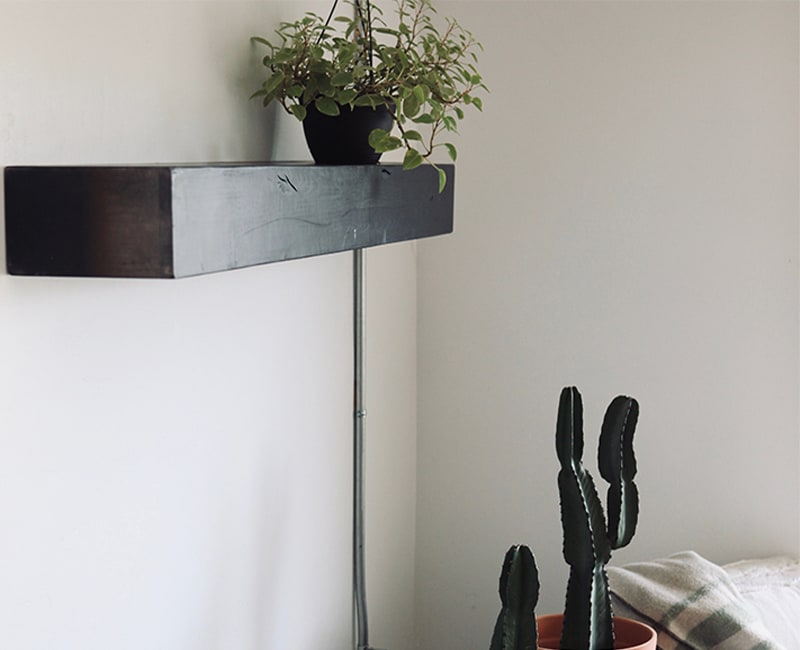
A substantial shelf can anchor a group of artwork or a fireplace wall. Above a fireplace, confirm the required clearance for the exact appliance and shelf projection before choosing a height. A mantel does not automatically protect a television or make nearby decor safe from heat.
Compare wood mantels and floating shelves after confirming those requirements.
3. Build a small library wall
Group books by the way you use them, then measure their depth and stacked weight. Books can create a much heavier load than a few ornaments. Choose a shelf and attachment system rated for that use, with spacing that lets tall books stand upright.
4. Organize media equipment
Give each device room for its cables and the ventilation clearances in its instructions. Leave access to sockets and controls. A shallow display shelf may not fit a console or receiver safely, even if its length looks right.
5. Display a few favorite toys
Keep everyday toys in storage children can reach without climbing. Higher display shelves can hold a small selection of keepsakes, provided the mounting and object placement are secure. Avoid arranging shelves as steps beside a window or other climbing hazard.
6. Replace a bulky nightstand
A small bedside ledge can hold a book, phone and reading light while leaving the floor open. Test the height and depth from the bed before drilling. Keep the edge clear of your head and shoulder, and plan cords so they do not trail across the walking route.
7. Create a simple display wall
Choose one main piece, then add a smaller object and a contrasting texture. Repeat a color or material from elsewhere in the room. Leaning frames need secure retention appropriate to the shelf; do not rely on a slight tilt to keep glass artwork in place.
For a warmer mix of wood and handmade objects, borrow from these cabin decorating ideas. For a lighter painted palette, explore shabby chic decor ideas.
8. Set up a coffee or drinks area
Use the counter for appliances and a shelf for the cups or glasses above. Measure their handles and leave room to lift them. Filled bottles add weight quickly, so include their actual load when choosing the shelf system. Keep electrical equipment clear of splashes.
9. Give garage supplies a defined place
Light display shelving is not a substitute for storage designed for heavy tools, liquids or batteries. Choose the system around the heaviest intended contents and the wall construction. Keep hazardous supplies in appropriate secure storage rather than on an open decorative ledge.
10. Clear a bathroom counter
Use a shallow shelf for a few items that tolerate the room’s moisture. Choose a suitable finish and keep it out of direct spray unless designed for that location. A closed cabinet is a better place for medicines and items that should stay inaccessible to children.
See more bathroom floating shelf ideas for layouts around mirrors and existing fixtures.
11. Use an awkward corner
A corner shelf can turn a small alcove into a useful display spot. Measure both walls and check whether the corner is square. Two straight shelves meeting at a corner still need their own approved supports; joining their ends does not create a rated bracket.
12. Add nursery storage in a carefully chosen location
Keep shelves, heavy decor and dangling cords away from the crib and changing area. Store supplies where an adult can reach them without leaving the child unattended. As the child grows, review the arrangement for climbing and pulling hazards.
The CPSC’s childproofing guidance covers furniture anchoring and keeping medicines and household products in secured storage. A high open shelf alone is not childproof storage.
Reference: CPSC guidance on childproofing the home.
13. Make a small entry or laundry room work harder
A shallow entry shelf can become a landing place for keys and mail. In a laundry room, use shelves for clean towels or baskets, while keeping detergents in suitable secure storage. Check door swings, appliance access and the walking path before using a narrow wall.
Keep hooks, bags and coats in the sketch too. A shelf may fit by itself but become awkward once everything hanging below it is in use.
Measure before choosing the hardware
| Item to record | How to check it |
|---|---|
| Usable wall width | Include trim, switches and doors when open. |
| Shelf depth | Measure the largest object and the remaining walking space. |
| Vertical spacing | Allow room to lift the tallest item, not just fit it in place. |
| Contents and shelf weight | Use actual weights and the manufacturer’s definition of allowable load. |
| Wall construction | Identify framing, blocking or masonry and the required attachment method. |
| Hidden services | Check for electrical, plumbing and other services before drilling. |
Some floating shelves use concealed rods; others use a cleat or another bracket system. Use the instructions for the one you select. Drywall anchors are not an automatic substitute for required studs or blocking, and adding more anchors does not create a new manufacturer rating.
If a visible support suits the design better, compare shelf brackets. For a Rustica product, use the product installation instructions or request the exact guide before planning attachment.
Questions worth asking before you choose
How much weight can a floating shelf hold?
There is no general capacity. It depends on the shelf, its support, attachment, wall construction and load placement. For example, the current Cottage Black Mantel page lists 40 pounds and a kit for attachment to studs. That is a product-specific statement, not a rating for all floating shelves. Confirm the selected size and complete installation requirements.
Do floating shelves have to attach to studs?
Follow the chosen system’s instructions. Some require studs or added blocking; other systems may allow a specified attachment to suitable masonry or another substrate. If the intended layout misses the required supports, change the layout or have the support designed before installation.
How far apart should I place the shelves?
Measure the objects and allow enough space to lift them out. Then check reach and the room’s proportions with a taped layout. A decorative photo does not establish the right spacing for your dishes, books or baskets.
Planning a client project?
Planning shelves and doors as part of a client’s renovation? Coordinate the wood tones, wall space and installation requirements before ordering. Rustica’s contractor discount program explains professional eligibility and how to apply.