1.800.891.8312
Free Shipping Details
Most orders over $500 qualify. Free shipping applies to Barn Door Hardware, Barn Doors, and Pocket Doors over $500.
Note: Front doors, interior doors, shower doors, any oversized door (wider than 3ft and taller than 7ft) and any special order doors have shipping costs calculated at checkout. Some barn door hardware track lengths do not qualify for free shipping.


Where Awnings Work Best Around the Home
Wednesday, January 14th, 2026
Author: Kate Allen - Rustica Founder and CEO
Share
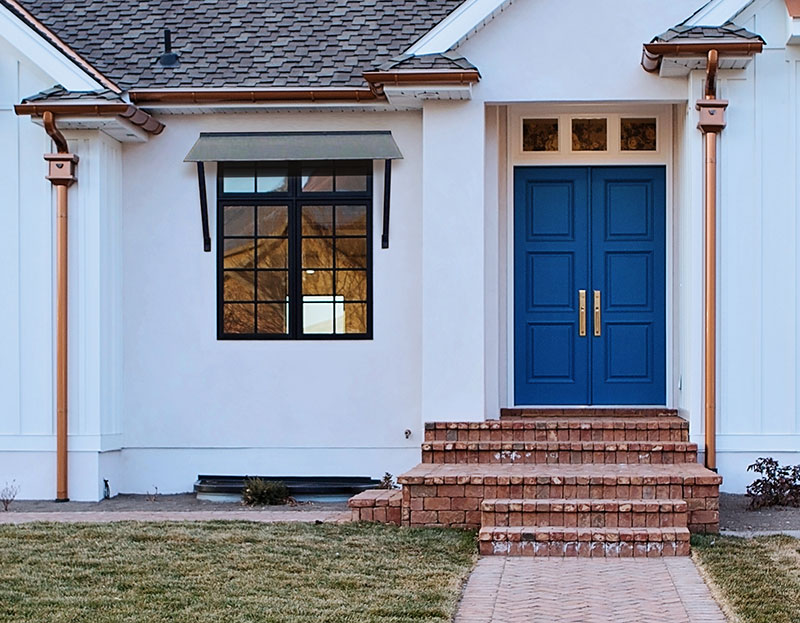
While commercial awnings are a popular choice for businesses, awnings are also great for homeowners. They sit above doors and windows where sunlight and weather hit hardest. Awnings keep entry areas usable during rain, cut glare through glass, and reduce long-term wear on exterior finishes. Over time, that protection affects how doors operate, how windows perform, and how often surfaces need attention.
Placement changes the result. A front entry, a side door, and a patio opening each deal with different exposure. Thoughtful placement turns an awning into quiet protection that also brings balance to the facade.
Awnings by Rustica Hardware
Rustica offers customizable awnings that pair cleanly with doors and windows around your home. The collection includes metal and wood awnings, each built to order so proportions stay right for the opening below.
A metal awning delivers crisp lines and long-term durability, while a wood awning brings warmth and texture that match traditional or transitional homes. Both options support custom sizing, finishes, and profiles, so the awning feels like part of the architecture. Many homeowners design awnings alongside entry doors or large glass openings to keep the exterior consistent from top to bottom.
👉 Related: Save on Cooling Bills with the Right Window Awning
The 9 Most Useful Places to Add Awnings on a House
1. Front doors
The front door sets the tone for the exterior and takes the most daily exposure. Sunlight fades paint and finishes, rain collects at the threshold, and people pause here longer than anywhere else while unlocking the door, greeting guests, or waiting for deliveries. An awning adds shelter where it matters, keeping water off the entry and slowing wear on paint, glass, and hardware.
The awning needs enough depth to provide real cover without crowding the door. Its size should match the opening below it so the entry feels balanced instead of top-heavy. Using the same material as the door frame or nearby trim ties the whole entry together and keeps it from feeling pieced together.
2. Side and service doors
Side and service doors handle constant movement without the visibility of a main entry. Trash runs, pet breaks, quick exits, and everyday errands push these doors into use during rain, heat, and harsh sun. Without coverage, water hits the landing directly and sunlight beats against the slab, speeding up wear and fading.
An awning in this spot keeps the landing drier, gives brief cover while unlocking the door, and shields the surface from repeated exposure. The awning should stay visually quiet and sized just large enough to cover the opening. Modest projection, durable materials, and clean profiles protect the door while keeping the elevation understated.
3. Garage entry doors
The garage entry opens into movement, not arrival. This is where bags get set down, doors get pulled open with elbows, and people move through quickly. Weather hits this spot at close range, and there’s rarely time to wait it out. Water builds up at the landing and exposure concentrates on the lower portion of the door and frame.
An awning shifts that pressure away from the door itself. It redirects runoff, keeps the landing usable during rain, and limits how often moisture and sun hit the same surfaces. Size and clearance matter more than appearance. The awning should project far enough to cover the landing and stay visually restrained so the garage elevation remains balanced.
👉 Related: Why Smart Businesses Choose Commercial Metal and Wood Awnings
4. Patio and backyard doors
Patio and backyard doors often include large glass panels, which means more exposure to sun and rain. An awning above these openings helps control glare, reduces heat buildup inside, and keeps water from pooling near the threshold. It also makes the door easier to use during light rain without fully enclosing the space.
The awning should extend far enough to shade the glass without blocking natural light. Clean lines work best so the awning supports the architecture instead of competing with it. This is a spot where custom sizing makes a clear difference in comfort and performance.
5. Windows
Windows take steady sun and weather all year, especially on elevations that face direct light. An awning above a window reduces glare, limits heat gain, and helps protect trim and finishes from long-term exposure. This can make interior spaces more comfortable while also extending the life of exterior materials. Proportion matters more here than almost anywhere else.
Window awnings should line up cleanly with the window frame and feel scaled to the opening below. Slim metal awnings work well for modern homes, while wood options can match window trim for a more cohesive look. Repeating awnings across multiple windows can also bring balance to a wide facade.
6. Basement entrances
Basement doors deal with a different problem than other exterior openings. Water follows grade lines, snow piles up nearby, and dampness lingers longer at ground level. The stress shows first at the bottom of the door, along the threshold, and where trim meets masonry.
An awning changes how that area behaves after a storm. It limits runoff from above, reduces splashback from the ground, and shortens the time moisture sits against the door. Space around these entries is usually tight, so the awning needs to stay shallow while still reaching far enough to do its job. Simple forms and tough materials fit this location, where control matters more than visual emphasis.
7. Mudroom entries
Mudroom doors deal with mess by design. Wet shoes, muddy boots, sports gear, and pets all move through this entry every day. An awning here gives you a dry buffer before stepping inside and keeps water from tracking directly into the house. It also protects the door and surrounding trim from repeated moisture exposure. This is a place where function should lead the design.
The awning needs enough depth to offer real coverage, especially during rain or snow. Wood awnings can pair well with casual entry details, while metal awnings offer low maintenance for high-use areas.
👉 Related: Why Door Awnings Are a Smart Upgrade for Any Home
8. Outdoor kitchen or grill areas
Outdoor cooking areas stay active even when conditions shift. Sun beats down on prep surfaces, light rain interrupts cooking, and heat and smoke drift toward nearby doors and windows. Without some overhead cover, the space becomes harder to use when the weather turns.
An awning adds relief without closing the area in. It blocks overhead sun so cooking temperatures stay manageable, deflects light rain without trapping smoke, and helps keep nearby doors and windows from absorbing heat and residue. Placement should respect airflow and clearance above the grill, with materials chosen to handle heat and outdoor exposure without warping or staining.
9. Balcony or terrace doors
Balcony and terrace doors sit at the edge between interior space and full exposure. Sun hits the threshold directly, rain pushes toward the opening, and finishes near the door wear faster than those deeper inside. Flooring just beyond the door also takes on more light and moisture than intended.
A balcony awning softens this transition. It reduces water reaching the threshold when the door opens and limits direct sunlight on nearby floors and furnishings. At upper levels, the awning should stay visually light and tightly sized to the opening. Slim profiles provide coverage without adding bulk, keeping the elevation clean and well-balanced.
Awnings Designed to Fit the Home
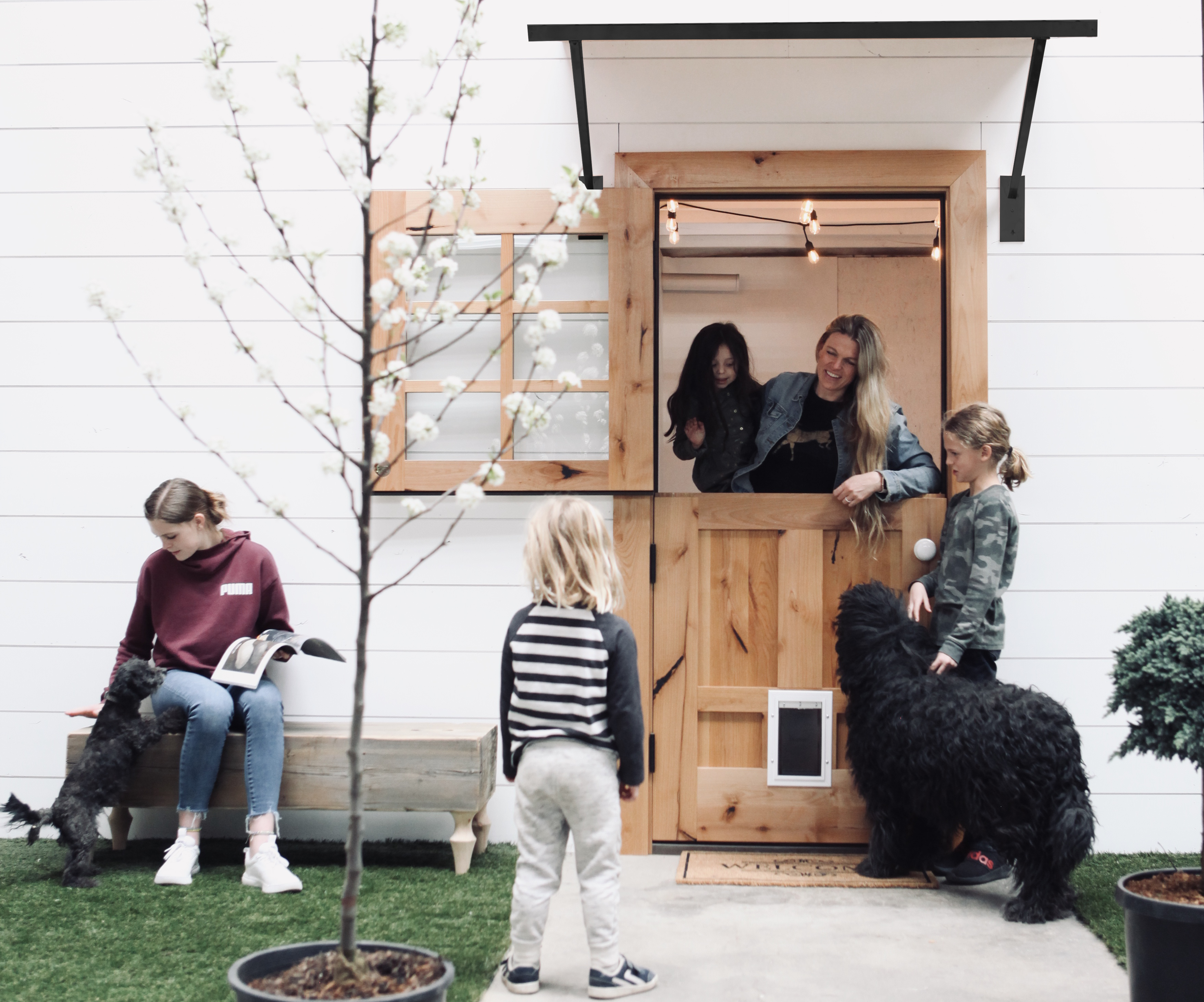
An awning works best when it is designed around the door or window it protects. Size, material, and profile should match the opening and the exposure it faces.
Rustica’s wood and metal awnings are built to order, giving you control over proportions, finishes, and overall look. Explore Rustica’s collection to choose an awning that fits your home and completes the exterior with purpose.



PRODUCTS
FEATURES
COMPANY
BUSINESS