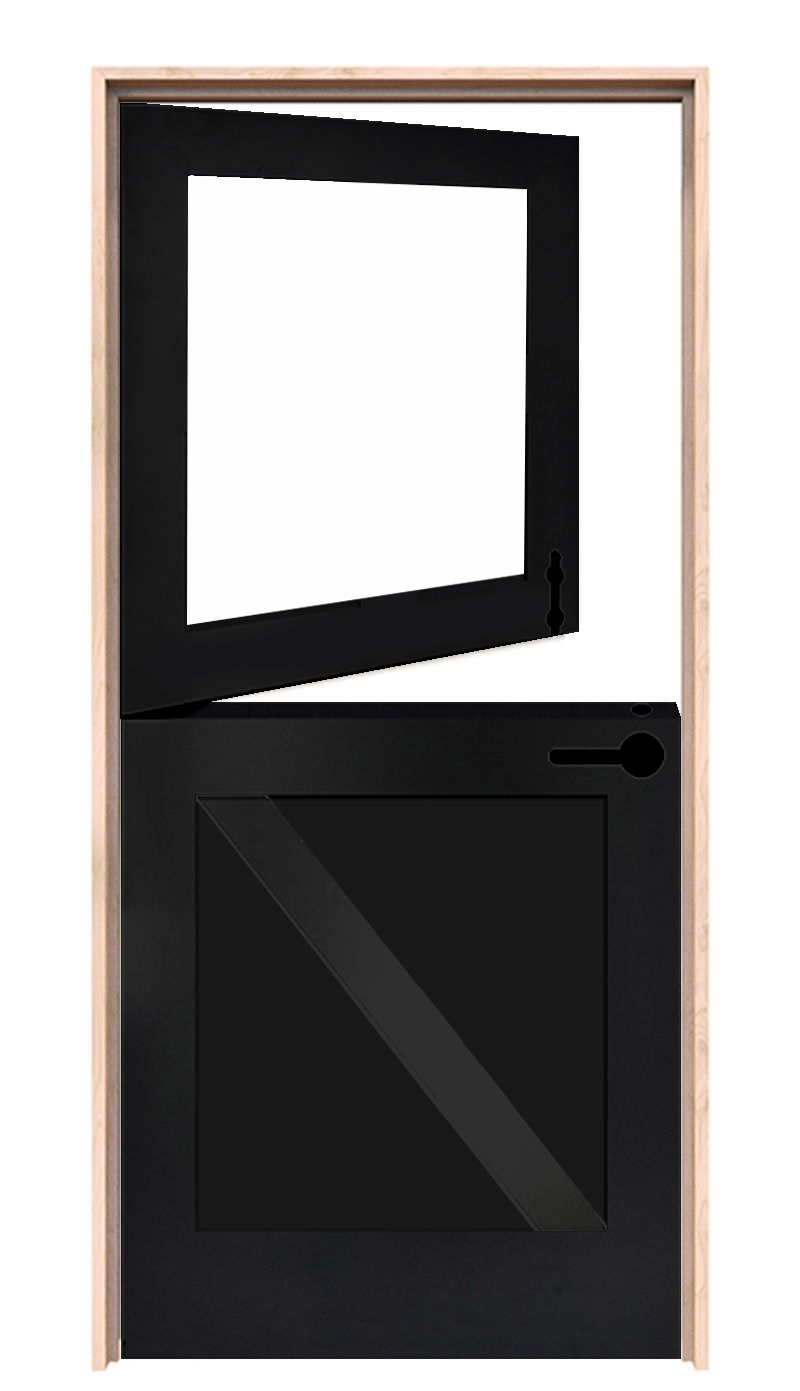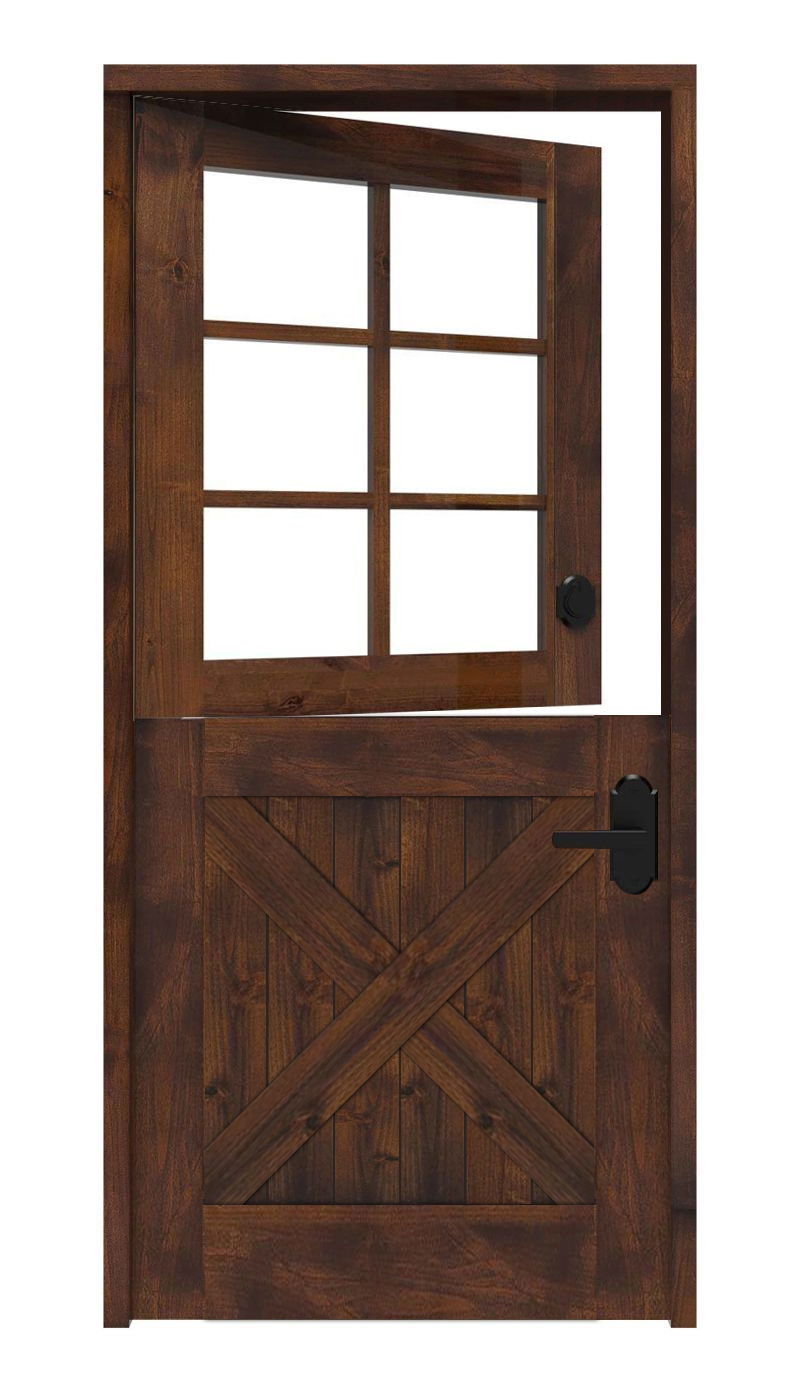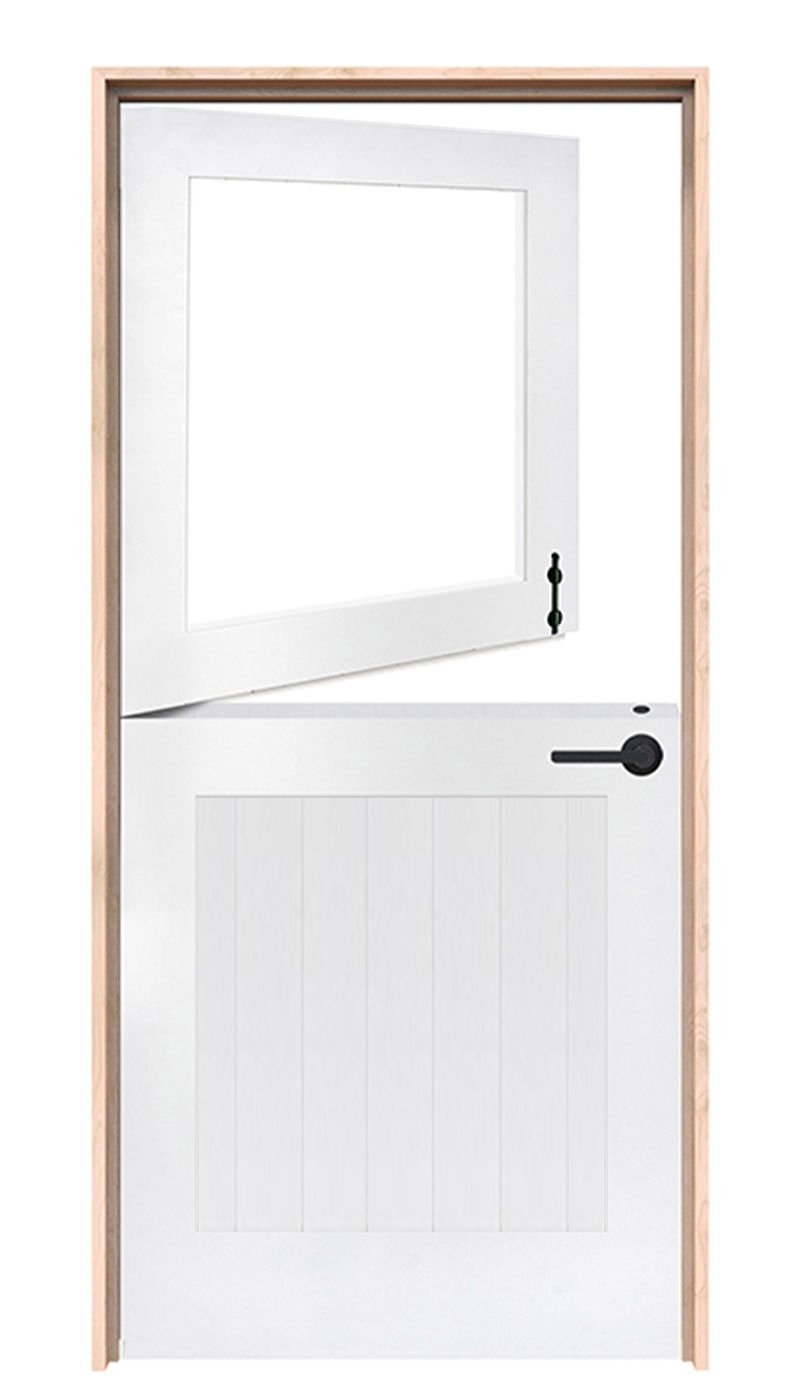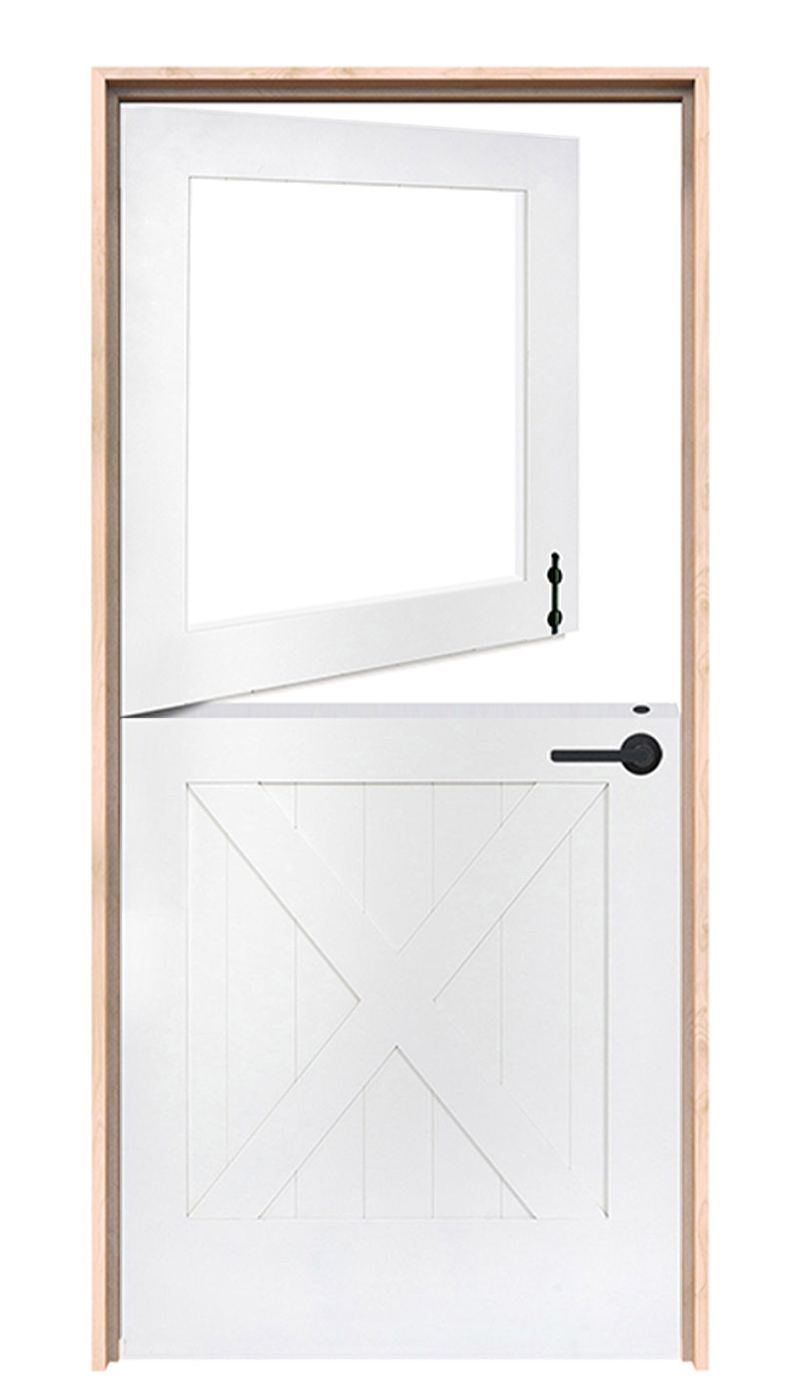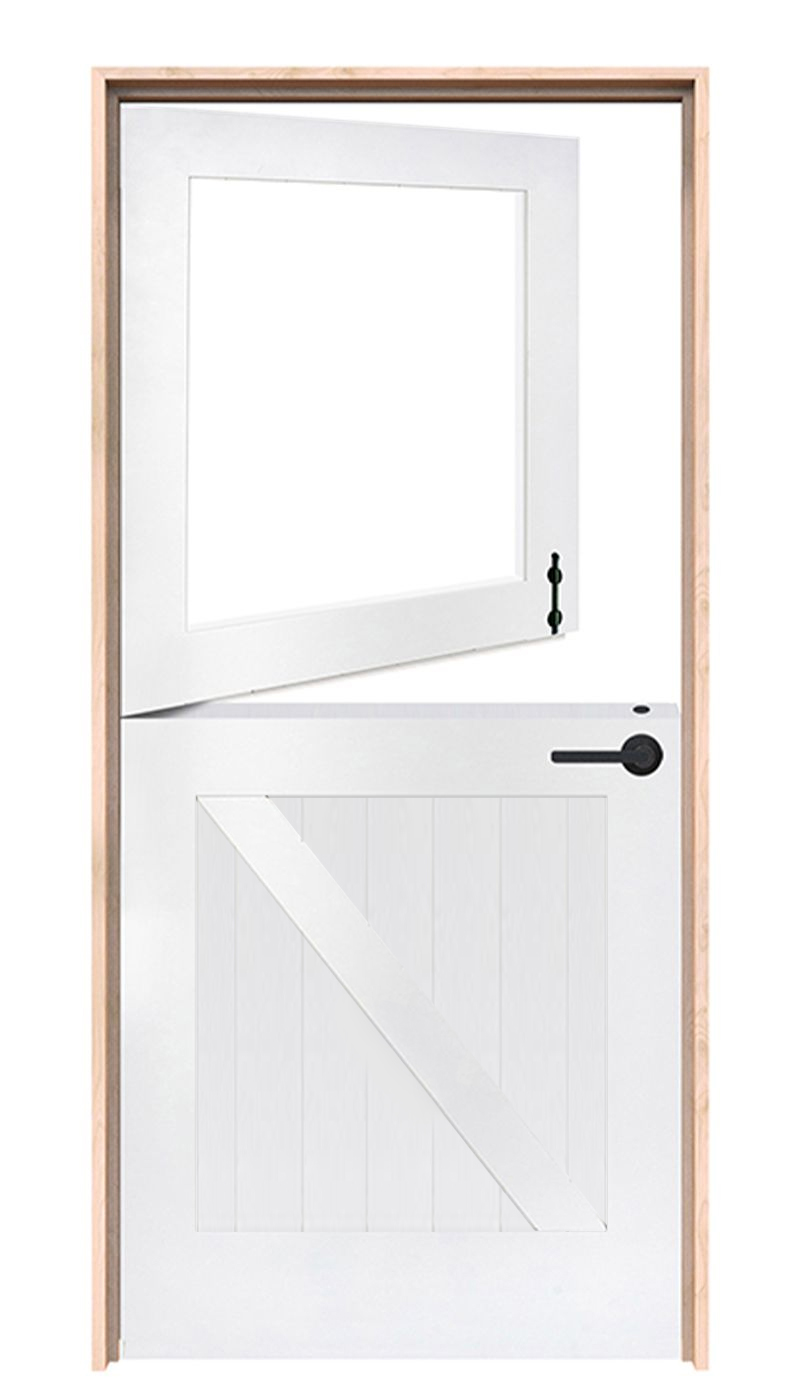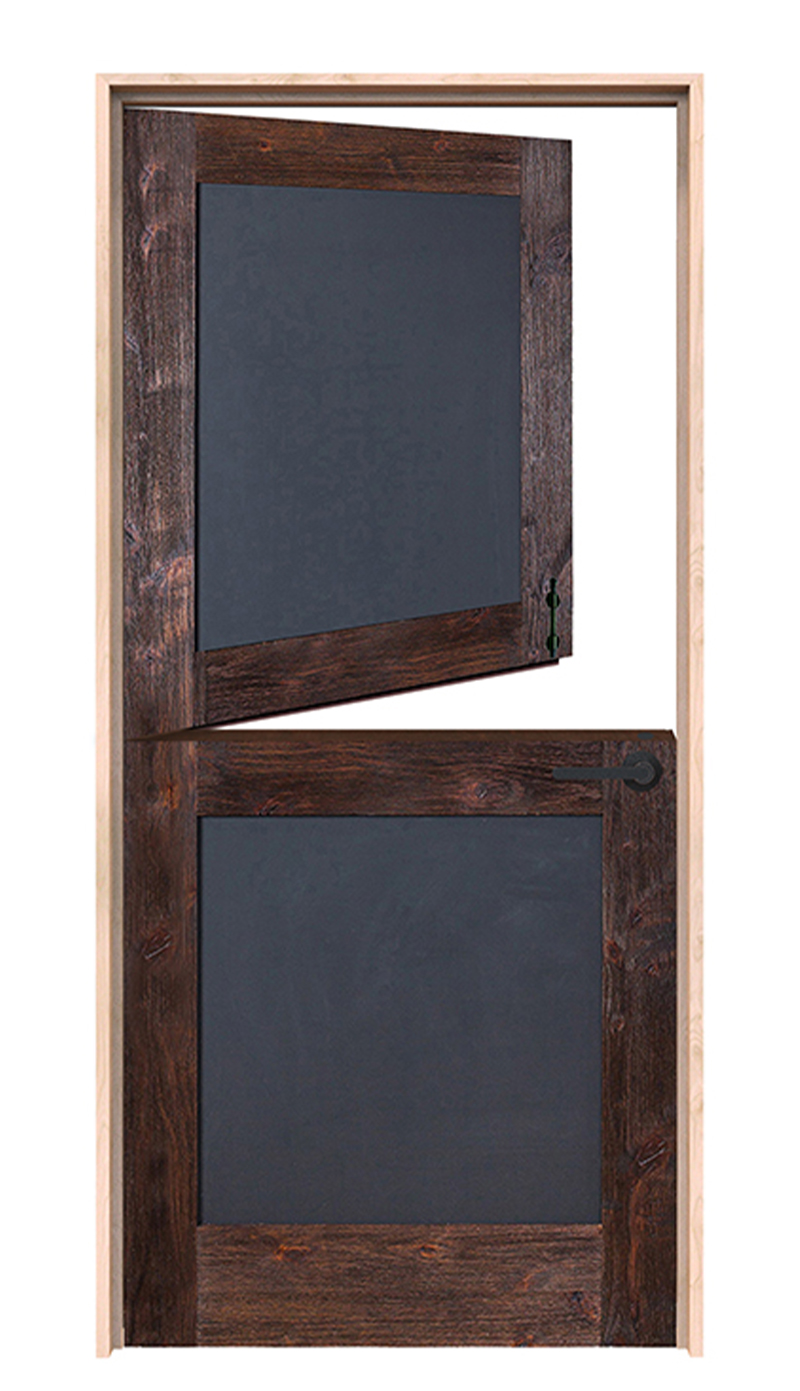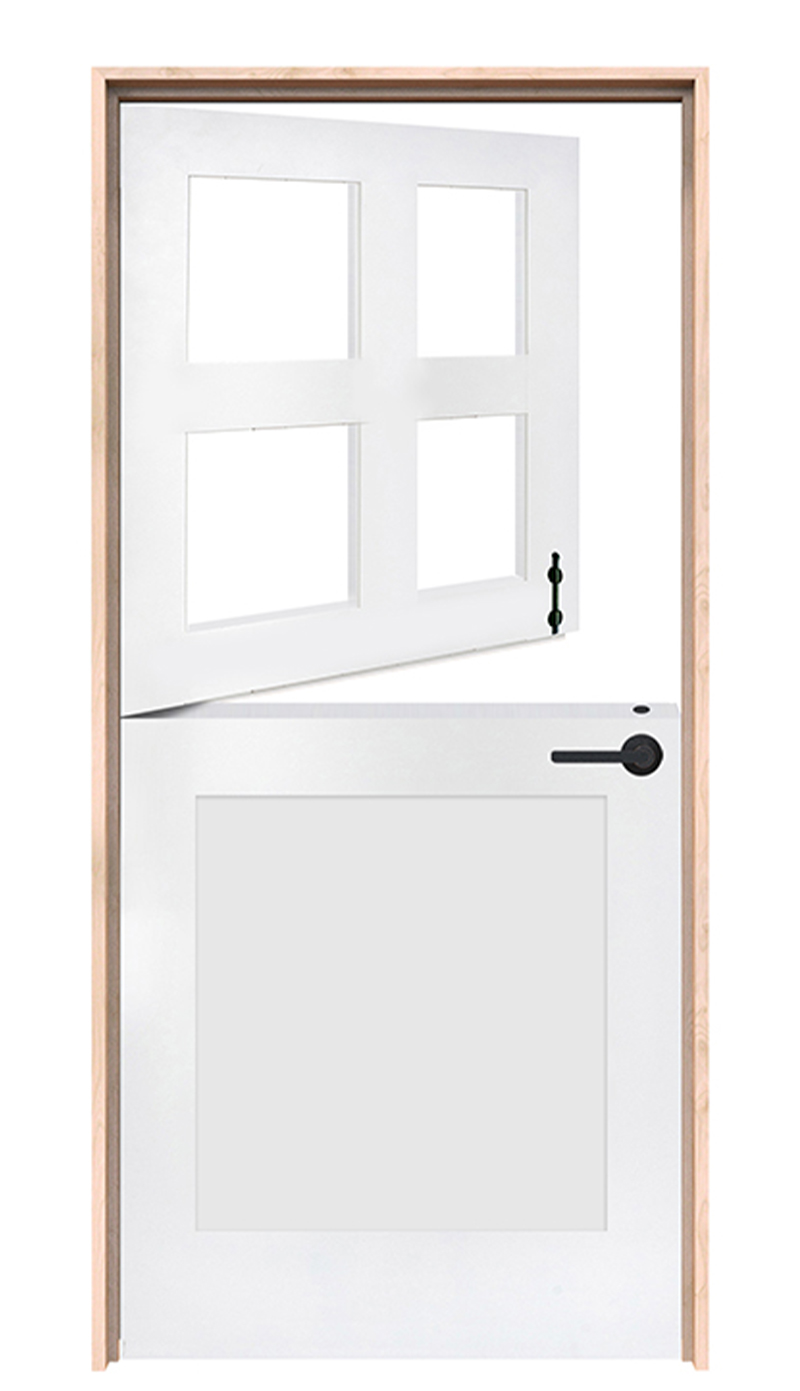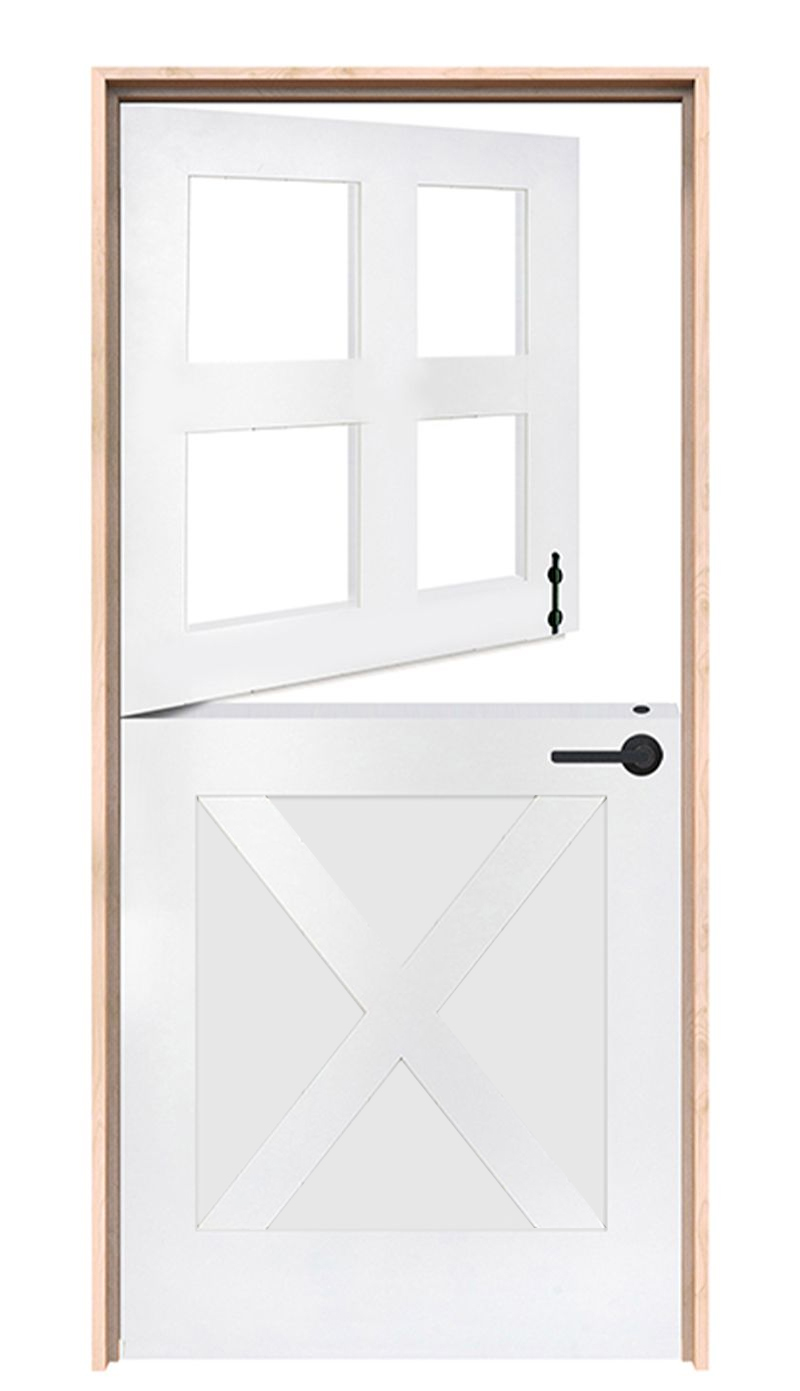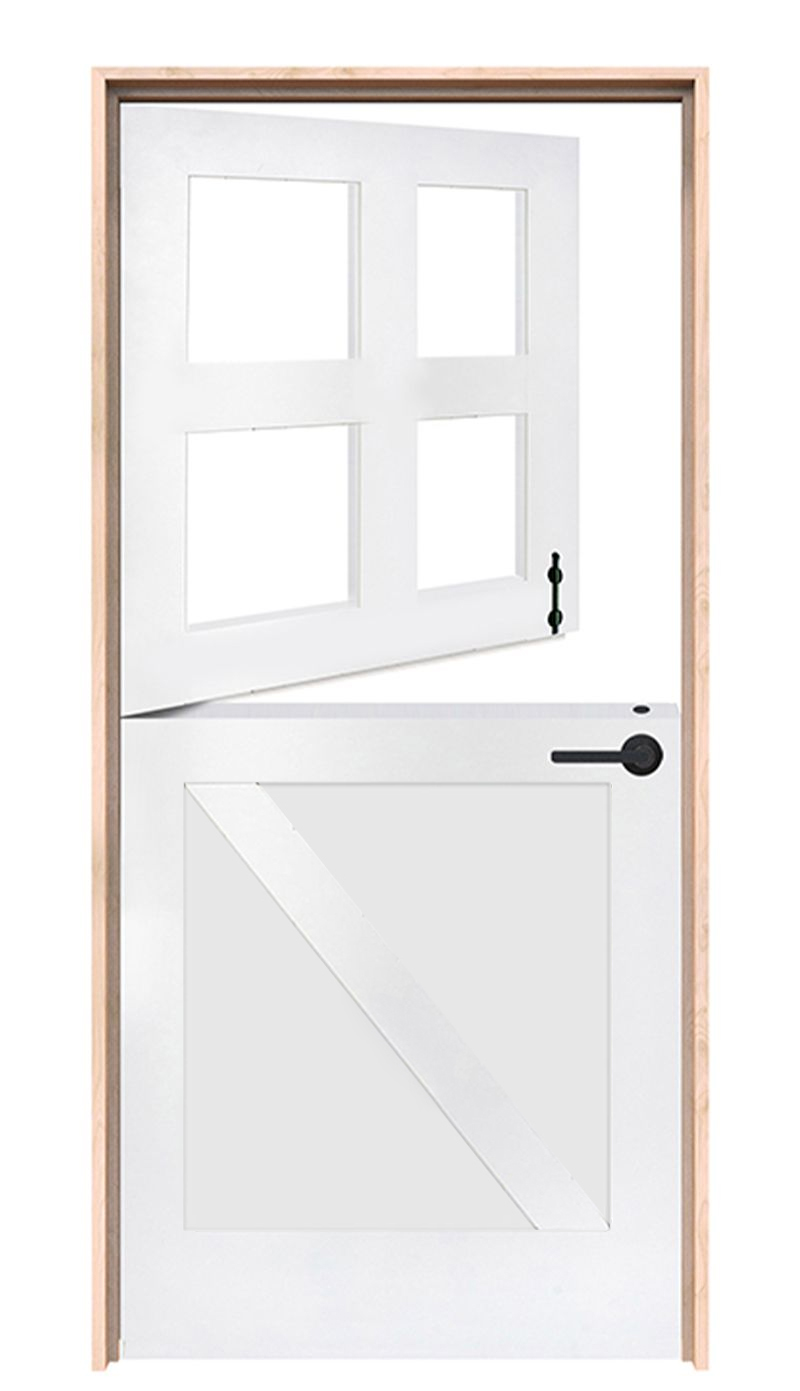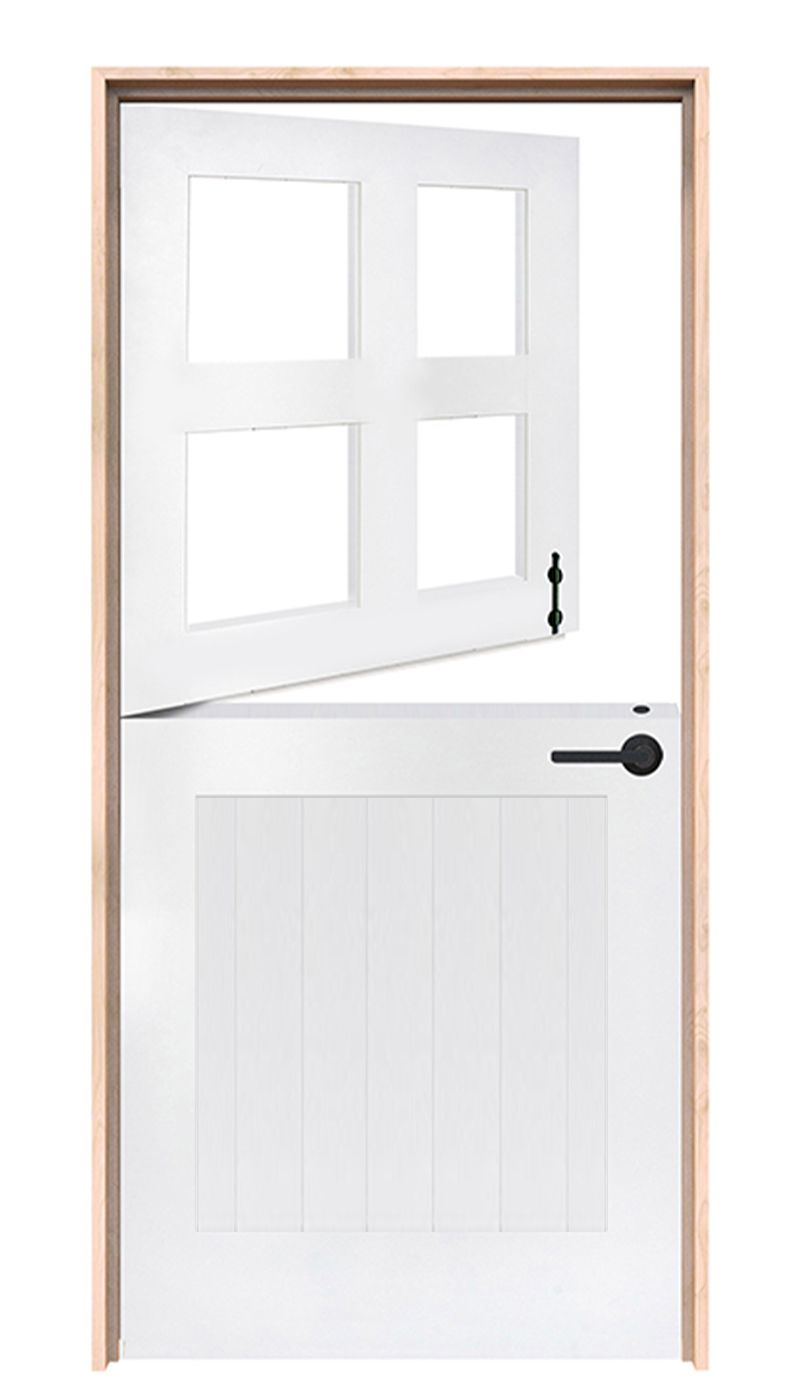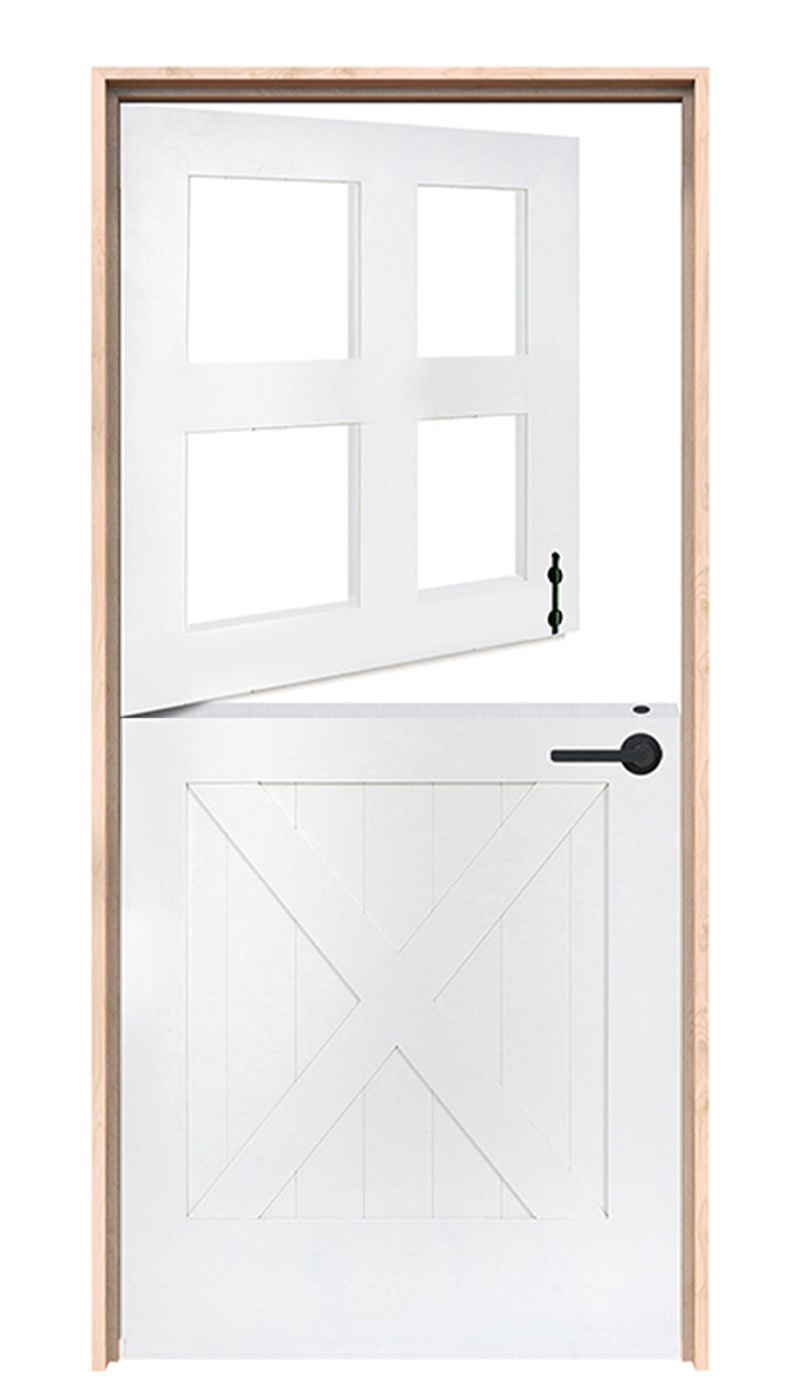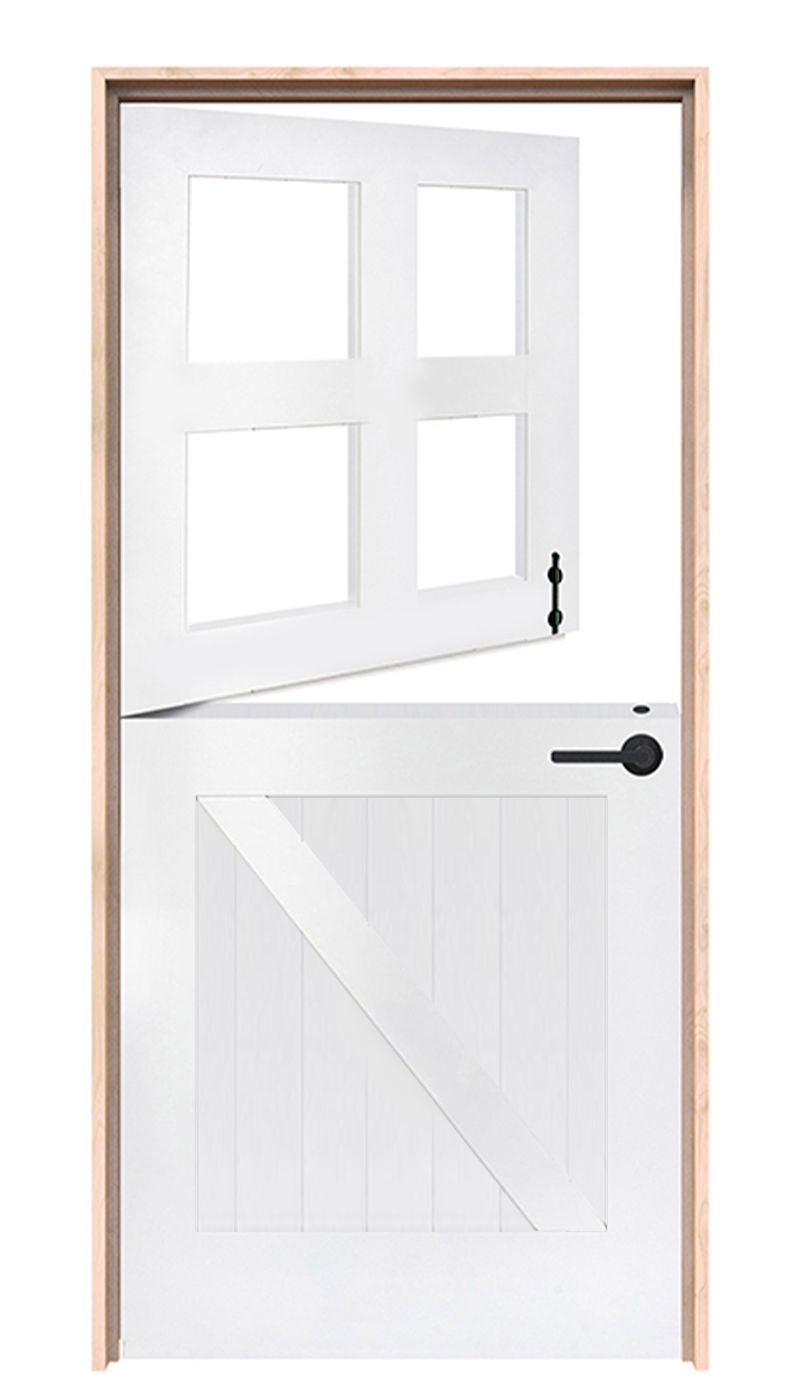
Wood Dutch Doors

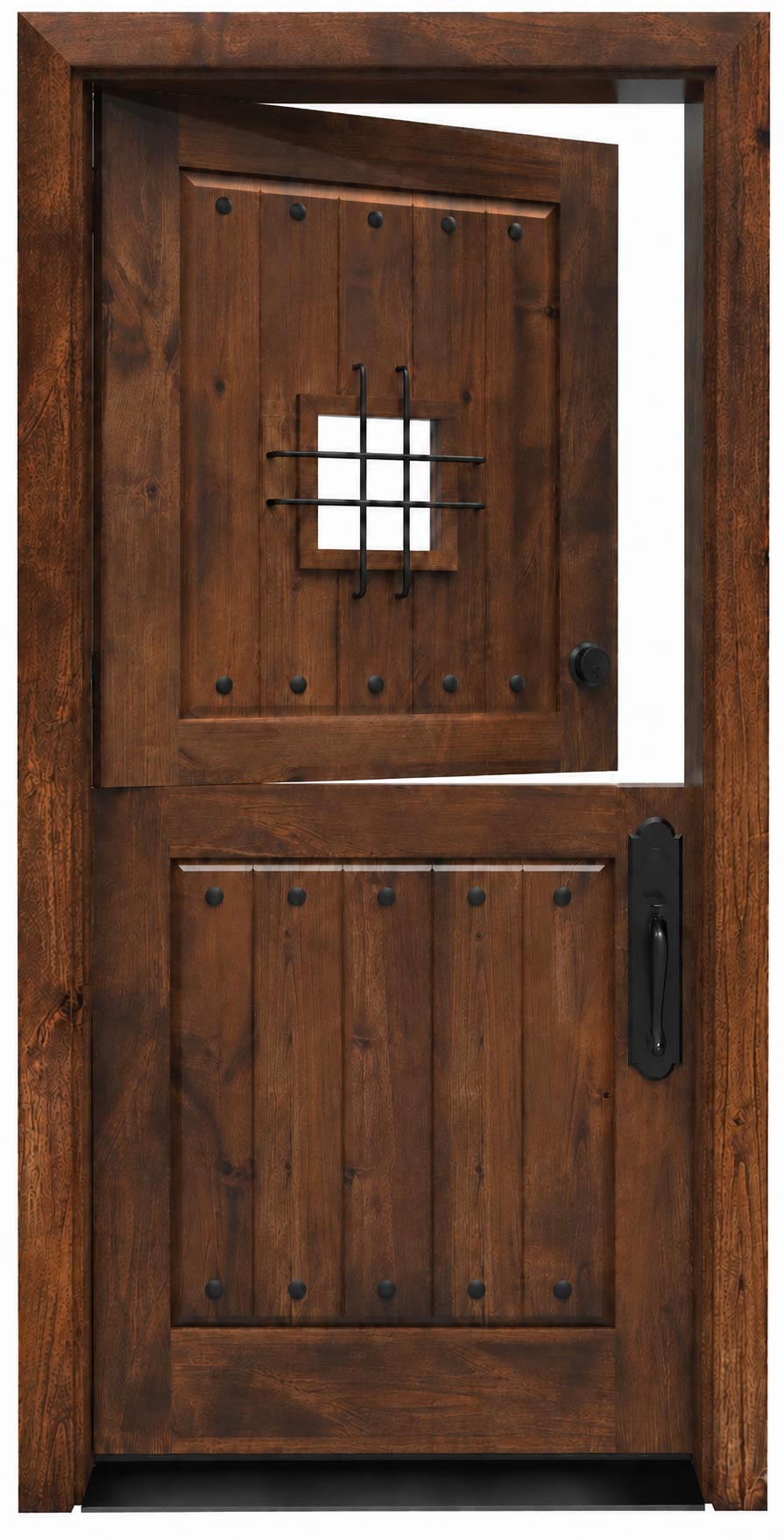
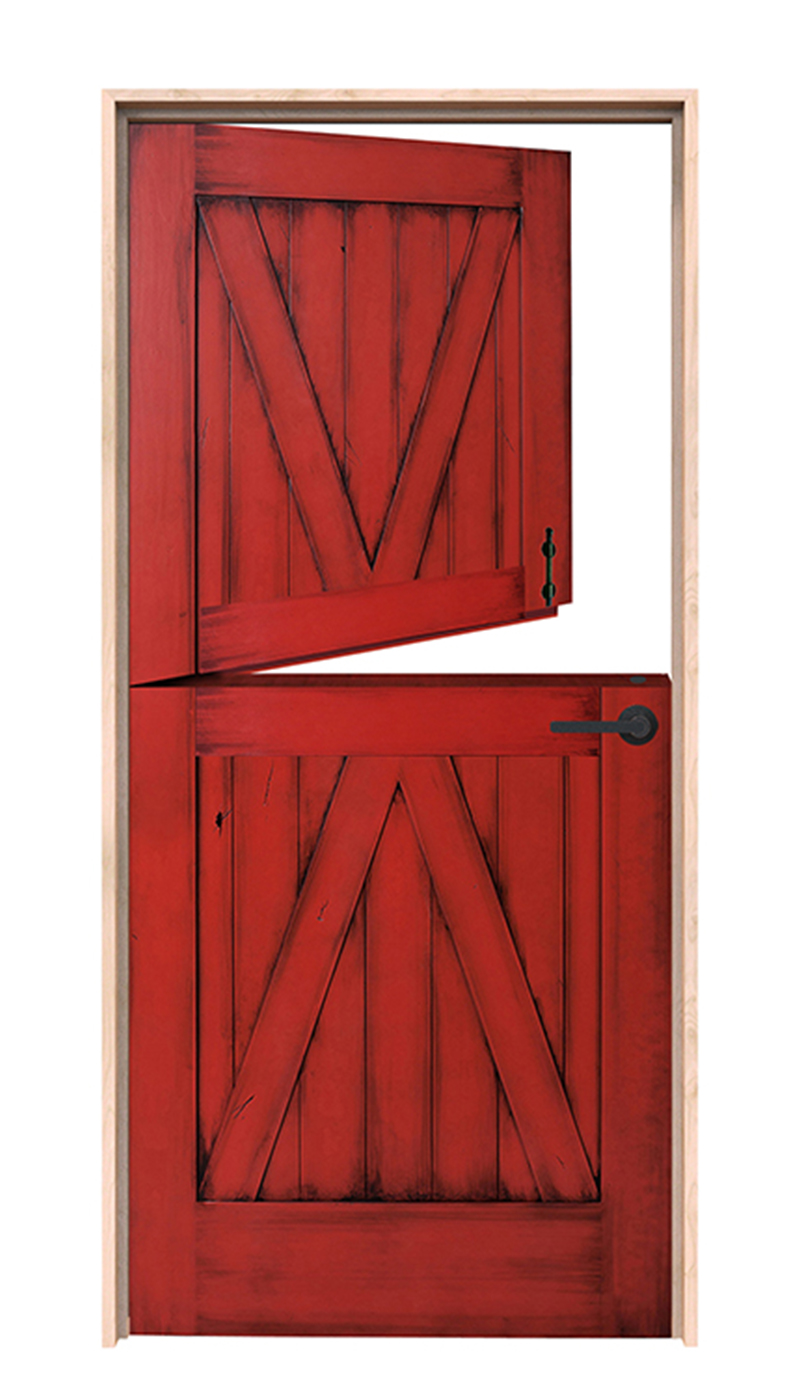
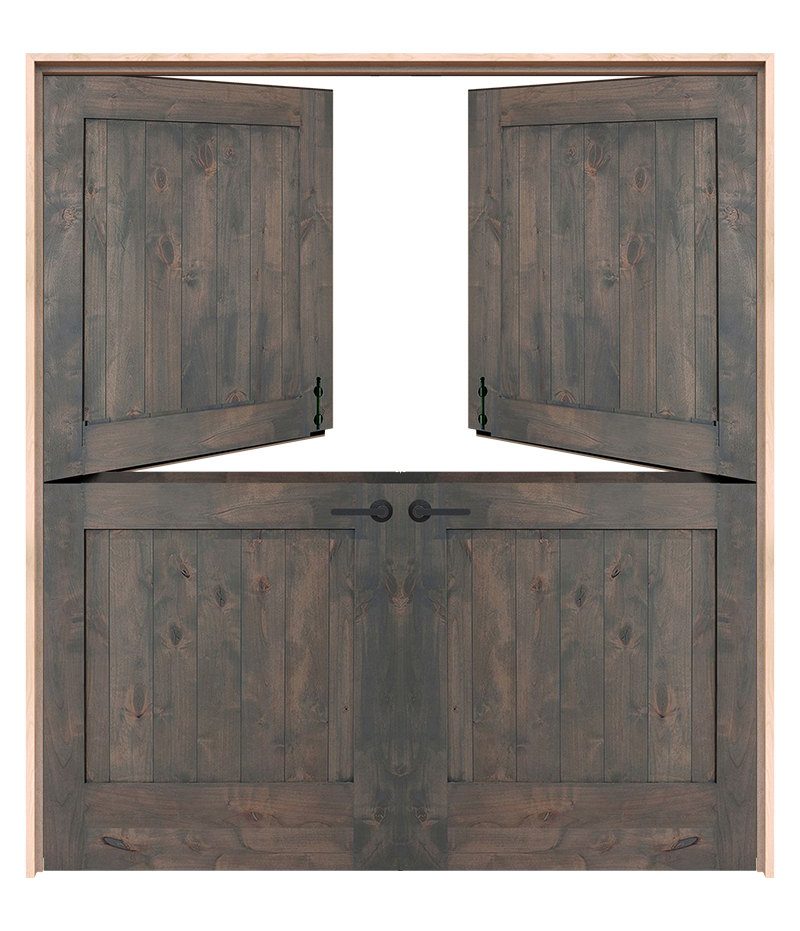
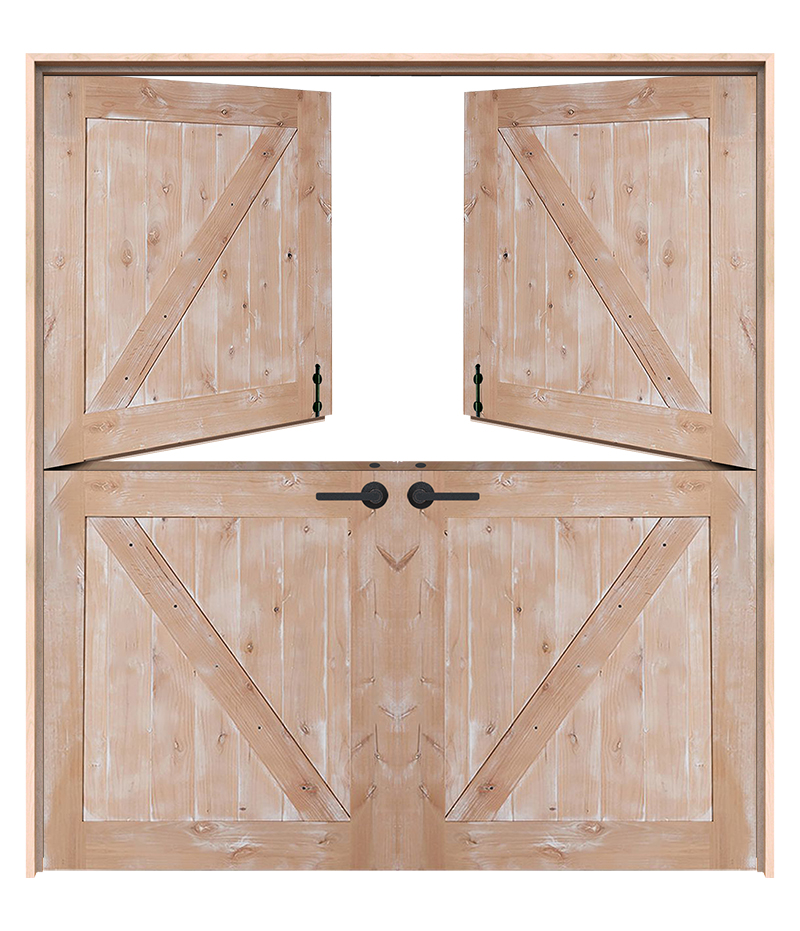
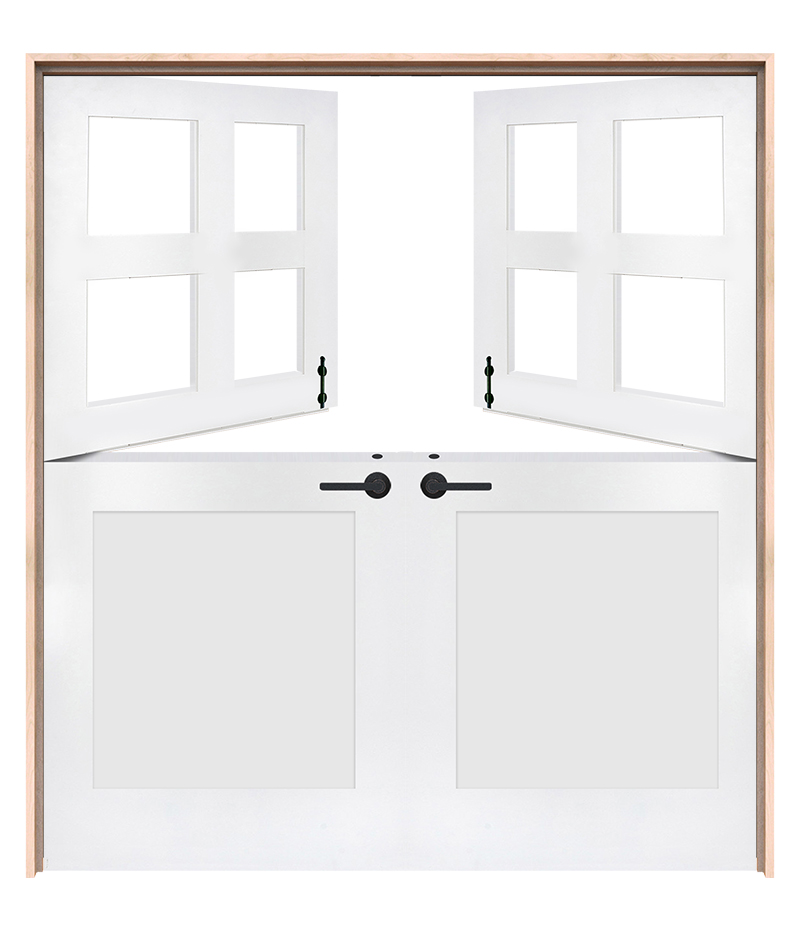
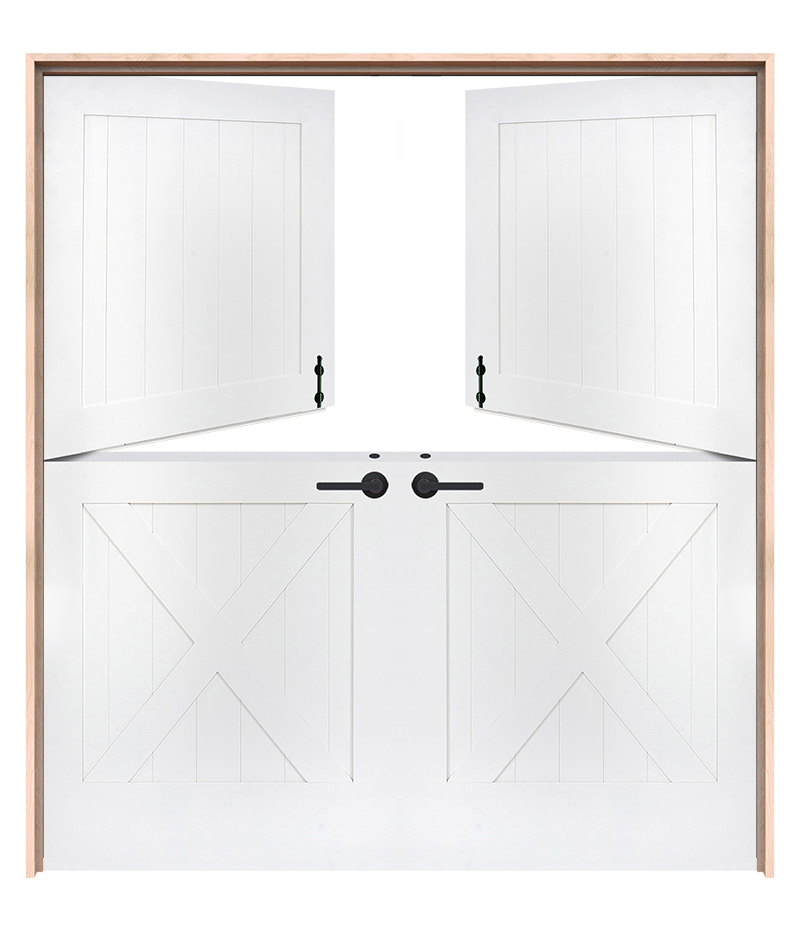
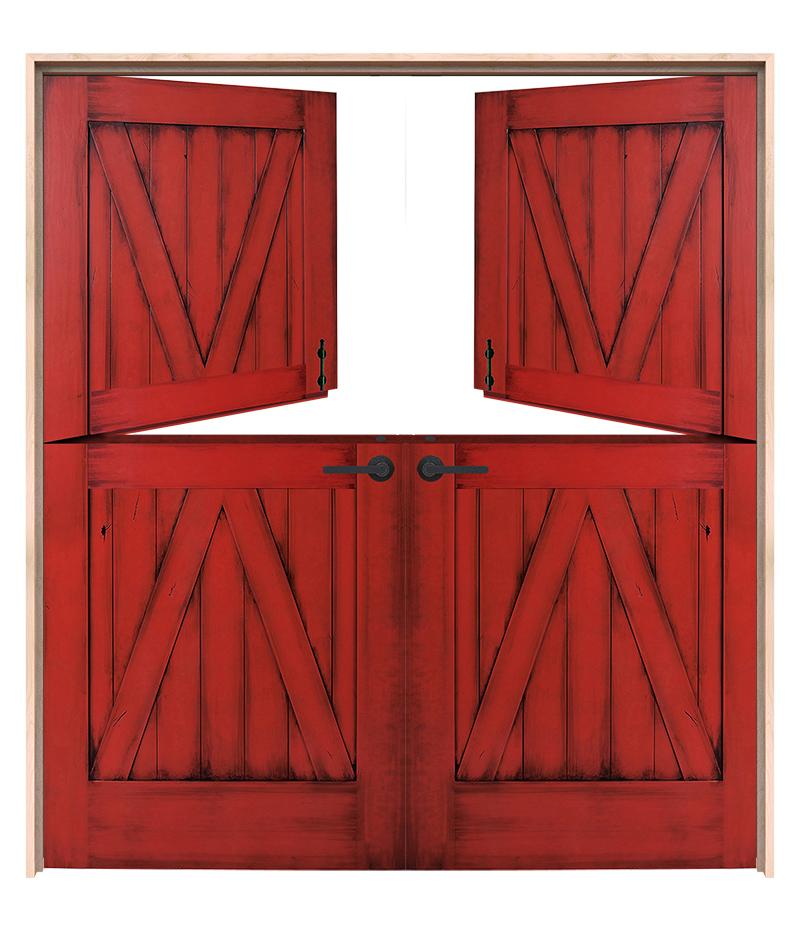
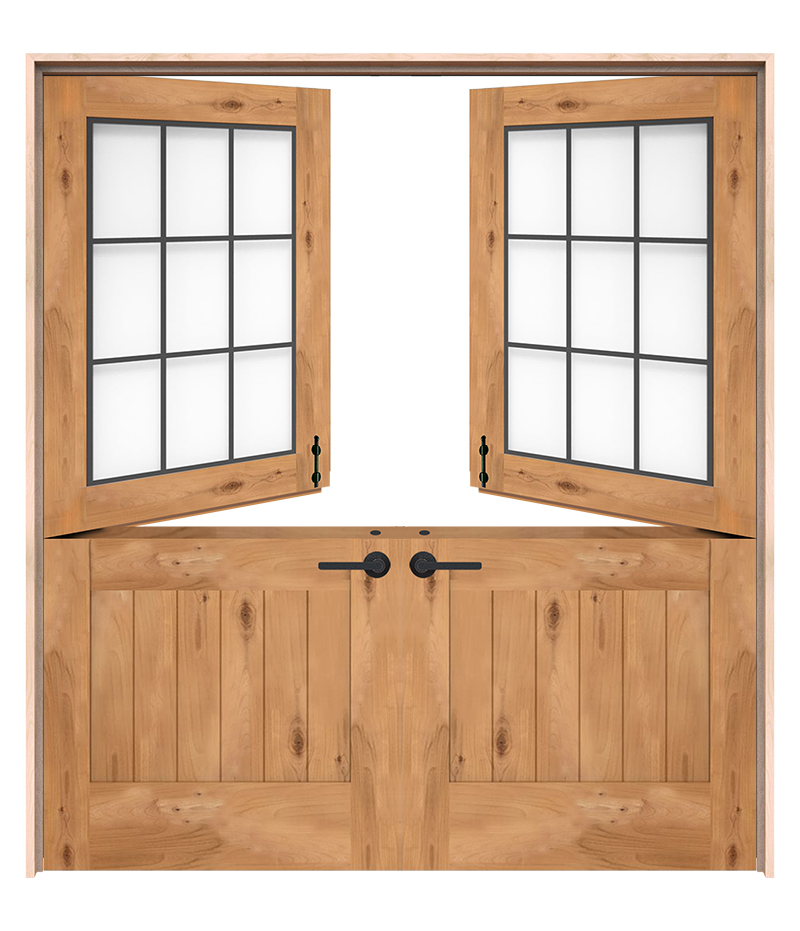
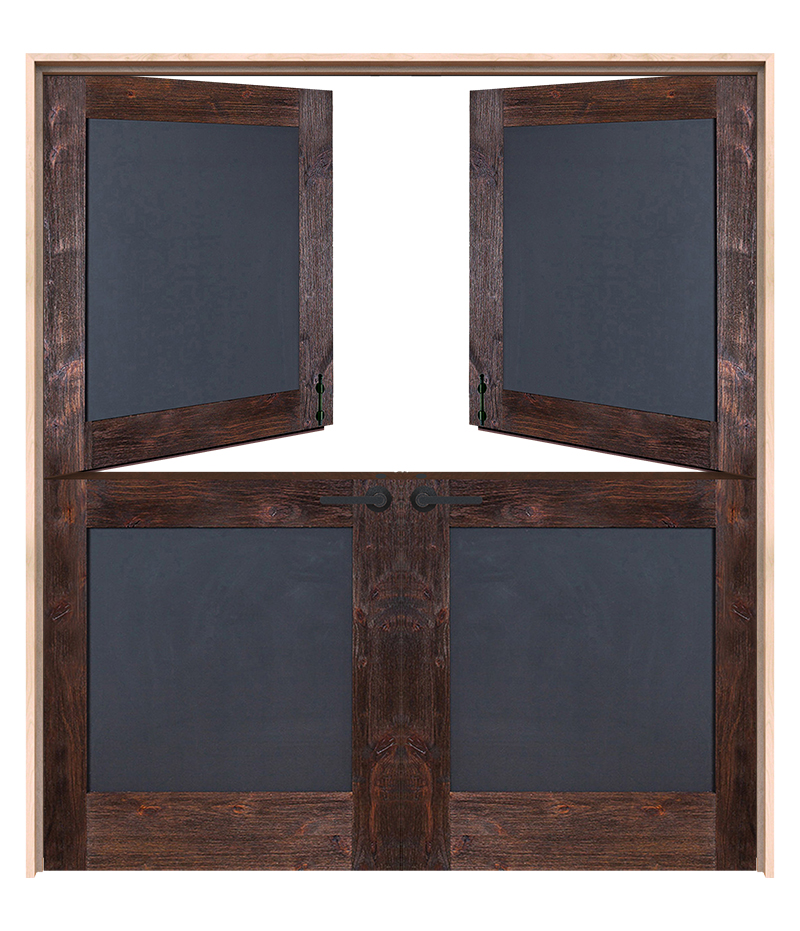
Wood gives a Dutch door warmth above and below the split. Explore glazed tops, solid panels and traditional crossbuck designs, then choose the grain and finish that suit the room.

Choose with confidence

Wood Dutch Doors Buying Guide

A wood Dutch door divides a hinged wood door into independently operating upper and lower sections. A connecting latch lets the sections work together; the split position, glazing and any shelf determine the appearance and everyday use.

Choose light or solid wood above

The upper section determines the view when both halves are closed.

Select the wood character

Compare visible grain with a painted finish and the chosen panel construction.

Plan the split hardware

Coordinate separate operation, the connecting latch and any shelf.

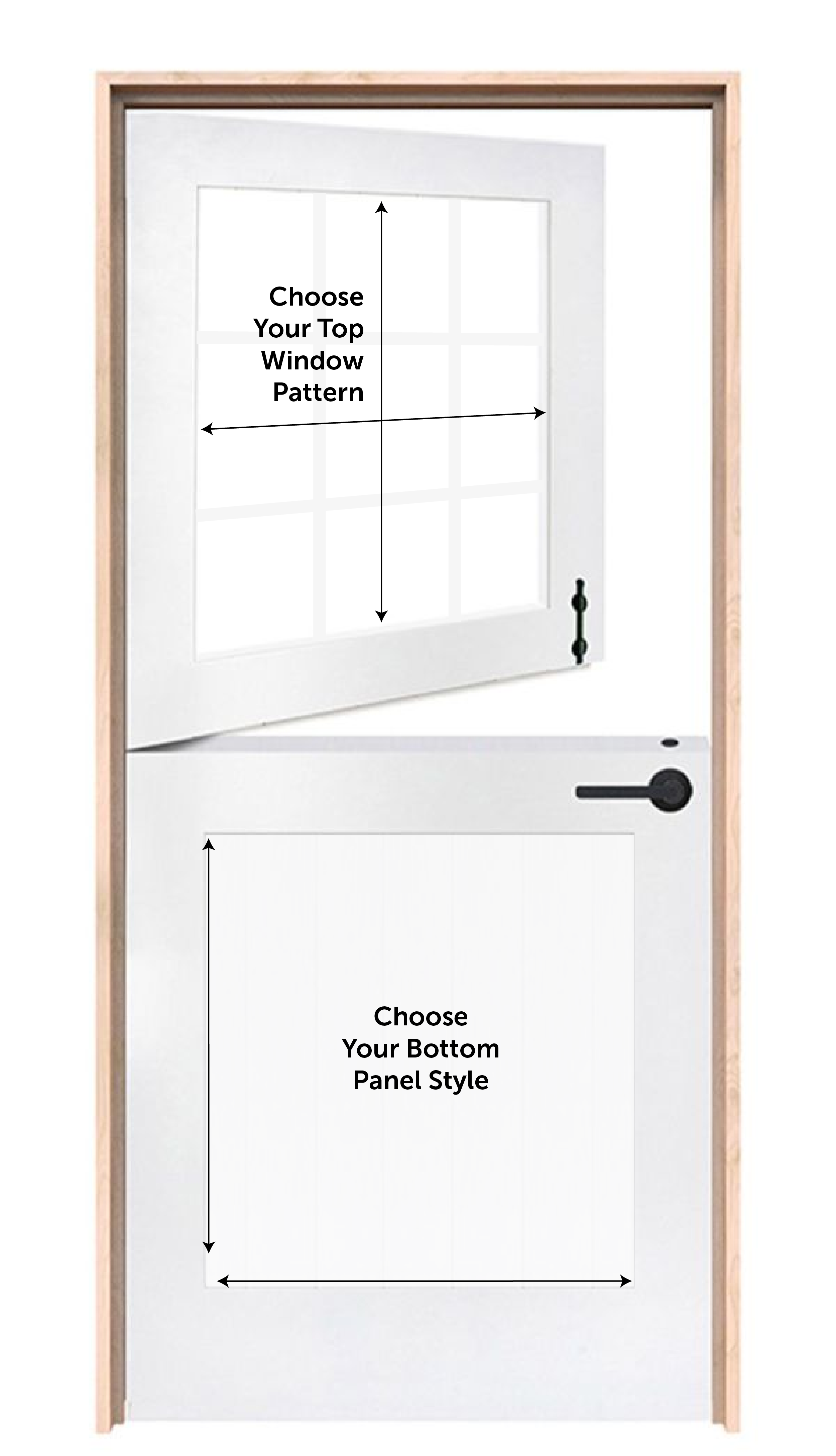
Choose the Upper and Lower Composition

Choose the Upper and Lower Composition
DesignClosed-door effectDetail to review
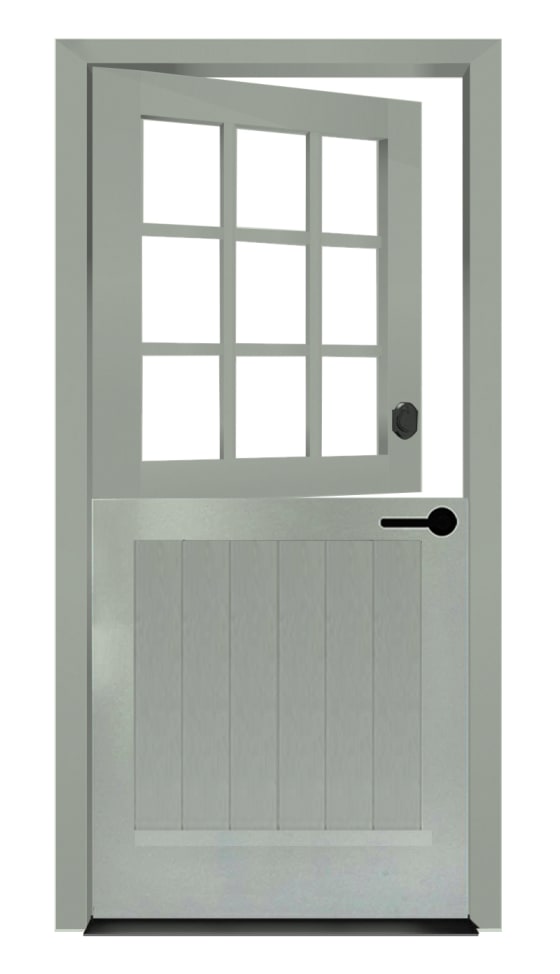
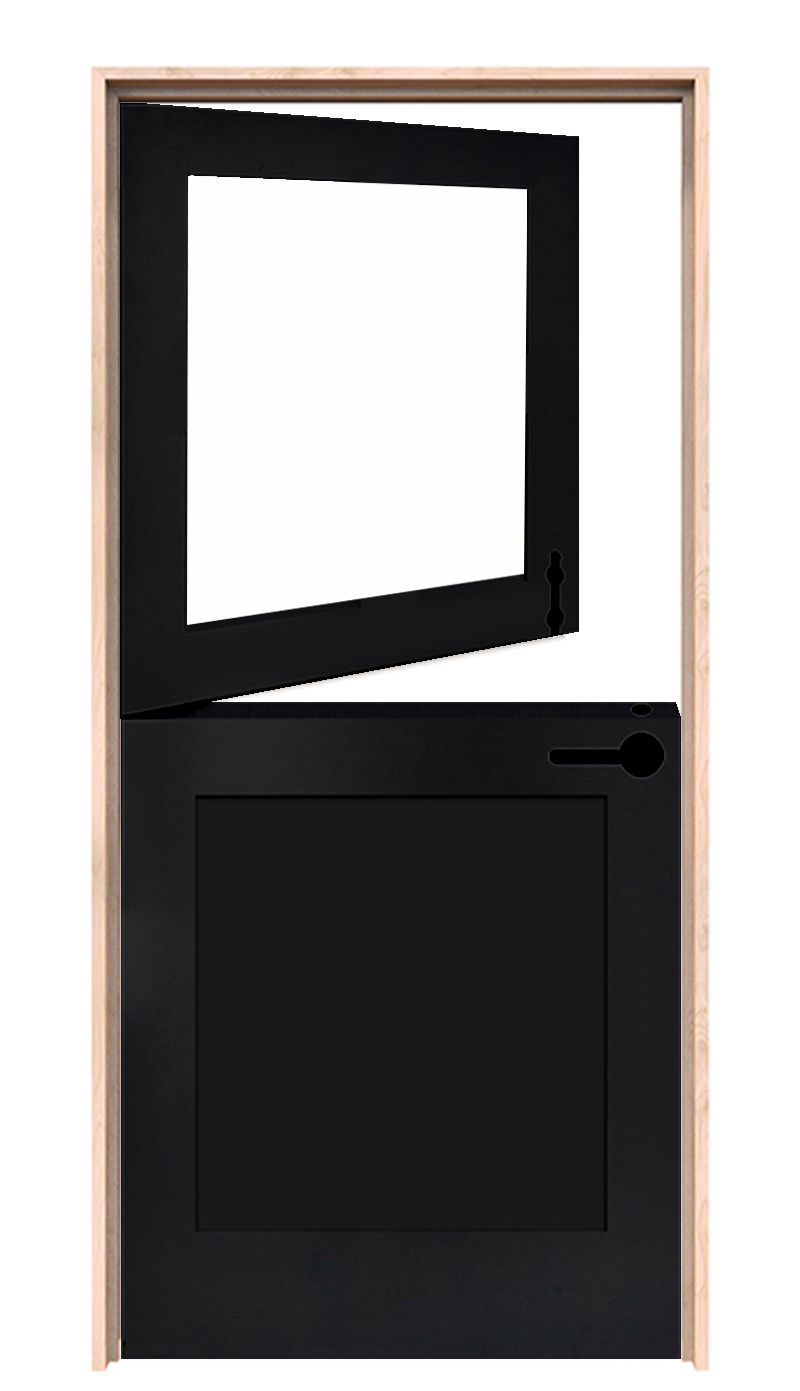
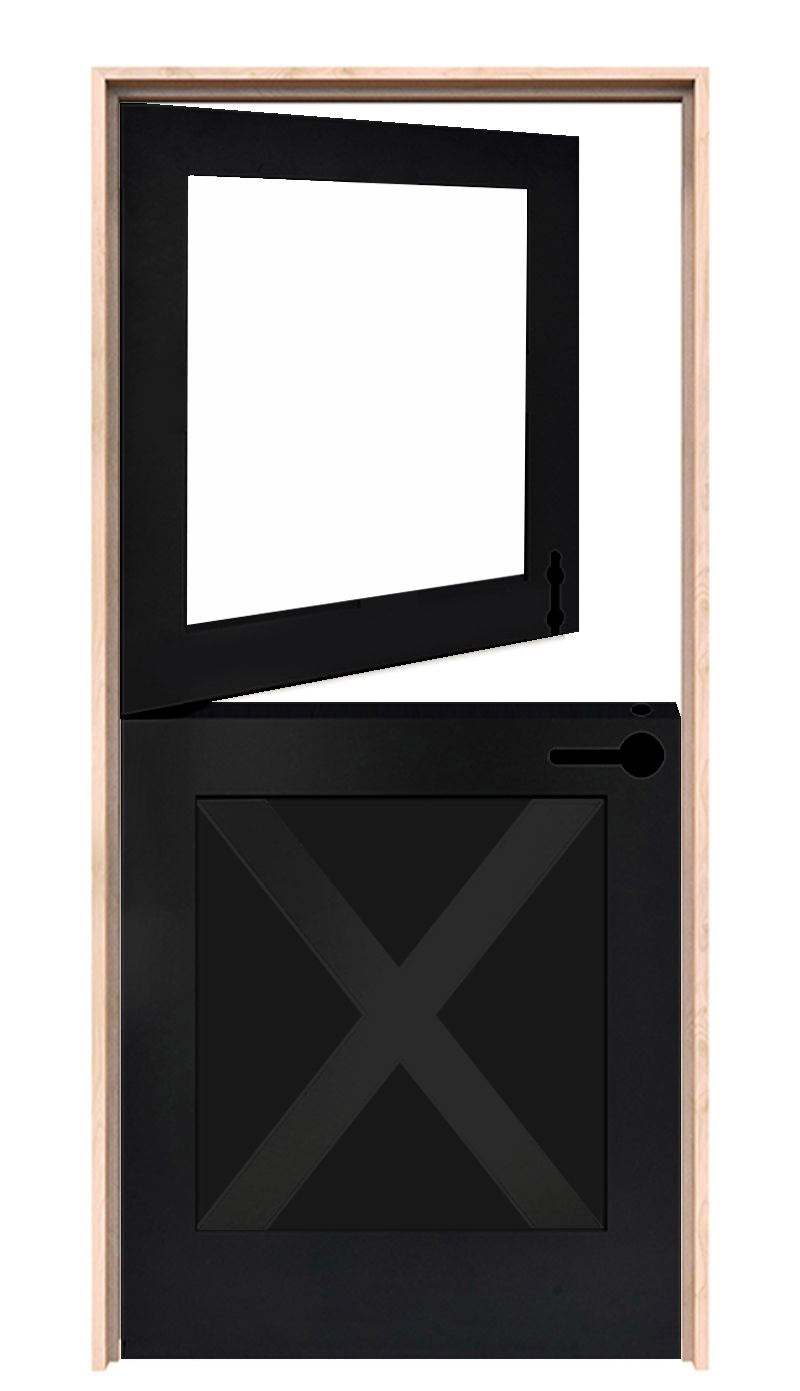
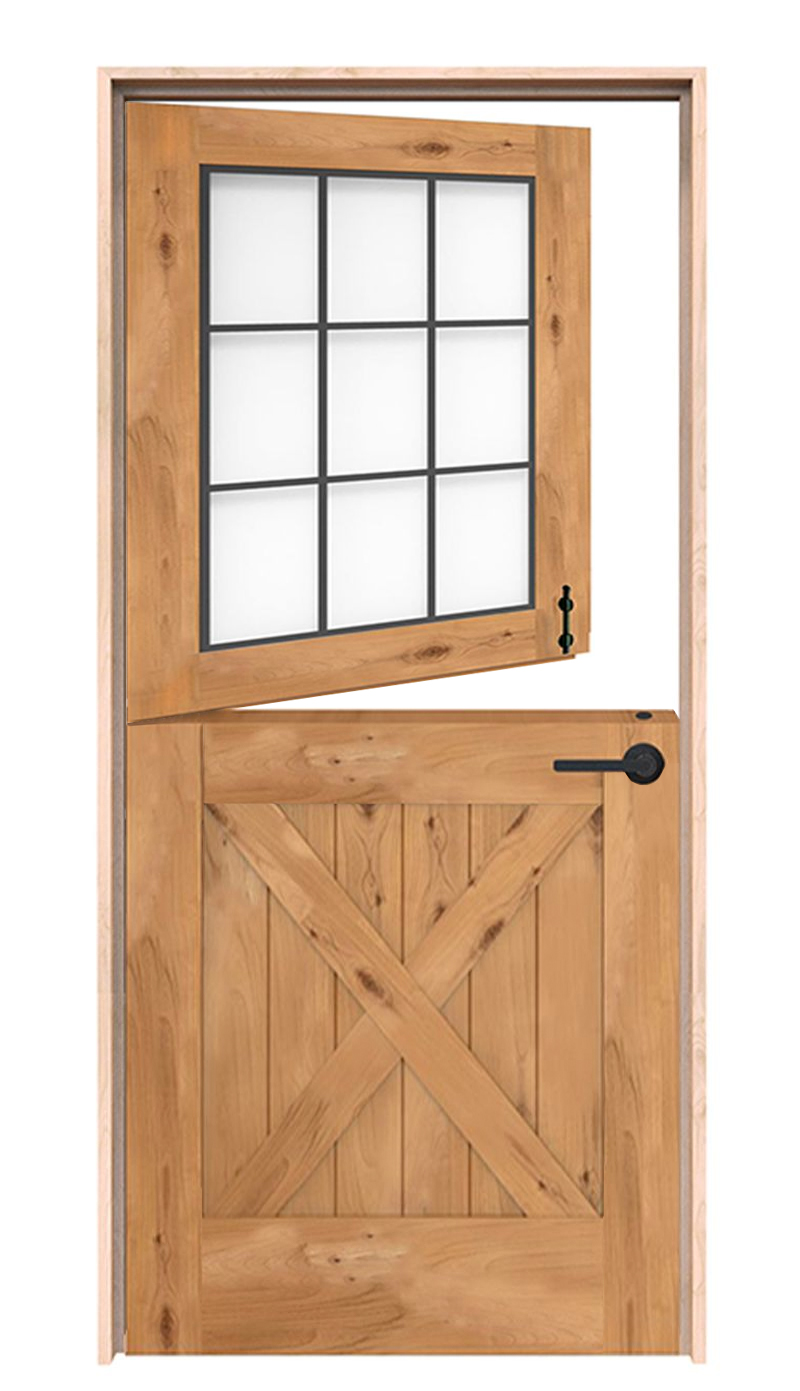
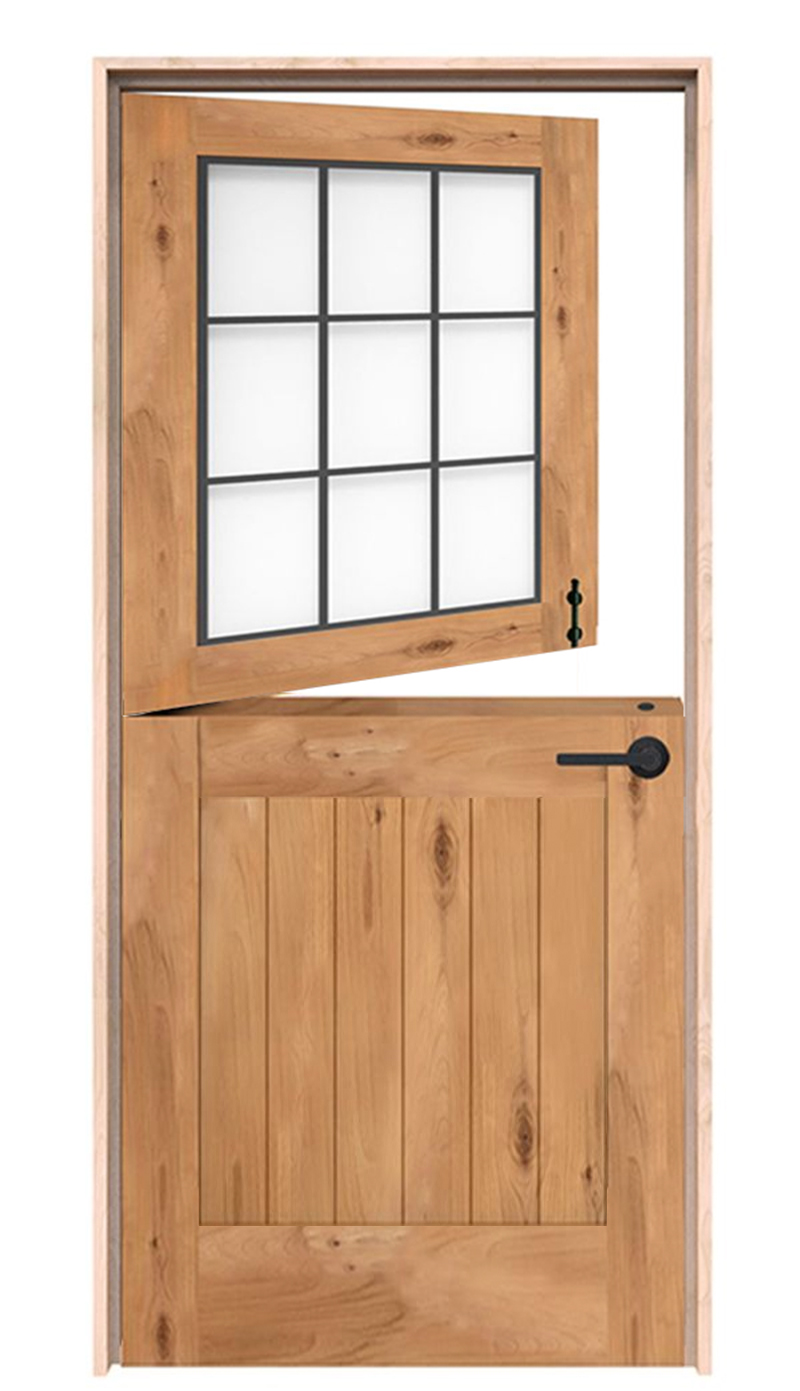
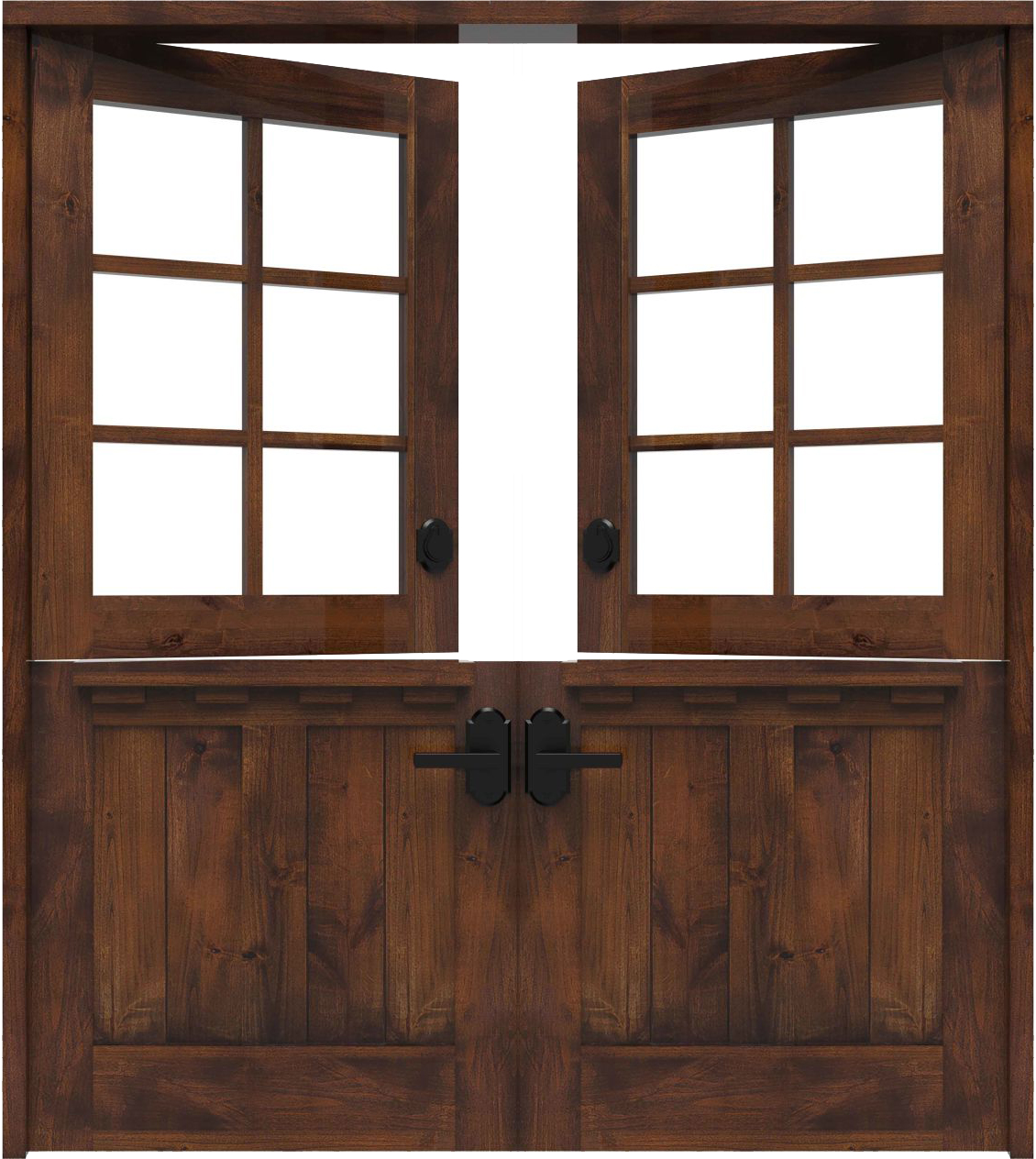
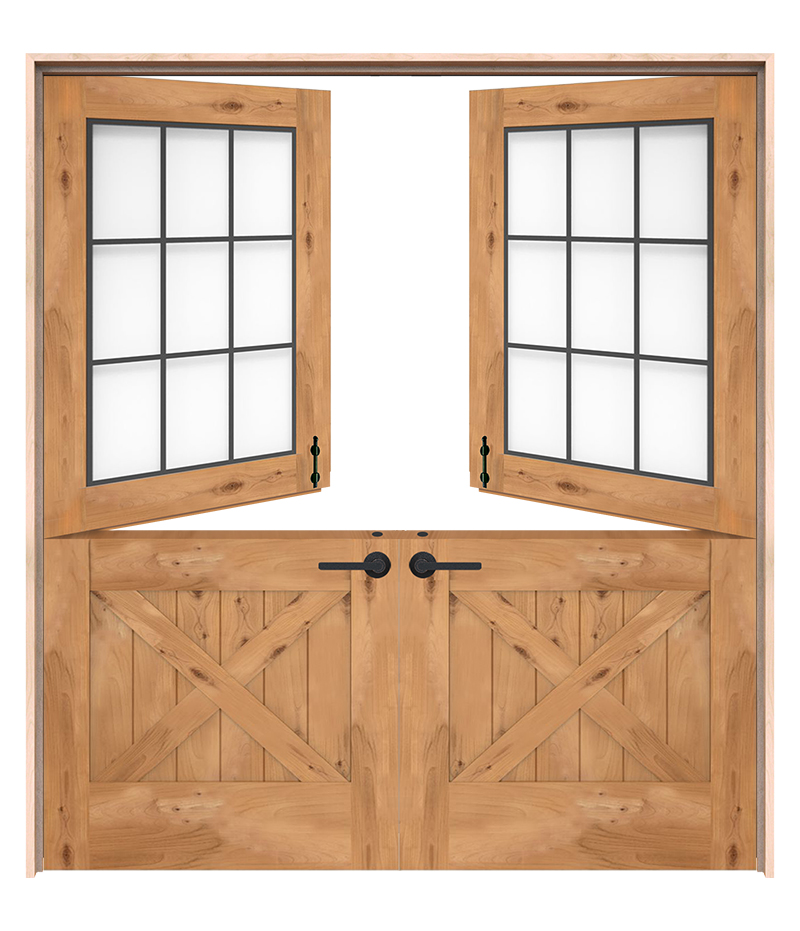
Glazed upper halfLight above a more solid boundaryGlass privacy and window divisions.
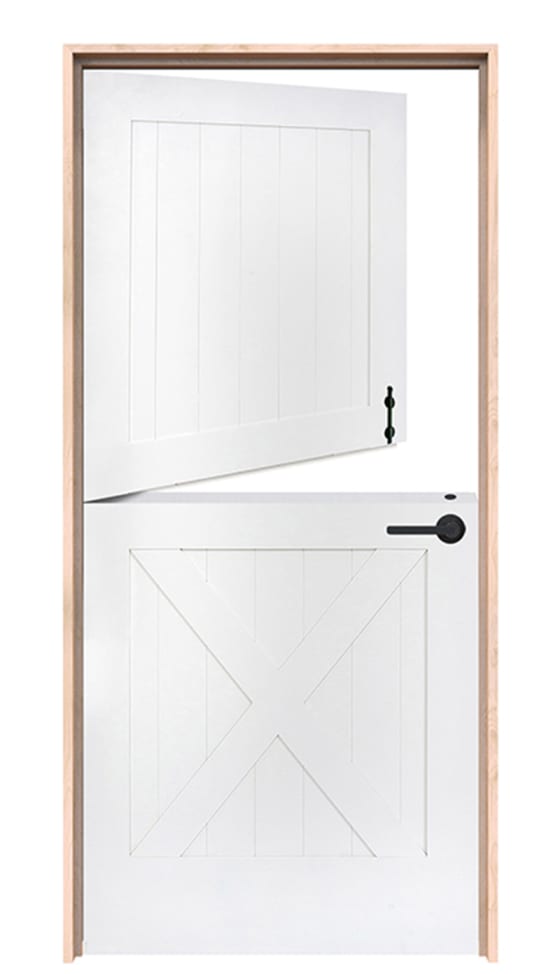
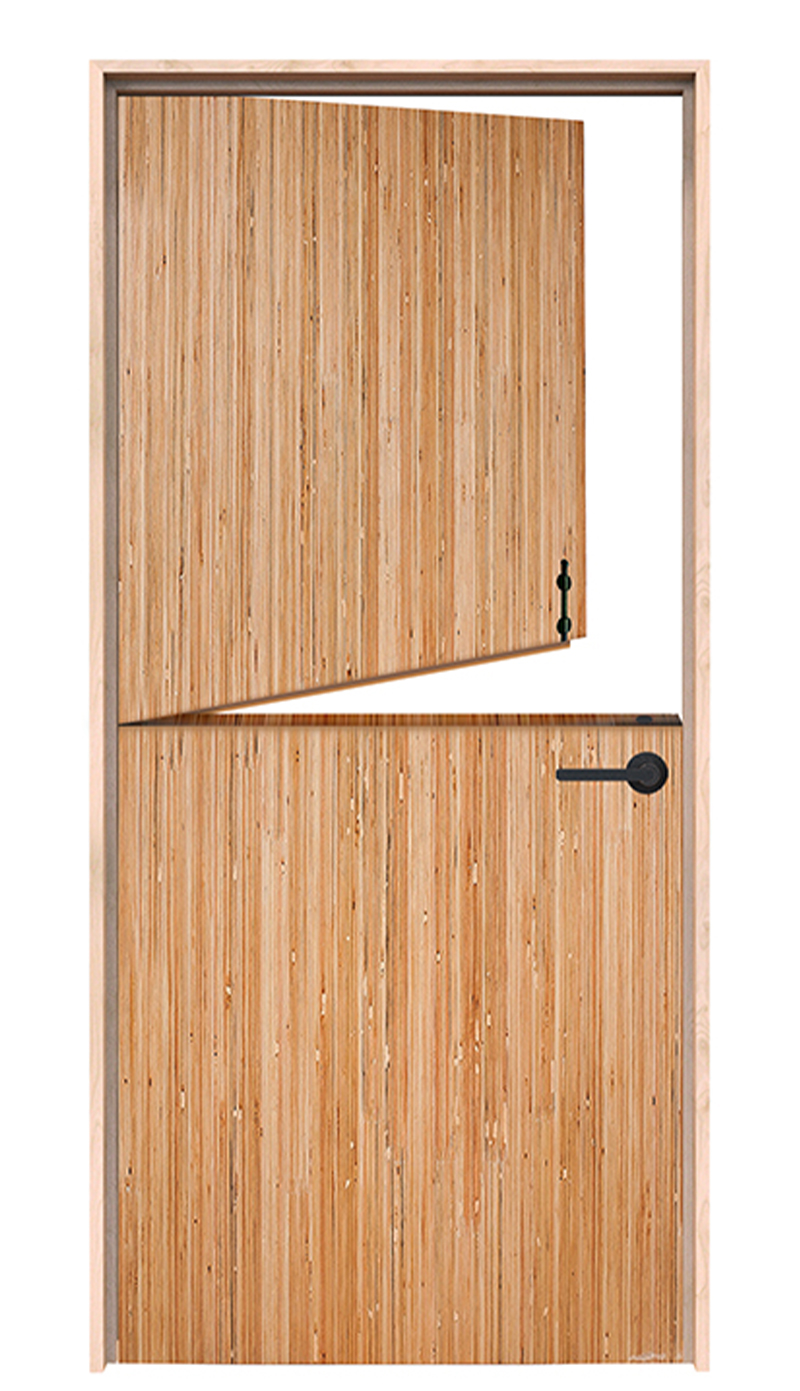
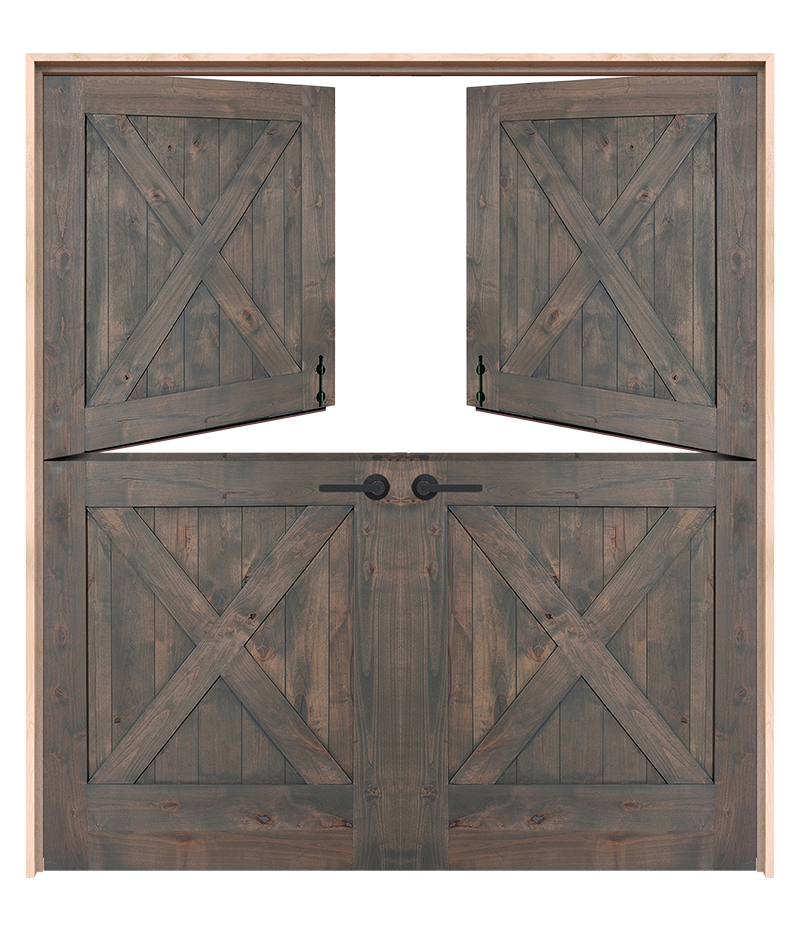
Solid upper halfMore continuous wood characterGrain direction and panel detailing.
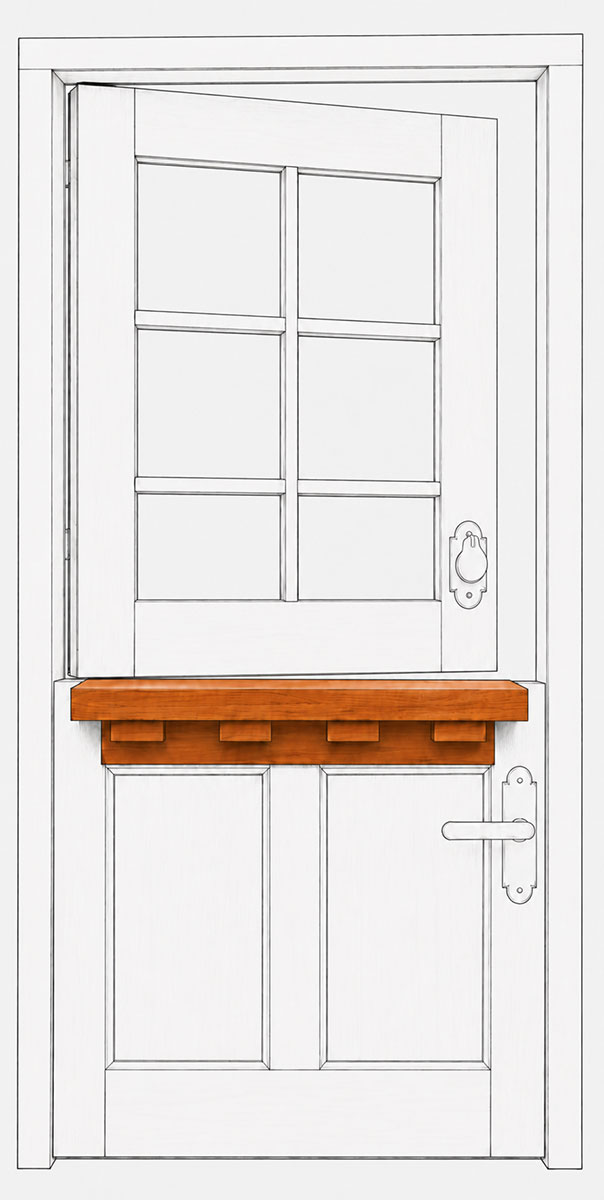
Optional shelfA ledge at the splitProjection, swing and hardware clearance.

Decide What the Upper Half Should Do

An open upper section creates a connection across the doorway. When closed, its glazing determines how much of that connection remains visible. Compare a large clear pane with divided lites and solid wood from the normal approach to the room.

A shelf changes the silhouette at the split and projects beyond the panel. Confirm that the selected model offers it and that it clears trim, handles and nearby walls throughout the intended swing.

Choose a Finish for the Whole Wood Composition

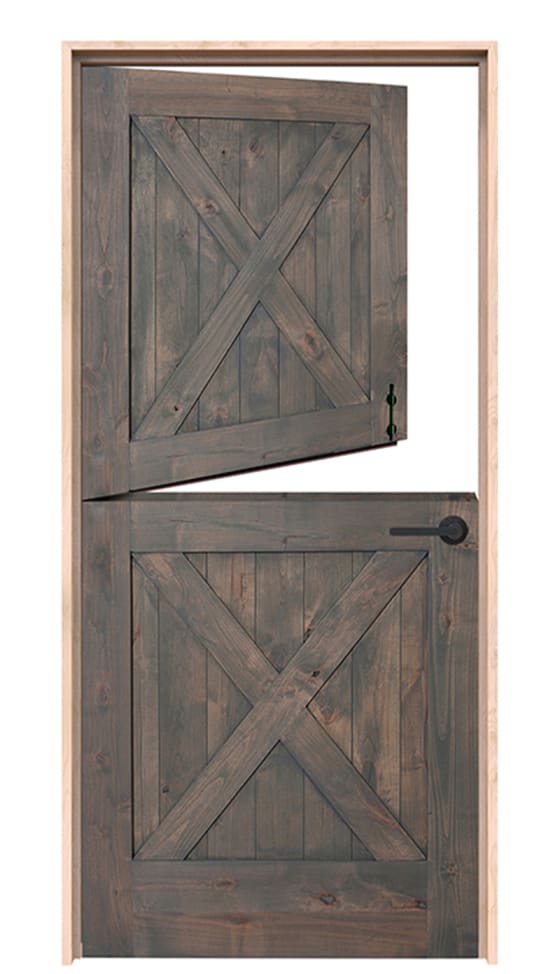
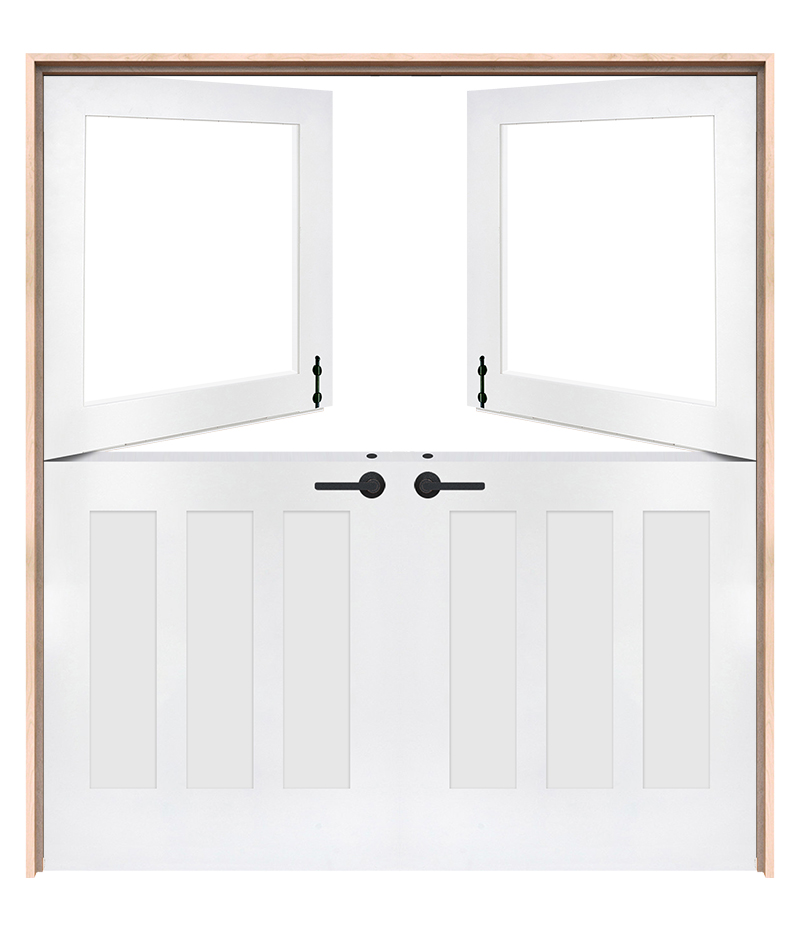
Rails, panels and overlays may show grain in different directions. A translucent finish emphasizes those changes, while paint puts more emphasis on the door’s shape. Review a sample and the exact species options for the chosen model.

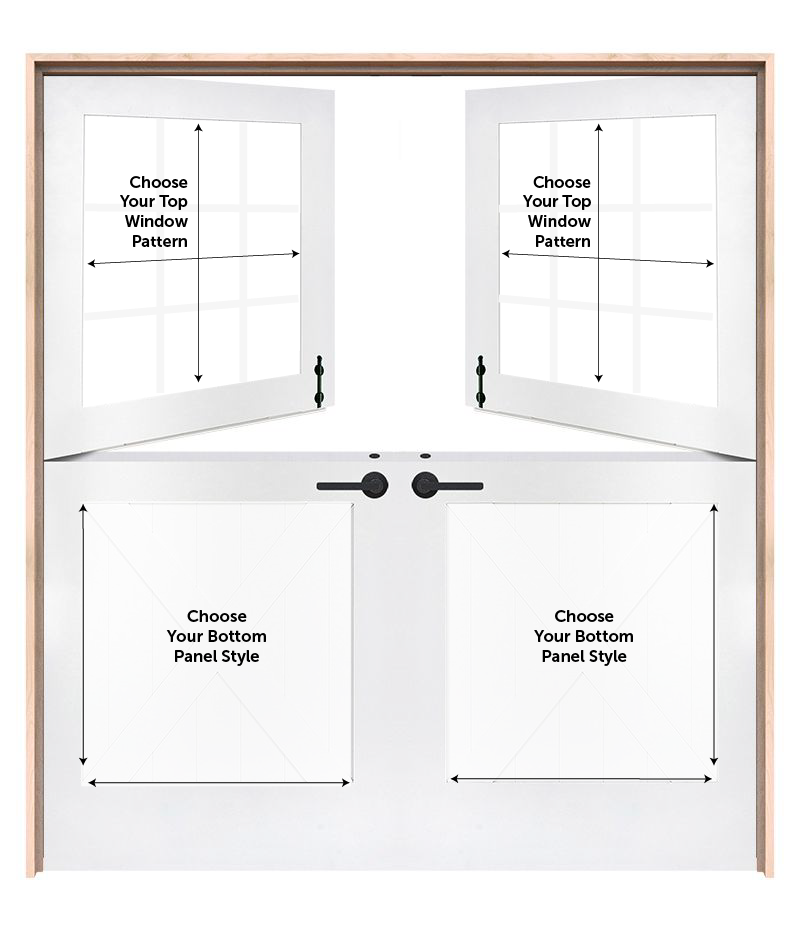
If the opening needs a pair, compare double wood Dutch doors so the panel patterns and split heights can be planned together.

Match the Door to Its Intended Location

Specify whether the opening is indoors or part of an exterior wall. Similar styling does not establish equal weather performance or identical frame requirements. Confirm the appropriate package and finish for the location.

For a contrasting steel-and-glass interpretation, explore metal Dutch doors. Choose material by the desired construction as well as the appearance.

Before You Order

  1. Select the split-door composition

    Choose upper glazing, lower panels and any shelf.

  2. Confirm wood and finish

    Review available species, samples and both door faces.

  3. Resolve the complete assembly

    Approve location, swing, frame, connecting latch and other hardware.

Get help with your project

Wood Dutch Doors: Common Questions

Can the two halves open together?

A compatible connecting latch allows the sections to operate together. Confirm the mechanism included or specified for the selected door.

Does every wood Dutch door include a shelf?

No. Shelf availability and package contents vary. Check the selected model and include its projection in the swing plan.