

What defines Arts and Crafts interior design?
The Arts and Crafts movement connected design with the way objects were made. Its furniture, textiles, metalwork and pottery took many forms. The V&A’s collection includes both decorated surfaces and restrained furniture, so the style is not limited to plain wood or straight lines.
Reference: V&A: Arts and Crafts design for the home.
For a present-day room, begin with proportion and everyday use. A comfortable chair, a well-placed light and storage that works will carry the design further than a room crowded with period references. Add a few pieces whose grain, joinery or surface you enjoy.
Build a palette around the wood
Warm plaster
Olive green
Clay red
Warm wood
Deep blue-green
If the room already has oak trim or a substantial fireplace, use those colors as the starting point. Wall paint can be pale or deep. What matters is whether it supports the wood and gives patterned fabrics room to be seen.
Choose one larger pattern, such as a botanical curtain or wallpaper, and keep nearby fabrics simpler. Repeat a color from that pattern in a cushion, pottery glaze or lampshade. You do not need to match every surface.
Choose materials with different kinds of detail
| Element | What to look for | How to keep the room balanced |
|---|---|---|
| Wood | Grain, panel proportions and useful storage. | Let a few larger pieces share a wood tone; mix smaller pieces with care. |
| Textiles | Botanical patterns, woven texture and comfortable upholstery. | Use one main pattern with quieter supporting fabrics. |
| Metal | Visible handles, hinges or light fixtures. | Repeat one finish where the pieces can be seen together. |
| Ceramics and glass | A handmade surface or a small area of color. | Group a few pieces instead of filling every shelf. |
| Rugs | Color and pattern that connect the furniture. | Size the rug for the seating arrangement rather than treating it as a small ornament. |
Bring the approach into each room
Living room
Arrange seating for conversation before choosing decorative pieces. A wood bookcase, a patterned rug and one table lamp can establish the room. Keep enough open surface for books, drinks and daily use.
Kitchen and dining room
Let cabinet and door proportions do much of the work. A wood table, simple pulls and a small area of patterned tile can relate to each other without copying a historic kitchen. Choose finishes that suit cleaning and food preparation.
Bedroom
A wood bed frame and one nature-inspired textile may be enough. Balance darker furniture with the amount of daylight in the room. Leave clear routes around the bed and choose bedside lighting you can reach.
Home office
Start with the desk, chair and storage you need. Use a door with suitable privacy for calls, then choose its panels, glass and finish. Decorative glass may soften a view, but it does not establish sound isolation.
Use doors to connect the rooms

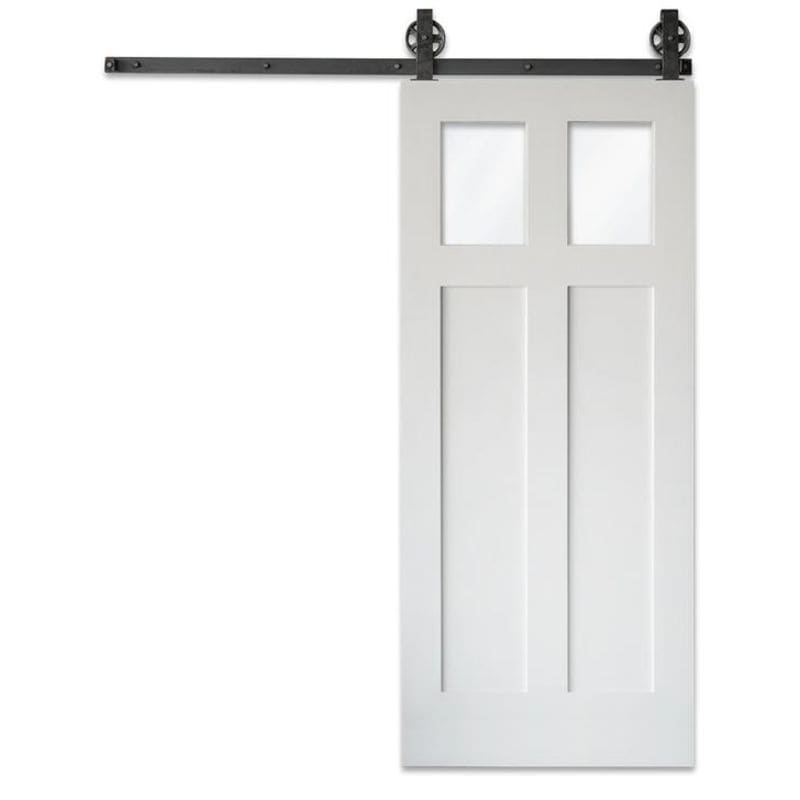

Compare Craftsman door designs for the panel details, then choose between hinged interior doors and sliding barn doors based on the opening. Craftsman is a related American design tradition; not every Arts and Crafts room needs the same door pattern.
Keep the room personal
A contemporary sofa can sit beside an older wood cabinet. A plain wall can balance a busy botanical print. Choose the few qualities you value most, then let the room accommodate the way you live. If you want a lighter farmhouse direction, the farmhouse decor guide offers a useful comparison.
Planning a client project?
For a whole-home door schedule, coordinate room functions, finishes and measurements before ordering. Rustica’s interior designer trade program explains professional eligibility and how to apply.