1.800.891.8312
Free Shipping Details
Most orders over $500 qualify. Free shipping applies to Barn Door Hardware, Barn Doors, and Pocket Doors over $500.
Note: Front doors, interior doors, shower doors, slab doors, any oversized door (wider than 3ft or taller than 7ft), and any special order doors have shipping costs calculated at checkout. Some barn door hardware track lengths do not qualify for free shipping.


How to Install a Barn Door Lock
Tuesday, August 18th, 2026
Author: Kate Allen - Rustica Founder and CEO
Share
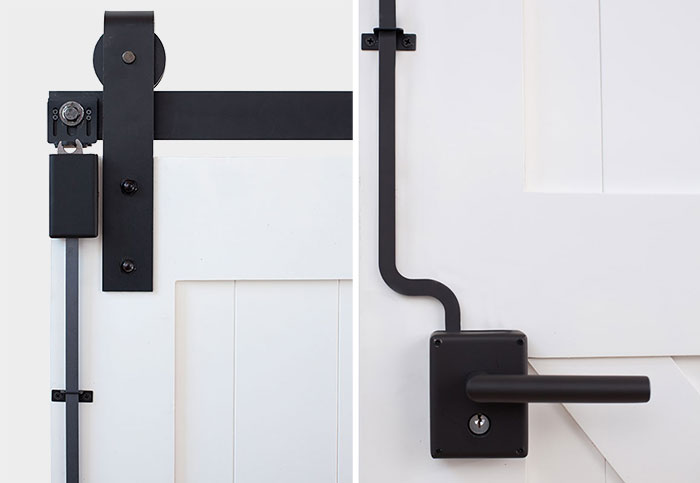
Barn doors are ideal for adding rustic décor to your home. Whether your door is a traditional farmhouse-style door or made to reflect the modern tastes of a person living in an urban high-rise, sliding barn doors look amazing. There is only one thing missing from these pieces of functional décor: a lock. Thankfully, installing a barn door lock is relatively simple.
How to Install a Barn Door Lock
Select Locking Hardware
Measure
Gather Supplies
Look Over Instructions
Begin the Installation
While installing a lock might not be as involved as installing an entire barn door, there are some things to be aware of before you start your project. Thankfully, as long as you’re armed with the proper supplies, the right knowledge, and a few tips and tricks, you’ll be installing your lock in no time. Once you’ve completed your first lock installation, you might just wonder why you didn’t do it sooner.
Can You Lock a Barn Door?
When it comes to barn doors, the common thought is that you can't lock them, but this couldn’t be farther from the truth! There are a wide variety of options you can use as a lock for sliding barn door privacy needs. The appropriate lock depends on whether you need interior privacy or a tested exterior security assembly. Whether you need a simple lock to ensure privacy for your bathroom door, encourage small children to stay out of your bedroom, or a heavier-duty option for exterior sliding barn doors, there are locks for every need.
There are numerous kinds of locks for barn doors and each one corresponds to a specific need or security level. Here at Rustica, we offer options such as a latch lock, teardrop latch, hook and eye latch, and cane floor bolt. The best thing about these locks is the fact that they are customizable and you can craft them to match your current barn door hardware, including your door pulls, barn door handles, and sliding rail.
The Rustica Barn Door Lock
The current Rustica self-latching lock is specified for interior residential, light-duty use. It is not intended as a security solution. The product page lists compatibility with single, bi-parting and bypass systems, subject to the door and hardware configuration. It requires a wood door that can receive a bore hole, is not compatible with doors over 2 inches thick, and lists compatibility with most Rustica door styles up to 10 feet. Check the current product drawing and instructions for the exact configuration before ordering or drilling. Choose the required function, handing, handle and finish; do not assume a lock is included with every door purchase.Types of Barn Door Locks
Latch and Lock system: Some models provide operation from both sides of the door. Choose the exact lock function for the room and follow its stated application limits. The Rustica self-latching model discussed here is for interior light-duty use, not exterior entry security.
Barn Door Teardrop Latch: One of the most common locks available. With this lock, you can secure the door on one side. This type of latch is ideal for doors that require an extra layer of security or privacy such as bathrooms, bedrooms, and other areas that need to be locked from the inside only. The teardrop latch is a common bathroom barn door lock since it’s so easy to operate.
Hook and Eye Latches: Common and appreciated for their simplicity and ease of installation. A hook and eye latch will secure a barn door and provide a locking mechanism that is rustic. These are ideal for bi-parting double doors or securing your door to a wall while in use. They are common for sliding barn doors in use for closets, bathrooms, bedrooms, and other areas where a bit more privacy is required without a complete locking mechanism.
Cane Floor Bolts: Operate in the same way as many exterior swinging door bolt systems. The primary difference is that the cane floor bolt slides into the floor instead of the door frame. This bolt can be locked and unlocked from only one side of the door making it useful for exterior-facing doors, such as patios and sunrooms, and areas that need extra security, such as wine rooms and offices.
These options serve different privacy and holding functions. A latch alone does not establish the security performance of the door assembly.
6 Instances Where You Want to Install a Barn Door Lock
There are plenty of reasons why you might want to lock a sliding barn door to provide increased security in and around your home. Barn doors are more than artistic pieces of décor; they need to be fully functional. With a sliding door lock in place, you can use them just as you would any other traditional swing door. Some of the most common areas where you’d want to use a lock include:
Bathroom Barn Doors
Bedroom Barn Doors
Office Barn Doors
Exterior Barn doors
Wine Room Barn Doors
Game Room Barn Doors
Any of these places could merit a lock on the door and with barn door lock hardware so that ultimate privacy and security can be achieved.
1. Bathroom Barn Doors
A bathroom barn door lock or a barn door privacy lock can be used in a variety of situations. Bathrooms that are used to host friends, relatives, and Airbnb guests should all have a lock for guest privacy and security. Choose a compatible privacy lock with suitable emergency access; panel overlap and perimeter gaps also affect bathroom privacy. A sliding barn door bathroom lock, a barn door latch, or a sliding door latch all work exceptionally well for bathroom sliding barn doors.
2. Bedroom Barn Doors
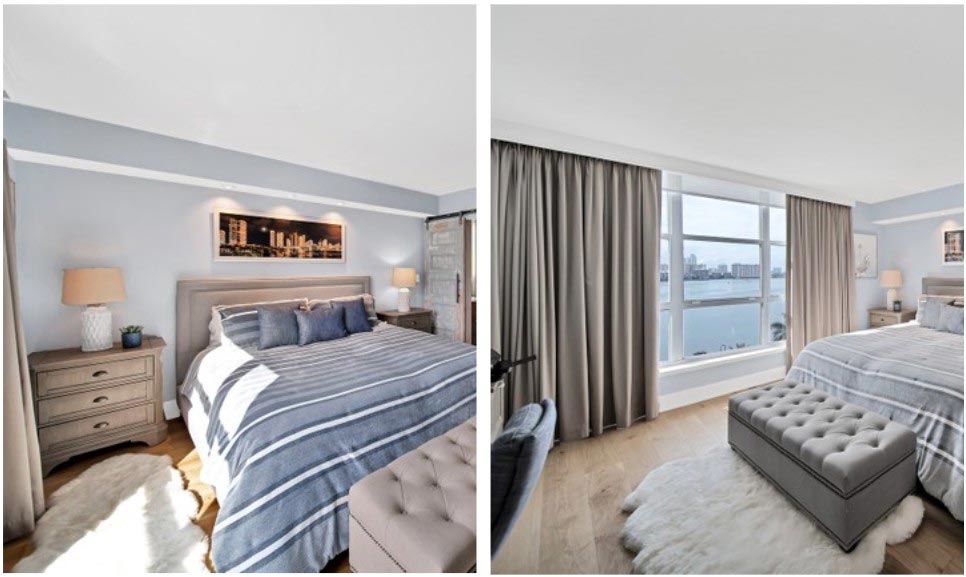
Bedroom sliding barn doors are another area where locks can come in handy to provide an extra layer of security and privacy. Whether you have small children, are frequently hosting guests, or you rent out part of your home to host travelers from around the world, a lock for a sliding barn bedroom door is critical. Thankfully, you don't have to sacrifice aesthetics and decor when you install a lock. Whether you install a simple hook and eye latch, a full privacy barn door lock, or a teardrop latch, any option can be customized to match your barn door hardware and the overall decor scheme you have created.
3. Office Barn Doors
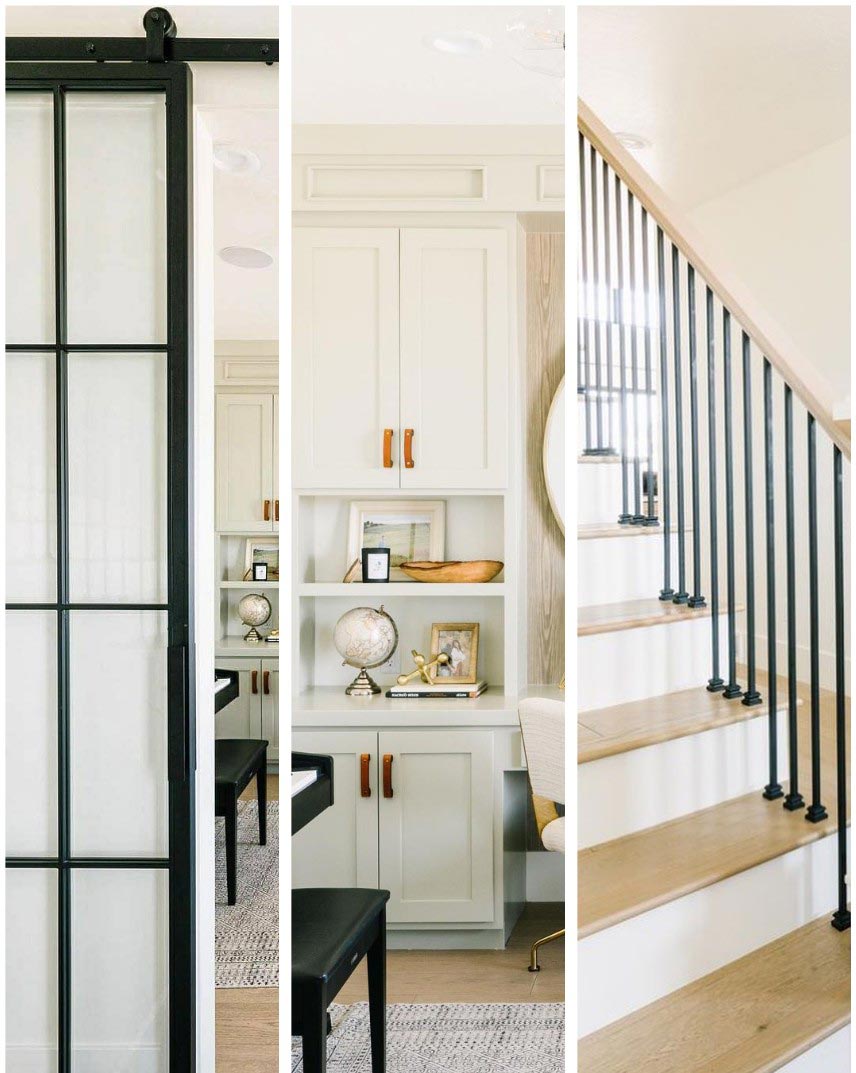
Offices are another location where an extra layer of privacy is critical. Whether you work onsite with other employees or you have an at-home office, you can ensure that your workspace stays private and secure by installing sliding door locks. Locks are ideal if your main office door is a sliding barn door or if you have shelving with important documents that hide behind a sliding barn door cabinet. In either situation, security can be provided by installing a simple barn door lock that can only be opened with a key.
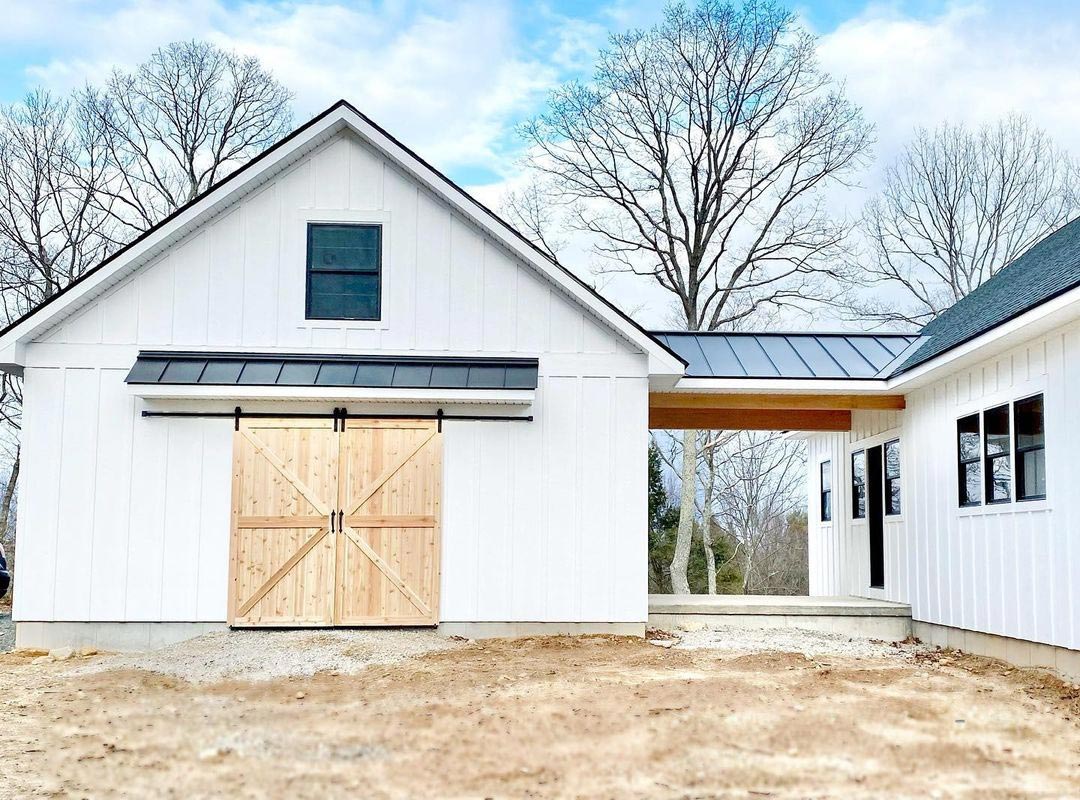
4. Exterior Barn Doors
Exterior barn doors can complete the look you're going for with an exterior facing sliding patio door, pool room door, or sunroom exit and entrance. It's also important that these doors maintain the same level of security that your family is used to. Do not assume a lock makes an exterior barn door equivalent to a tested entry-door assembly. Verify the complete door, track, frame, lock and egress requirements for the intended use.
5. Wine Room Barn Doors
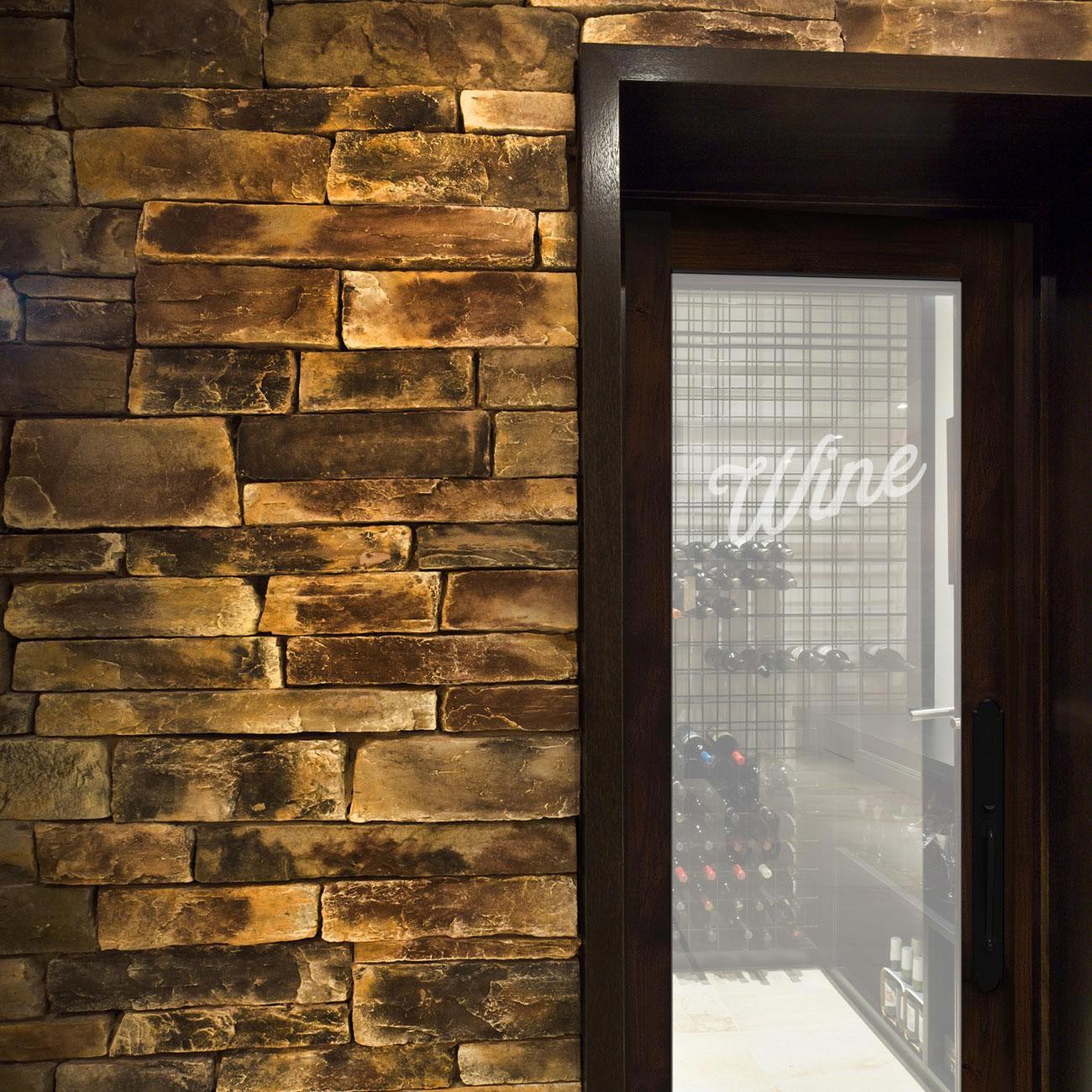
Wine rooms often house a family's private selection of everyday wines and vintage selections. These rooms are often temperature-controlled and need doors that close, latch, and lock when not in use. If you have a wine room with a sliding barn door and find that the door is frequently left open, accidentally left ajar, or you simply want greater control over who enters and exits your wine room, an interior barn door just might be the answer. The type of lock you'll want to install for this setup is typically one which can be locked or unlocked from one side of the door with a key.
6. Game Room Barn Doors
Game rooms and downstairs basements are two other areas where you might find a locking barn door helpful. Whether you are trying to regulate how much time your children spend in the game room, control the overall flow of people in your house, or simply add an extra layer of security, sliding door locks might be your solution. Locks can also be helpful for areas within the game room, such as doors that hide a security system or other high-tech equipment you want to ensure it stays safe when children are playing in the room unsupervised.
How to Install a Barn Door Lock
1. Select Locking Hardware
When it comes to DIY projects, selecting your barn door and the coordinating hardware might just be one of the most fun parts of the process. When you order a barn door and a barn door hardware kit, you'll receive everything you need to install your barn door and mount it on the sliding track. If requested, your barn door hardware might come with a pull or barn door handle, but it likely did not come with barn door locks. Barn door lock systems often need to be ordered separately.
As you've seen above, there are a number of barn door lock ideas that can provide privacy and security for your home wherever a sliding barn door is in use. Barn door lock hardware can be customized to match the rest of your hardware and compliment your sliding barn door style. When you select a barn door latch or a door lock, it's important to understand which type of lock will work best for your purposes.
When selecting sliding barn door lock hardware, ask yourself several questions including:
Do you need increased privacy?
Is safety a priority?
What kind of sliding barn door are you trying to secure?
Armed with the answers to these questions, you'll be better equipped to choose your sliding door with lock options. Depending on whether you need privacy, safety, or both, you might choose a barn door latch, sliding door locks, a barn door privacy lock, or a barn door with lock and key options.
If you need help deciding which type of lock to order, we can help! Jump on the phone and talk to one of our staff members who will gather information about the type of door you have, where the door is located, and what the door is used for. Based on your answers to these questions, our staff can help narrow down the options and explain the pros and cons of different types of locks for your door. We are proud to say that here at BarnDoorHardware.com we don’t just sell hardware; we provide assistance to our customers in choosing it, too. We are always available to help you choose the best type of lock for your privacy or security needs.
2. Measure
Each locking system will have its own measurement requirements regarding where on the door and your wall the lock gets placed. Have a tape measure on hand for this part of the process, as a ruler will not give you the ability to confidently configure vertical measurements.
When measuring for your lock, you'll need to determine the vertical measurement and place a mark for how high you want the lock to sit. You'll also want to mark the end of your sliding barn door for lock placement in addition to the area on your wall. Always double-check your measurements to ensure accurate placement. If measurements are off, even slightly, you could install the entire system just to find out that the locking mechanism may not work properly. Correct measurements are key in ensuring the proper function of your lock.
If you need help with this part of the process, refer to the current instruction manual for the exact lock you ordered. For further assistance, feel free to give us a call at any time and one of our helpful staff members can provide guidance for the process.
3. Gather Supplies
Once you have ordered and received your barn door lock hardware it's time to get busy with the installation process. But first, you'll need to gather your supplies. In order to install your privacy lock, teardrop latch, or other barn door locks, you want to have several items on hand and within easy reach. Standard installation items include:
Screwdriver
Drill
Measuring Tape
Pencil
Depending on the instructions that come with your locking hardware, you might need additional supplies as well. In general, these supplies should be able to get you through to completion on most projects. Though installing a locking system is a fairly quick and simple process, you will likely be using a drill to bore holes for the screws, a screwdriver to attach your locking system to the door and door jam, a measuring tape to ensure you're placing it in the correct spot, and a pencil to mark the areas where drill holes need to be made and where the lock should go.
Installing a lock is very much a one-person job and can be done quickly. If you're looking for a fast DIY project during a rainy day or a free afternoon, installing locking mechanisms on your sliding barn doors is something you can easily mark off your to-do list. If you have more than one lock to install, plan to do them all at the same time since you'll already have your materials handy. Once you've installed one lock, you’ll likely find the installation process on the remaining doors to go much faster than the first lock you installed.
4. Look Over Instructions
When you purchase your barn door lock from Rustica, review the instructions before drilling or attaching any hardware. Each lock style has its own placement needs, and taking a few minutes to read through the steps can help prevent mistakes during installation.
Make sure you understand where the lock mounts, where the receiver piece sits, and how the two parts should line up when the door is closed. Also check for any special notes about your door style, wall surface, trim, or clearance around the opening.
Before moving forward, hold the lock in place and test the general position by hand. Open and close the barn door slowly to make sure the lock will not hit the trim, wall, handle, or track system. This quick check can save time and help you avoid extra holes in your door or wall.
5. Install and Test the Barn Door Lock
Once your measurements are marked and your instructions are clear, you can begin installing the lock. Start by lining up the lock hardware on the barn door or wall, depending on the type of locking system you selected. Use your pencil marks as your guide, then drill pilot holes where the screws will go.
Attach the first piece of the lock with the screws provided. Do not fully tighten the screws until you confirm the lock lines up with the receiver piece. Next, install the receiver, latch catch, hook, or strike plate in the marked location. Close the barn door and test the lock before tightening everything completely.
The lock should connect smoothly without forcing the door into place. If it feels too tight, too loose, or slightly misaligned, adjust the hardware before finishing the installation. Small changes can make a big difference in how well the lock works.
After everything lines up correctly, tighten the screws and test the door several times. Slide the barn door open and closed, lock and unlock it, and check that the door still moves freely on the track. A properly installed barn door lock should feel secure, easy to use, and natural with the rest of your sliding door system.
Installing a barn door lock is a simple way to add privacy, safety, or peace of mind to your space. With the right hardware, careful measurements, and a little patience, you can finish the project quickly and enjoy a more functional barn door in your home.
A Visual Guide to Your Options
| Check | Why it matters |
|---|---|
| Single, bypass or paired door | The receiver and locking geometry differ |
| Thickness and wall gap | Fasteners and lock body must fit |
| Door-to-jamb overlap | The receiver must meet the latch when closed |
| Handle and trim projection | The moving panel needs clearance |
| Release from inside | The door must remain usable for the intended room |
| Emergency access if needed | Bathroom or bedroom privacy hardware should have an appropriate release plan |
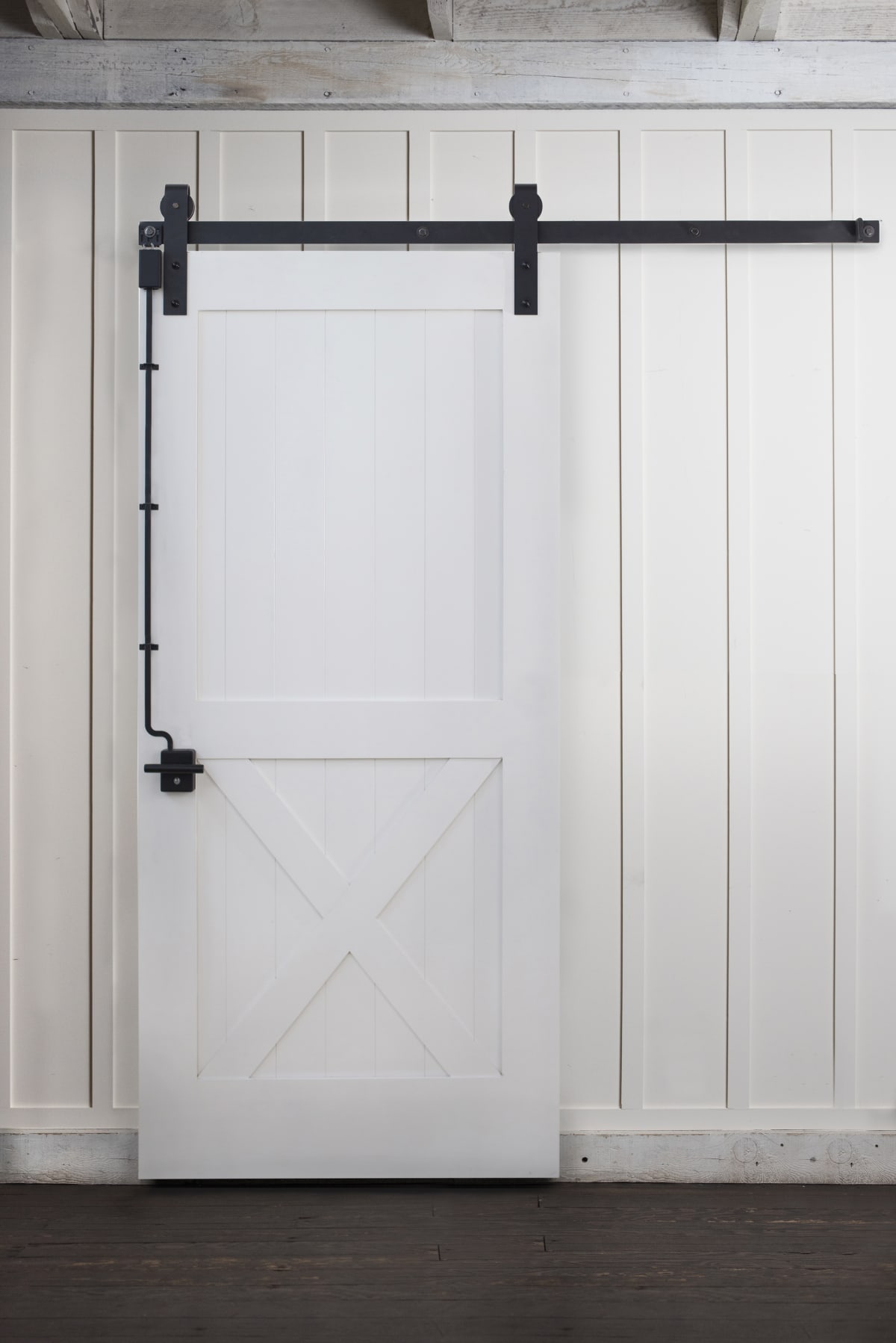
Check alignment with the door in its final position
With the door resting against its intended closed stop, mark the relationship between the latch and receiver. Then move the door through its complete travel to check for collisions. Use the supplied template and fasteners, and check the substrate before drilling. Do not position a lock to compensate for a panel that hangs crooked or slides past its stop.
After installation, test several complete opening, closing, locking and release cycles. For the current self-latching model, see the Rustica barn door lock product details and its instructions.
Questions, answered
Can a barn door be locked from both sides?
Some models offer operation from both sides; others are one-sided privacy latches. Confirm the exact function before ordering and do not infer it from appearance.
Does a barn door lock make the door secure for an exterior entrance?
Not by itself. Exterior suitability depends on the door, track, frame, anchorage, glazing and tested locking assembly. Use hardware approved for that complete application.
Sources & further reading
Updated · Original guide refreshed with comparison details and practical checks.




PRODUCTS
FEATURES
COMPANY
BUSINESS